
Anta do Tapadão
Age: Neolithic, ~5,000-6,000 years old
About Anta do Tapadão
In short
The Anta do Tapadão, also called the Anta da Aldeia da Mata, is a Neolithic passage tomb near Aldeia da Mata in the municipality of Crato, Portalegre district. Built probably around 3000 BCE by farming communities, it keeps its seven-stone chamber and capstone and has been a National Monument since 1910.
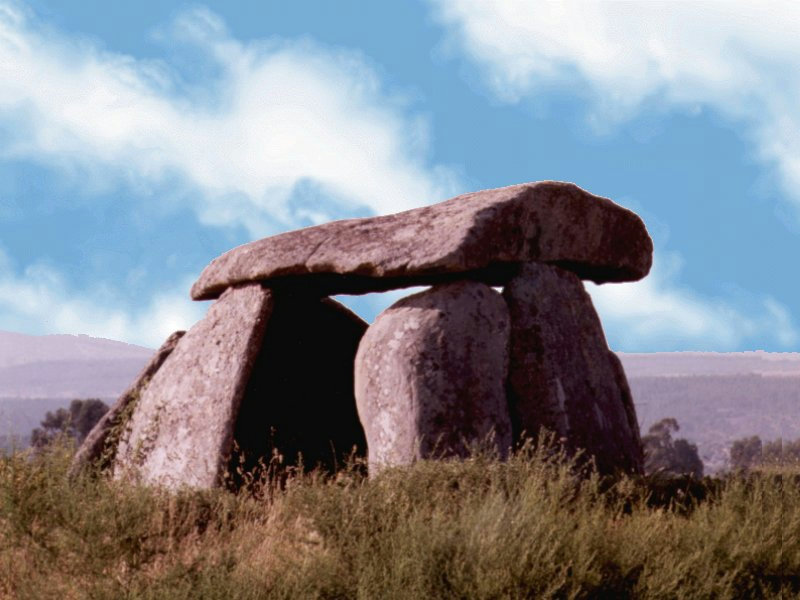
On a plateau of low scrub near Aldeia da Mata, in Portugal's Alto Alentejo, seven granite slabs still carry a single capstone about 4 meters across. This is the Anta do Tapadão, also recorded as the Anta da Aldeia da Mata, a passage tomb built by early farming communities, probably around 3000 BCE. Its roofed chamber has come through some five thousand years largely intact, and since 1910 it has been protected as a National Monument of Portugal.
What is the Anta do Tapadão?
Anta is the Portuguese word for a dolmen, a stone tomb used for collective burial. In the Alentejo a typical anta had a roughly circular chamber of large slabs, covered by a capstone and entered through a low passage. The whole structure was then buried under a mound of earth and stones, called a mamoa, so that from outside it looked like a small hill. The communities that built these tombs laid their dead inside over many generations.
At Tapadão the mound survives only in part and is heavily eroded, though the Crato municipal museum still puts its diameter at about 30 meters. The stone skeleton of the tomb stands exposed. Its chamber is formed by seven granite uprights, some roughly rectangular, others irregular triangles. They reach similar heights but vary a great deal in width and thickness, and while some stand straight, others lean slightly inward. The municipality gives their average height as about 3.5 meters, and its museum puts the chamber at about 3.8 meters high and 4 meters across. One slab is broken, and the museum thinks this was done on purpose, to get into the chamber.
Across the top lies the capstone, a single irregular, rounded slab of granite. The entrance faces east. There, a large slab marks the junction between passage and chamber, a kind of door between the two, and beyond it runs the passage, about 11 meters long according to the museum.
Who built it, and when?
Most antas in the Alentejo were built between the 5th and 3rd millennia BCE by communities of herders and farmers, and the municipality of Crato dates the Anta do Tapadão to around 3000 BCE. The heritage records for the site give no laboratory date, so this is an estimate.
The tomb belongs to the group that archaeoastronomers, who study how ancient peoples watched the sky, call the seven-stone antas, like the two dolmens of the Anta do Olival da Pega near Monsaraz. In a case study for ICOMOS and the International Astronomical Union, Juan Belmonte, Luís Tirapicos and Clive Ruggles describe the type: a backstone set first, then three uprights leaning in on each side. In the measurements gathered by Michael Hoskin and his collaborators, this one faces almost due east. What that direction meant is read in more than one way, and the readings are set out in Beyond.
The chamber was excavated down to the crumbling granite bedrock, and the dig produced many fragments of bone. That stood out: according to Manuel Farinha dos Santos, writing in 1982, this tomb and the anta of Conto da Biscaia were the only ones in the area where relatively numerous bone remains had been found. Reported finds include pottery, polished axes and human and animal bones; some accounts add arrowheads, stone blades, personal ornaments, idol plaques and a crook-shaped plaque known in Portuguese as a báculo.
How the Anta do Tapadão was studied
The Anta do Tapadão has been on the archaeological map for more than 150 years. The national architectural inventory's reading list for the site begins with the 1868 description of Portuguese dolmens by Francisco Pereira da Costa, who held the chair of mineralogy and geology at the Polytechnic School in Lisbon. On 16 June 1910, a government decree classified the tomb as a National Monument.
José Martins wrote about it in 1958 in a manuscript history of the parish of Aldeia da Mata, now in the National Library in Lisbon. Agostinho Isidoro's reports on excavations in the dolmens of Crato, published in 1966 and 1970, the second in the journal of the Institute of Anthropology in Porto, are among the main archaeological sources. According to the Crato municipal museum, the finds from his excavations are now kept at the Science Museum of the Faculty of Sciences in Porto. In 1984 Portugal's national buildings and monuments directorate planned a stone wall to reinforce the inside of the chamber, along with clearing the vegetation and fencing the site.
Visiting the Anta do Tapadão
The tomb lies about 2 km from the village of Aldeia da Mata and about 10 km from Crato, some 300 meters from the EN 363 road, in the district of Portalegre. It stands on its own in open country. The municipality of Crato singles it out, with the Anta do Crato, as the most notable of the area's prehistoric monuments, and lists other dolmens in the region that can be visited, among them the Anta da Espanadeira, the megalithic cemetery of Vale d'Anta, the Anta do Couto dos Enchares and the Anta dos Penedos de São Miguel. As a National Monument, the tomb is protected by law.
Beyond: more about Anta do Tapadão
Checking…
Contributors
No contributions yet
Be the first to add photos or videos!
Play and learn
Test Your Knowledge!
Think you know everything about Anta do Tapadão? Take our interactive quiz and become an Ancient Sites Expert!
Frequently asked questions
How old is the Anta do Tapadão?
The municipality of Crato dates it to around 3000 BCE, making it about 5,000 years old. The date is an estimate; the heritage records for the site give no laboratory date.
Where is the Anta do Tapadão?
It is near the village of Aldeia da Mata in the municipality of Crato, Portalegre district, about 10 km from Crato and some 300 meters from the EN 363 road.
Is the Anta do Tapadão a National Monument?
Yes. It was classified as a National Monument by a government decree of 16 June 1910. The national inventory also records it as the Anta da Aldeia da Mata.
What was found inside the Anta do Tapadão?
The chamber was excavated down to the bedrock and produced numerous bone fragments. Reported finds include pottery and polished axes, and some accounts add arrowheads, blades, ornaments and idol plaques.
Is the Anta do Tapadão the largest dolmen in Portugal?
The municipality of Crato calls it the second largest. Portugal's heritage agency describes the Anta Grande do Zambujeiro near Évora as the largest, and rankings depend on how size is measured: chamber height, capstone, passage or mound.
Does the Anta do Tapadão face the sunrise?
Its entrance faces almost due east, at about 91 degrees in measurements gathered by Michael Hoskin. All 177 seven-stone antas measured face the arc of sunrise; whether the builders watched the sun or the full moon is still debated.
Related Tags
Sources
- cm-crato.pt/locais/anta-do-tapadao
- cm-crato.pt/visitar/o-que-fazer/monumentos
- pt.wikipedia.org/wiki/Anta_do_Tapad%C3%A3o
- pt.wikipedia.org/wiki/Francisco_Ant%C3%B3nio_Pereira_da_Costa
- cm-evora.pt/wp-content/uploads/2020/05/ZEPantaGrandeZambujeiro.pdf
- diariodarepublica.pt/dr/detalhe/portaria/167-2013-966926
- uniarq.net/uploads/4/7/1/5/4715235/_goncalvese_sousa_2000.pdf
- cm-crato.pt/museu-municipal-english-translation/?lang=en
- megalithic.co.uk/article.php?sid=26149
- web.astronomicalheritage.net/images/astronomicalheritage.net/documents/ts2/TS2-03-7SAs.pdf
- ciuhct.org/en/members/former/candido-marciano-da-silva
Other Sites You Might Like
 Portugal
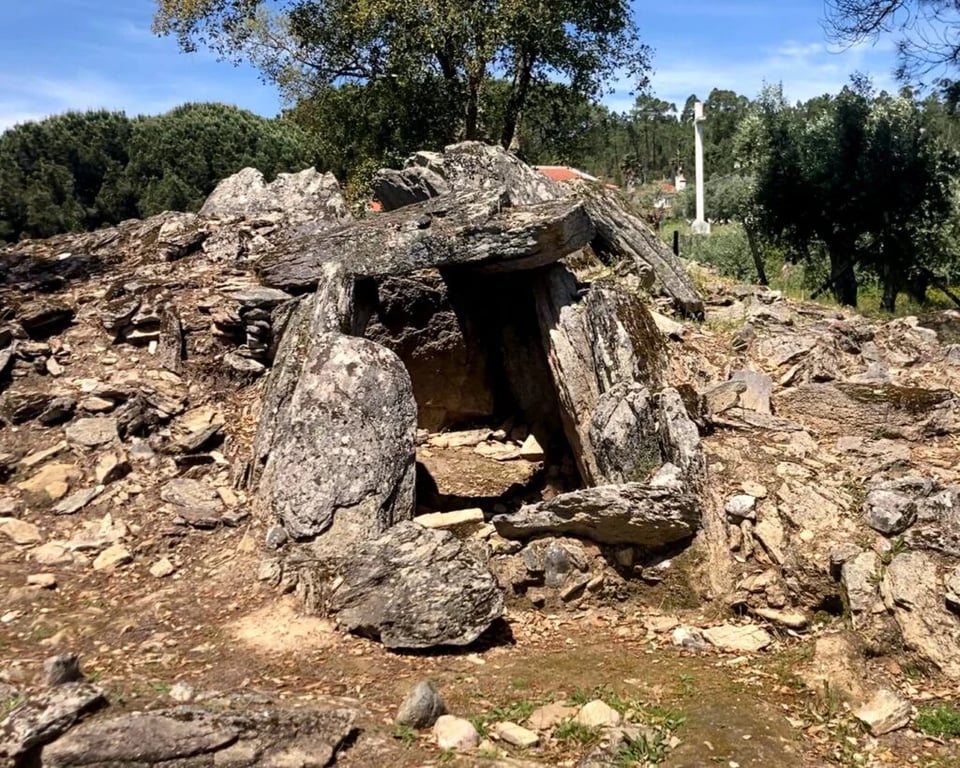
Anta do Vale da Laje
A five-sided stone chamber near Tomar, where Neolithic pots held the first direct traces of milk and dairy found in Iberia.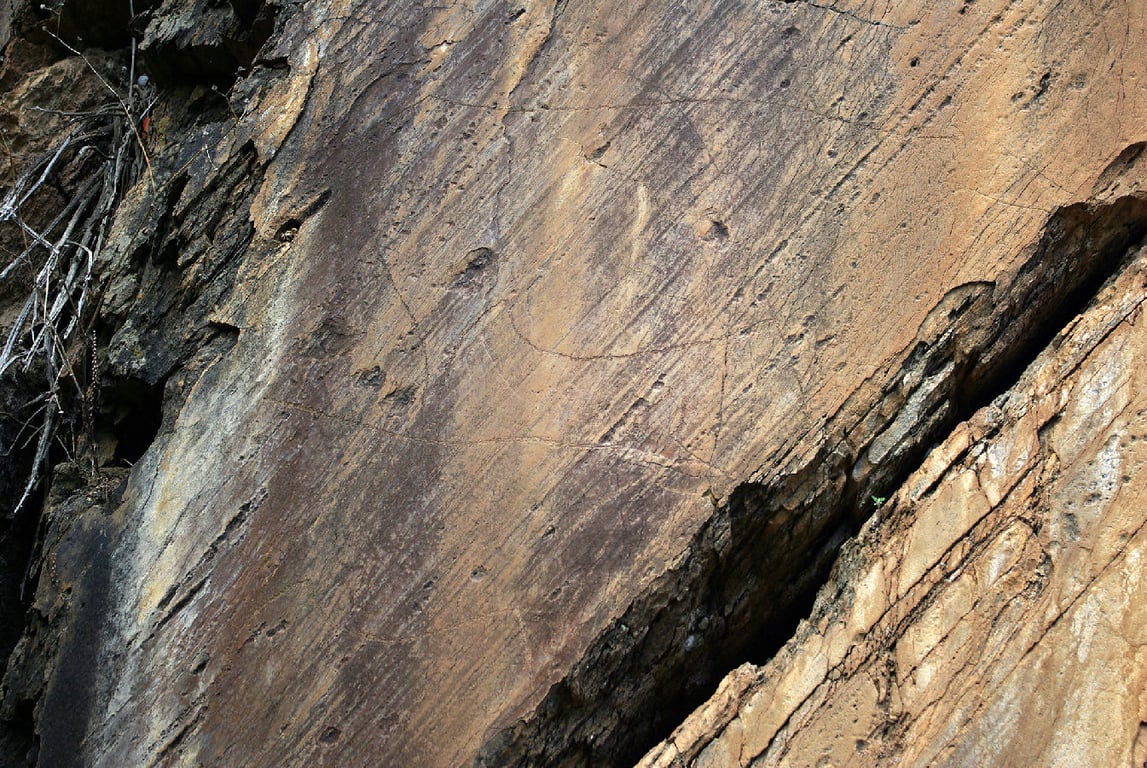 Portugal
Côa Valley Prehistoric Rock Art
Horses, aurochs and ibex engraved on riverside schist, saved from a dam's reservoir in the 1990s, their age still debated.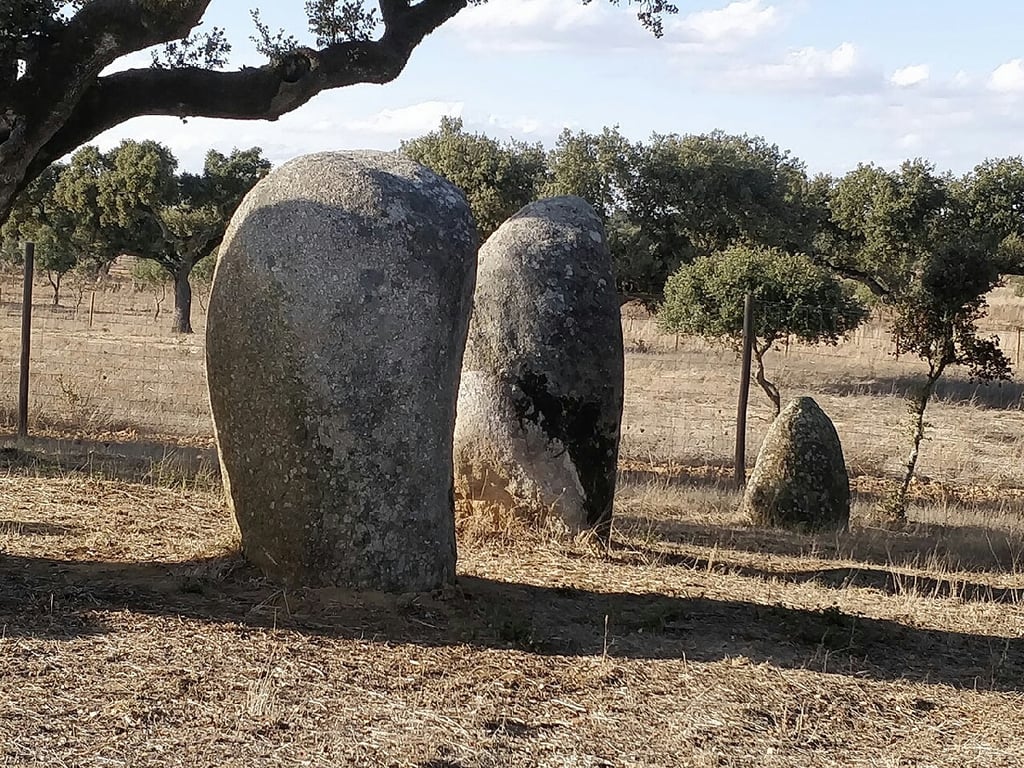 Portugal
Cromeleque de Vale Maria do Meio
Thirty-four granite menhirs in a horseshoe open to the east, on a low rise northwest of Évora, set upright again by volunteers in 1995.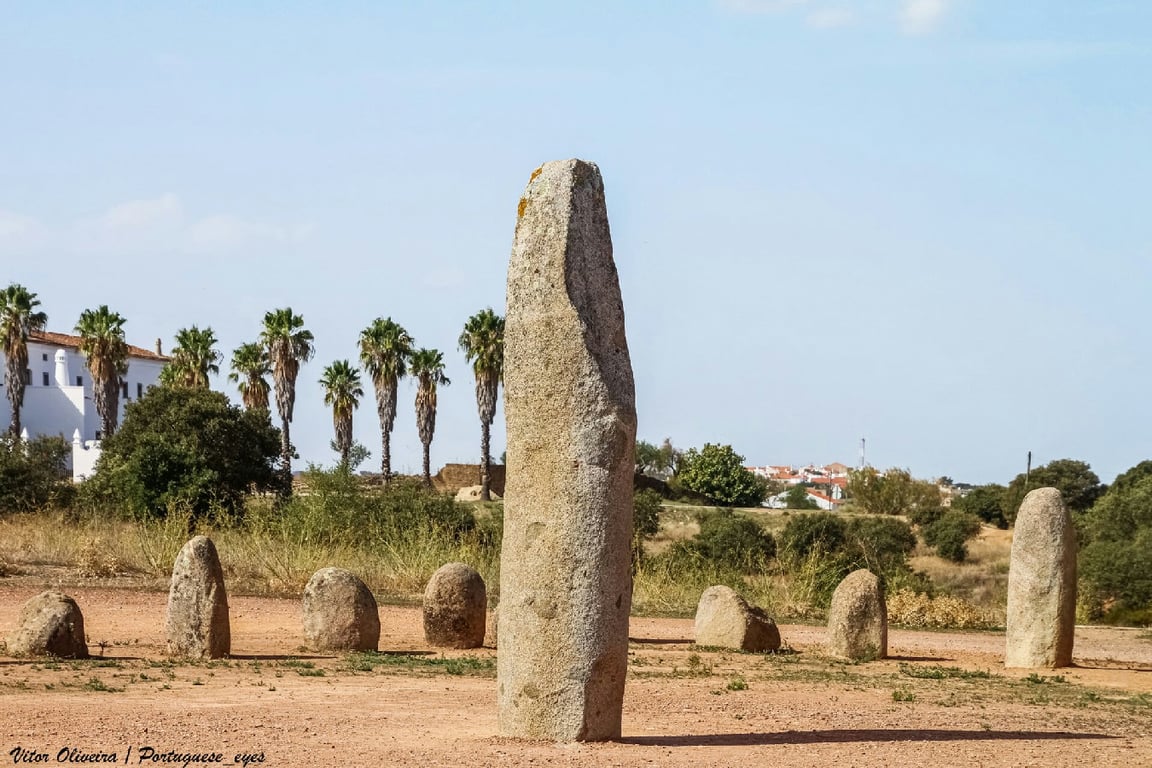 Portugal
Cromeleque do Xarez
Granite stones set in a square around a phallic menhir, moved from the Alqueva reservoir and rebuilt below Monsaraz in 2004.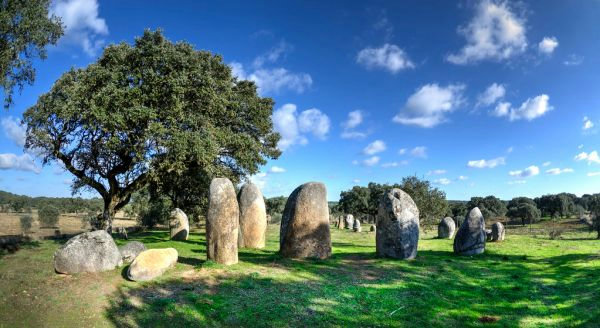 Portugal
Cromeleque Portela dos Mogos
Some forty granite stones in a double oval on an east-facing hill near Évora, a few carved with round-eyed faces.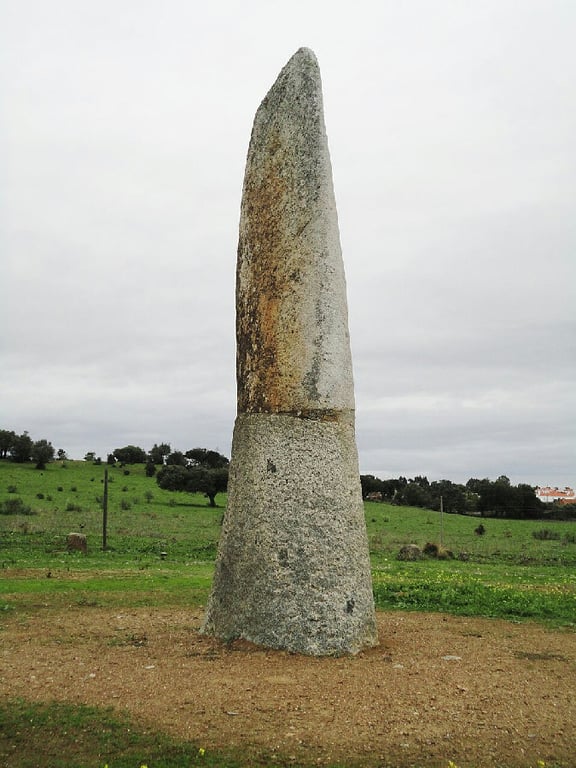 Portugal
Menir da Bulhoa
A broken menhir near Monsaraz carved with a rayed sun, a crook and wavy lines, its lost base once reused in a press.