Anta do Vale da Laje
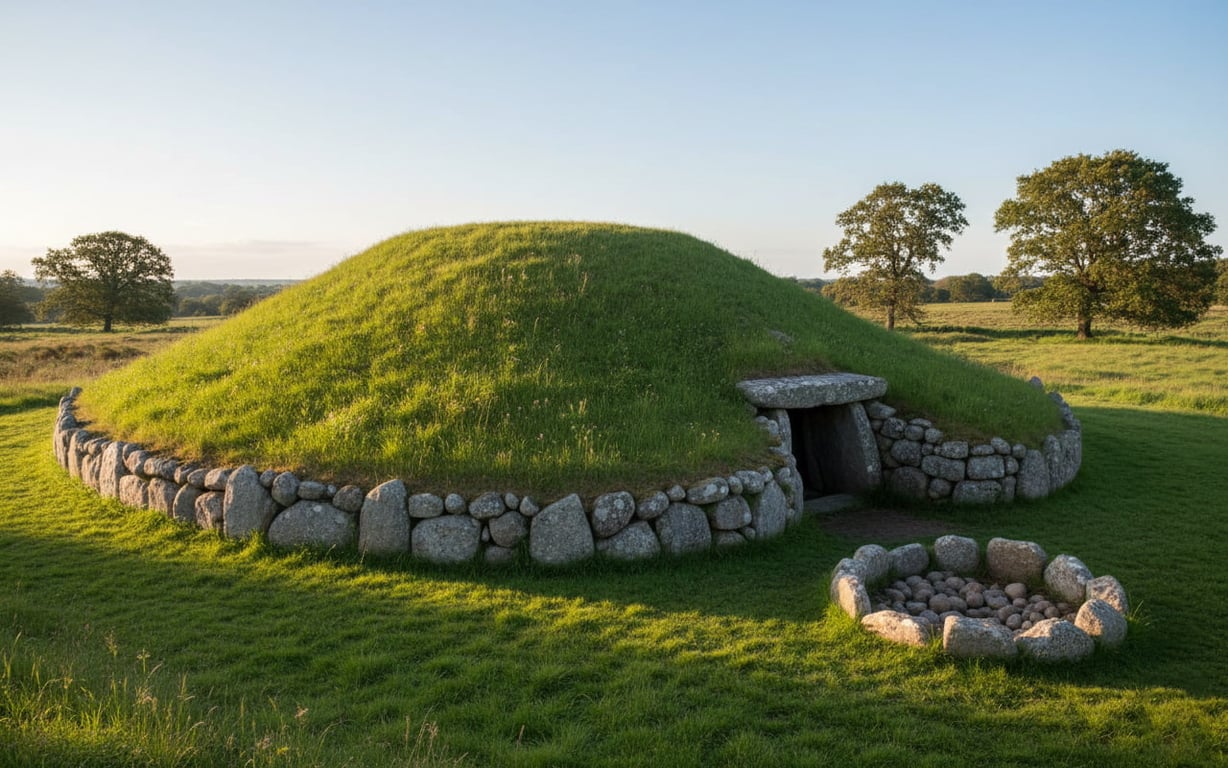
Anta do Vale da Laje: a Neolithic chamber, etched into the landscape, offering a glimpse into prehistoric communal design.
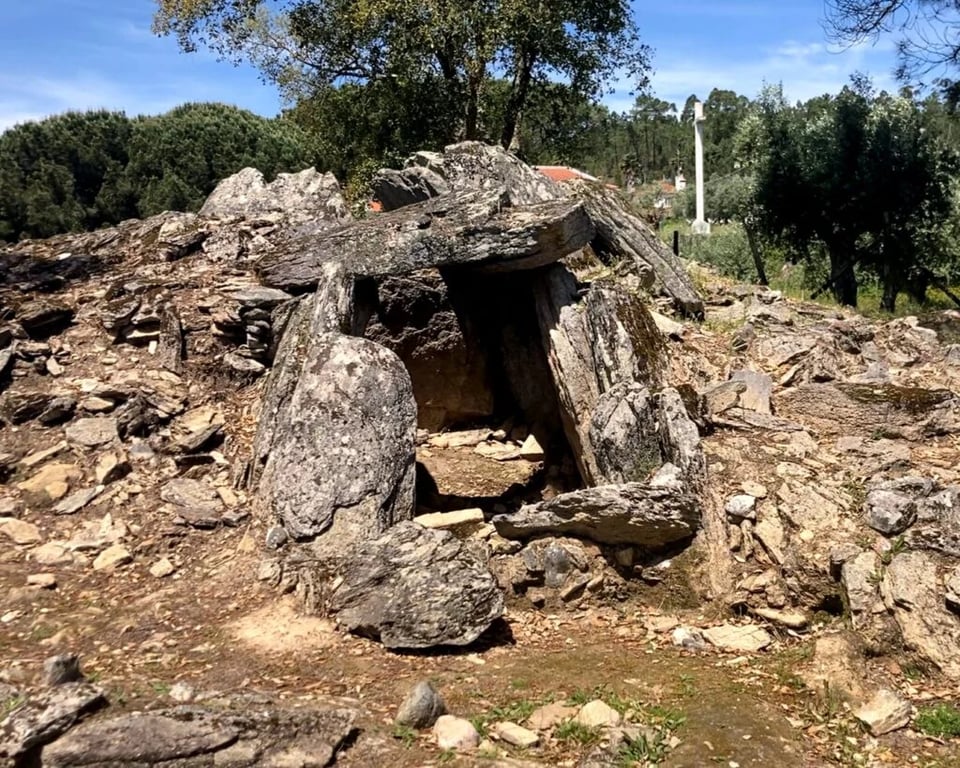
Nestled within the picturesque landscape of central Portugal, the Anta do Vale da Laje stands as a monumental testament to Neolithic engineering and funerary practices.
This significant megalithic tomb, located in the parish of Serra e Junceira, Tomar Municipality, Santarém District, offers a captivating glimpse into the lives, beliefs, and societal structures of prehistoric communities who shaped the Iberian Peninsula more than five millennia ago.
As one of many dolmens scattered across the Ribatejo region, it represents a crucial link in understanding the widespread megalithic phenomenon that characterized parts of Europe during the Late Stone Age and early Bronze Age.
Historical Background
The construction of the Anta do Vale da Laje dates back primarily to the Late Neolithic period, approximately between 4000 and 2500 BCE. This era witnessed a profound societal transformation, characterized by the adoption of agriculture, the establishment of more settled communities, and the emergence of complex burial rituals.
Megalithic builders, using rudimentary tools but sophisticated understanding of physics and monumental construction, erected these impressive structures for collective burials. The Anta do Vale da Laje would have served as a sacred space, a final resting place for community members, and likely a focal point for ancestral worship and communal gatherings, reinforcing social cohesion and territorial claims among the early agriculturalists of the region.
Notable Features
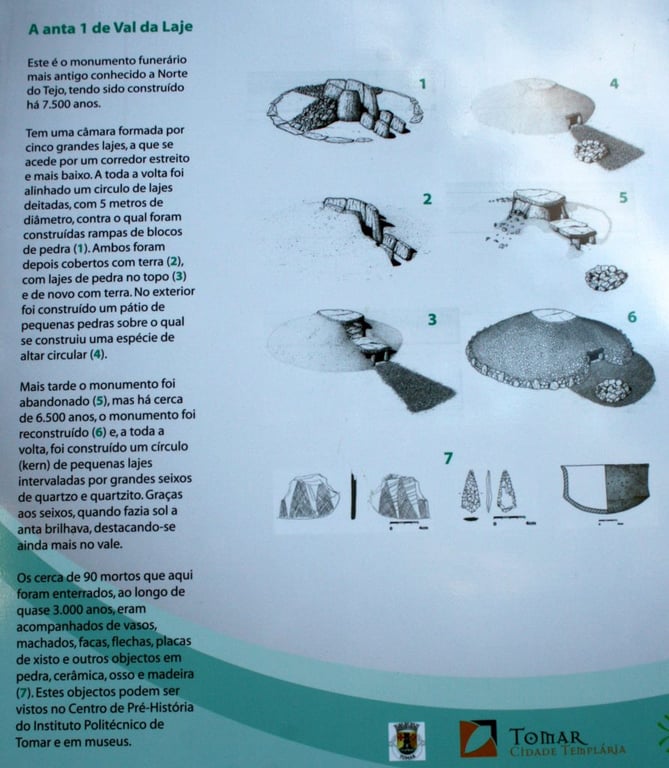
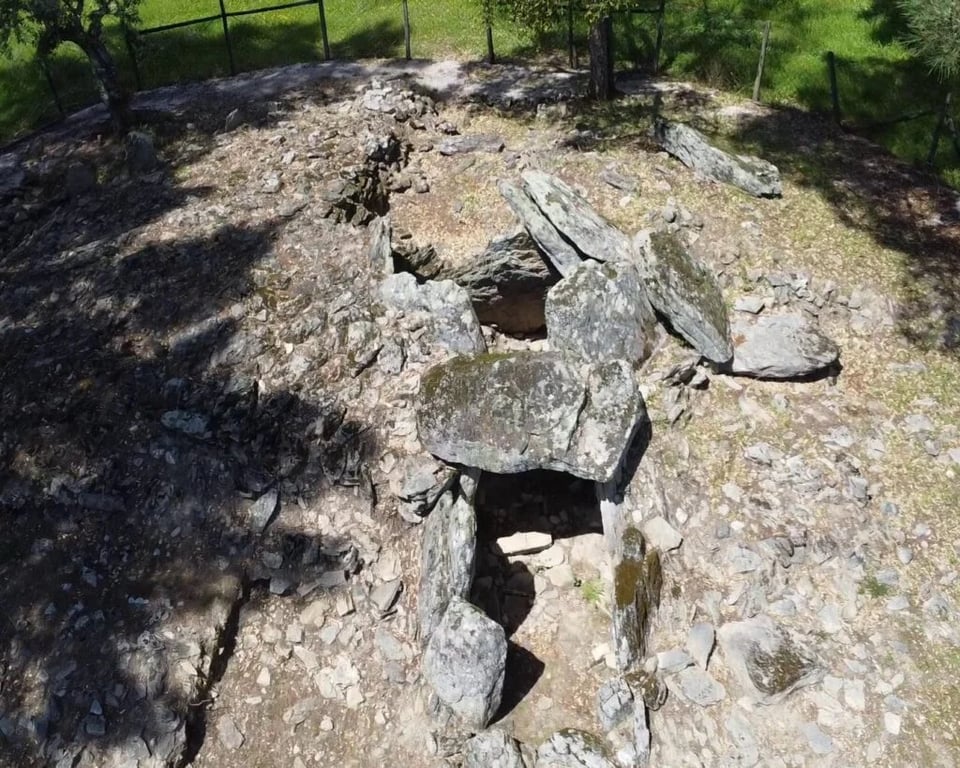
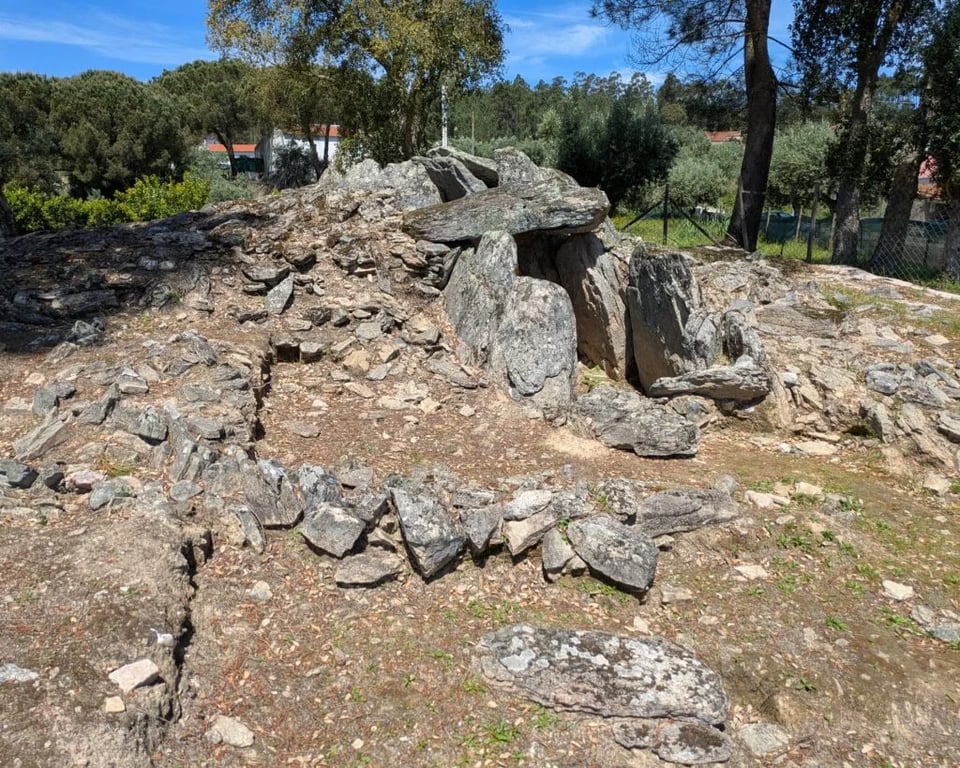
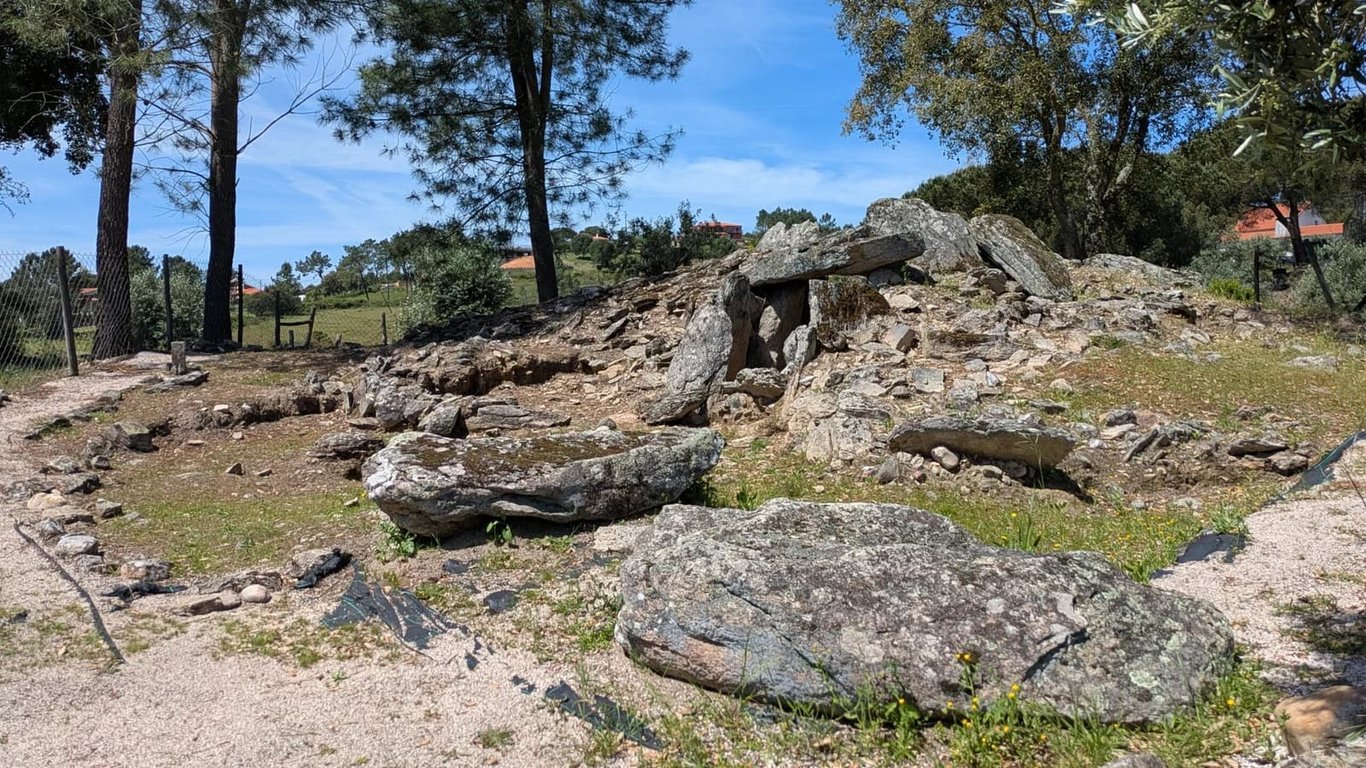
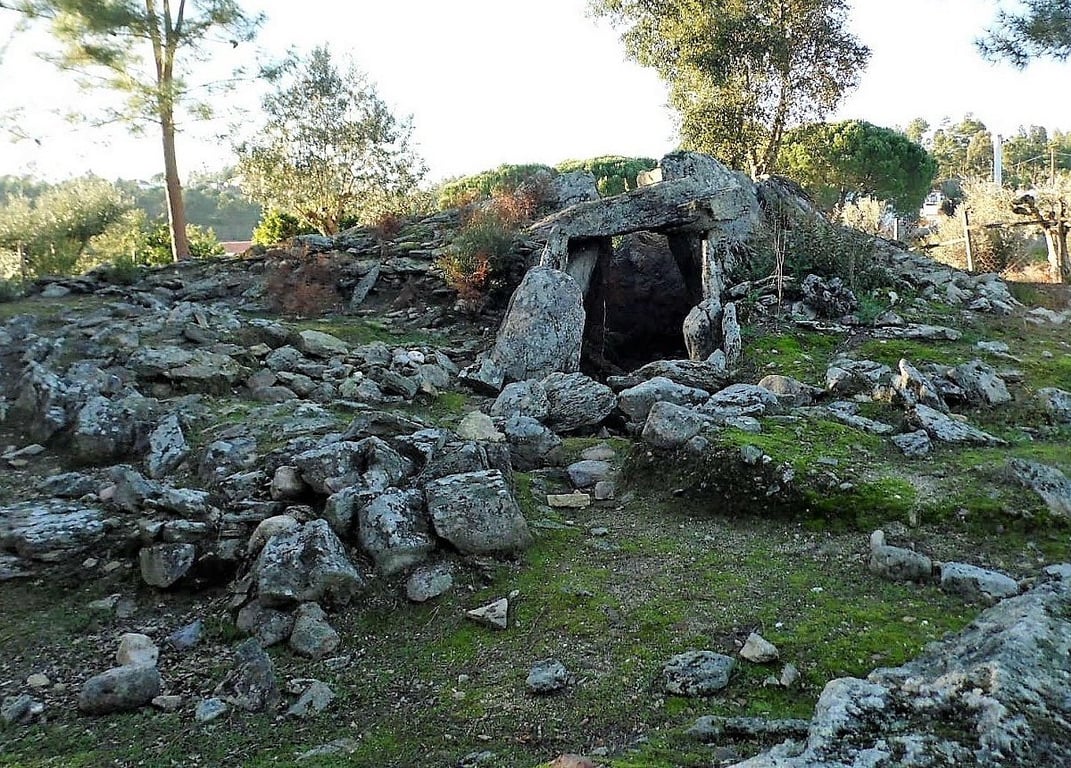
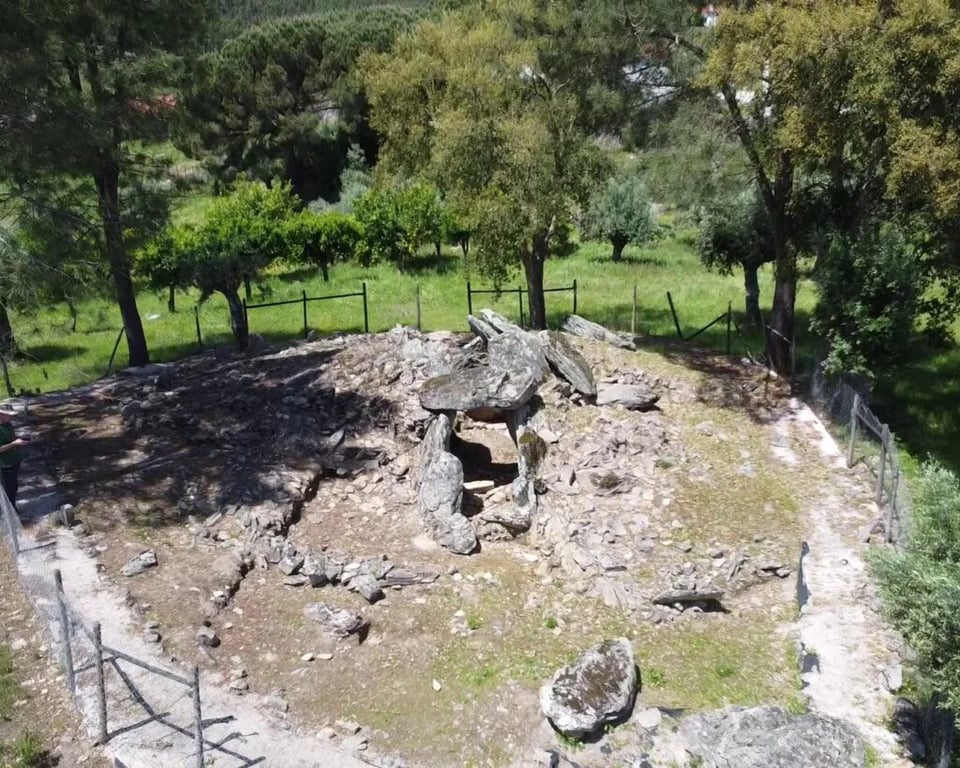
The Anta do Vale da Laje exemplifies the classic architecture of a passage dolmen, a common type of megalithic tomb in Iberia. It typically consists of a polygonal burial chamber accessed by a distinct, often elongated, passage. While time and natural erosion have taken their toll, the core elements of the tomb remain identifiable. Large, roughly hewn granite slabs, known as orthostats, define the chamber and passage.
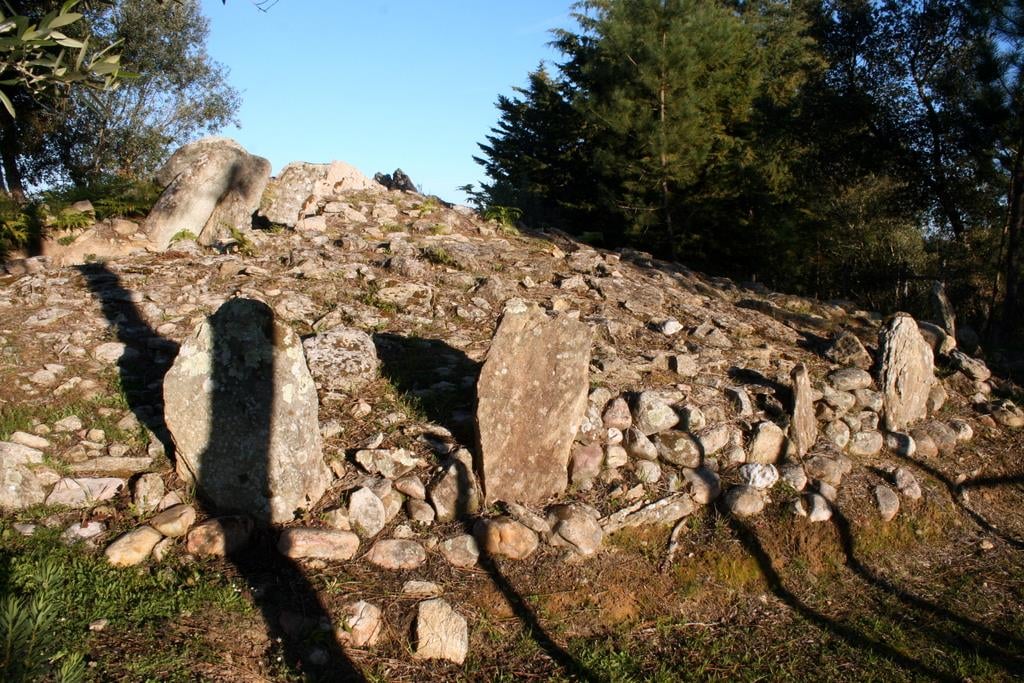
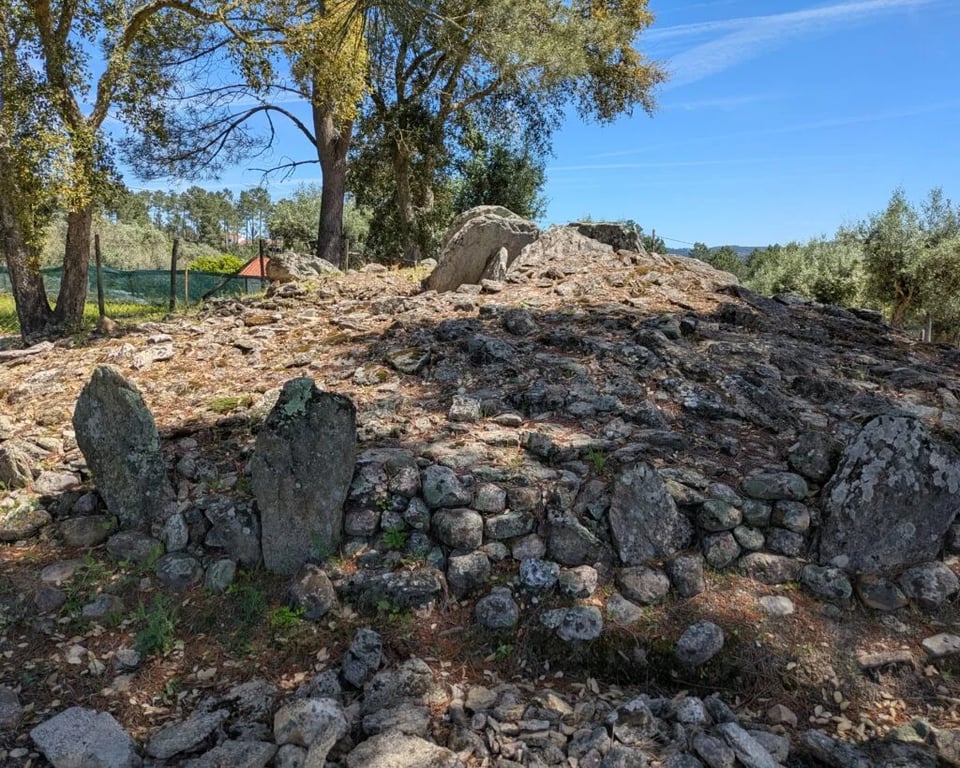
Originally, these would have been covered by a massive capstone, creating an enclosed space, and the entire structure would have been encased within an earthen mound, or tumulus. Archaeological investigations have revealed fragments of various materials within similar anitas, hinting at rich grave goods that would have accompanied the deceased, although detailed findings specific to Vale da Laje are often subject to ongoing interpretation and past research methodologies.
Cultural & Archaeological Importance
The Anta do Vale da Laje holds immense cultural and archaeological importance. It is a tangible link to a prehistoric past, providing invaluable insights into funerary customs, architectural capabilities, and the symbolic cosmology of Neolithic societies. The sheer effort required to quarry, transport, and erect these massive stones speaks volumes about the organized labor, leadership, and shared spiritual beliefs within these ancient communities.
Such megalithic monuments are not merely tombs; they are monumental expressions of identity, territorial markers, and sacred landscapes that continued to hold significance for succeeding generations. Studying sites like Vale da Laje helps archaeologists reconstruct trade networks, societal hierarchies, and the evolution of religious thought in prehistoric Portugal.
Preservation & Current State
Like many ancient monuments, the Anta do Vale da Laje faces ongoing challenges related to preservation. Exposure to the elements, agricultural activity, and sometimes, past unauthorized exploration, have all contributed to its current state. Recognizing its historical value, efforts are often made by local and national heritage bodies to protect and conserve such sites.
While some megalithic structures are extensively restored, many like Anta do Vale da Laje are left to endure the passage of time, allowing visitors to experience them in a more natural, weathered state. Interpretive signage, where available, helps visitors understand the significance of this ancient monument, encouraging respect and appreciation for this profound piece of human history.
While often celebrated as a prime example of Neolithic funerary architecture, the Anta do Vale da Laje harbors shadows of its past far deeper and more enigmatic than its conventional archaeological descriptions suggest.
Lesser-known Historical Facts
Delving past its ceremonial function, some researchers propose that Anta do Vale da Laje, like many megalithic structures in the region, may have served a dual purpose as an ancient astronomical observatory. While precise alignments with solstices and equinoxes are often contested, compelling evidence exists for particular sightlines within its chamber pointing towards significant celestial phenomena, suggesting a profound understanding of the cosmos. Was it merely a tomb, or a meticulously designed calendar etched in stone, tracking cycles far beyond human lifespan?
Legends & Folk Tales
The ‘Stone Weepers’ of Valley of the Slab
Local folklore around Anta do Vale da Laje speaks of the "Stone Weepers" – a curious tradition suggesting that on certain moonless nights, the dew collected on the capstone gathers in such a way as to appear like tears streaming down its ancient face.
These 'tears' are said to possess potent healing properties if collected before dawn, hinting at an enduring animistic belief system where the megalith itself is a sentient, grieving entity, echoing the sorrows of ages past. Is this just poetic fancy, or a distant memory of rituals performed at the site?
Controversies
A persistent, albeit unsupported, theory posits that the specific geological composition of the stones used at Anta do Vale da Laje may have been intentionally chosen for their subtle piezoelectric properties.
This suggests that the very act of constructing and sealing these chambers might have created an environment capable of generating low-frequency electromagnetic fields, possibly affecting consciousness or enhancing ritualistic experiences for those within. While dismissed by mainstream archaeology, the question remains: were the properties of the stone itself part of its intended power?
Mysterious Connections
Another intriguing, yet unverified, connection often whispered among local historians is a possible subterranean link between Anta do Vale da Laje and other nearby megalithic sites. While no visible tunnels or passages have been discovered, legends persist of unseen energy conduits or "leys" connecting these ancient monuments, functioning as a primordial network for the transmission of unknown forces or information across the landscape.
Could the distribution of these dolmens be more than mere coincidence, pointing towards a grander, unified purpose we are only beginning to comprehend?
Anta do Vale da Laje — photo gallery
Anta do Vale da Laje — collectible cards
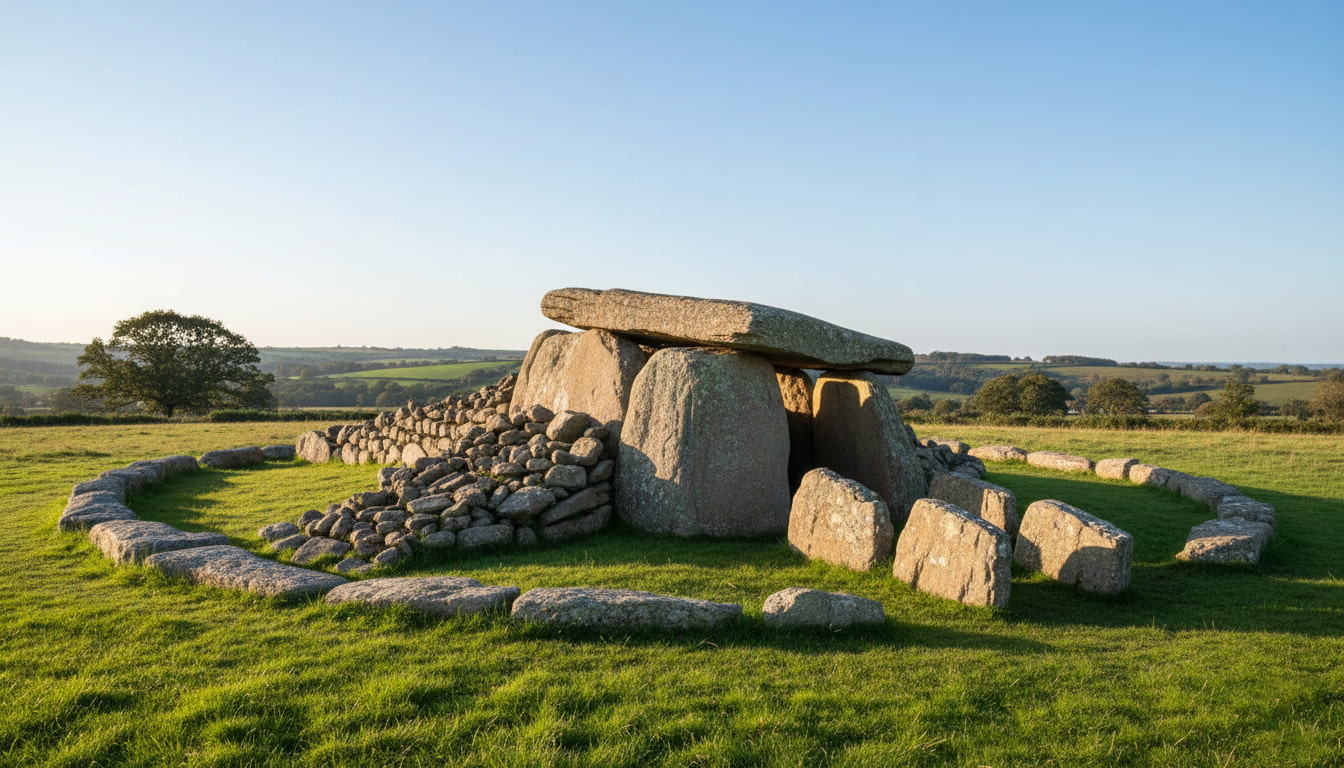
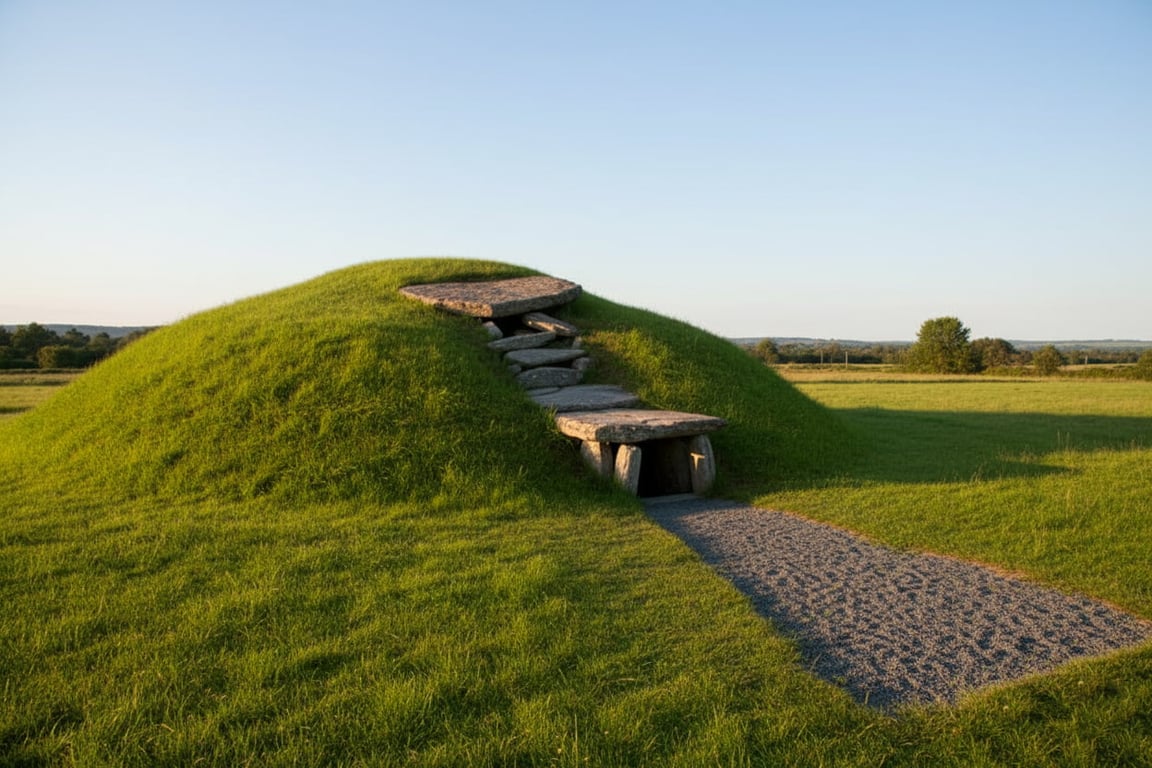
Collectible cards for this site — AI-generated illustrations from our memory game, not photographs of the site.