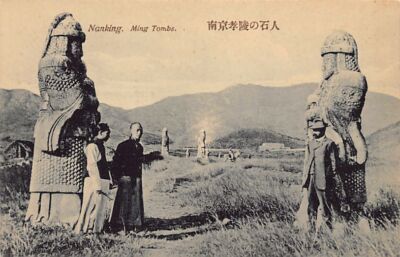
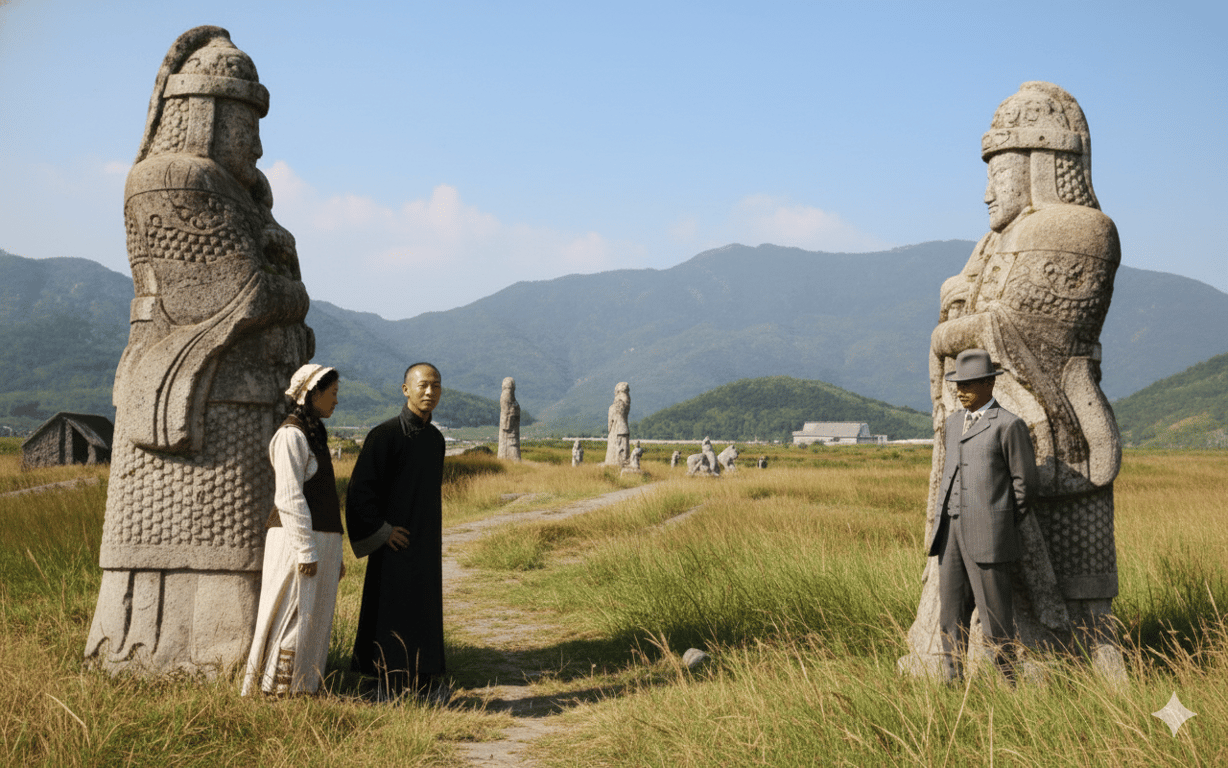
The Revived Atlas is a growing collection of historic vintage photographs of ancient and heritage sites, each paired with an AI-restored and colourised version. Side by side, the pairs show these places as the camera recorded them and as they would have looked in colour at the time.
Every restoration keeps the original frame intact — no elements are added or removed. Colour, contrast, and detail are recovered from the archive photograph so the site reads as it once did in daylight.
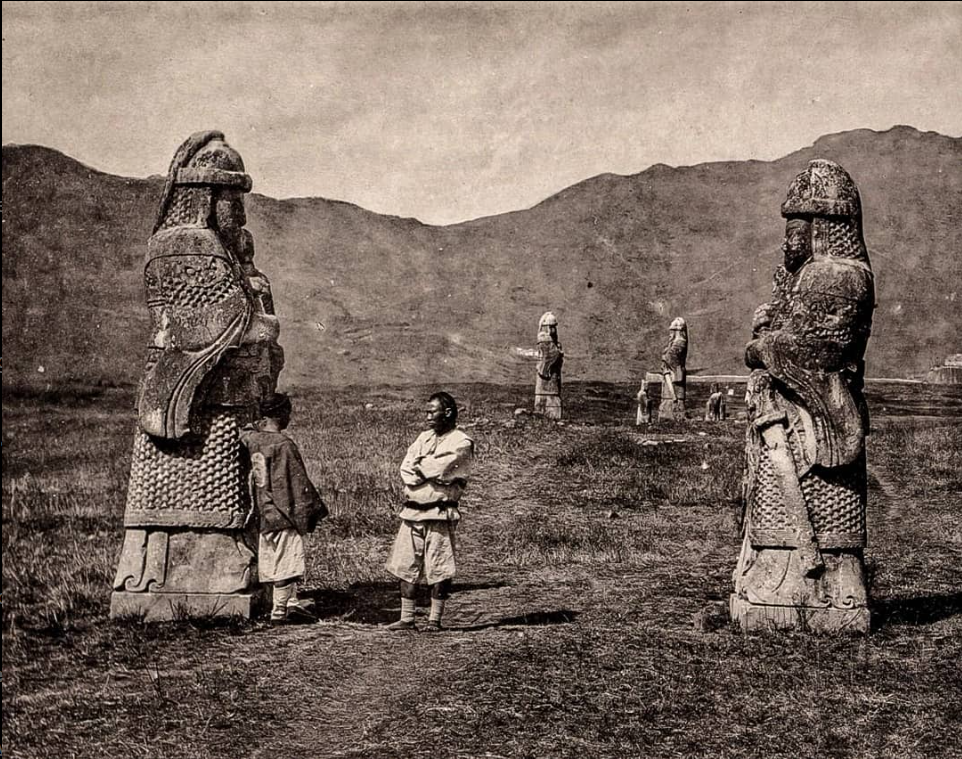
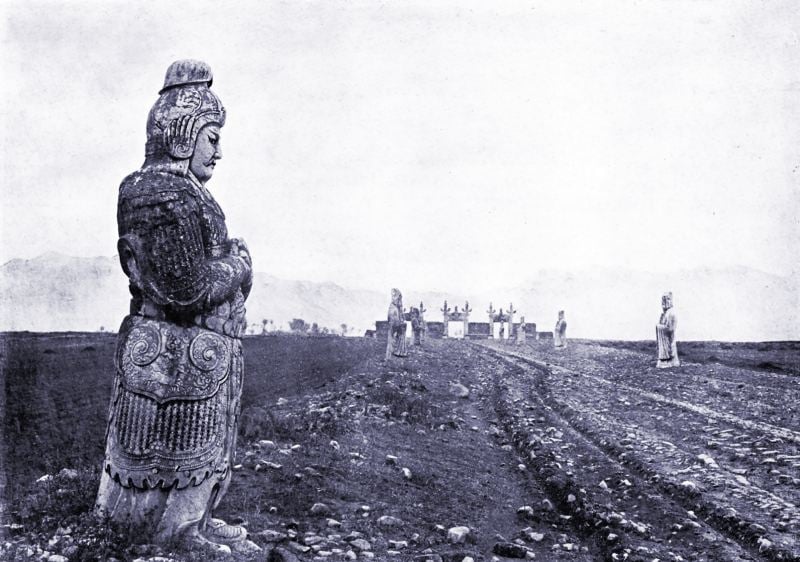
Original vintage photograph
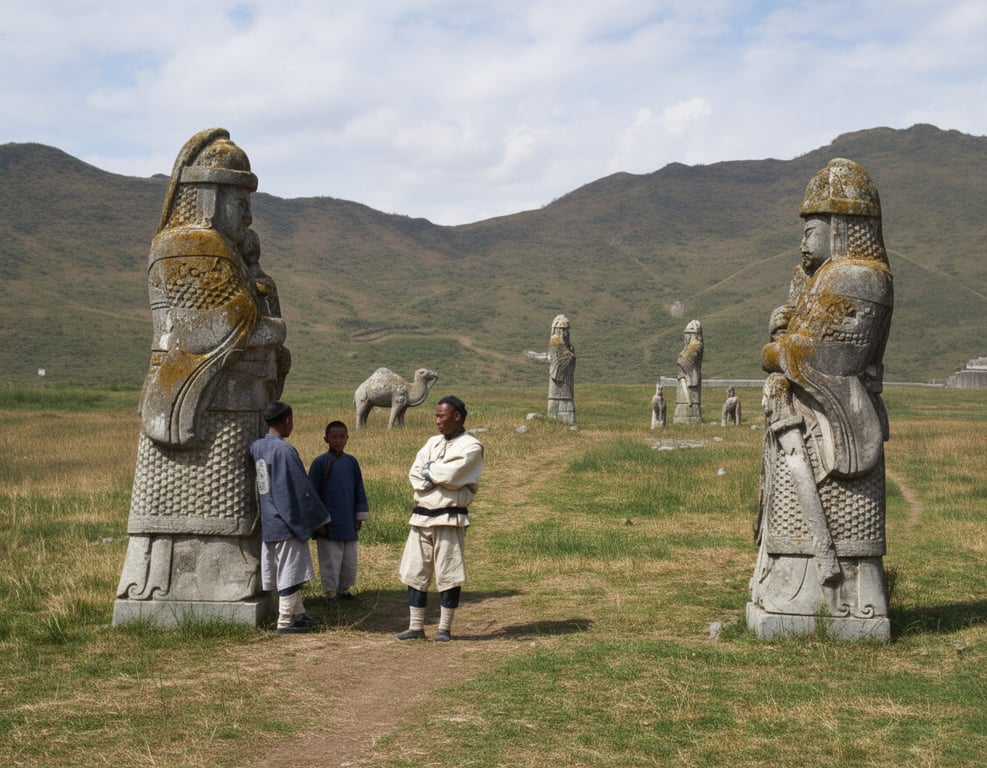
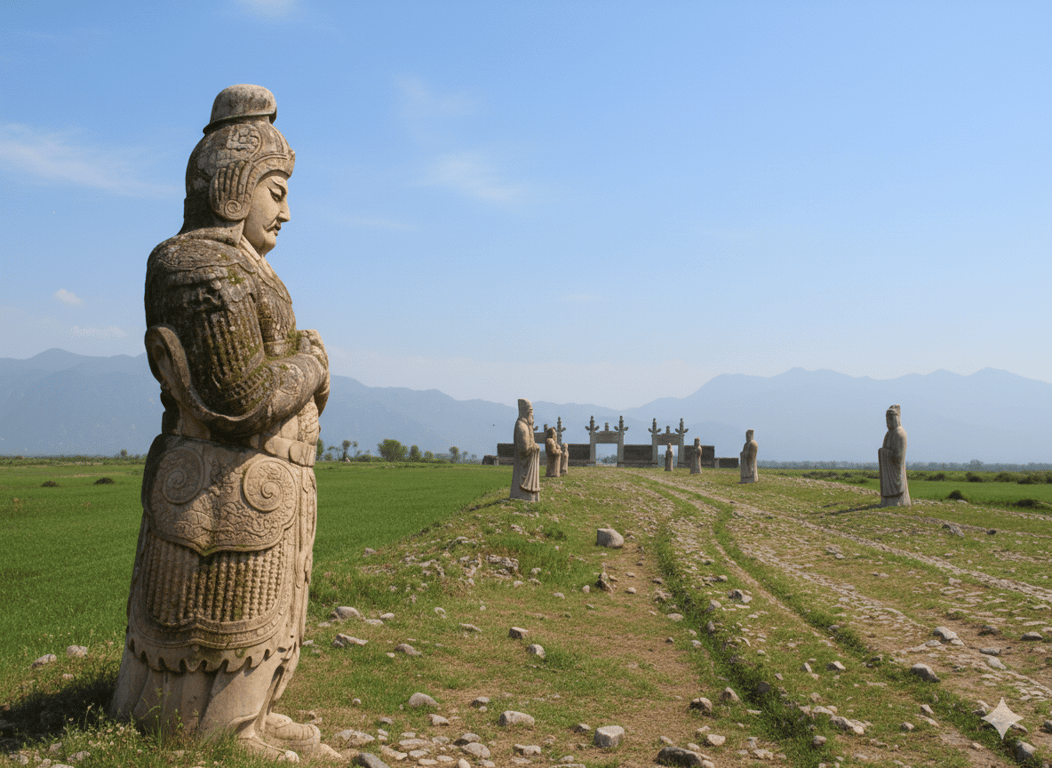
AI restored colour version
statues of the Honor Guard along the Sacred Way leading to the Ming Tombs — These tombs are a collection of mausoleums serving as the final resting places for 13 of the 16 emperors of the Ming Dynasty, which ruled China from 1368 to 1644. The Ming Tombs are located at the foot of Tianshou Mountain, about 50 kilometers north of Beijing. The Sacred Way is a long, straight…
Original vintage photograph
AI restored colour version
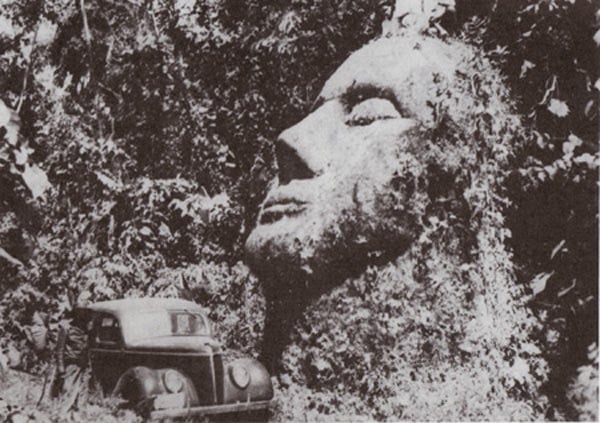
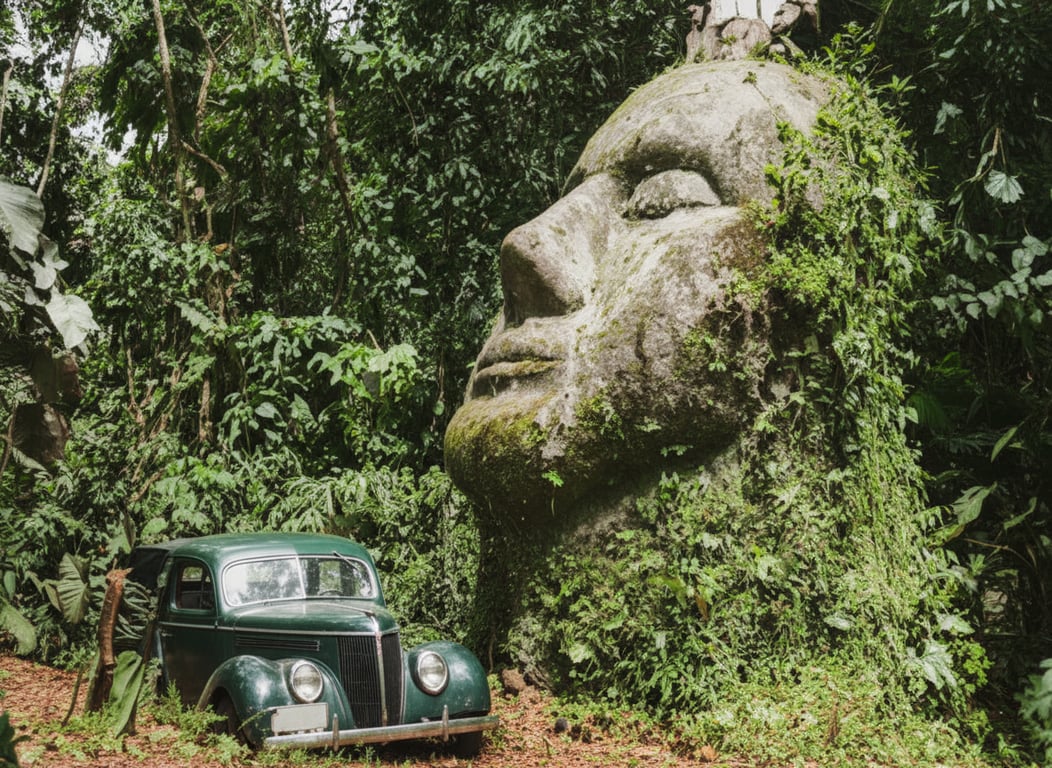
Guatemala Stone Head — The stone head is a massive monolithic sculpture with fine facial features that do not match any known pre-Hispanic civilization, such as the Maya, Aztec, or Olmec. It was reportedly used for target practice by the revolutionary regime at the time and was significantly damaged before the photos…
Original vintage photograph
AI restored colour version
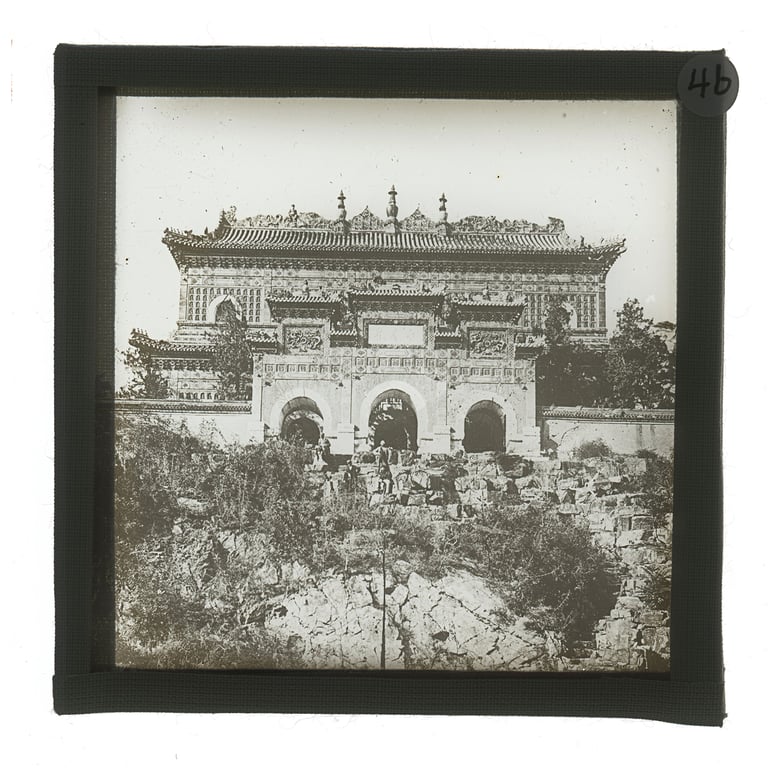
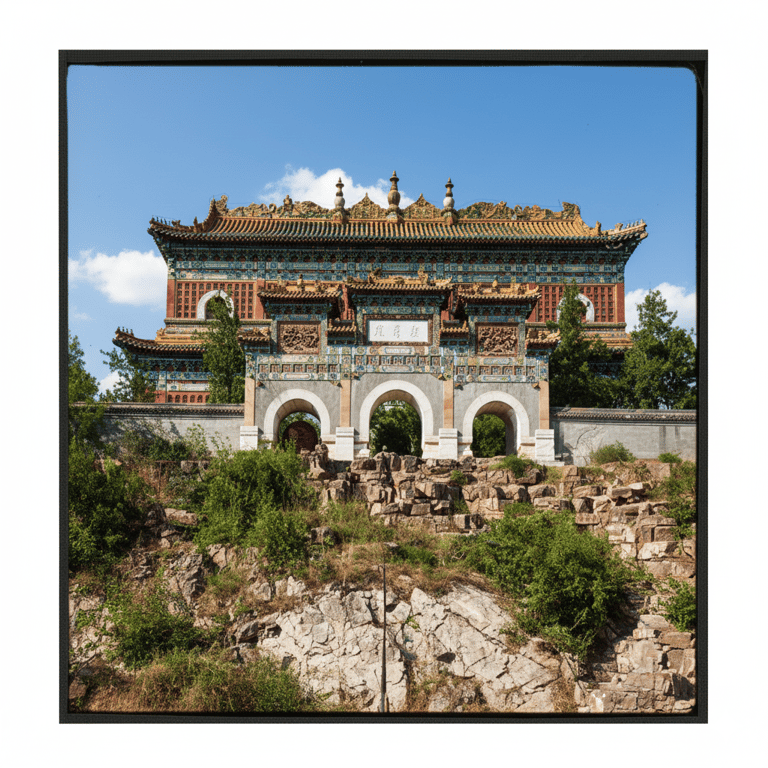
Ming Tomb Changping — Entrance to one of the emperor's tombs
Original vintage photograph
AI restored colour version
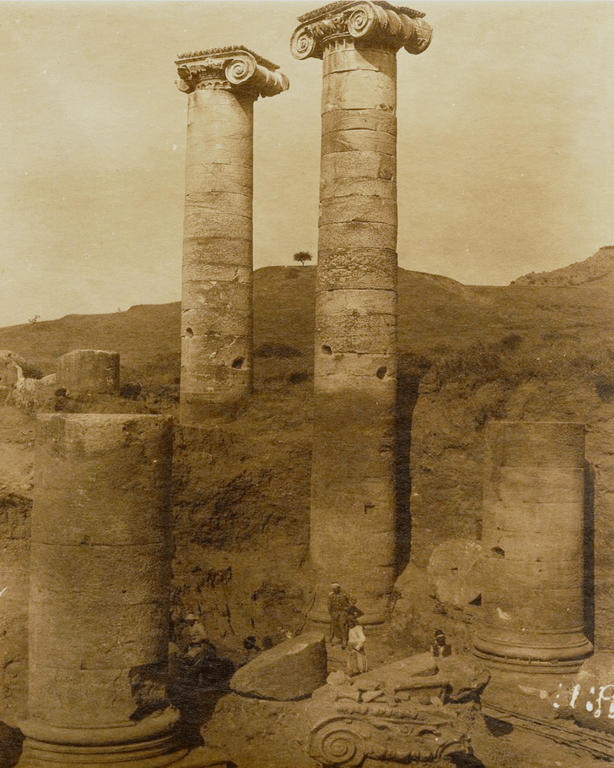
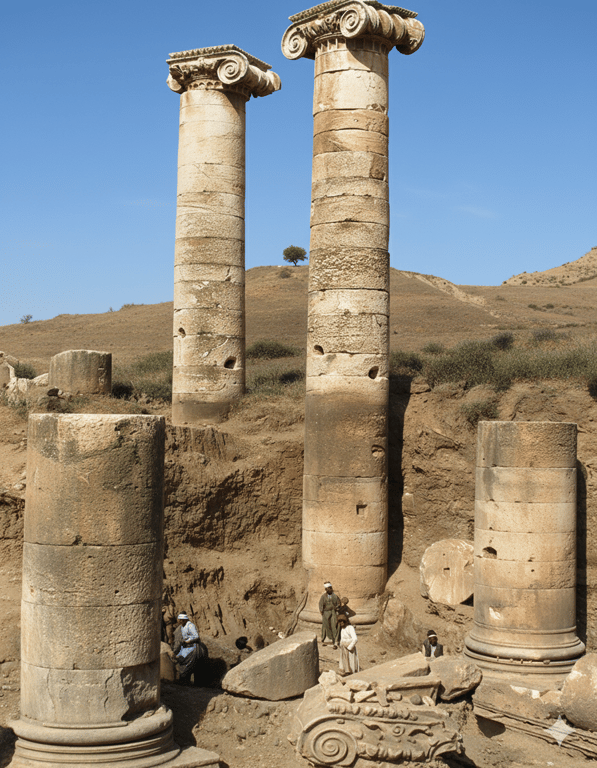
Temple of Artemis — The image showcases early 20th-century efforts to reveal this monumental structure’s remains, highlighting the meticulous work of archaeologists, at present-day Sardis, in Turkey.
Original vintage photograph
AI restored colour version
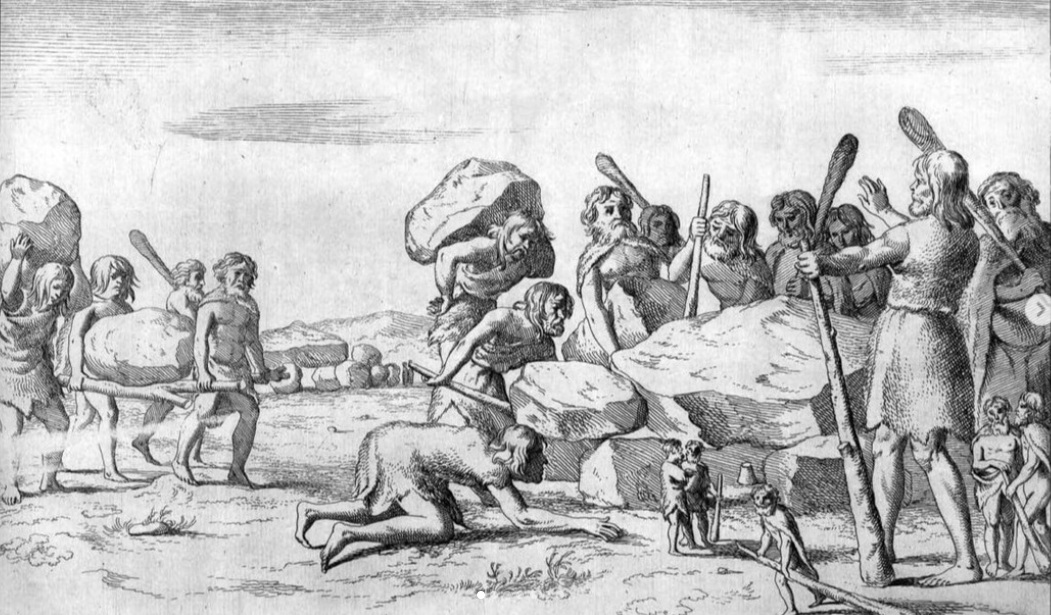
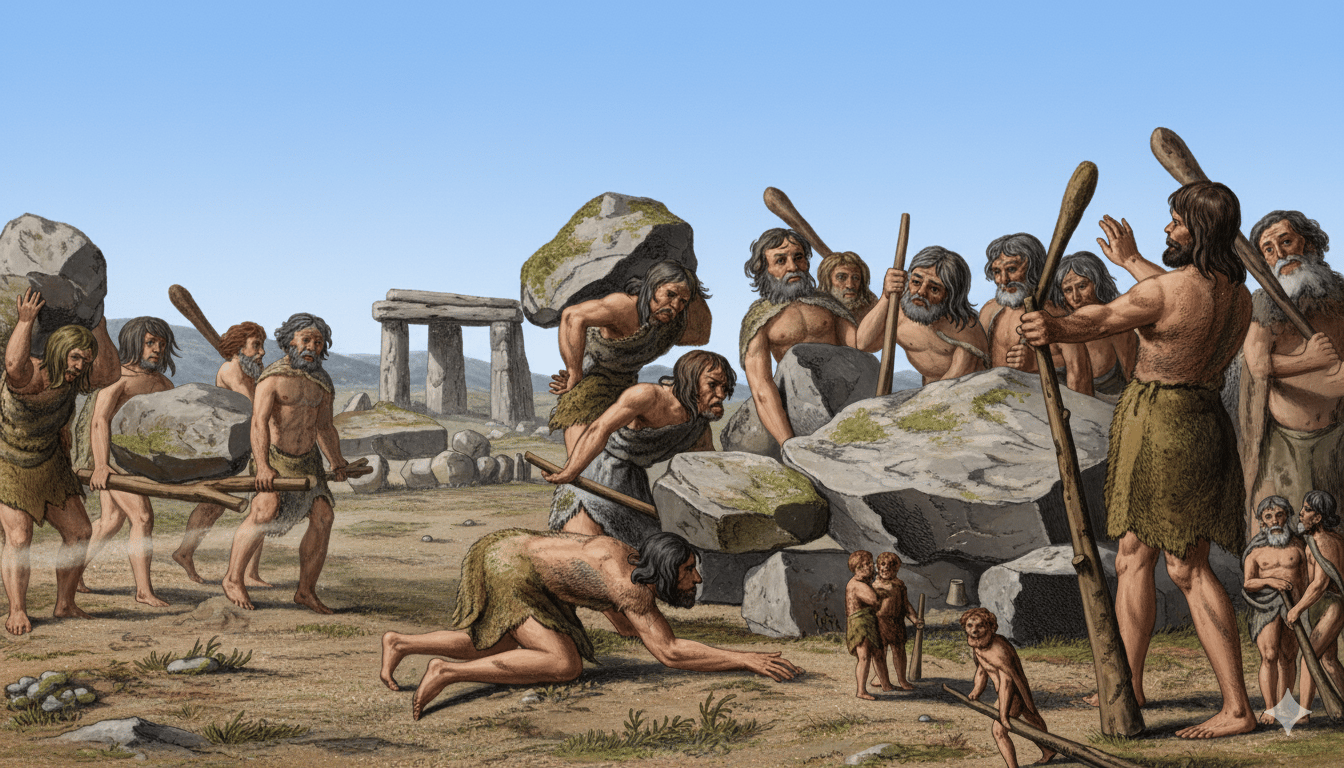
Copper plate engraving in Antiquiteten showing giants building a megalithic structure — Giants building dolmens in Drenthe (Drenthe) The Netherlands. Drawing by Johan Picard 1600’s
Original vintage photograph
AI restored colour version
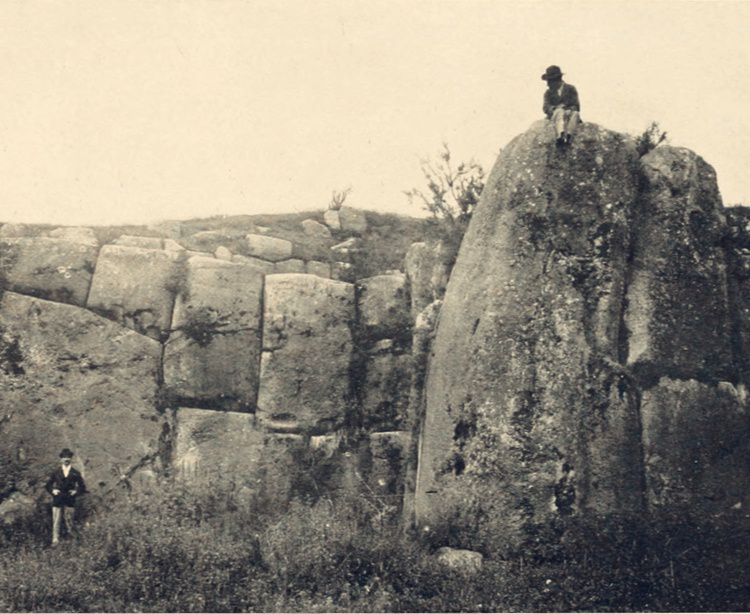
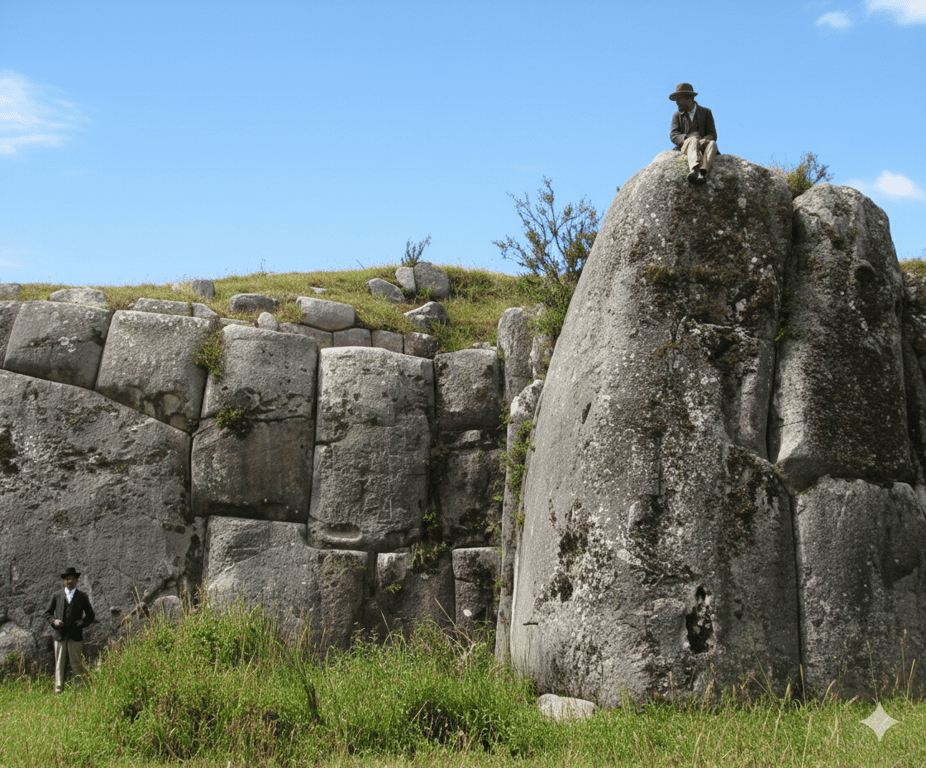
Sacsayhuamán — Scenes from Every Land, second series; a collection of 250 illustrations picturing the people, natural phenomena, and animal life in all parts of the world.
Original vintage photograph
AI restored colour version
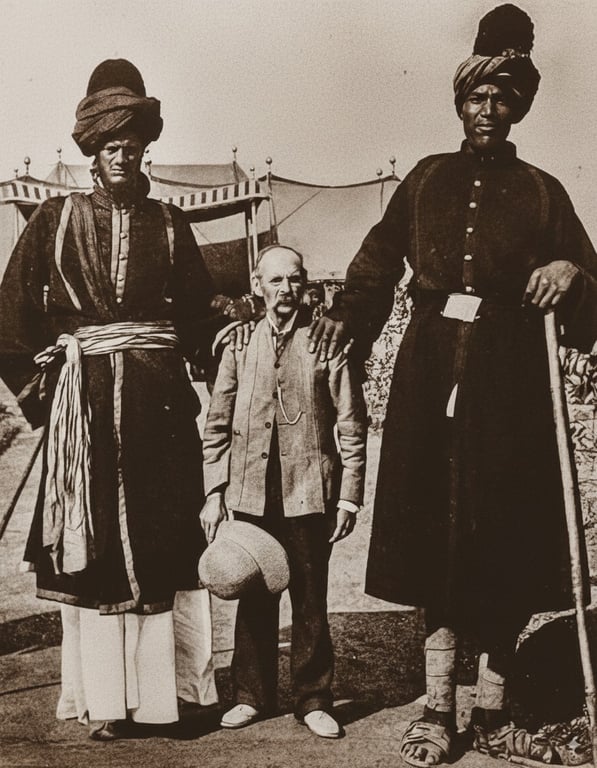
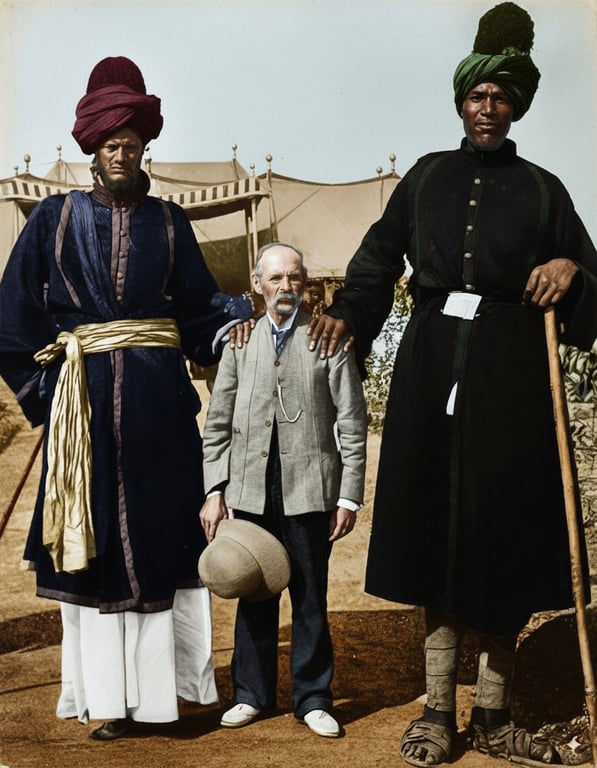
The Kashmir Giants & James Ricalton 1903
Original vintage photograph
AI restored colour version
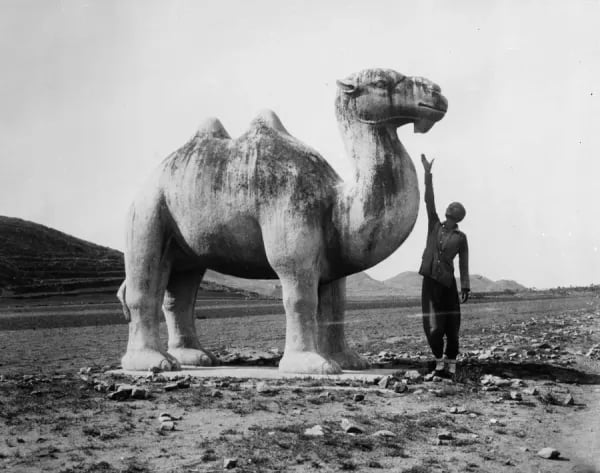
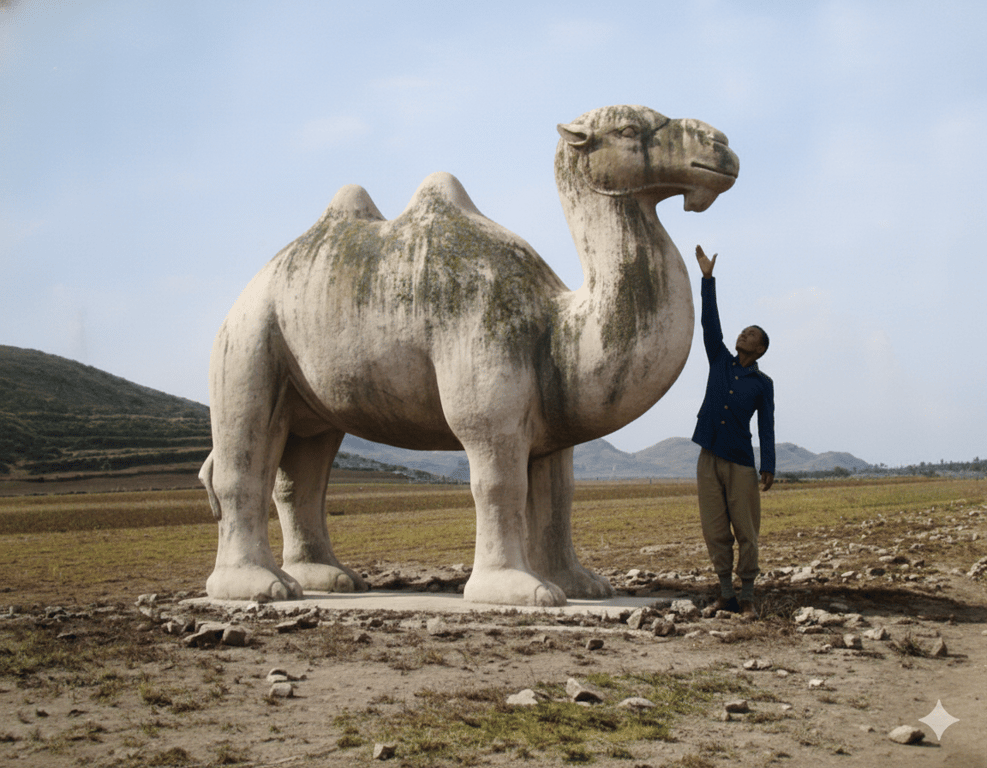
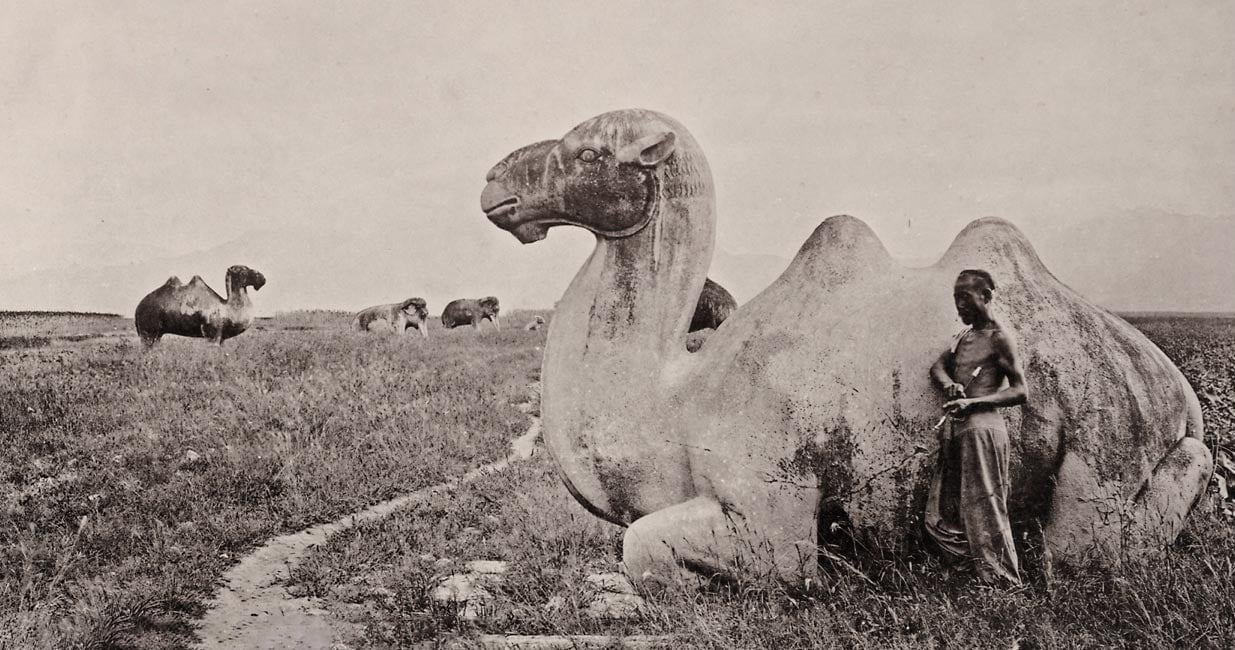
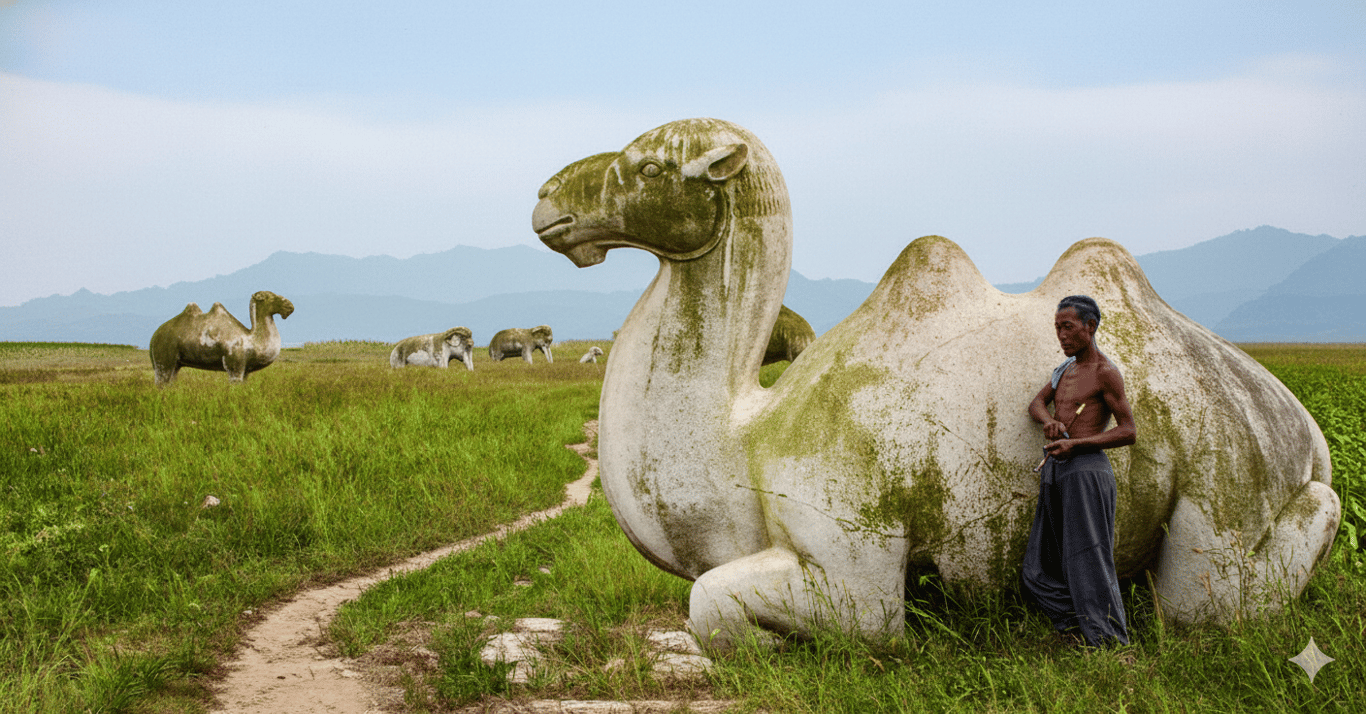
Stone Camel Qing Tombs 1930 — Stone statues of animals at the Western Qing Tombs, which has four royal mausoleums. Close to Beijing.
Original vintage photograph
AI restored colour version
Camel sculptures on the road to the Ming tombs — Camel sculptures on the road to the Ming tombs outside Peking. Photograph by John Thomson, 1871
Original vintage photograph
AI restored colour version
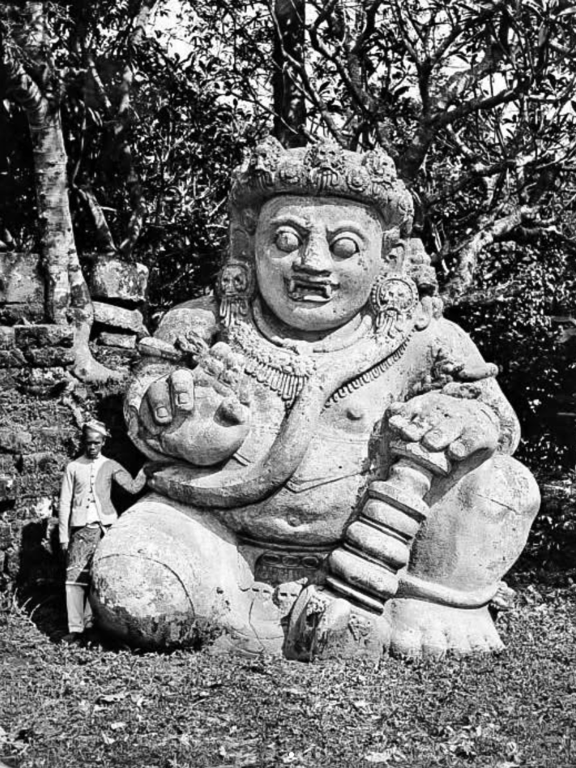
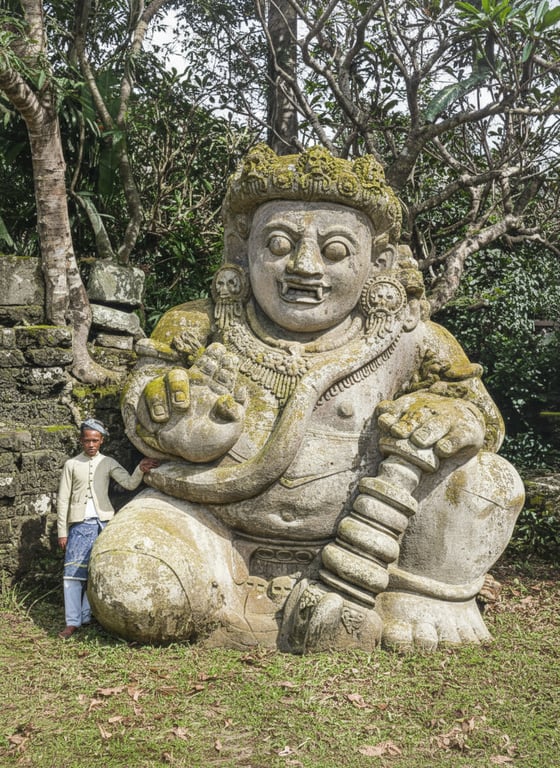
Dvarapala sculpture, a gate guardian from the architecture of Hindu, Buddhist, and Jain temples. — The term dvarapala comes from the Sanskrit words dwara ("door" or "gate") and pala ("protector" or "guardian"). These statues represent semi-divine or divine mythological beings intended to guard the entrances to sacred spaces and ward off evil. They are often depicted as fierce warriors or giants…
Original vintage photograph
AI restored colour version
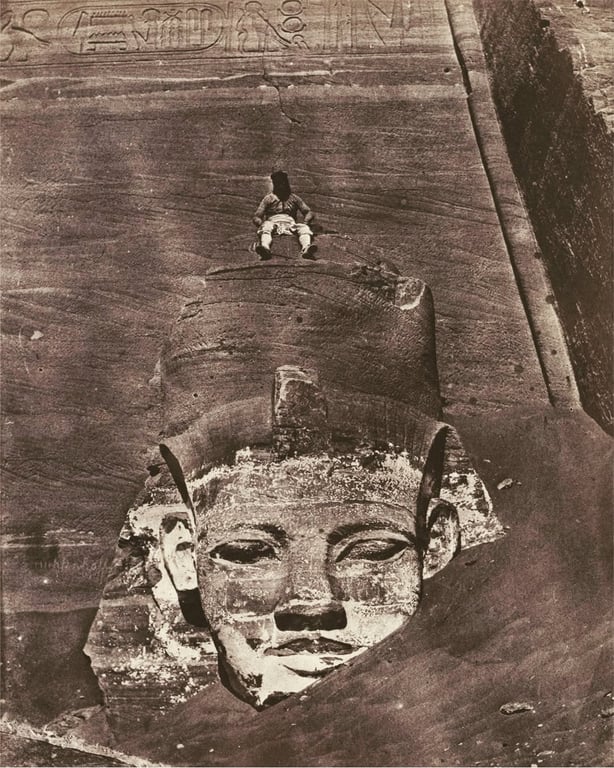
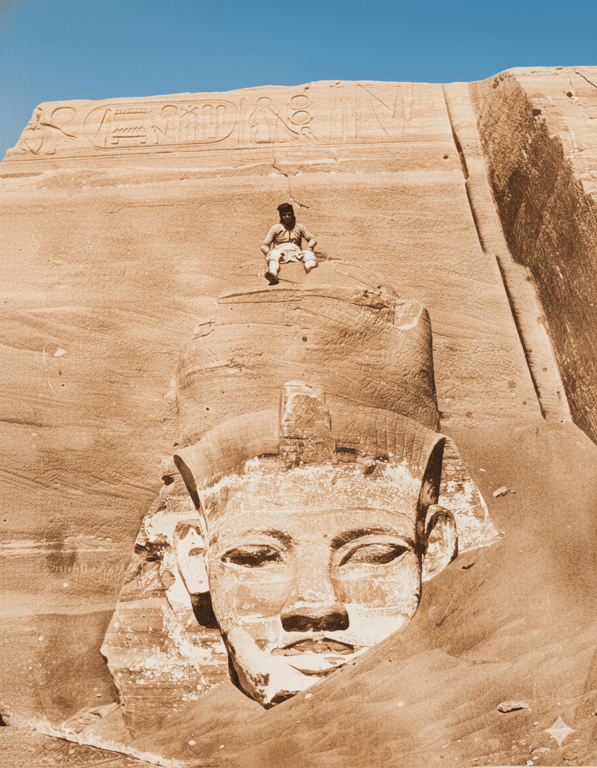
Colossi at the Temple of Abu Simbel — The temple was built around 1250 BCE during the reign of Pharaoh Ramesses II. The photograph captures the head of the western colossus, which was partially buried in sand at the time the picture was taken. A person is seated atop the statue’s head, providing a sense of scale for the monumental size…
Original vintage photograph
AI restored colour version
Old Summer Palace (Yuanmingyuan) in Beijing, China — The Old Summer Palace was the main imperial residence of the Qing dynasty emperors in the 18th and 19th centuries. It was a masterpiece of Chinese garden design, renowned for its vast collections of gardens, architecture, and works of art. The complex was looted and destroyed by British and French…
Original vintage photograph
AI restored colour version
Ming Tombs — Sacred Way (Shen Dao) - A 7-km spirit path lined with 24 stone animals and 12 human statues.