Anta de Adrenunes
Perched on a dramatic Sintra ridge overlooking the Atlantic, this dolmen is a raw, windswept monument blending natural granite outcrops with Neolithic engineering.
Anta de Adrenunes
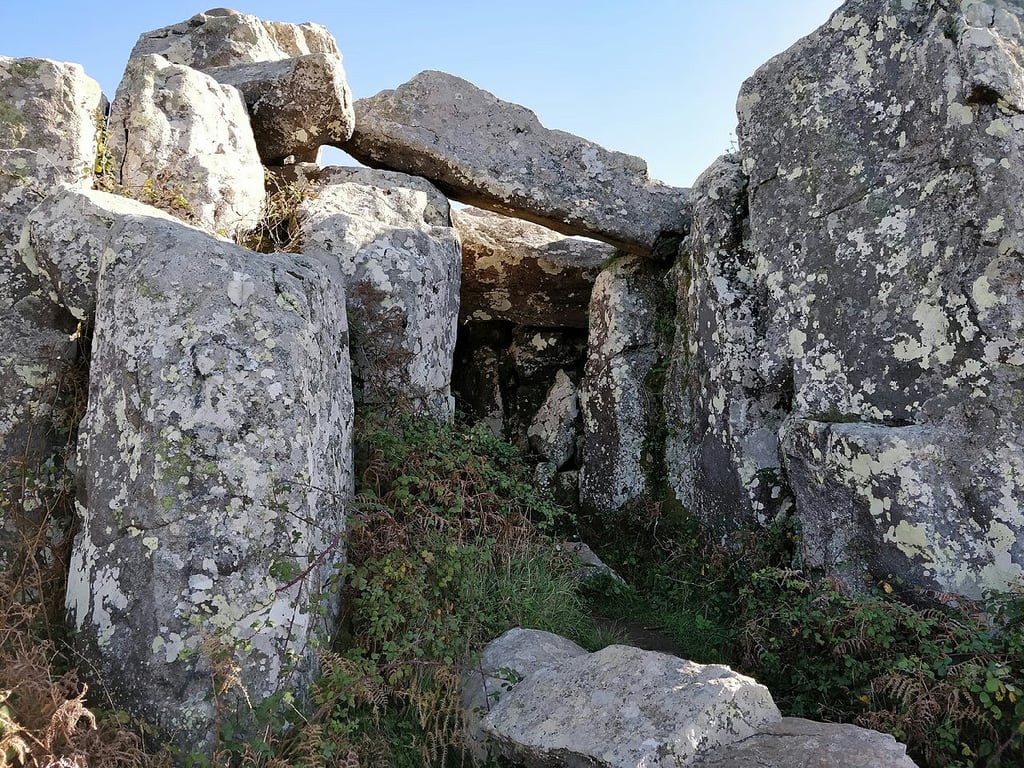
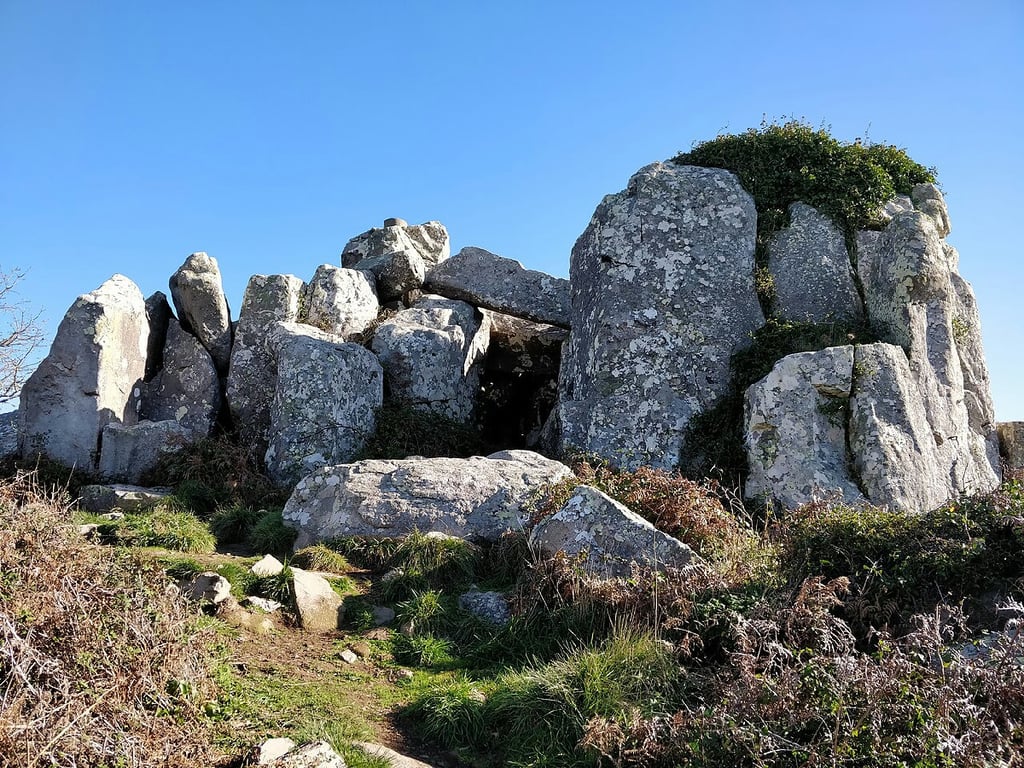
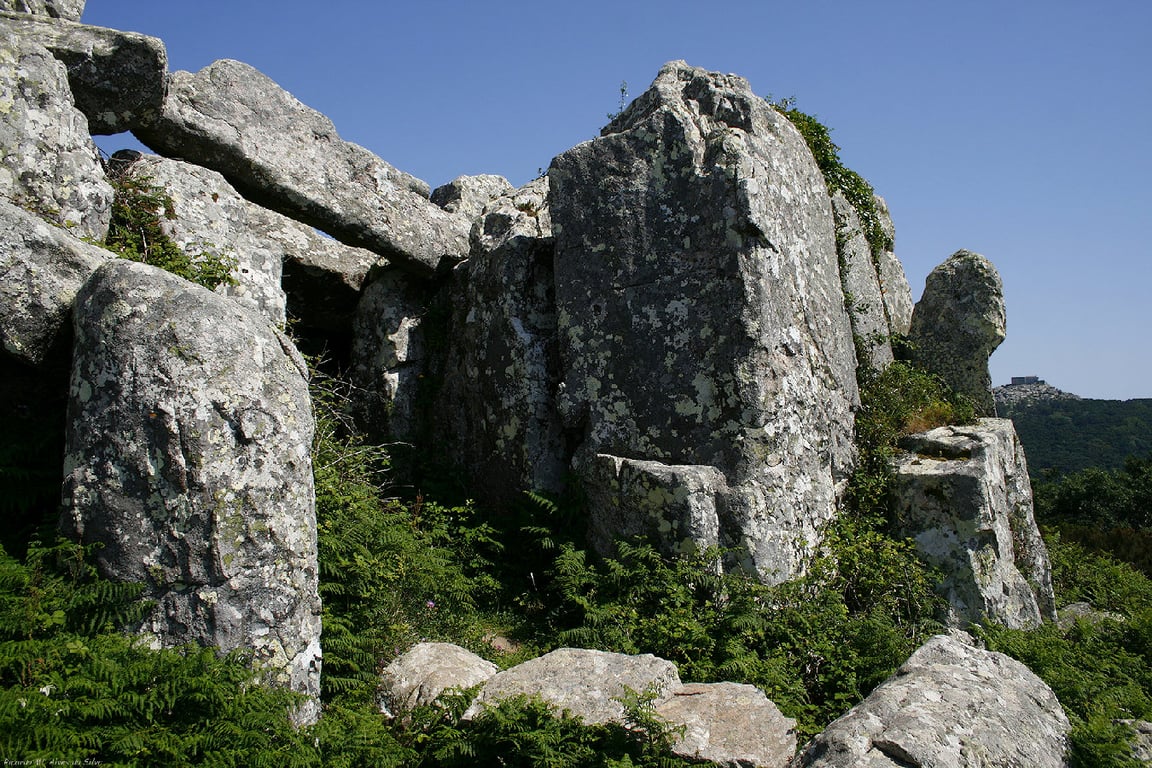
Clinging to a high, windswept ridge in the mystical Serra de Sintra, the Anta de Adrenunes is one of Portugal’s most dramatic and enigmatic megalithic sites. Overlooking the rugged coastline and Cabo da Roca—the westernmost point of mainland Europe—this monument commands a breathtaking, almost cinematic panorama. Composed of a colossal granite capstone balanced precariously on a series of vertical supports, the structure rises about 5 meters from the rocky ground. Its raw power and wild, remote setting make it a magnet for hikers, photographers, and those seeking a connection with a primal, ancient landscape. The very nature of the monument is debated: is it a true dolmen, a tomb built by Neolithic hands, or a natural rock formation artfully enhanced to serve a sacred purpose?
A Tomb with a View
The strategic location of Adrenunes is undoubtedly key to its significance. From its elevated position at 426 meters, it offers an unparalleled vantage point over the Atlantic Ocean, a place where the known world ended for ancient peoples. This has led many archaeologists to believe it served not only as a funerary site but also as a powerful territorial marker or a place for celestial observation. The structure appears to be oriented to align with significant astronomical events, such as the setting sun during the winter solstice, a moment of profound importance in agricultural societies. The effort required to position these multi-ton granite slabs on such a difficult-to-reach summit speaks volumes about the reverence and determination of its creators, who sought to place their monument at the very intersection of land, sea, and sky.
Nature's Architecture or Man's Hand?
A fascinating controversy surrounds Anta de Adrenunes. While it is traditionally classified as an "anta," the Portuguese word for dolmen, some geologists and archaeologists argue that the monument may be a clever adaptation of a natural granite tor. According to this theory, Neolithic people identified a striking natural rock outcrop, which they then modified by clearing surrounding boulders and possibly adding or adjusting stones to enhance its tomb-like appearance. This interpretation does not diminish its cultural importance. On the contrary, it suggests a sophisticated worldview where human spirituality was deeply intertwined with the natural landscape. The people of Adrenunes did not seek to dominate nature, but to collaborate with it, identifying and amplifying a place already imbued with power and significance. Whether fully constructed or artfully enhanced, Adrenunes is a testament to a profound connection between humanity and the environment.
The Sintra Connection
The Anta de Adrenunes is part of a dense concentration of prehistoric sites scattered throughout the Serra de Sintra, including the nearby Tholos do Monge. This sacred mountain range, with its unique microclimate, lush vegetation, and dramatic granite peaks, has been a place of spiritual retreat and worship for millennia, from the Neolithic period through to the Romans, Moors, and the Romantics of the 19th century. A visit to Adrenunes is more than just a trip to an old monument; it is a pilgrimage into the heart of Sintra's mystical landscape, a hike that rewards the persistent with a palpable sense of deep time and an unforgettable view from the edge of the continent.
Where Stone Whispers to the Sea
While guidebooks label it a dolmen, the Anta de Adrenunes defies simple classification. Perched at Europe's westernmost edge, it is more than a pile of ancient stones; it is a nexus of geological anomaly, forgotten folklore, and profound cosmic questions. To truly understand this monument is to look beyond its physical form and listen to the deeper stories embedded within its granite heart—stories that challenge its very identity as a man-made tomb and suggest a far more mysterious purpose.
A Tomb That Was Never a Tomb?
The most startling secret of Adrenunes is one hidden in plain sight: many prominent archaeologists do not believe it is an "anta" (dolmen) at all. The term, widely accepted by the public, may be a romantic misnomer. Pioneering megalithic researchers, including Georg and Vera Leisner, argued that the site is a natural rock formation—a dramatic granite tor shaped by millennia of wind and rain—that was later adopted and perhaps minimally modified for ritualistic use. Unlike classic dolmens, Adrenunes lacks definitive evidence of a burial chamber, a covering tumulus, or the archaeological remains typically associated with Neolithic tombs. This theory recasts the site not as a feat of ancient engineering, but as a sacred place chosen for its inherent power and otherworldly appearance.
Echoes of the Enchanted Moors
The windswept ridges of the Serra de Sintra are steeped in tales of the Mouras Encantadas—supernatural maidens of haunting beauty who are said to guard ancient treasures. Local folklore intimately connects these spirits to Adrenunes, seeing the stones not as a tomb, but as a gateway to their enchanted realm. These legends serve as a form of mythic preservation, warning away the greedy while hinting at a deeper, non-human magic tied to the landscape itself.
The Serpent Guardian of St. John's Eve
One specific legend claims that on the magical night of St. John's Eve (June 23rd), a colossal enchanted serpent appears, coiling itself around the great capstone. The creature is said to guard a vast treasure hidden beneath the monument. It is whispered that the serpent will only reveal the hoard to a soul pure of heart who can brave the mystical energies of that night, suggesting the site was once a place of esoteric initiation and spiritual testing, far removed from the simple function of a grave.
A Celestial Beacon at the Edge of the World
Given its commanding view over the Atlantic from the edge of the known ancient world, alternative theories propose Adrenunes served a purpose tied to the sea and stars. Its location is too precise, too dramatic, to be accidental. Some researchers suggest it was a powerful landmark for ancient seafaring cultures, a sacred beacon marking the final point of land before the endless ocean. Its orientation, they argue, may align with specific solar or lunar events, such as the winter solstice sunset, turning the monument into a celestial calendar that sanctified the turning of the seasons.
Anta de Adrenunes — photo gallery