Derinkuyu Underground City
An immense, multi-level subterranean city, Derinkuyu offered refuge to thousands, showcasing remarkable ancient engineering and social organization.
Derinkuyu Underground City
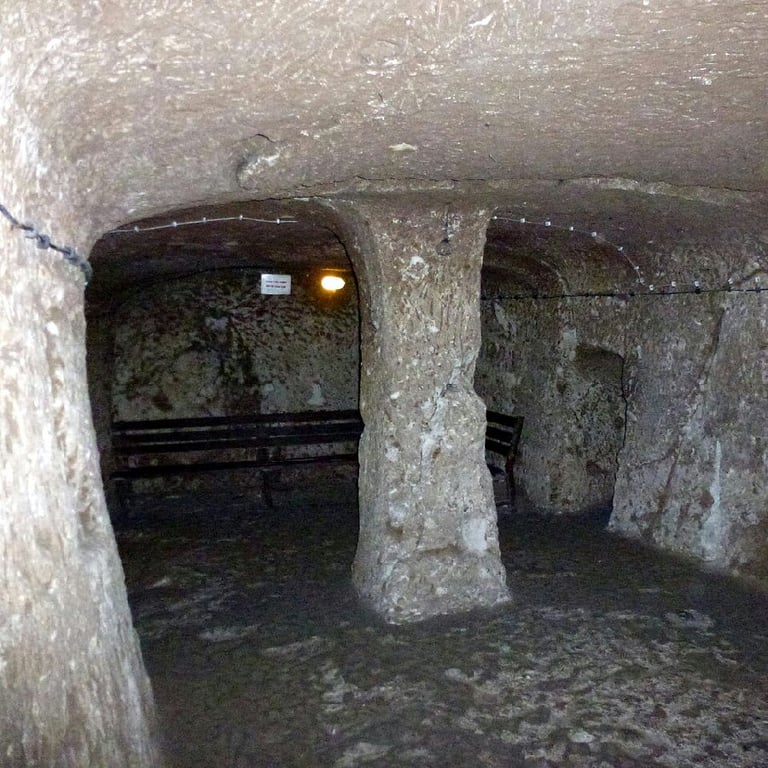
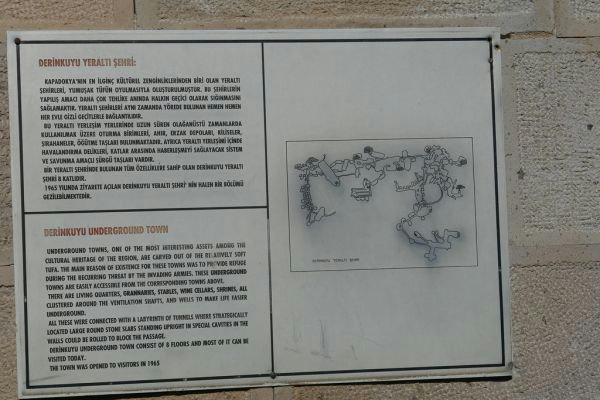
Beneath the captivating "fairy chimney" landscapes of Cappadocia, Turkey, lies an equally wondrous world: the Derinkuyu Underground City. This is no simple cave system but a massive, multi-level metropolis carved deep into the soft volcanic tuff rock. Reaching depths of nearly 280 feet (85 meters), this subterranean marvel was capable of sheltering up to 20,000 people along with their livestock and food supplies. It stands as an extraordinary feat of ancient engineering and a testament to human ingenuity in the face of extreme adversity. The city was a fully functional, self-contained environment, designed to provide a safe haven from invasion and persecution for months, or even years, at a time. Its true age is debated, with some theories dating its earliest phases back to the Phrygians in the 8th century BCE.
A City Within the Earth
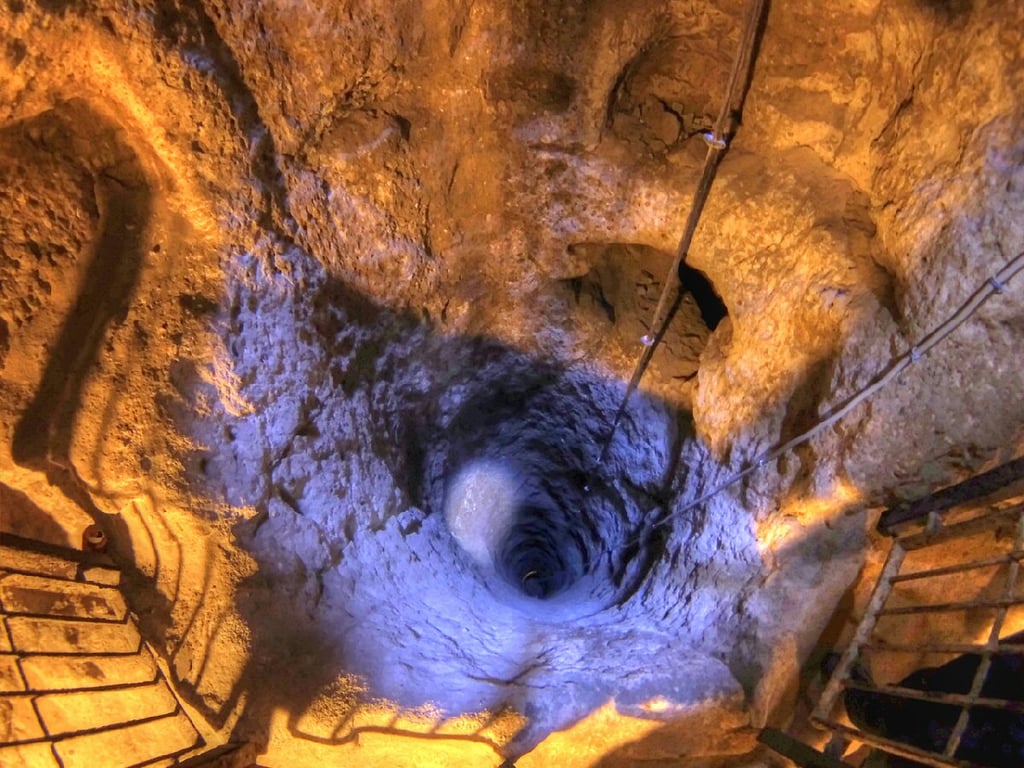
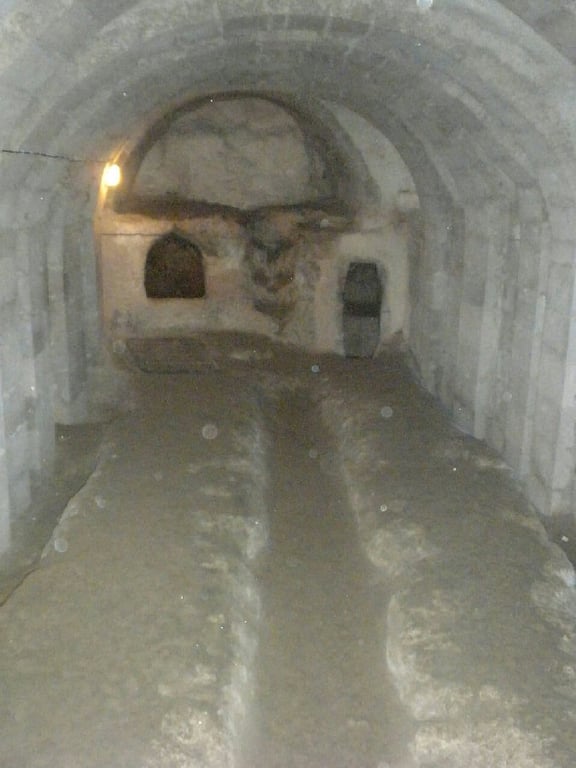
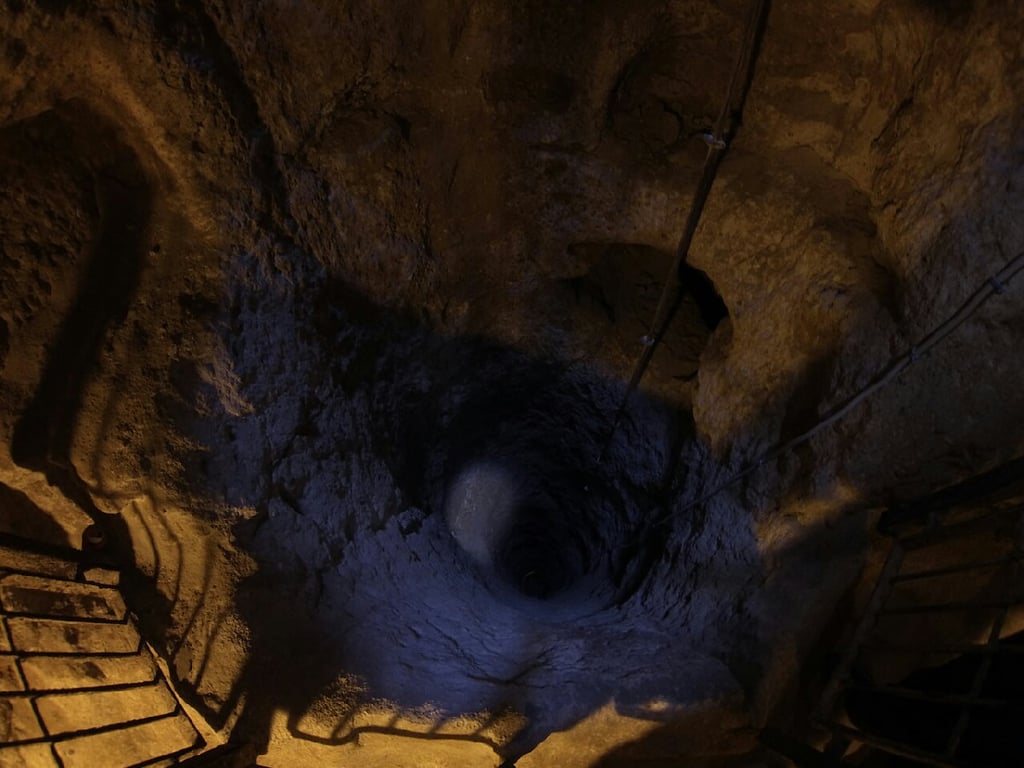
Derinkuyu is a complex warren of tunnels and chambers, spread across as many as 18 distinct levels. The city was meticulously planned. The upper levels were primarily used for living quarters, stables, and wine presses, where it was warmer. Deeper levels housed communal rooms, churches, schools, cellars, and storage areas. A remarkable 180-foot (55-meter) vertical shaft served as the primary ventilation system, also functioning as a well to provide fresh water to every level, a critical feature that prevented attackers from poisoning the water supply from the surface. This ingenious system ensured the city's long-term viability, allowing its inhabitants to survive extended sieges without needing to risk trips to the world above.
Defending the Depths
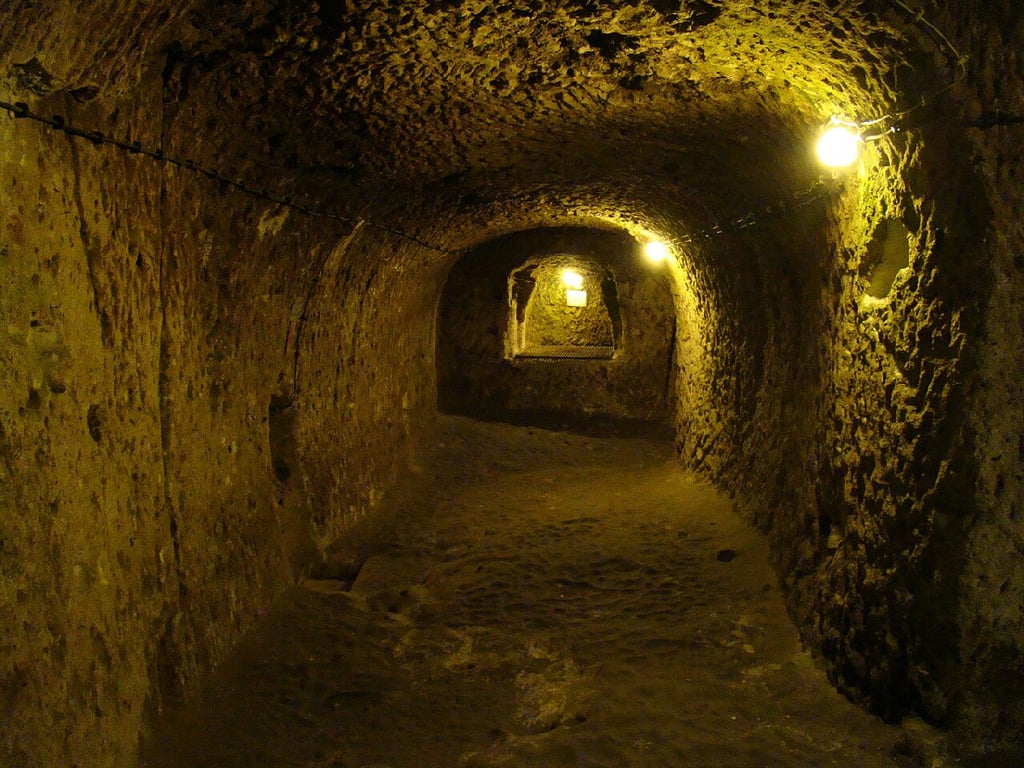
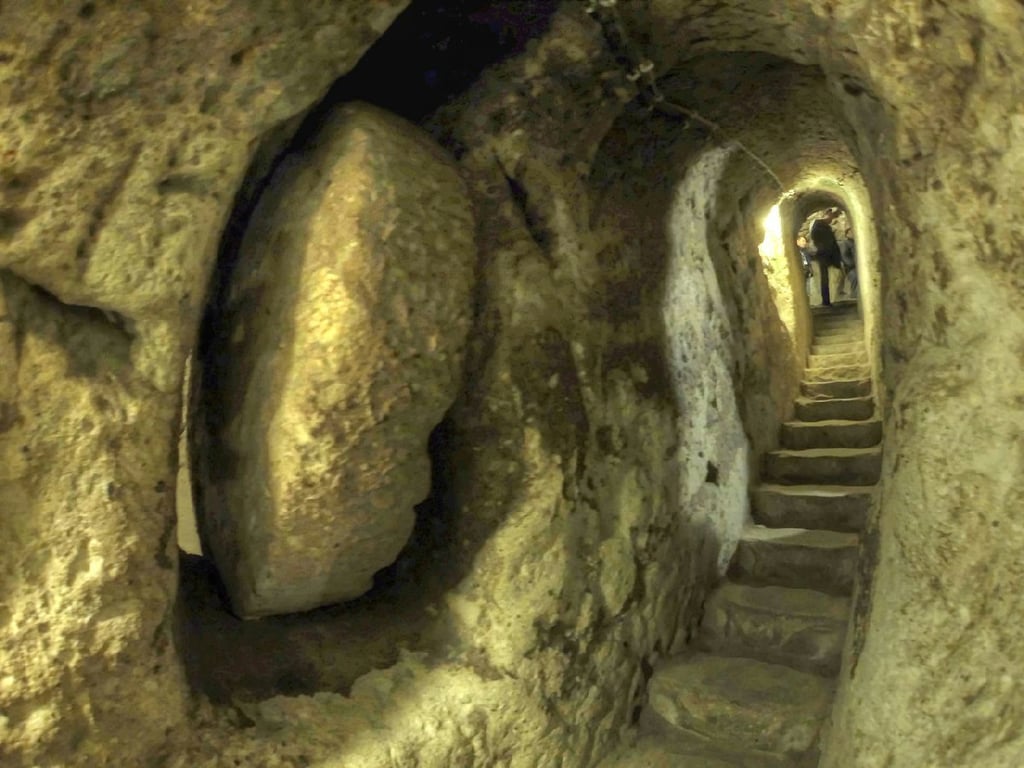
Security was paramount in the city's design. The narrow passageways were intentionally built to force potential invaders to move in single file, making them vulnerable. More importantly, the city could be sealed from the inside at key junctures by massive, rolling stone doors. These circular doors, weighing up to half a ton, were carved to fit perfectly into the doorways and could only be moved from the interior, effectively turning sections of the city into impenetrable vaults. Tiny holes carved into the center of these doors allowed defenders to see and strike at their enemies. This formidable defensive system made Derinkuyu an incredibly effective fortress, allowing communities like the early Christians to escape waves of persecution from the Roman Empire and later raids.
A Legacy in Stone
While most actively used by Christians during the Byzantine era, the city was expanded and modified by successive cultures over centuries. It was part of a network of over 200 underground cities in Cappadocia, with some evidence suggesting a tunnel once connected Derinkuyu to the nearby underground city of Kaymaklı, miles away. The city was used by the local Cappadocian Greeks as a refuge until as late as the 1920s. Forgotten by the outside world after the population exchange between Greece and Turkey, it was accidentally rediscovered in 1963 by a local resident who found a strange room behind a wall in his home. Today, several levels of Derinkuyu are open to the public, offering a chilling and awe-inspiring glimpse into a hidden world and the incredible lengths people went to in order to survive.
Echoes from the Earth's Core: The Derinkuyu Enigma
The standard narrative of Derinkuyu tells of a refuge, a marvel of ancient engineering designed to shield its inhabitants from invasion and persecution. But to stand within its silent, hand-carved halls is to feel the presence of a much deeper mystery. The sheer scale and psychological audacity of its construction beg questions that conventional history often leaves unanswered. This was not merely a hiding place; it was a self-contained world, built in response to a threat—or a belief—we may no longer comprehend.
The Architecture of Impossible Knowledge
While the soft volcanic tuff is relatively easy to carve, the city's design reveals a startlingly advanced understanding of structural engineering and geology. The builders precisely angled tunnels to prevent collapse and distributed weight across pillars with a mastery that defies their supposed technological limits. The central ventilation shaft, plunging 55 meters to tap into groundwater and provide fresh air to the lowest levels, is a work of genius. How did a pre-industrial society, working with simple tools in near-total darkness, map and excavate such a complex, stable, and perfectly ventilated structure? Some researchers argue the level of planning suggests a lost form of mathematics or a forgotten tradition of subterranean science passed down through generations.
A Fortress Against a Fallen Sky?
The official timeline places Derinkuyu's origins with the Phrygians around the 8th century BCE, but many of its features suggest a far greater antiquity. The colossal rolling stone doors, some weighing several tons, could seal off corridors from the inside, but the city's ability to house 20,000 people for extended periods points to a purpose beyond regional conflict.
The Cataclysm Theory
An unconventional but compelling theory posits that Derinkuyu is a remnant of a prehistoric survival strategy. Proponents suggest its original purpose was to shelter a population from a global cataclysm, such as a prolonged volcanic winter, a solar flare event, or even an asteroid impact. The integrated livestock pens, wineries, chapels, and food stores were not for weathering a month-long siege, but for surviving a multi-year apocalypse where the surface world was uninhabitable. This would place its conceptual origins thousands of years earlier than officially recognized, aligning it with a lost chapter of human history.
Whispers from the Unlit Passages
Local folklore surrounding Derinkuyu is rich with supernatural tales that are rarely shared with tourists. These stories speak not of ancient Christians or Phrygians, but of far older inhabitants.
The Guardians of the Lower Levels
Cappadocian legends whisper of non-human entities, sometimes called the "Jinn of the Tuff," who are said to be the original excavators and true guardians of the city. These tales claim the deepest, unexcavated levels—far below the tourist-accessible areas—are still inhabited by these beings. It is said they protect ancient secrets and that the strange echoes and sudden drops in temperature experienced in the lower corridors are their warnings to the curious to turn back.
Derinkuyu Underground City — photo gallery