Côa Valley Prehistoric Rock Art
Journey through an open-air gallery where thousands of Paleolithic engravings, some 30,000 years old, are etched into the riverside schist of a protected valley.
Prehistoric Rock Art Sites in the Côa Valley
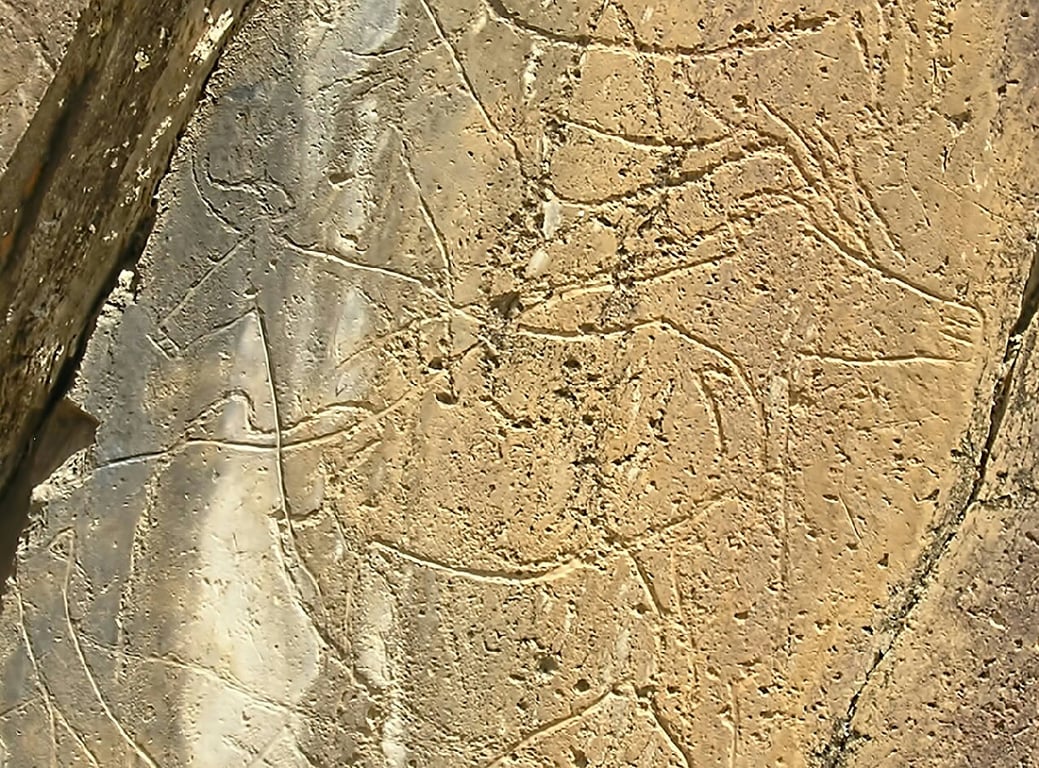
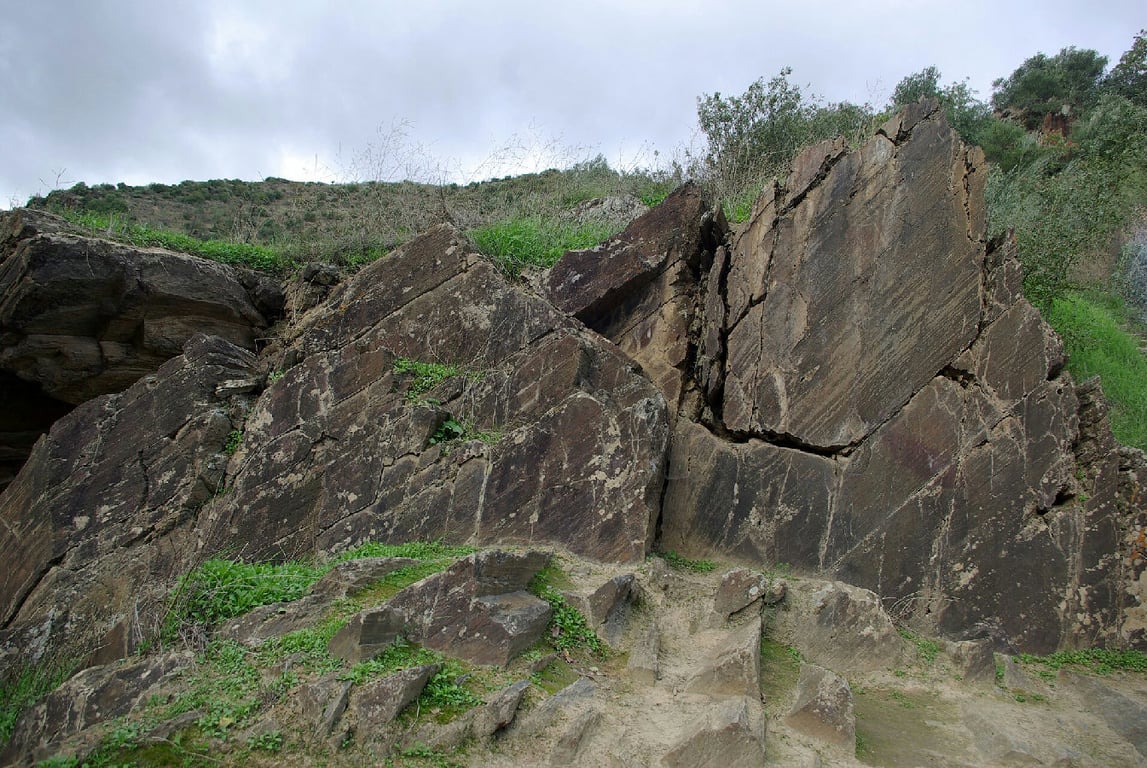
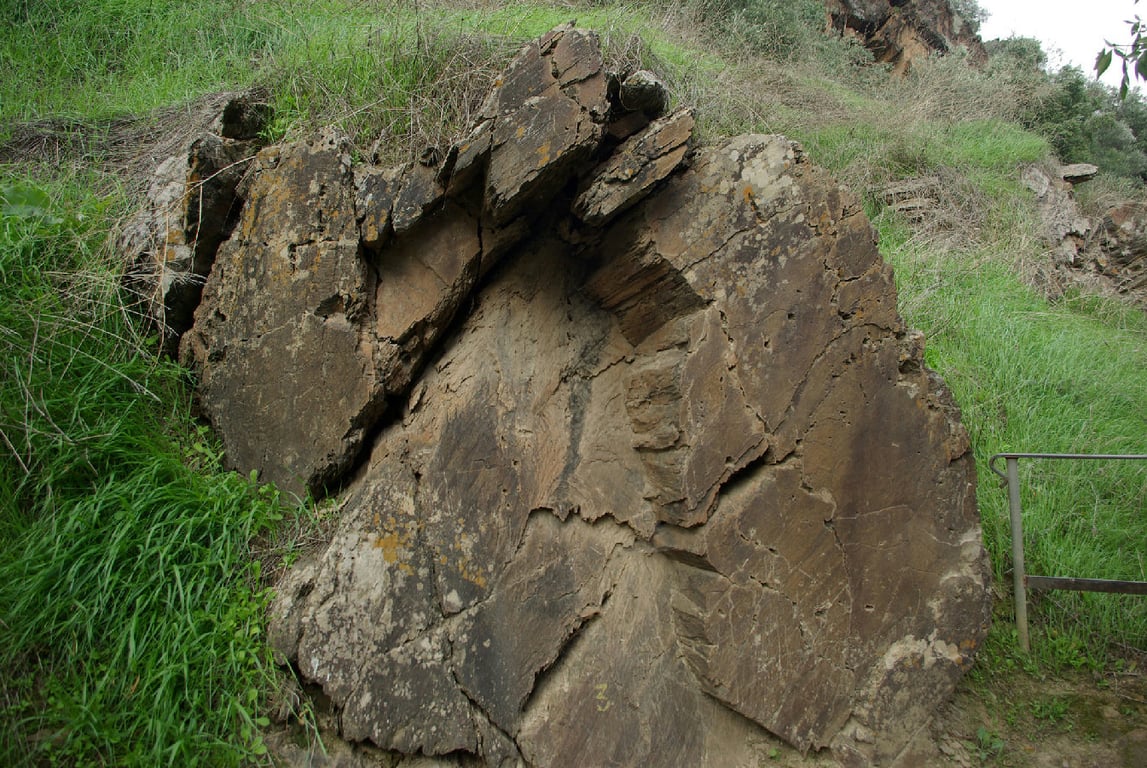
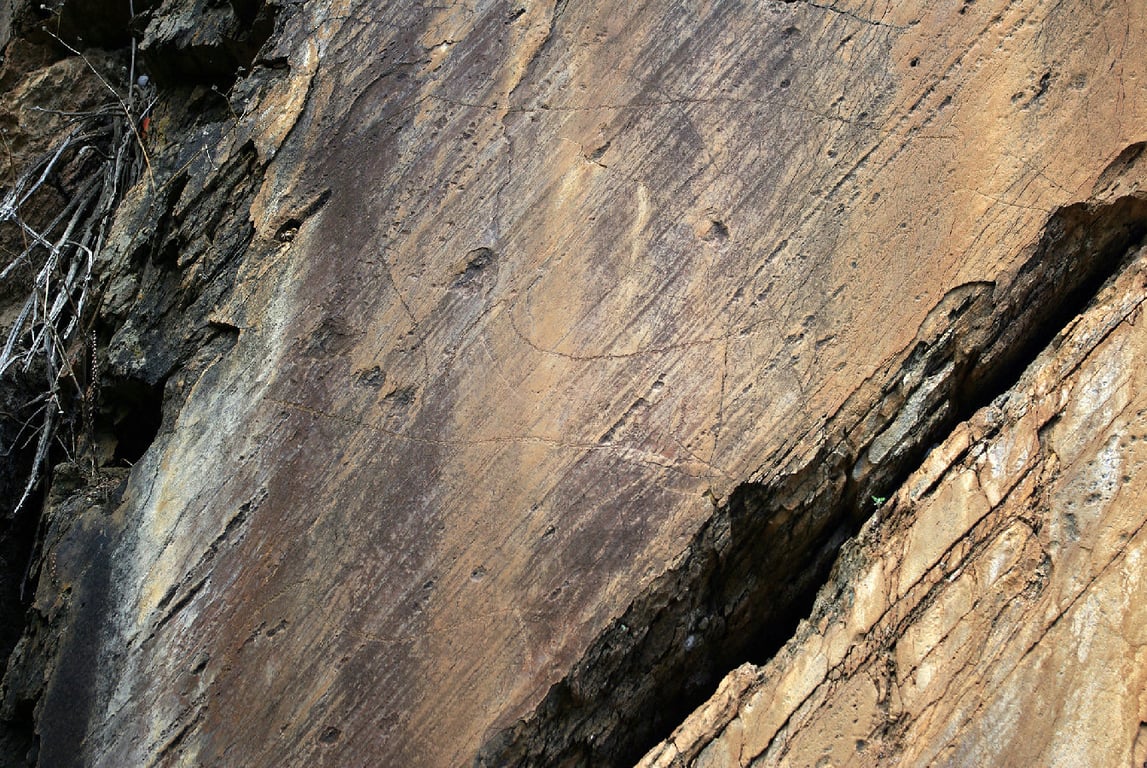
In the remote, dramatic landscapes of northeastern Portugal, the Côa River has carved not only a deep valley but also one of the world's most important galleries of prehistoric art. The Prehistoric Rock Art Sites in the Côa Valley, a UNESCO World Heritage site, represent the most significant open-air collection of Paleolithic art yet discovered. For millennia, these engravings lay hidden in plain sight, etched onto the vertical schist rock faces along a 17-kilometer stretch of the river. The collection comprises thousands of individual figures, depicting animals, humans, and abstract signs, with the oldest dating back an astonishing 25,000 to 30,000 years. This is not art hidden away in the dark of a cave; it is a vast, living gallery, integrated into the landscape and sunlight.
A Gallery Saved from the Water
The modern story of the Côa Valley art is almost as dramatic as its creation. The engravings were only discovered in the late 1980s and early 1990s during survey work for a planned hydroelectric dam that would have submerged the entire valley. The discovery sparked a fierce national and international debate, pitting the need for economic progress against the preservation of a priceless, irreplaceable heritage. In a landmark decision in 1995, the Portuguese government cancelled the dam project, choosing to preserve the art for humanity. This act of conservation was celebrated globally and led to the creation of the Côa Valley Archaeological Park and the stunning Côa Museum, which now serves as the gateway to this prehistoric world. The story stands as a powerful testament to the value of cultural heritage and the will to protect it.
Reading the Paleolithic Storyboard
The engravings at Côa were made using three main techniques: fine-line incision, pecking (creating dots to form an outline), and scraping. The subjects are overwhelmingly animals that would have roamed the Iberian plains during the last Ice Age. Aurochs (wild ancestors of cattle), horses, ibex, and red deer are the most common figures, often depicted with a remarkable sense of movement and vitality. Some panels show overlapping figures, created centuries or even millennia apart, suggesting that these were special, sacred locations visited by generation after generation of hunter-gatherer groups. Human figures are rarer and more schematic, but they, along with the abstract symbols, hint at a complex system of beliefs, shamanistic rituals, or storytelling. Unlike cave paintings, these engravings interact with the changing daylight, their lines and shadows shifting with the sun's passage, creating a dynamic, ever-changing viewing experience.
Exploring the Ice Age Canvas
Access to the rock art sites is carefully controlled to protect the delicate engravings, and visits must be made via guided tours in 4x4 vehicles organized by the Archaeological Park. The three main accessible nuclei are Canada do Inferno, Penascosa, and Ribeira de Piscos. Each offers a unique perspective on the art and the stunning, rugged beauty of the Douro wine region. The tours, led by expert guides, bring the ancient world to life, explaining the techniques, interpreting the figures, and placing the art within the context of the Paleolithic hunter-gatherer lifestyle. A visit to the Côa Valley is a journey into the deepest roots of human creativity, an encounter with the oldest artistic expressions in the open air.
Guardians of the Schist: Secrets of the Côa Valley
Beyond the official UNESCO recognition and the archaeological consensus lies a deeper, more enigmatic story of the Côa Valley. While guidebooks celebrate the world's largest open-air Paleolithic art gallery, they often omit the fierce battles, whispered legends, and radical theories that swirl around these stone engravings. The true secrets of the Côa are not just etched in rock, but are carried on the wind and debated in the hushed halls of academia, waiting for those who dare to look beyond the surface.
A Valley Nearly Drowned in Silence
The most shocking secret of the Côa Valley is not ancient, but startlingly modern: it was almost lost forever. In the early 1990s, the construction of the Baixo Côa Dam was well underway, and its reservoir was set to submerge this priceless gallery beneath meters of water. The engravings, known to some locals but ignored by officials, were dismissed as insignificant graffiti. It was only through the relentless efforts of archaeologist Nélson Rebanda and a subsequent firestorm of public and international protest—a movement known as "As gravuras não sabem nadar" (The engravings don't know how to swim)—that the project was halted. The valley's art wasn't just discovered; it was rescued from the brink of a silent, watery grave engineered by modern progress.
Where the Engraved Beasts Roam
For centuries, long before archaeologists arrived, local inhabitants held their own beliefs about the strange figures carved into the riverside schist. These were not seen as mere images, but as enchanted entities, guardians bound to the stone. Oral traditions, though fading, speak of a supernatural connection between the rock and the river, a place where the veil between worlds is thin.
The Phantom Herd of Foz Côa
One persistent folk tale tells of the phantom herd. It is said that on the solstices, when the moonlight strikes the schist at a precise angle, the engraved aurochs, deer, and horses detach from the rock to drink from the Côa River. They are not ghosts of flesh-and-blood animals, but the primal spirits of the beasts themselves, eternally tethered to their stone effigies. Locals once claimed that to witness this silent procession was to receive a blessing of protection, but to disturb it was to invite a curse upon your own livestock.
Echoes of a Forgotten Cosmology
The purpose of the art remains one of its most profound mysteries, with theories extending far beyond simple "hunting magic." The sheer density and overlapping of figures have led some researchers to propose more esoteric interpretations, suggesting the valley was a sacred stage for complex rituals that we can barely comprehend.
The Schist as a Veil Between Worlds
A more controversial theory posits that the rock faces were not canvases, but portals. Proponents of a shamanistic view argue that the act of engraving was a ritualistic practice to enter a trance state. By carving an animal, the shaman wasn't just depicting it, but connecting with its spirit, drawing its power, or traveling through the rock—a perceived veil—into the spirit world. The many superimposed figures are not mistakes or later additions, but evidence of generations of shamans returning to the same potent, power-filled location to perform the same sacred rite, reinforcing the connection between realms.
Côa Valley Prehistoric Rock Art — photo gallery