Ahu Vinapu
Rapa Nui's colossal stonework defies explanation at Ahu Vinapu, where precision masonry challenges understood ancient capabilities.
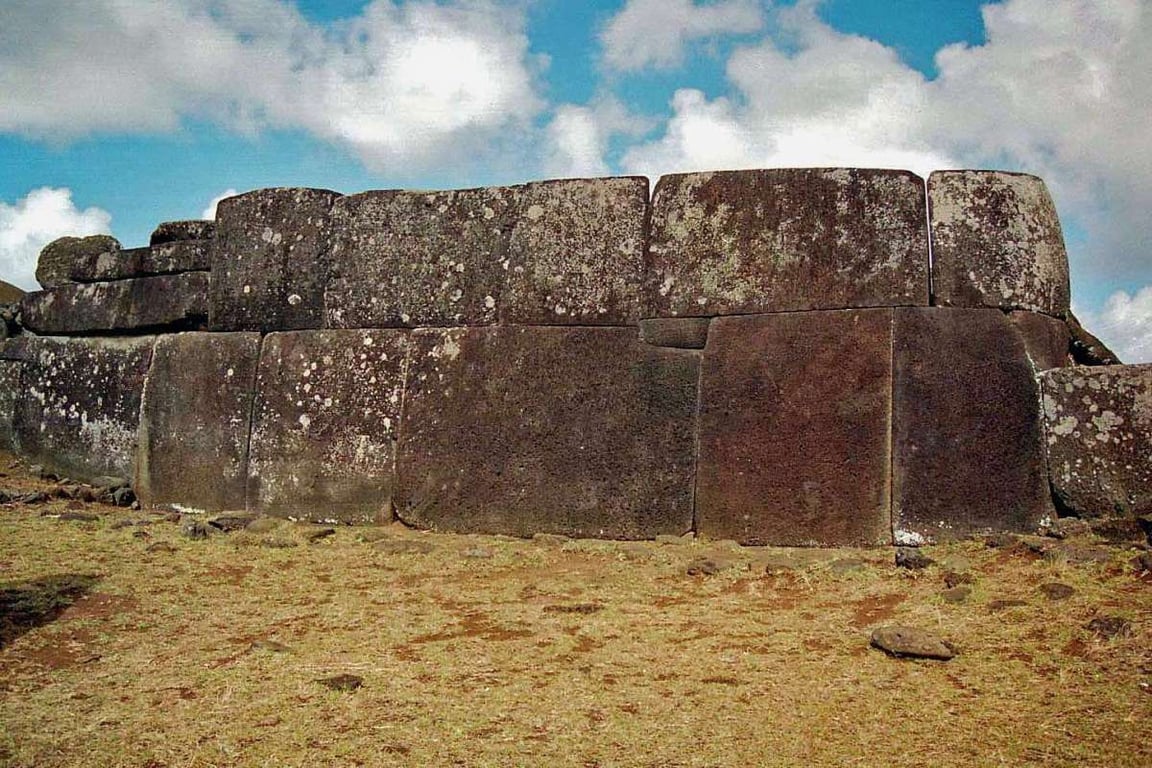
Ahu Vinapu, located on the southeastern coast of Rapa Nui (Easter Island), stands as one of the most enigmatic and visually striking ceremonial platforms on this remote Pacific island. Distinguished by its extraordinary masonry, which bears a remarkable resemblance to ancient Incan stonework, Vinapu offers a compelling link to the sophisticated construction techniques of pre-Columbian South America. This site is not merely a collection of fallen statues but a testament to the advanced engineering and profound cultural practices of the Rapa Nui people, inviting archaeologists and visitors alike to ponder its origins and purpose.
Historical Background
The construction of Ahu Vinapu dates back to the formative periods of Rapa Nui culture, likely between 1200 and 1500 CE, during the island's bustling statue-building era. While the precise timeline remains a subject of ongoing archaeological debate, the site's complexity suggests a significant investment of labor and resources by the early Rapa Nui inhabitants. Unlike many other ahus, Ahu Vinapu is particularly famous for its unique architectural style, sparking theories of transatlantic contact.
Theories of Incan Influence
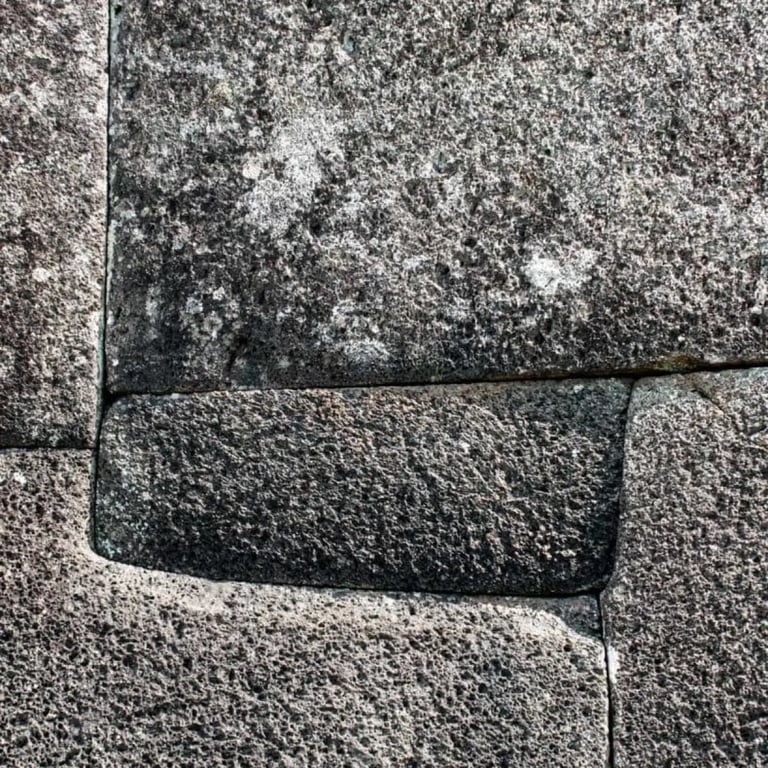
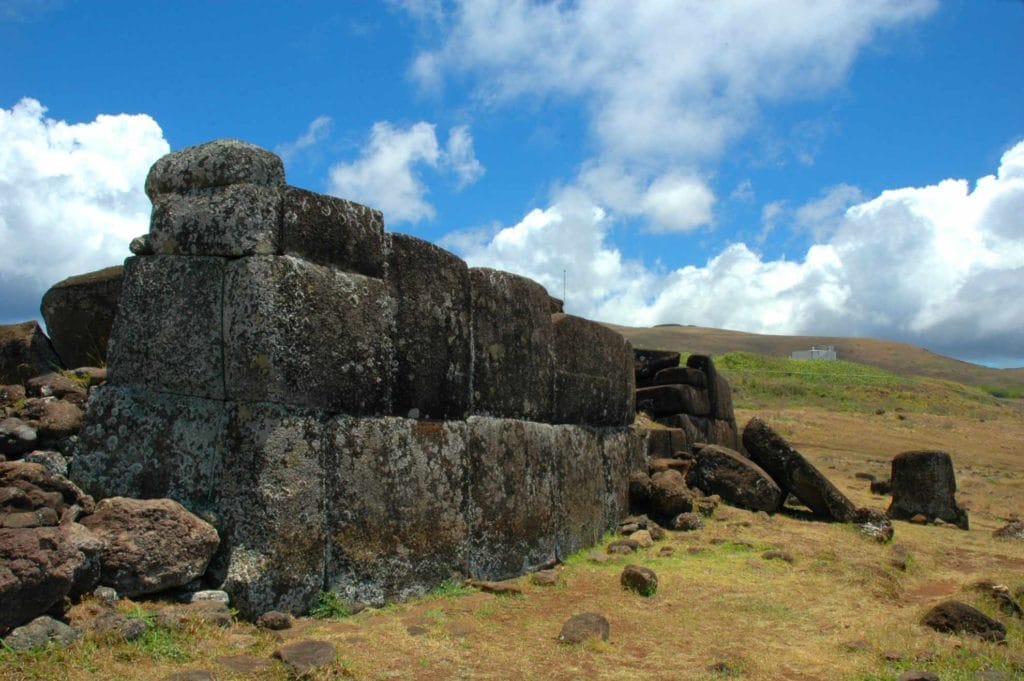
One of the most captivating aspects of Ahu Vinapu is the striking similarity of its expertly cut and fitted stone blocks, particularly found on Ahu Vinapu I’s posterior wall, to the dry-stacked masonry perfected by the Inca Empire in the Andes. This "cyclopean" or "polygonal" masonry, where stones are cut precisely to interlock without mortar, is exceptionally rare outside of Inca territory. While direct evidence of Incan migration to Rapa Nui is lacking, Vinapu's architecture fuels intriguing discussions about potential ancient seafaring contacts and shared technological knowledge across vast oceanic distances.
Notable Features
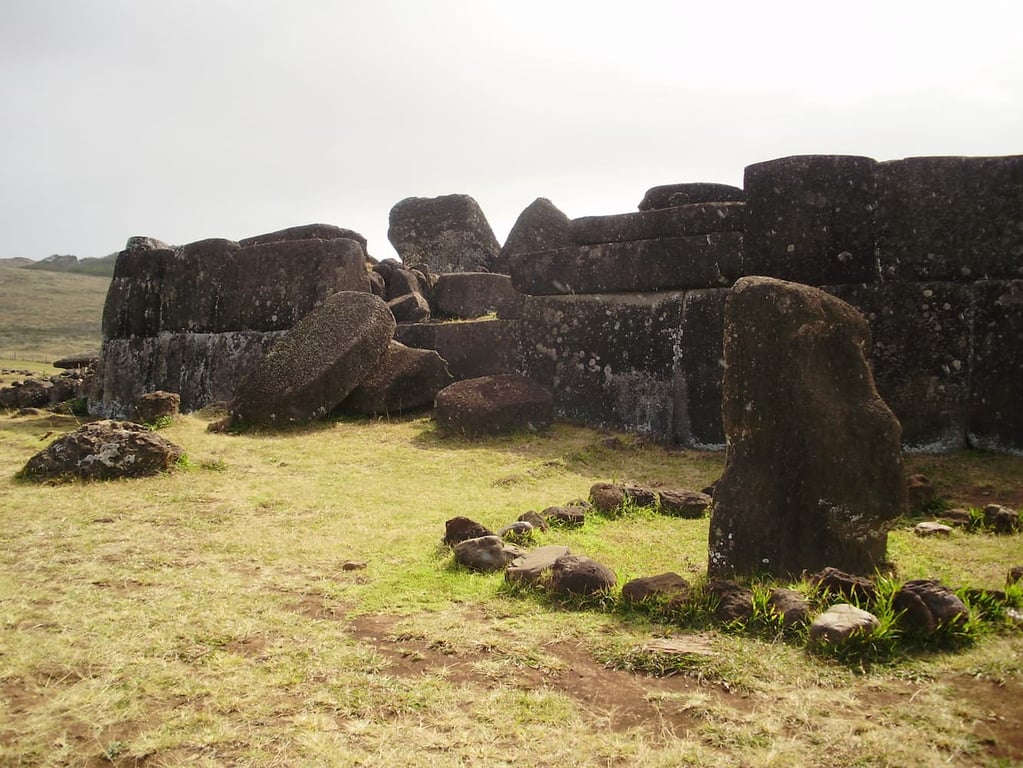
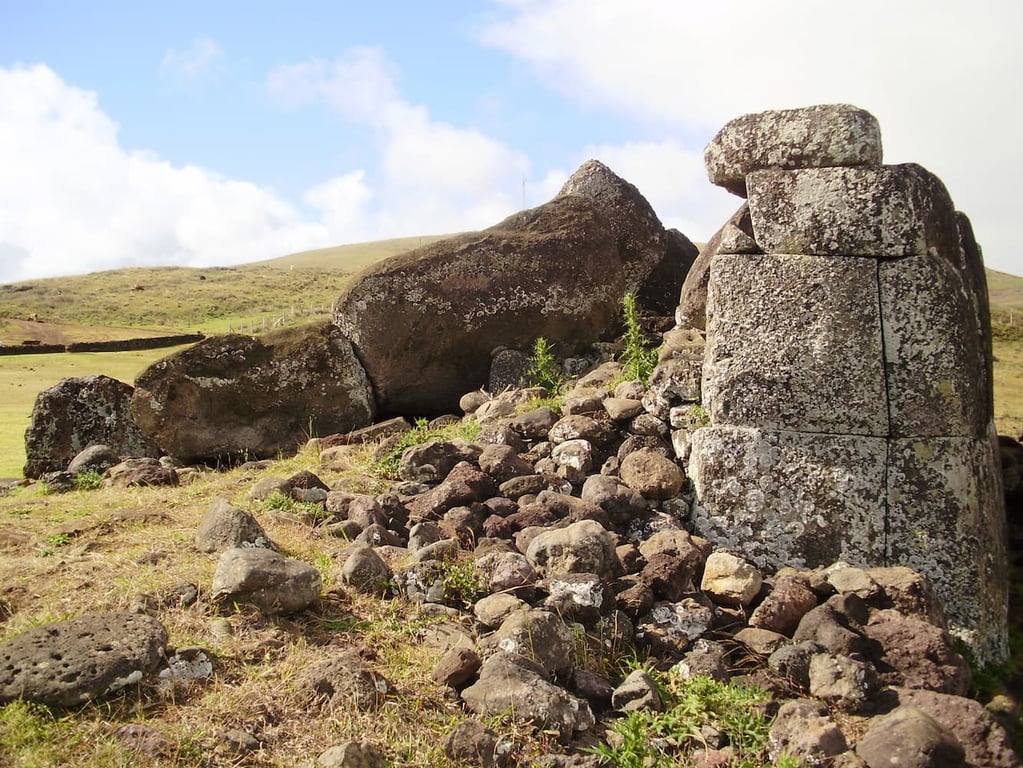
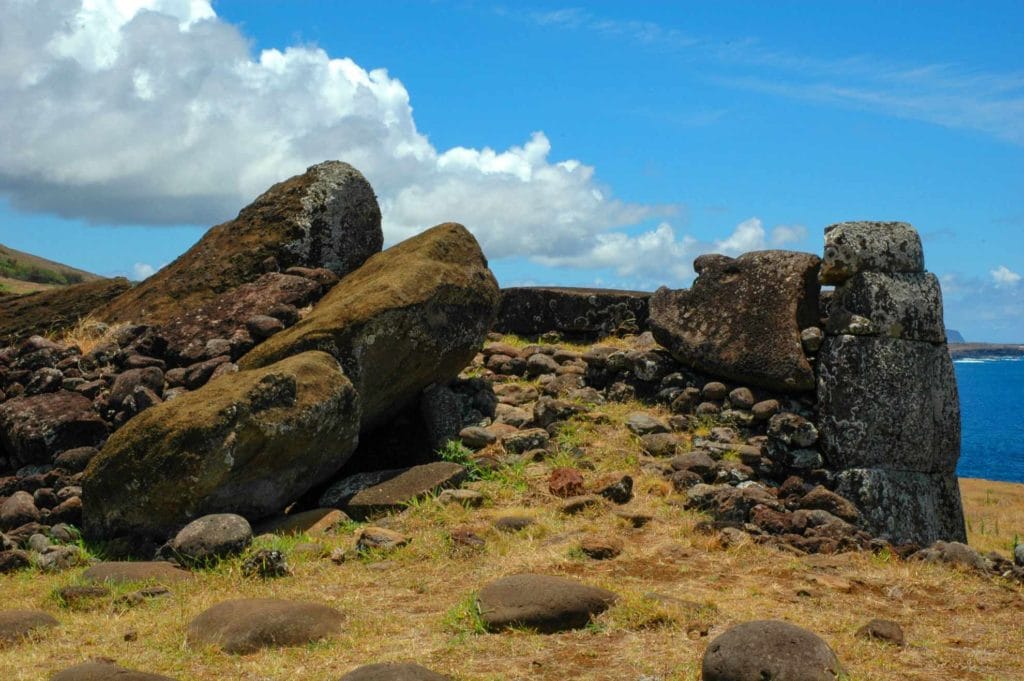
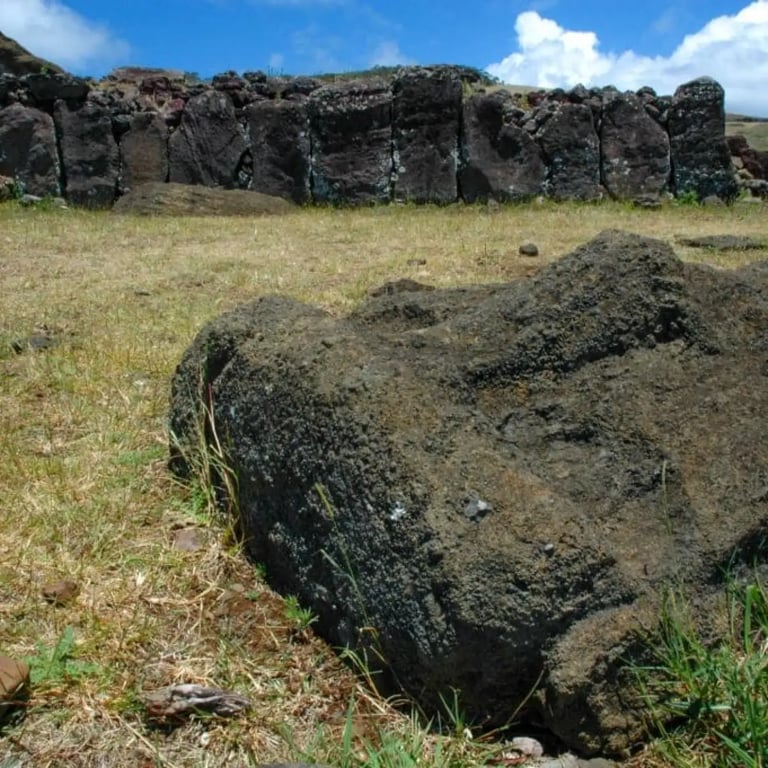
Ahu Vinapu is comprised of two principal ceremonial platforms, Ahu Vinapu I and Ahu Vinapu II, both facing inland towards the ancient villages. Each ahu originally supported immense *moai* statues, though many now lie toppled or broken, remnants of the cultural upheaval that swept the island.
Ahu Vinapu I: The "Inca Wall"
Ahu Vinapu I is the most renowned section of the site due to its impeccably constructed retaining wall. This approximately 1.5-meter-high wall is composed of large, dark basalt stones, perfectly shaped and fitted together with such precision that a knife blade cannot be inserted between them. This masterful stonework is what draws the strongest comparisons to Andean architecture, showcasing an extraordinary level of craftsmanship and engineering prowess that stands unmatched on Rapa Nui.
Ahu Vinapu II
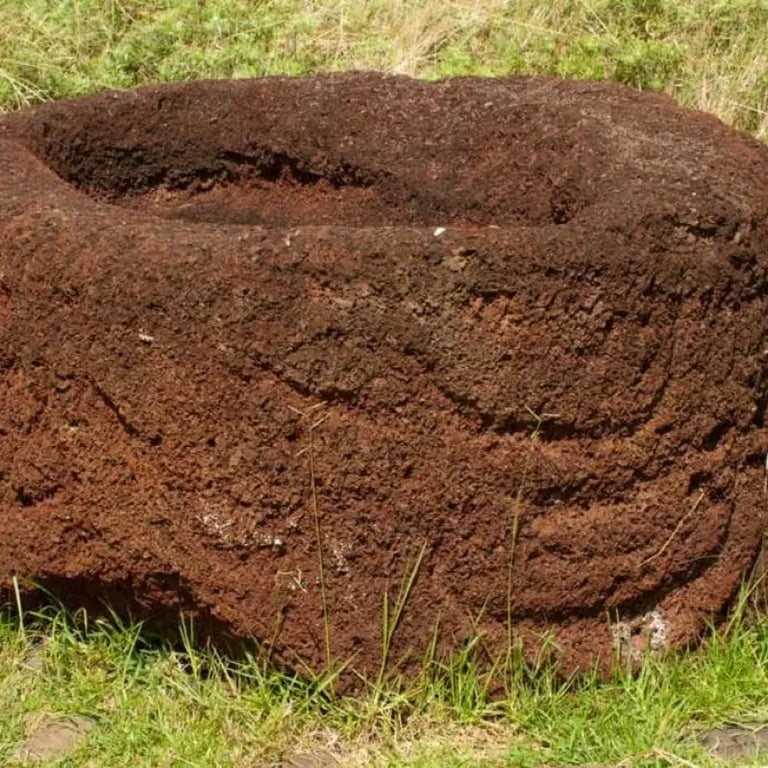
Adjacent to Vinapu I, Ahu Vinapu II is less elaborate in its masonry but was historically significant. It features a considerably larger *moai*, famously depicted with a red scoria topknot (*pukao*), which once stood proudly on its platform. This *moai* is notable for being one of the few on the island to still wear its *pukao* at the time of European contact, offering valuable insights into the original appearance of these colossal figures.
Cultural & Archaeological Importance
Ahu Vinapu holds immense cultural and archaeological significance. As a *ahu moai*, it served as a sacred platform for ancestor veneration, a central practice in Rapa Nui society. The *moai* were believed to embody the spirits of deified ancestors, watching over their descendants and ensuring their prosperity. The precise orientation of the ahu, likely aligning with astronomical events, further underlines its ritualistic importance.
Archaeological investigations at Vinapu have provided crucial data on Rapa Nui construction methods, quarrying techniques, and the logistics involved in moving and erecting the massive *moai*. The site serves as a vital open-air museum, revealing layers of human ingenuity and cultural evolution on this isolated island.
Preservation & Current State
Today, Ahu Vinapu is a protected archaeological site, managed by CONAF (Chile’s National Forestry Corporation) as part of Rapa Nui National Park, a UNESCO World Heritage site. Efforts are continuously made to preserve its fragile structures from erosion, seismic activity, and the impacts of tourism. While many *moai* lie fallen, particularly those from Vinapu I, the extraordinary masonry of its rear wall remains largely intact, a powerful testament to the skill of its ancient builders. Visitors are encouraged to explore the site respectfully, allowing future generations to marvel at the mysteries of Ahu Vinapu.
Ahu Vinapu, with its deceptively familiar stonework, often draws comparisons to distant Andean civilizations, yet beneath its polished facade lies a labyrinth of lesser-known facts, unexplained phenomena, and whispers of forgotten Rapa Nui lore. For those willing to look beyond the superficial similarities, Vinapu offers a portal into the island’s deepest secrets, challenging conventional archaeological narratives and inviting us to ponder connections that stretch far beyond the Polynesian triangular.
Lesser-known Historical Facts
While the focus is often on the perfection of Vinapu's "Great Wall," less discussed is the original orientation and purpose of some of its moai – particularly one red scoria moai that seemingly gazes inland, defying the typical seaward facing tradition. Scholars debate whether this indicates a specific ancestral lineage tied to the island's interior resources, or perhaps a symbolic protection of sacred agricultural lands, hinting at a more complex spiritual topography than generally understood. Furthermore, analyses of the ashlar masonry have revealed subtle variations in stone composition and weathering patterns across different sections, suggesting the possibility of multiple construction phases across generations, rather than a single, monolithic building endeavor.
Legends
The Stone Cutter's Secret
Rapa Nui oral traditions, passed down through generations, speak of master stone carvers possessing a sacred knowledge, an almost supernatural ability to shape stone. While modern archaeologists focus on basalt tools and leverage, local legends hint at incantations or a deeper understanding of the stone itself—a "living" quality that responded to the will of the carvers. One tale, though rarely published, describes ancestors using sound or specific ceremonial chants to "soften" the volcanic rock before precise cutting, allowing for the astonishingly tight fit seen at Vinapu without the aid of metal tools. This challenges our materialistic understanding of ancient engineering.
The Disappearing Moai
Intriguingly, early historical accounts and photographic evidence reveal Vinapu to have once housed several moai, including one particularly large, headless statue now prominently associated with the site. However, the exact timing and reasons for the toppling or "walking" of these statues are shrouded in mystery. Local accounts sometimes attribute the fall to malevolent spirits, internal warfare, or even environmental shifts believed to be omens, rather than solely the often-cited tribal conflicts, suggesting a spiritual dimension to their eventual demise.
Unproven Theories & Controversies
The astonishing precision of Vinapu's back wall, sometimes referred to as the "Inca wall" or "ahu Vinapu style," continues to fuel intense debate. One tantalizing, albeit controversial, theory proposes either direct pre-Columbian interaction between Rapa Nui islanders and Andean civilizations or, more dramatically, an independent, parallel development of highly sophisticated masonry techniques driven by shared human ingenuity.
The absence of definitive archaeological evidence for direct contact leaves this theory in the realm of speculation, yet the visual resemblance is undeniable, pushing us to consider radical alternatives to isolated development. Could a shared ancient, pan-Pacific or even earlier continental knowledge have influenced both cultures?
Mysterious Connections
The perplexing precision of Vinapu I’s stonework, often attributed solely to Incan influence, poses a deeper question: how did this knowledge arrive, and was it a direct cultural import or a manifestation of a shared, older, pan-Pacific or even global "megalithic science"? Could the ancestral memory of advanced construction techniques have persisted across vast oceanic distances, culminating independently here, or did a previously undiscovered maritime tradition actively bridge these monumental cultures?
The enigma of Vinapu challenges us to consider alternative pathways for knowledge transmission, perhaps involving forgotten voyages or even a deeper, pre-diluvian connection that predates conventional timelines of human migration.
Beyond the typical Inca comparison, some theories connect Vinapu's construction techniques to global megalithic traditions that predate widely accepted timelines. Similarities in stone dressing and precise fitting have been drawn to structures found in regions far removed from both Easter Island and the Andes, such as Göbekli Tepe or certain ancient Japanese sites.
While speculative, these comparisons open the door to the possibility of a lost "mother culture" or an ancient, advanced global network that shared advanced building knowledge across continents and oceans, challenging the established narrative of independent cultural evolution in isolated pockets of early human civilization.
Ahu Vinapu — photo gallery
Ahu Vinapu — collectible cards
Collectible cards for this site — AI-generated illustrations from our memory game, not photographs of the site.