Arkadiko Bridge
Mycenaean ingenuity spans millennia. Arkadiko Bridge - where ancient cyclopean stone still carries modern traffic.
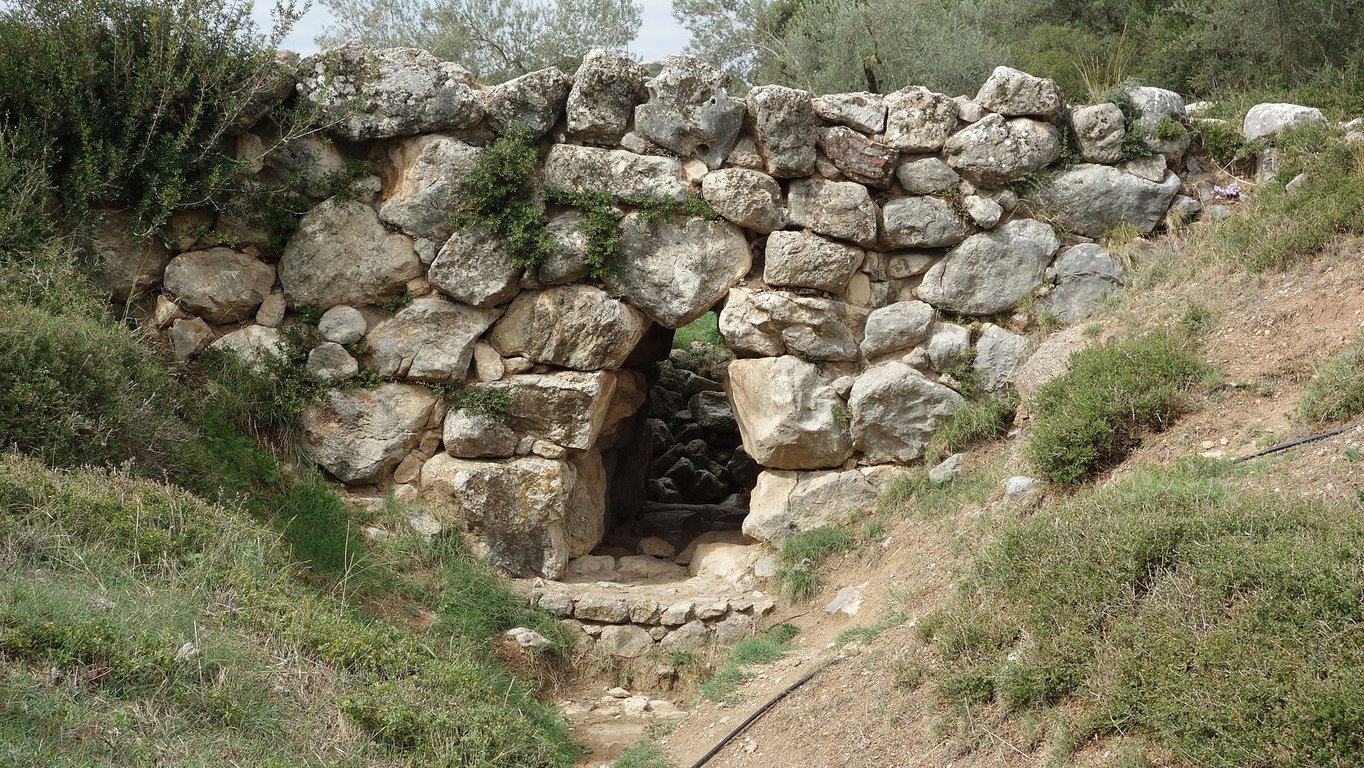
Nestled in the rugged landscape of the Peloponnese, Greece, the Arkadiko Bridge stands as an extraordinary testament to ancient ingenuity.
More than just a crossing, this remarkable structure is one of the oldest surviving arch bridges in the world, dating back to the Mycenaean era, specifically around 1300-1190 BC. A true marvel of Bronze Age engineering, it offers a tangible link to a powerful civilization that shaped early Greek history, inviting visitors to step back in time and marvel at its enduring strength.
A Mycenaean Marvel: Bridging the Bronze Age
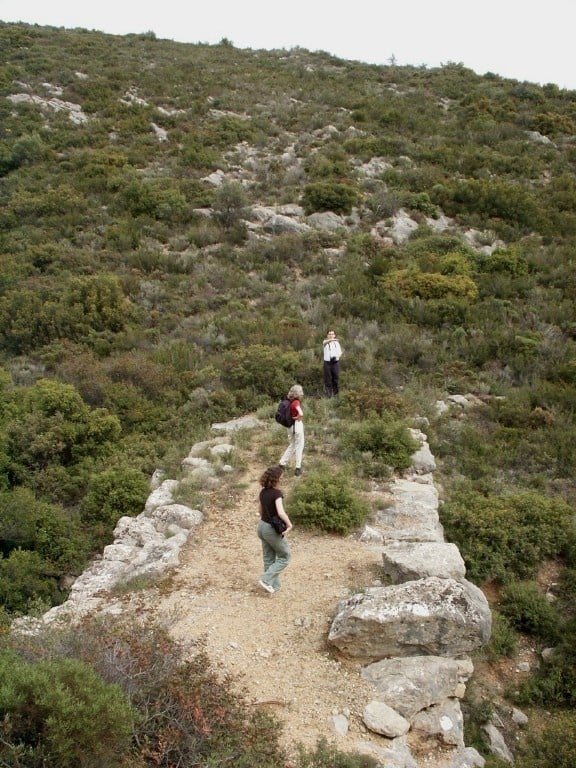
The Arkadiko Bridge is not merely an isolated structure but an integral part of an ancient road network built by the Mycenaean civilization. Constructed during the Late Helladic IIIB period, this network facilitated communication, trade, and military movements between important centers like Mycenae, Tiryns, and the sanctuary of Epidaurus. Its strategic placement allowed for the efficient passage of people, goods, and crucially, chariots, across a ravine on the route connecting Tiryns to Epidaurus. The bridge’s existence underscores the advanced planning and organizational capabilities of the Mycenaean kings, who invested heavily in infrastructure to consolidate their power and expand their influence across the Peloponnese.The Chariot's Path: A Network of Power
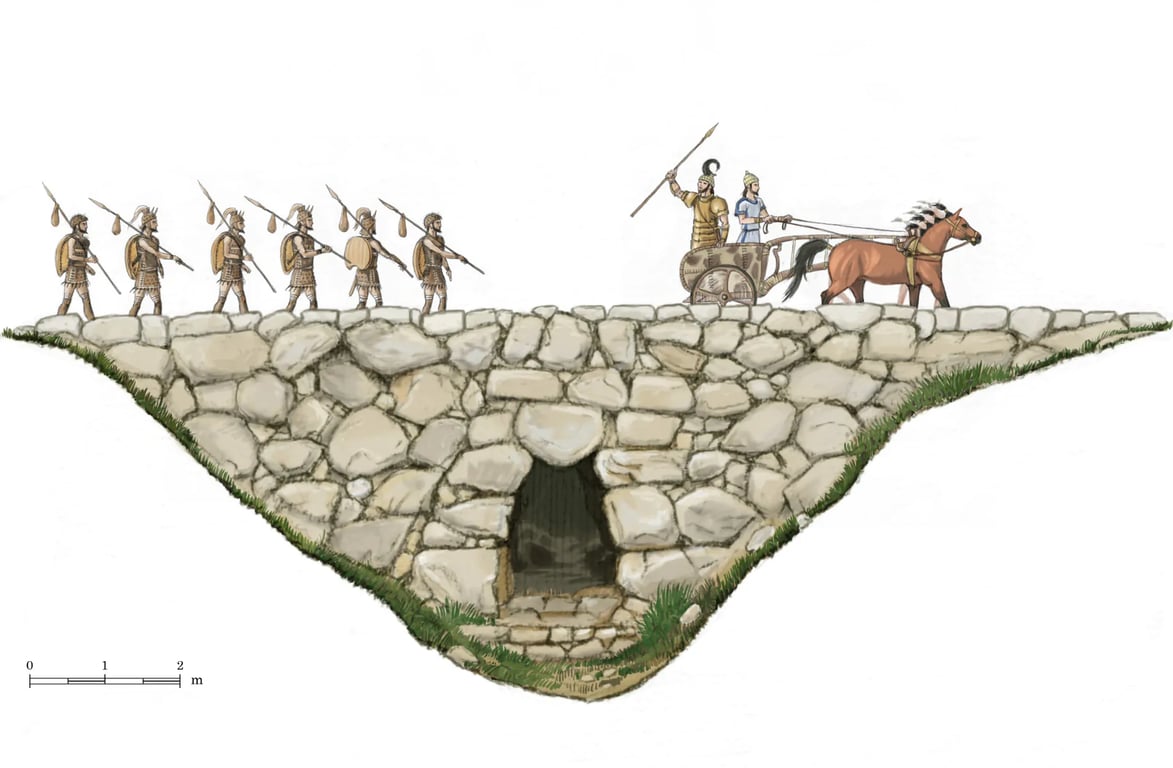
Imagine a bustling Bronze Age landscape, where the rumble of chariot wheels echoed across specially constructed roads. The Arkadiko Bridge was a vital artery in this sophisticated system, designed with a wider top surface to accommodate these ancient vehicles. This network was crucial for the rapid deployment of troops and the swift transport of resources, reflecting the militaristic and administrative prowess of the Mycenaean states. The bridge itself is evidence of a highly developed society with the resources and technical knowledge to undertake large-scale public works projects that would serve generations.Stones of Giants: The Cyclopean Embrace
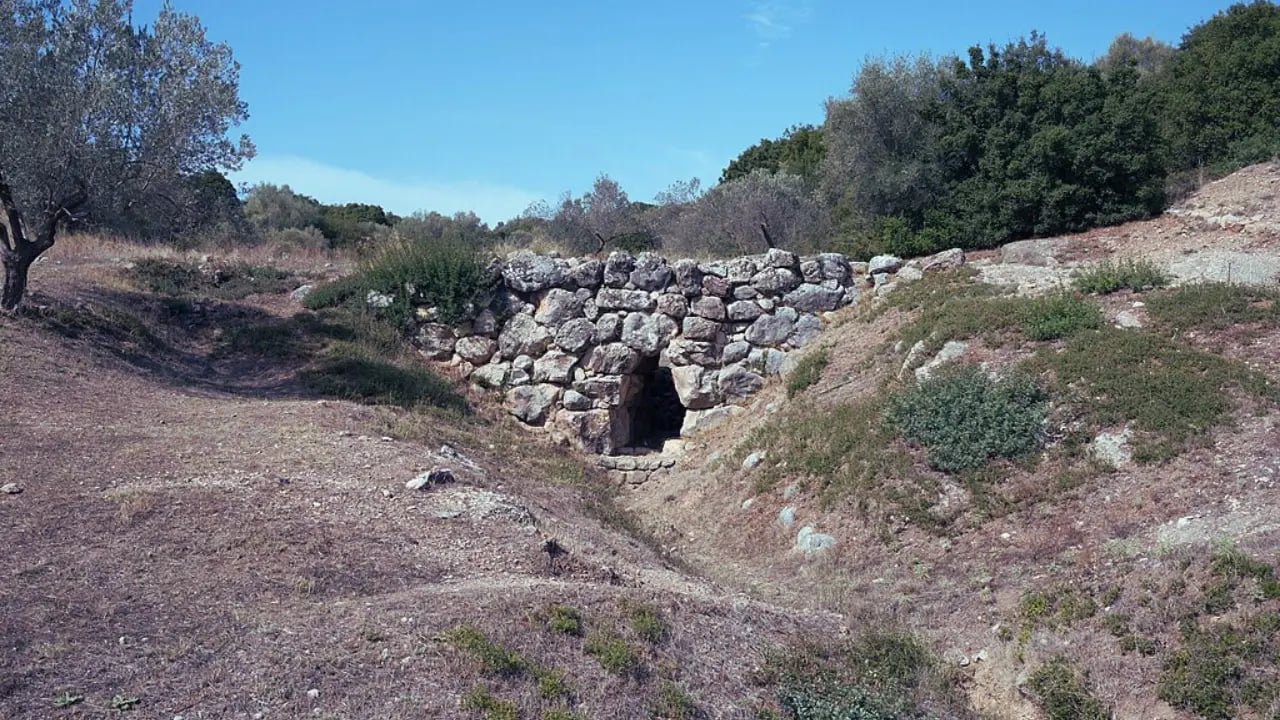
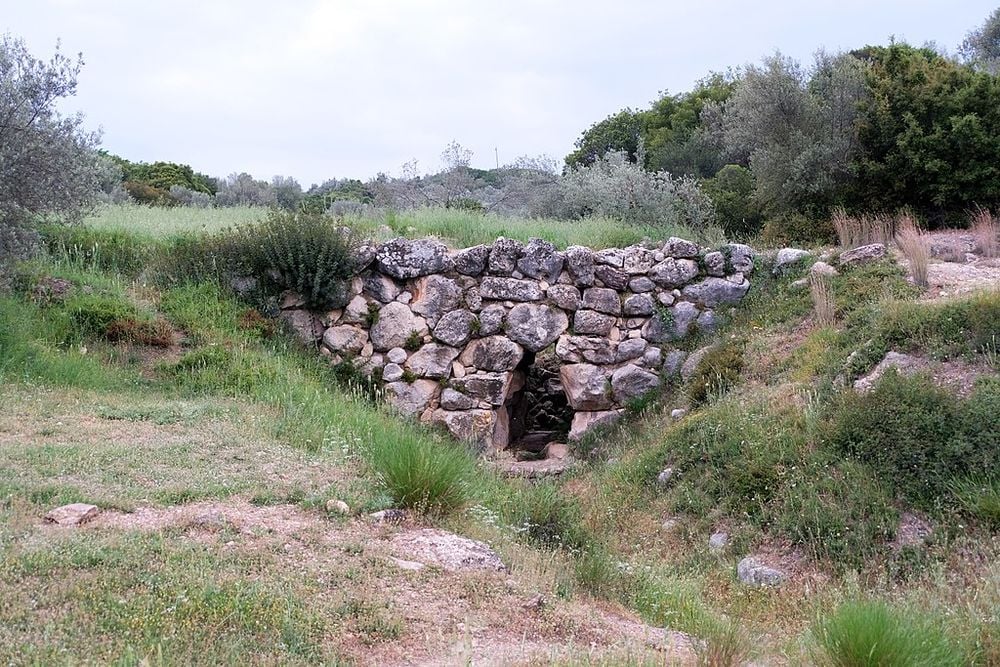
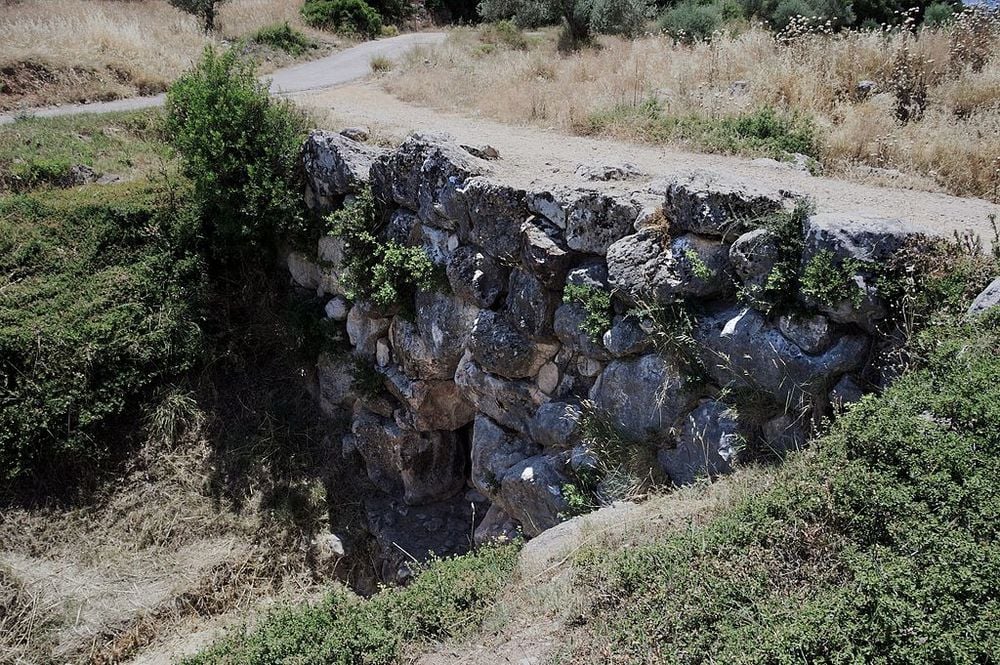
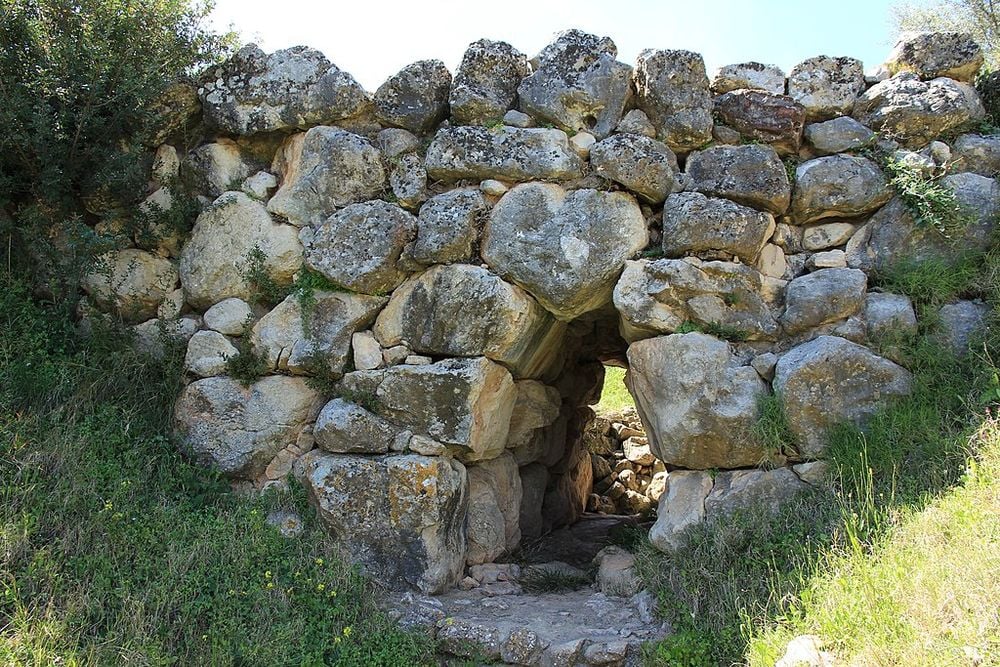
The most striking feature of the Arkadiko Bridge is its construction using the distinctive technique known as cyclopean masonry. This method involves fitting together massive, unworked or roughly dressed limestone blocks without the use of mortar, relying instead on gravity and the precise interlocking of stones for stability. The sheer size of these stones, some weighing several tons, gives the impression that the bridge was built by giants, hence the term "cyclopean." The bridge features a single, well-preserved corbel arch, a primitive form of arch created by progressively stepping stones inwards from either side until they meet at the top.Measuring approximately 22 meters (72 feet) long, 5.60 meters (18 feet) wide, and 4 meters (13 feet) high, the Arkadiko Bridge is an extraordinary example of ancient engineering resilience. The corbel arch, though simpler than true keystone arches, proved incredibly robust, allowing the structure to withstand millennia of natural forces and human activity. Its gentle slope and robust foundations speak volumes about the Mycenaeans' understanding of hydraulics and structural integrity, ensuring that this vital crossing would serve its purpose for centuries, a testament to their foresight in building for eternity.
The Silent Witness: A Testament to Ancient Ingenuity
The Arkadiko Bridge holds immense archaeological and historical significance. It is not only one of the oldest arch bridges in the world but also one of the few Mycenaean bridges still largely intact and, remarkably, still in use. Its survival provides invaluable insights into the daily life, transportation needs, and engineering capabilities of the Mycenaean civilization. It challenges modern perceptions of ancient technology, demonstrating that sophisticated infrastructure was not exclusive to later empires like the Romans, but was a hallmark of earlier, equally advanced societies. The bridge serves as a powerful symbol of human ingenuity and adaptability, showcasing how ancient peoples solved complex engineering challenges with remarkable effectiveness.Today, the Arkadiko Bridge remains an active part of the local infrastructure, a unique distinction for a structure of its age. While modern roads now bypass it for heavy traffic, local farmers and pedestrians continue to cross its ancient stones, connecting the present with the distant past. Its excellent state of preservation is a testament to the quality of its original construction and the relatively low impact of subsequent human activity. Located in a tranquil, rural setting, it is easily accessible and offers a profound experience for anyone interested in ancient history and engineering.
Experiencing History Up Close
Visiting the Arkadiko Bridge is a truly immersive historical experience. There are no grand visitor centers or extensive interpretive panels; the bridge itself is the exhibit. Standing on its cyclopean stones, one can almost hear the echoes of Mycenaean chariots and feel the presence of ancient travelers. It offers a tangible connection to a civilization that once dominated the Aegean, allowing visitors to appreciate the raw power and enduring legacy of Bronze Age Greece. It serves as a quiet, yet powerful, reminder of the continuity of human endeavor and the structures that connect us across millennia.The Arkadiko Bridge, often celebrated as a marvel of Mycenaean engineering, holds more than just a place in history books.
Beneath its ancient stones and within the rugged landscape it straddles, lie whispers of deeper mysteries, unproven theories, and local legends that challenge conventional understanding. For those who seek beyond the well-trodden path, this Bronze Age structure offers a tantalizing glimpse into a past far more enigmatic than commonly perceived.
While archaeologists marvel at its age, a lesser-discussed enigma is the sheer audacity of its survival. Built entirely of massive, unworked limestone boulders in a corbelled arch style, the Arkadiko Bridge uses no mortar whatsoever. Its stability relies solely on the precise placement and immense weight of its stones, a testament to an understanding of physics that seems almost impossible for its era.
Scholars rarely delve into *why* this particular bridge, among countless other Mycenaean structures, endured millennia of earthquakes, floods, and the ravages of time. Was it an experimental design, a sacred construction imbued with a resilience beyond mere engineering, or perhaps built to withstand specific, forgotten environmental challenges? Some theories suggest a sophisticated understanding of seismic activity, embedding flexibility into the very structure, a "living" bridge designed to shift rather than shatter.
Mythic Builders and Spectral Guardians
Local folklore surrounding the Arkadiko Bridge extends far beyond its historical utility. Legend has it that the bridge was not built by mortal hands alone, but with the aid of the Cyclopes, the mythical one-eyed giants renowned for their megalithic constructions. This tale, echoing similar myths from other ancient Greek sites like Mycenae itself, suggests a profound awe at the structure's scale and dry-stone precision, attributing its impossible strength to preternatural forces.
Other, more chilling tales speak of unseen guardians, spectral figures or ancient spirits said to protect the bridge's secrets, emerging on moonless nights. Villagers have recounted strange encounters, disembodied whispers, or fleeting shadows near the ancient crossing, hinting at a spiritual significance lost to modern memory.
The Improbable Arch: Lost Knowledge or Otherworldly Aid?
The very construction of the Arkadiko Bridge sparks enduring debate among archaeologists and engineers. The corbelled arch, while seemingly simple, requires immense skill and an intuitive grasp of load distribution. Without the mathematical principles of true arch construction, how did the Mycenaeans achieve such a perfect, enduring span?
Some theories propose a lost branch of ancient engineering knowledge, perhaps derived from observation of natural forms or even passed down from an earlier, advanced civilization. Was it a technique perfected through trial and error over centuries, or does its isolated perfection suggest a unique, perhaps even singular, instance of genius that leveraged an understanding of material science we have yet to rediscover? The debate continues to fuel speculation about the true extent of Mycenaean scientific prowess.
Beyond its local context, some researchers ponder if the Arkadiko Bridge holds clues to broader, unexplained connections across the ancient world. The dry-stone, corbelled arch technique, while prominent in Mycenaean Greece, also appears in various forms in distant megalithic cultures – from the tholos tombs of Sardinia to certain pre-Columbian structures in the Americas.
While direct contact is unproven, the striking similarities in architectural solutions raise intriguing questions. Was there a shared, ancient knowledge base, a universal understanding of stone construction that transcended geographical boundaries? Or could the Arkadiko Bridge be a subtle indicator of a forgotten network of interactions, a testament to a global pattern of engineering ingenuity that challenges our linear view of human development?
Arkadiko Bridge — photo gallery
Arkadiko Bridge — collectible cards
Collectible cards for this site — AI-generated illustrations from our memory game, not photographs of the site.