Cetatea Dacică de la Căpâlna
Hike through a Romanian forest to discover the ruins of a 2,000-year-old Dacian fortress. This UNESCO site offers a raw, atmospheric journey into ancient history.
Cetatea Dacică de la Căpâlna
Part of the formidable network of fortifications that once protected the heart of the Dacian kingdom, Cetatea Dacică de la Căpâlna stands as a rugged testament to pre-Roman ingenuity. As one of the six "Dacian Fortresses of the Orăștie Mountains" designated as a UNESCO World Heritage Site, this fortress offers not a manicured tourist experience, but a genuine journey into a wild, atmospheric past. Perched on a steep, forested hill, its stone ruins reward intrepid visitors with a profound sense of discovery and commanding views over the Sebeș Valley.
The Ascent to a Dacian Stronghold
Reaching the fortress is an integral part of the experience. The adventure begins in the village of Căpâlna. Look for the sign near the bridge off the DN67C road, which points the way to the archaeological site. From this point, you leave the modern world behind for a vigorous two-kilometer hike. The path is a steep, unpaved gravel road that winds its way upward through a dense and beautiful forest. Sturdy hiking shoes are not just a recommendation but a necessity for navigating the challenging incline and uneven terrain safely. It's crucial to trust the local road signs over digital navigation; multiple visitors have noted that GPS services like Google Maps can be misleading, often suggesting incorrect or impassable routes. Following the marked trail ensures you stay on the right path to the summit.
Echoes of Conflict on the Hilltop
Constructed in the latter half of the 1st century BCE, the fortress at Căpâlna served as a key military defense point. Its strategic location was vital for guarding the main road from the Sebeș Valley towards Sarmizegetusa Regia, the sacred capital of the Dacians. The fortress featured a formidable elliptical wall, built using the classic Dacian "murus dacicus" technique of cut stone blocks without mortar, and was reinforced with a prominent residential tower, or donjon. This stronghold witnessed the rising tensions between the expanding Roman Empire and the resilient Dacian kingdom, ultimately falling to the legions of Emperor Trajan during the Dacian Wars in the early 2nd century CE. Its capture and subsequent destruction marked a critical step in the Roman conquest of the region.
Exploring the Forest-Clad Ruins
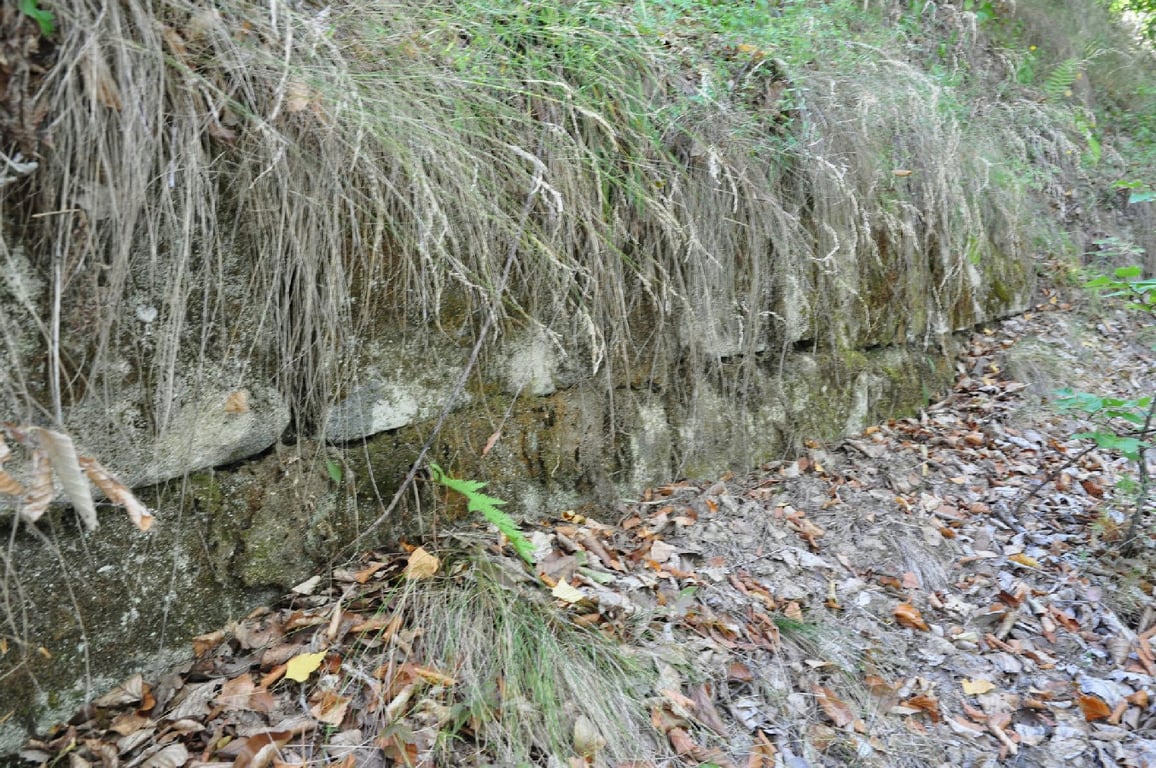
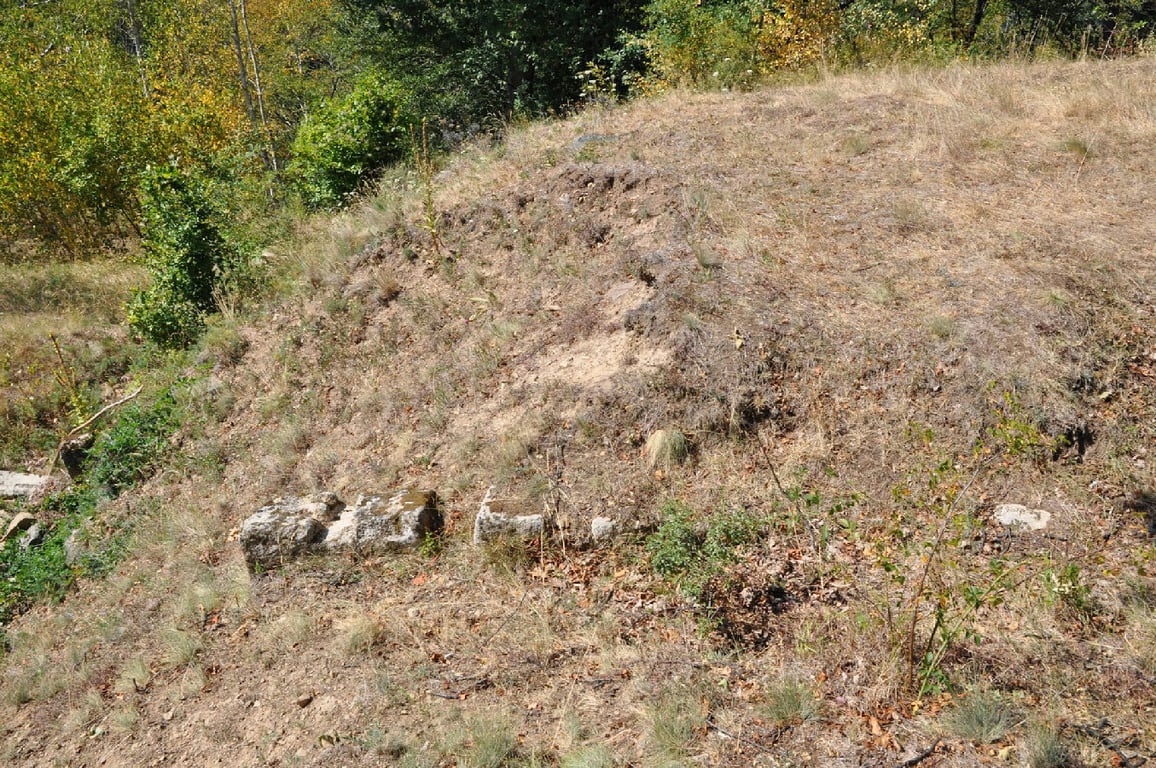
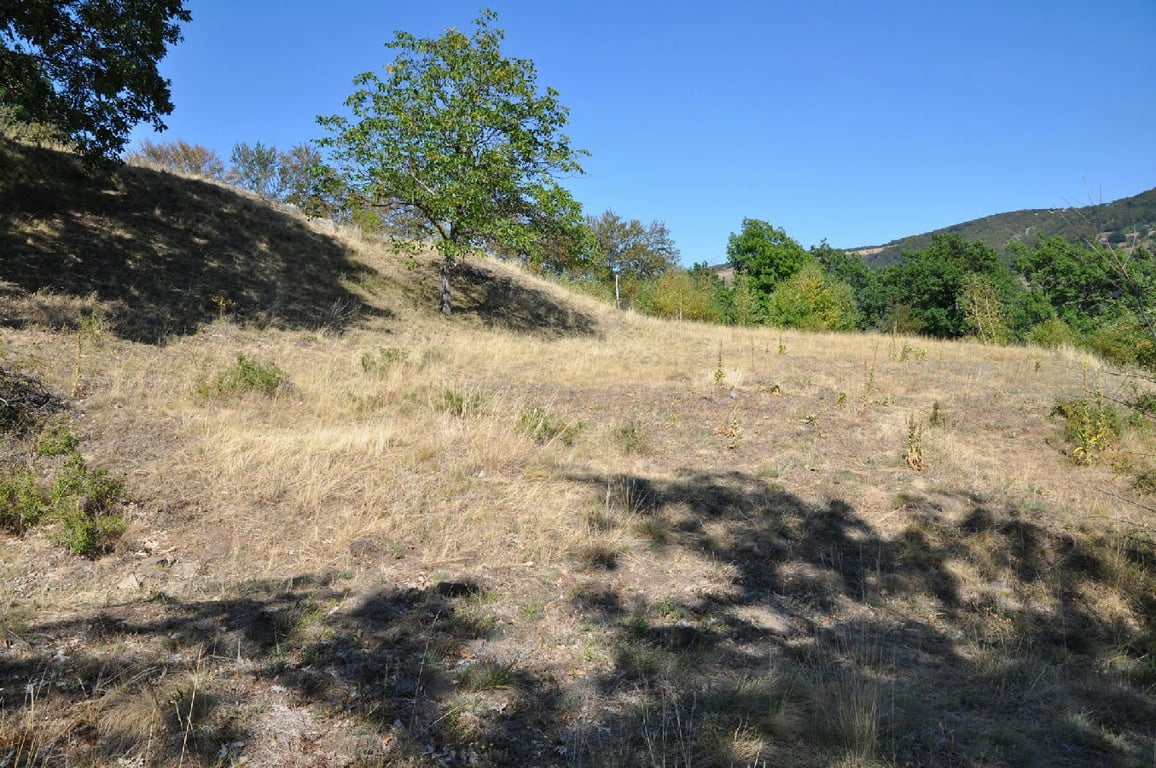
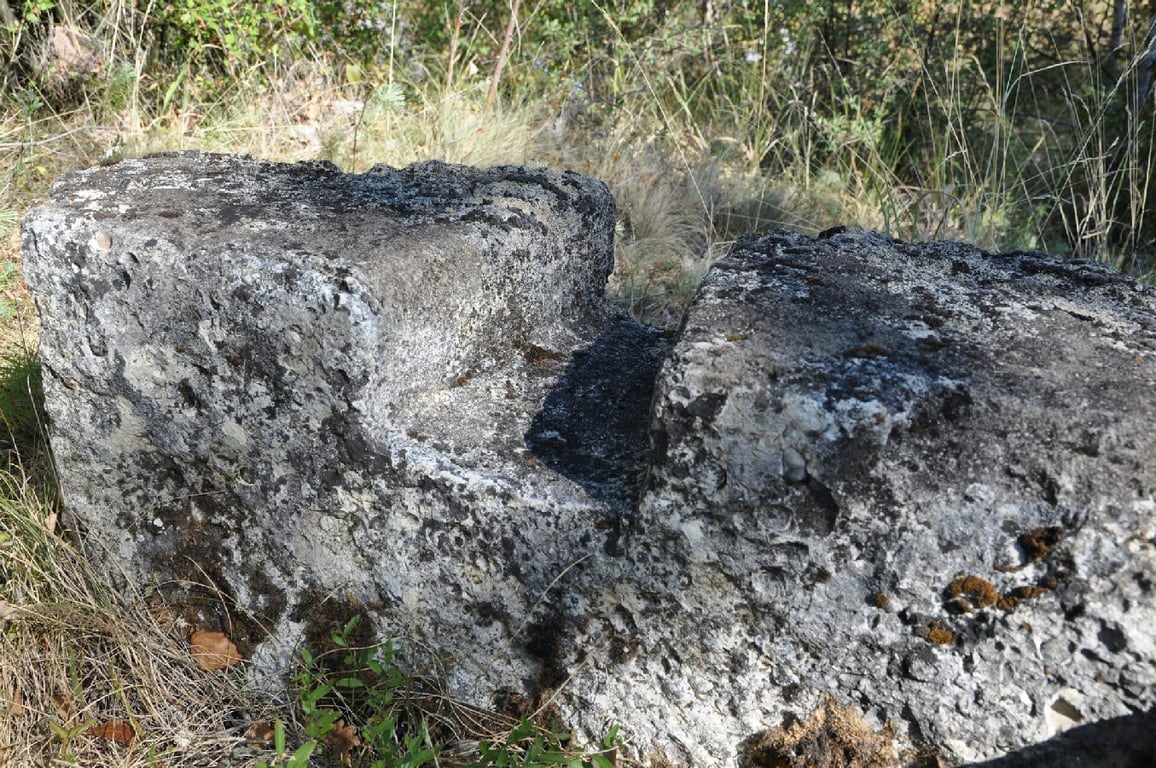
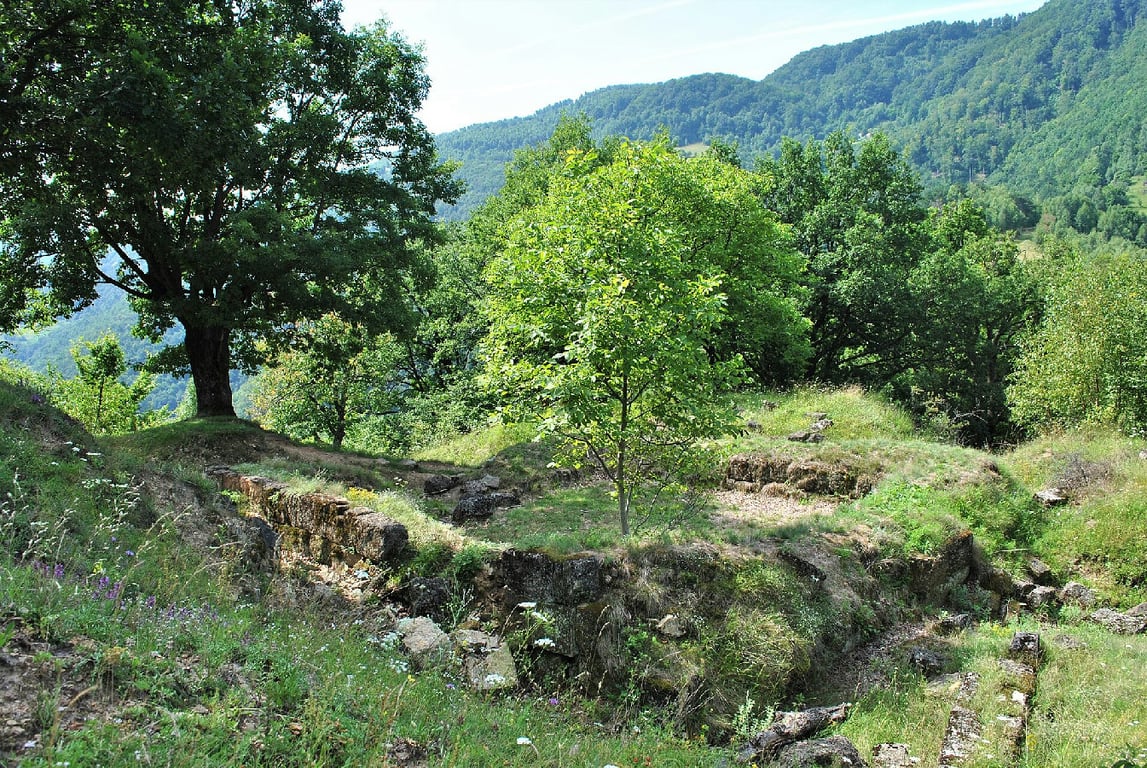
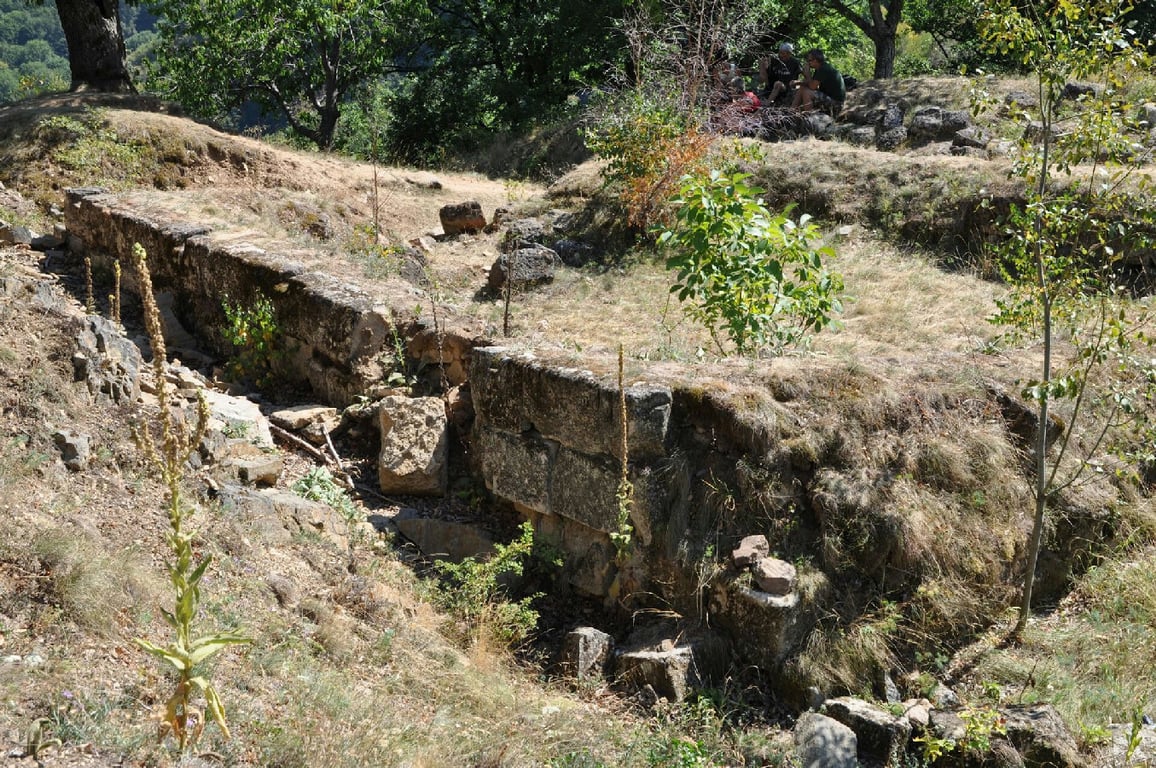
Today, the site remains untamed and minimally maintained, which is central to its appeal. There are no entrance fees or restrictive opening hours; the fortress is accessible 24/7 to those willing to make the climb. As you emerge from the forest onto the plateau, you are greeted by the remaining foundation walls snaking through the undergrowth. The footprint of the main tower is still clearly visible, a silent reminder of its former dominance over the landscape. Exploring the ruins is a quiet, contemplative affair. Manage your expectations accordingly — this is an authentic archaeological site embedded in nature, not a reconstructed park. For the best experience, plan your visit for early morning on a clear day. The soft light filtering through the trees and the panoramic views create an unforgettable atmosphere, connecting you directly to the ancient spirit of the place.
Echoes from the Wolf's Citadel: Căpâlna's Unsolved Mysteries
Beyond the official narratives of Roman conquest and Dacian defense lies a Căpâlna steeped in enigma. While its sister fortresses in the Orăștie Mountains are famed for their sprawling sanctuaries and complex walls, Căpâlna presents a different, more intimate puzzle. It was less a sprawling military complex and more of a fortified noble residence, a sentinel tower guarding the southern approach to the Dacian heartland. This unique identity is the key that unlocks its most compelling secrets, suggesting a purpose that transcends mere warfare and enters the realm of power, prestige, and forgotten rituals.
A Bastion of Contradictions
The very stones of Căpâlna challenge our understanding of Dacian architecture. Unlike the classic murus dacicus (Dacian wall) technique seen prominently at other sites, Căpâlna's construction shows unusually refined Hellenistic influences. The precision-cut stone blocks of its central tower, or donjon, speak of foreign craftsmanship or a Dacian elite with a distinct taste for Greek aesthetics. This has sparked debate among archaeologists: Was Căpâlna the personal stronghold of a powerful, cosmopolitan chieftain who traded directly with the Greek world? Or was it a statement piece, an intentional display of sophistication and power meant to intimidate rivals and impress allies along the vital Sebeș Valley trade route?
The Phantom of the Sebeș Valley
While historical records are silent, local folklore fills the void with haunting tales. The fortress is said to be the domain of a guardian spirit, a Zână (a fairy or ethereal being in Romanian mythology) who took the form of the last Dacian noblewoman to inhabit the citadel. The legend speaks of her defiance against the encroaching Roman legions.
The Vow of the Priestess-Queen
According to whispers passed down through generations, this noblewoman was also a priestess of the wolf god, Zalmoxis. Rather than see her sacred home fall into enemy hands, she is said to have performed a final ritual, binding her spirit to the stones of the fortress. It is claimed that on nights of the full moon, her ethereal silhouette can be seen pacing the ruined ramparts, her gaze fixed southward, forever watching the path from which the invaders came. Locals claim that those who visit with disrespect feel a sudden, inexplicable chill, a warning from the eternal guardian.
A Node in a Sacred Network?
Looking beyond a purely military function, some researchers propose a more esoteric purpose for Căpâlna. Its strategic placement offers a commanding view, making it an ideal link in a chain of signal fires that could relay messages to the capital, Sarmizegetusa Regia, in mere minutes. But fringe theories go further, suggesting the Dacian fortresses form a pattern of sacred geometry laid across the landscape. In this model, Căpâlna is not just a defensive outpost but a crucial energetic node, an anchor point for ley lines or telluric currents. Was its prominent tower designed not just for observation, but as an antenna to channel terrestrial or celestial energies, connecting the Dacian kingdom to the cosmos itself? The question remains, buried beneath the soil and the silence of two millennia.
Cetatea Dacică de la Căpâlna — photo gallery