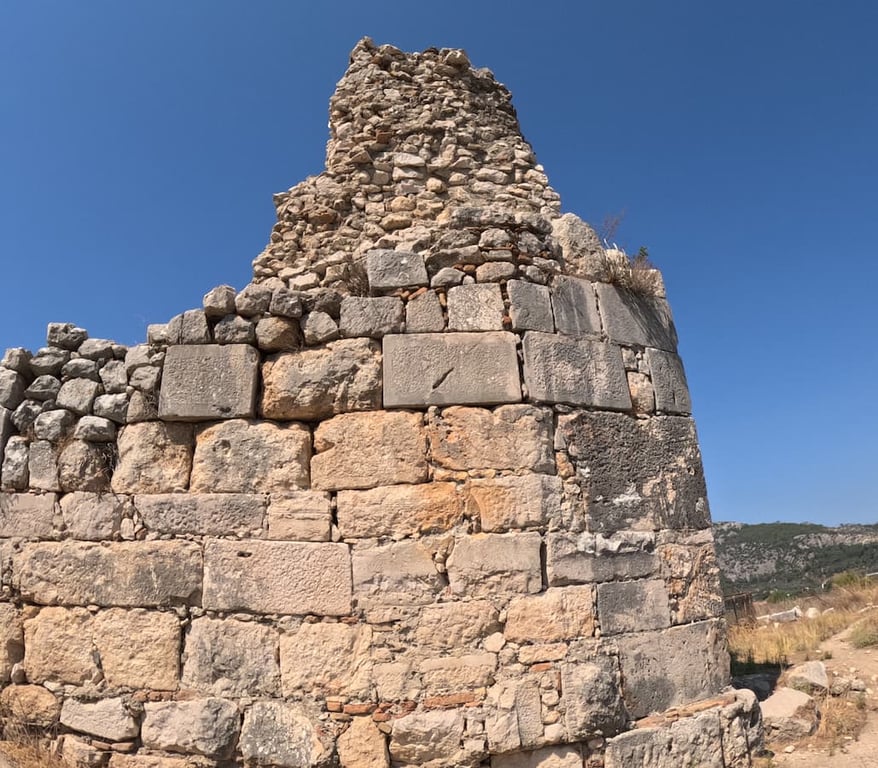
Xanthos Ancient City
Where Lycia's defiant spirit built monumental tombs and resisted empires - the ancient city of Xanthos.
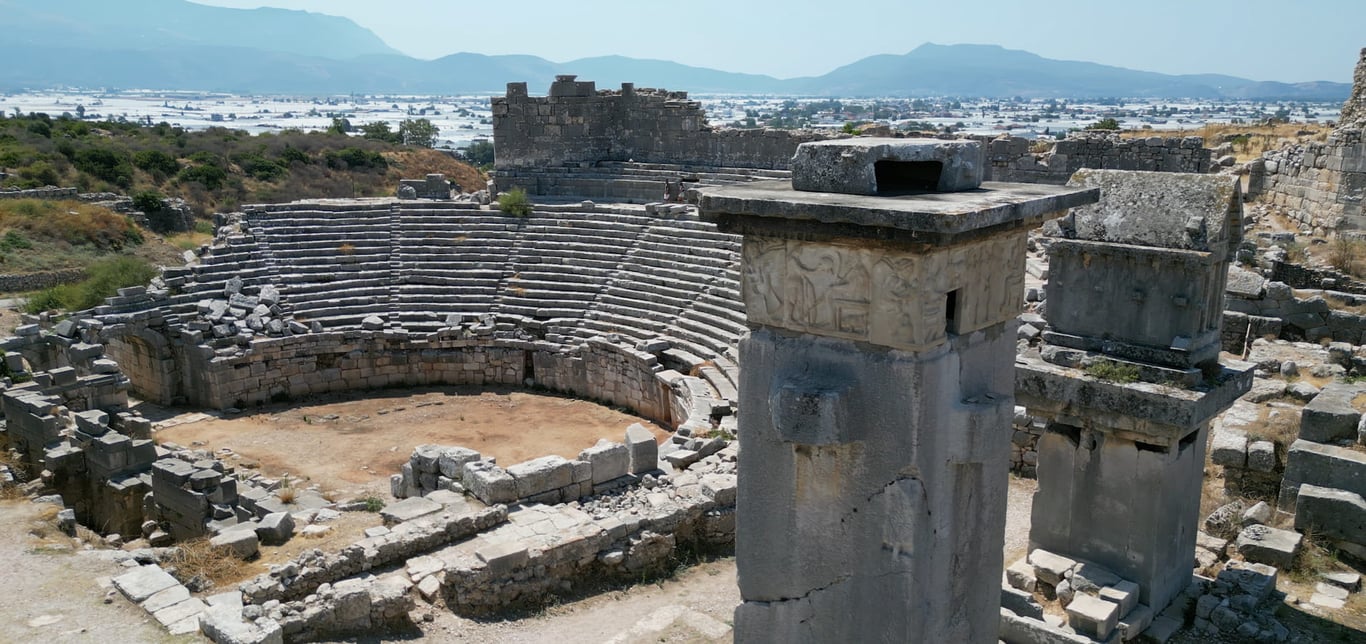
Perched majestically in the ancient region of Lycia, Xanthos stands as a monumental testament to human resilience, artistic genius, and a rich, complex history. This celebrated archaeological site, recognized globally for its unique Lycian culture and stunning funerary art, offers a captivating journey back in time.
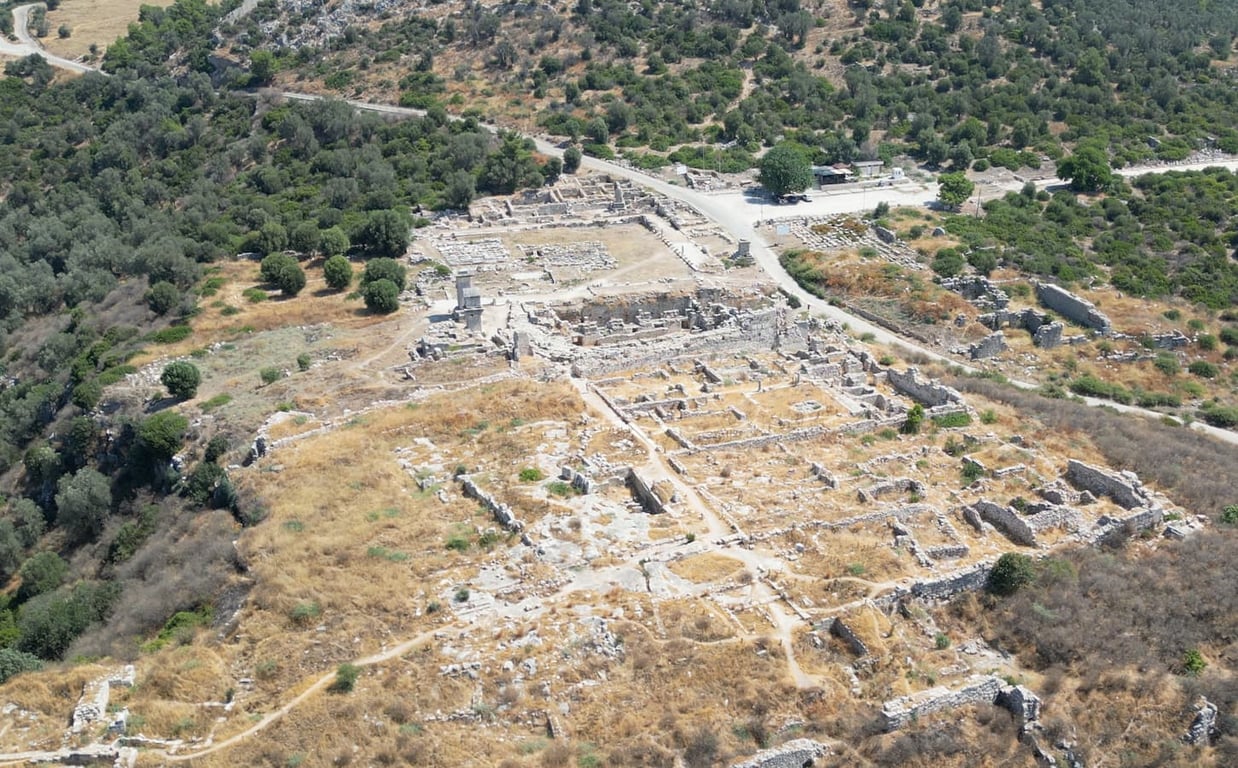
From its strategic hilltop location, Xanthos ancient city commanded a sweeping view of the Xanthos Valley, shaping its destiny as a powerful political and cultural hub for centuries. Its enduring ruins whisper tales of fierce independence, sophisticated artistry, and dramatic historical events, making it an indispensable destination for anyone seeking to understand the vibrant tapestry of ancient Anatolia.
From Bronze Age Bastion to Lycia's Enduring Heart
The origins of Xanthos are deeply rooted in the Bronze Age, with evidence suggesting continuous settlement dating back to at least the 8th century BCE. However, it was as the capital of Lycia that Xanthos truly flourished, becoming the political and cultural epicenter of this fiercely independent people.
Unlike many of its neighbors, Lycia maintained a unique identity, often resisting the sway of larger empires. Xanthos, in particular, is famed for its dramatic acts of collective suicide rather than surrender, notably against the Persians in the 6th century BCE and later against Brutus's Roman forces in 42 BCE. Each time, the city rose from its ashes, rebuilt with renewed vigor, testament to the indomitable spirit of its inhabitants. This remarkable history of destruction and rebirth is etched into every stone of Xanthos ruins, showcasing layers of Lycian, Hellenistic, and Roman influence.
The Unique Face of Xanthos
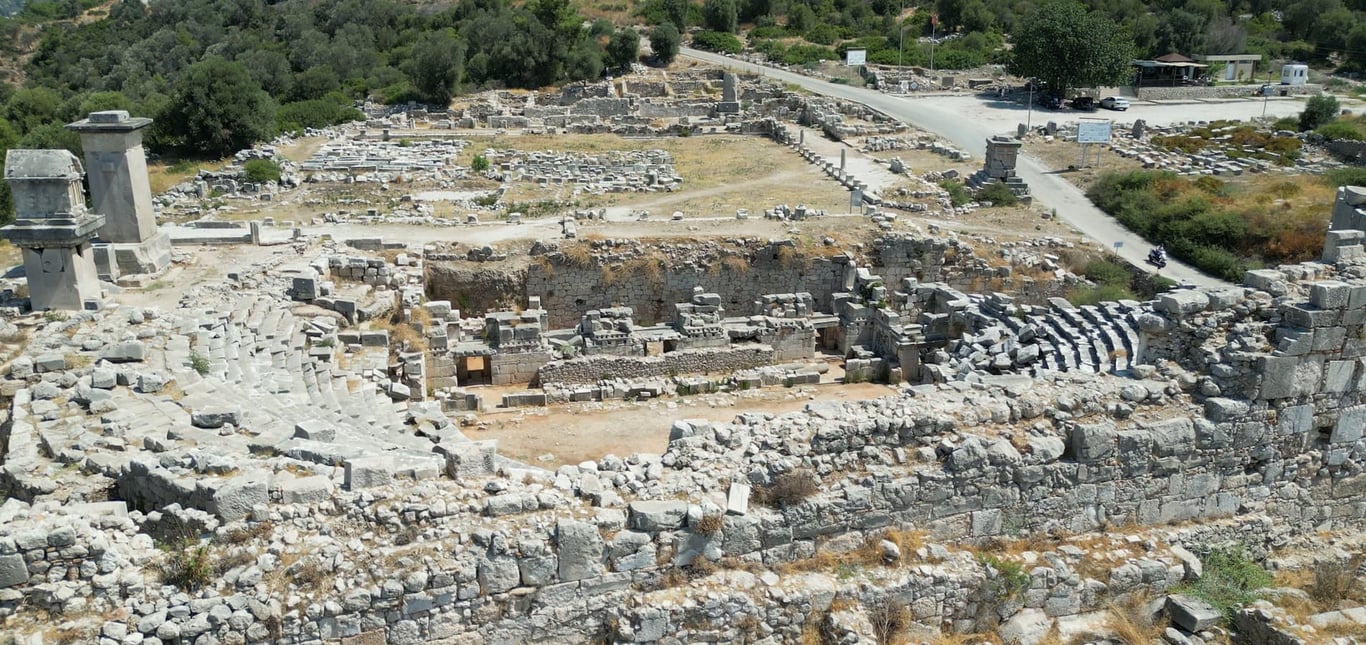
The architectural landscape of the Xanthos archaeological site is truly distinctive, characterized by its extraordinary funerary monuments. These are not merely tombs but elaborate sculptures that combine Lycian traditions with Hellenistic artistic styles, creating a visual language unique to the region. The city's acropolis, theater, and agora provide a glimpse into daily life, but it is the necropolis that truly defines Xanthos.
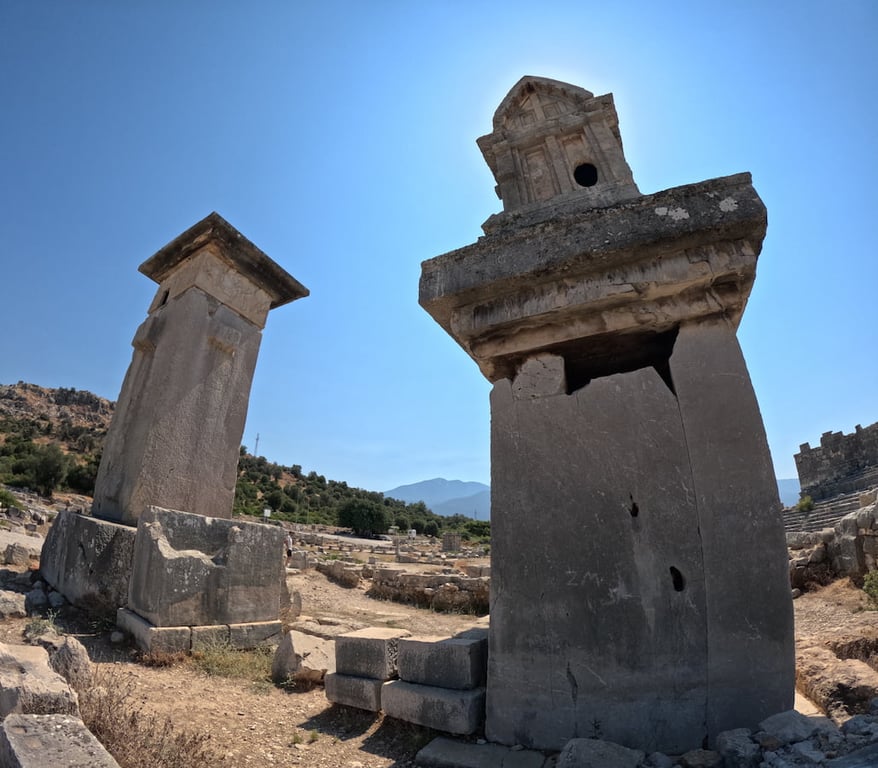
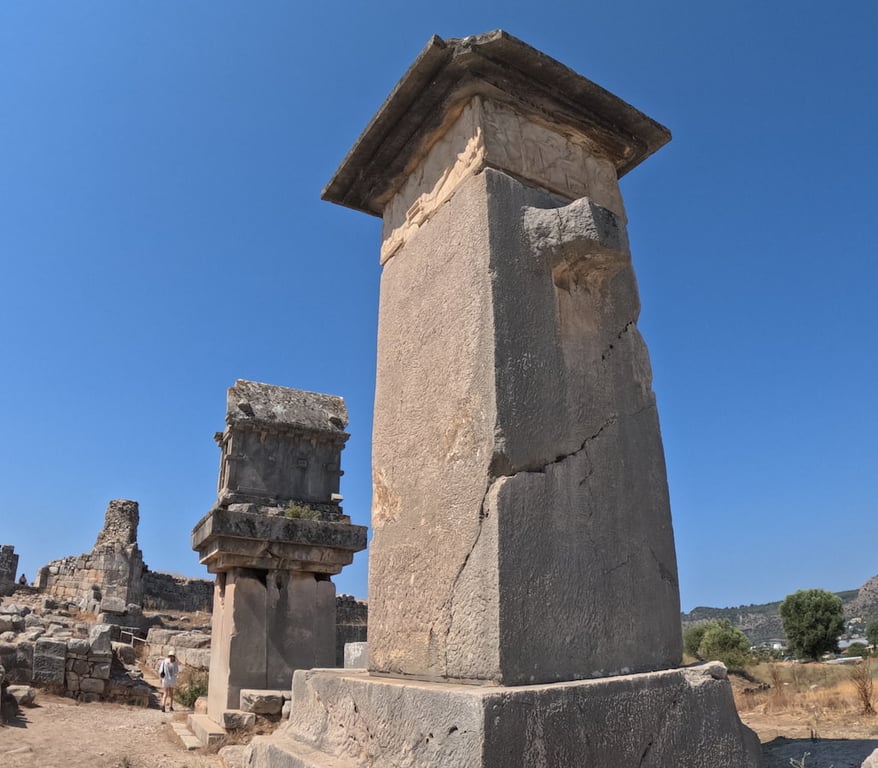
Among the most iconic features are the towering pillar tombs, such as the famous Harpy Tomb. These monumental structures, often adorned with intricate reliefs depicting mythological scenes and funerary banquets, elevate the deceased high above the ground. The Harpy Tomb, now represented by a replica on site (the original reliefs are in the British Museum), showcases exquisite carvings of bird-like creatures, believed to be the mythical Harpies, carrying away souls. These unique Lycian tombs Xanthos are a powerful symbol of the city's artistic prowess and its distinctive approach to honoring the dead.
Another marvel is the Nereid Monument, a grand Lycian temple-tomb that once stood atop a high podium, adorned with friezes and free-standing sculptures of Nereids (sea nymphs). Though much of its original splendor is now housed in London, its foundations at Xanthos provide a compelling sense of its former magnificence. Visitors can also explore rock-cut tombs carved directly into the cliffs, offering a diverse array of funerary architecture that reflects the evolving artistic and religious practices of ancient Xanthos.
The Epigraphic Treasures of Xanthos
Xanthos holds immense cultural and archaeological significance, not least for its role in deciphering the enigmatic Lycian language. The Xanthian Obelisk, a multi-lingual stele inscribed with Lycian, Greek, and other languages, was crucial in understanding this ancient tongue.
The wealth of inscriptions found across the site offers unparalleled insights into Lycian laws, customs, and religious beliefs, making Xanthos a cornerstone for the study of this remarkable civilization. The archaeological importance of Xanthos extends to its continuous stratigraphic layers, which have provided invaluable data on the successive cultures that inhabited the region, from the earliest Lycians through the Hellenistic and Roman periods.
Xanthos Today and Tomorrow
Today, the Xanthos archaeological site, along with the nearby sanctuary of Letoon, proudly holds the designation of a UNESCO World Heritage site. This recognition underscores its outstanding universal value and the critical need for its ongoing preservation. Extensive conservation efforts are continuously underway to protect the delicate reliefs, structural integrity of the ancient buildings, and the overall landscape from natural erosion and the impacts of tourism. A visit to UNESCO World Heritage Xanthos offers a profoundly moving experience, allowing visitors to walk among the silent stones of a city that defied empires, celebrated artistry, and left an indelible mark on history.
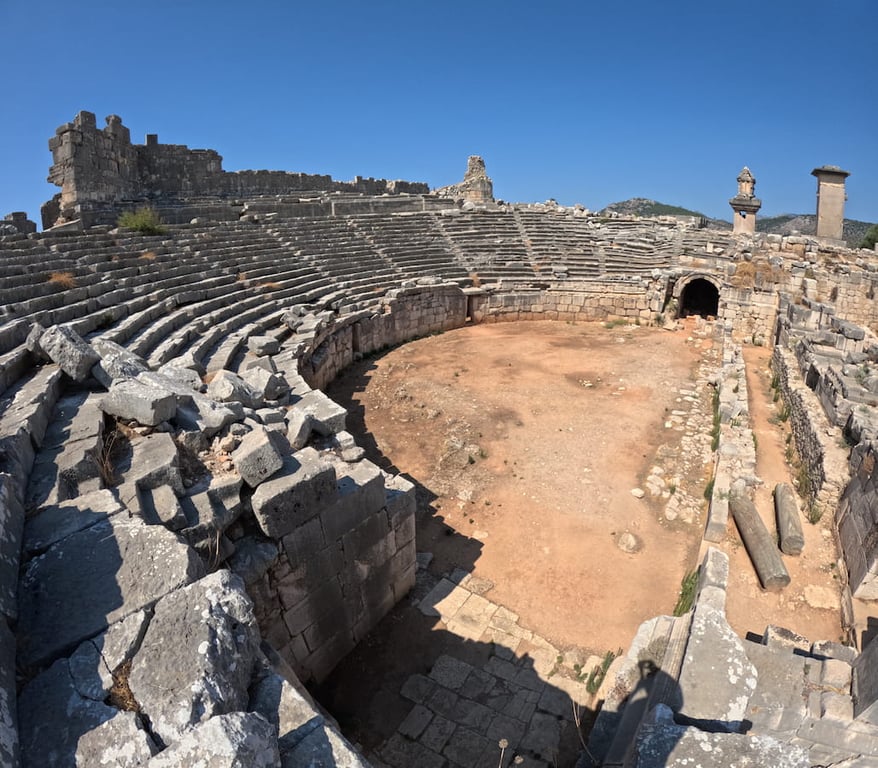
Exploring Xanthos today involves wandering through the remains of its theater, climbing to the acropolis for panoramic views, and contemplating the various tomb types that dot the landscape. Informative plaques guide visitors through the different periods of occupation, bringing the Lycian Xanthos to life. The site is well-maintained, providing an accessible and engaging experience for all who wish to delve into the rich heritage of this extraordinary ancient city.
Beyond the well-trodden paths of historical record and the celebrated artistry of its monumental tombs, Xanthos harbors a deeper, more enigmatic identity.
This ancient Lycian capital, while renowned for its resilience and unique cultural footprint, holds secrets whispered in the wind that rustles through its ruins -tales of defiant sacrifices, languages from forgotten lineages, and spectral guardians of its hallowed grounds.
For the open-minded seeker, Xanthos is not merely a collection of stones, but a pulsating enigma, inviting us to peer into its shadowed past and question what we think we know.
The Phoenix's Fiery Pact: Xanthos's Grim Rebirths
While Xanthos is lauded for its endurance, fewer accounts delve into the chilling, repeated acts of collective self-immolation that punctuate its history. Not once, but at least twice, the Xanthians famously chose to burn their city and themselves rather than submit to invaders.The silent necropolises of Xanthos, with their towering pillar tombs and rock-cut facades, are more than just resting places; they are said to be alive with unseen presences. Local folklore abounds with stories of spectral guardians and ancestral spirits protecting the ancient city.
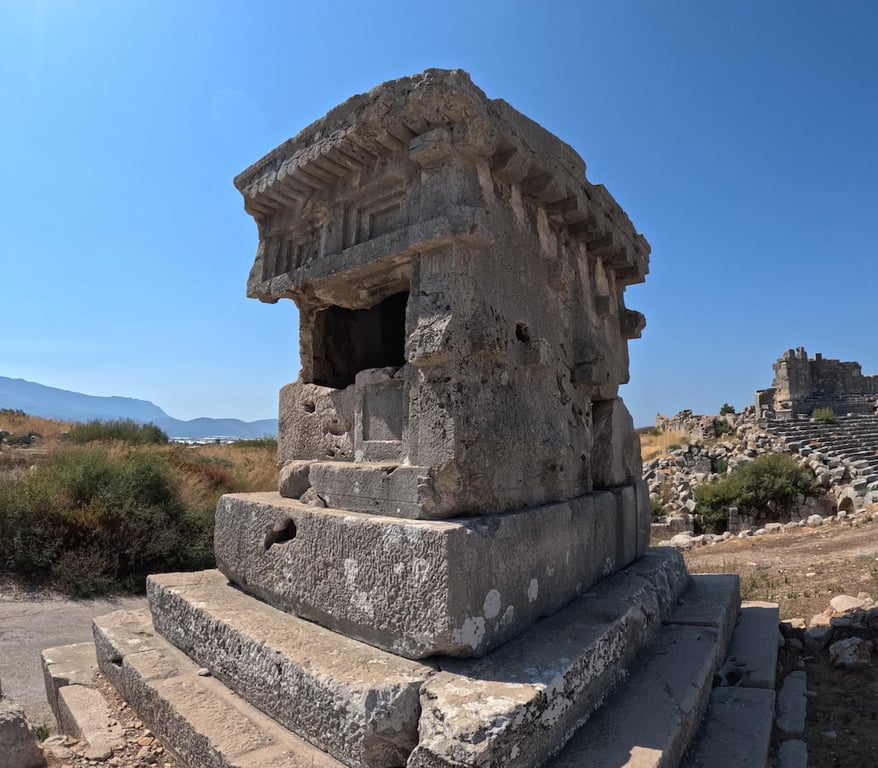
Among the Lycian people, tales persist of a specific type of Djinn, or benevolent but mischievous spirits, that dwell within the ancient stones of Xanthos. These entities are believed to watch over the tombs, particularly the unique house-like sarcophagi and the intricately carved Harpy Tomb. Locals sometimes speak of strange lights seen flickering among the ruins at dusk, or disembodied whispers carried on the breeze—warnings, perhaps, to those who would disturb the eternal slumber of the Xanthian elite, or simply echoes of a vibrant, spiritual past.
The Tongue of the Ancestors
The Lycian language itself presents an enduring mystery, a linguistic island in the Indo-European sea. Unlike its Greek and Anatolian neighbors, Lycian is a distinct language, part of the Luwian subgroup of Anatolian languages, but with its own unique script and grammar. Scholars still grapple with its precise origins and evolution, debating whether it represents a very ancient, pre-Indo-European substratum, or a unique branch that diverged incredibly early.The Cryptic Codes of the Pillars: Unread Messages
Many of Xanthos's pillar tombs, including the famous Xanthian Obelisk, bear lengthy inscriptions in the Lycian language, often accompanied by Greek. While much has been deciphered, certain phrases, grammatical structures, and particularly the nuances of their poetic or ritualistic content remain elusive. Could these ancient stones hold deeper philosophical or cosmological insights yet to be fully unlocked, offering a window into a worldview far removed from our own?While Xanthos's Lycian identity is strong, intriguing theories suggest connections reaching far beyond its immediate neighbors, hinting at a broader, perhaps even global, cultural exchange in antiquity.
The Minoan Mirror: Echoes in Lycian Art?
Some scholars have drawn intriguing parallels between certain motifs found in Lycian funerary art and much older Minoan iconography from Crete. The graceful, often enigmatic depictions of women, flora, and specific geometric patterns on Xanthian sarcophagi and reliefs sometimes bear a striking resemblance to Minoan frescoes and seal stones. Is this merely coincidental artistic evolution, or does it hint at a deeper, unacknowledged cultural lineage or maritime trade routes that connected Lycia to the sophisticated Minoan civilization centuries before the rise of classical Greece? The possibility sparks a fascinating debate about the hidden networks of the ancient world.Xanthos Ancient City — photo gallery