Ad Aquas (Călan)
Discover the remnants of Ad Aquas, a significant Roman fort and settlement in ancient Dacia, famed for its strategic position and revitalizing thermal springs that attracted legions and civilians alike.
Ad Aquas (Călan)
Nestled in the heart of Hunedoara County, Romania, lie the archaeological remains of Ad Aquas, a pivotal Roman site that once thrived at the intersection of military might and natural healing. Located near the modern town of Călan, this ancient settlement served as a crucial outpost in the Roman province of Dacia, primarily known for its strategic fort and the therapeutic thermal springs from which it derived its name. The site offers a fascinating glimpse into the lives of Roman soldiers, administrators, and civilians who populated this frontier region, drawn by both duty and the promise of health.
The Roman Presence and Thermal Springs
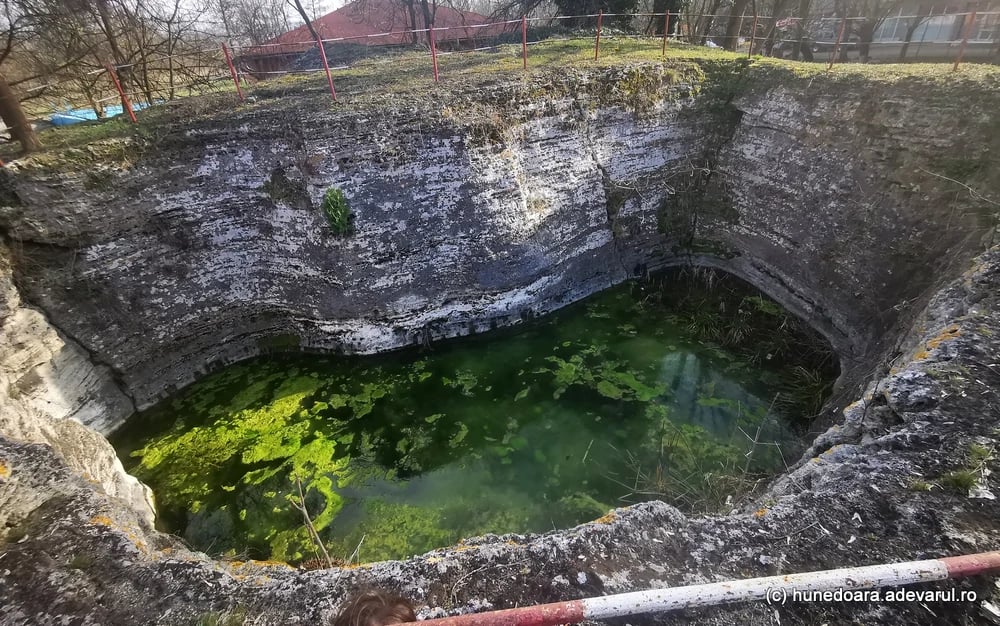
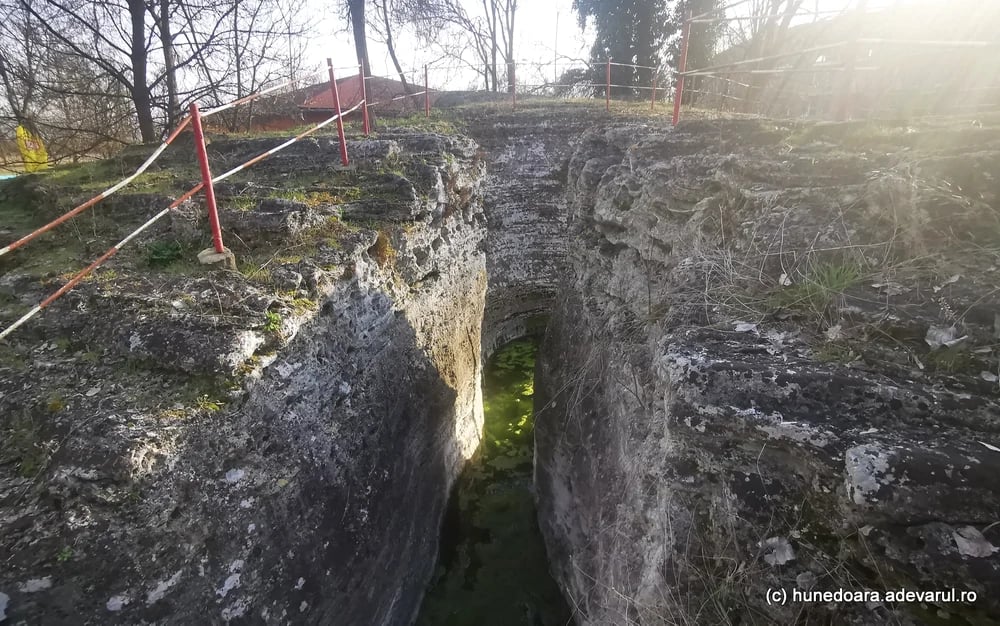
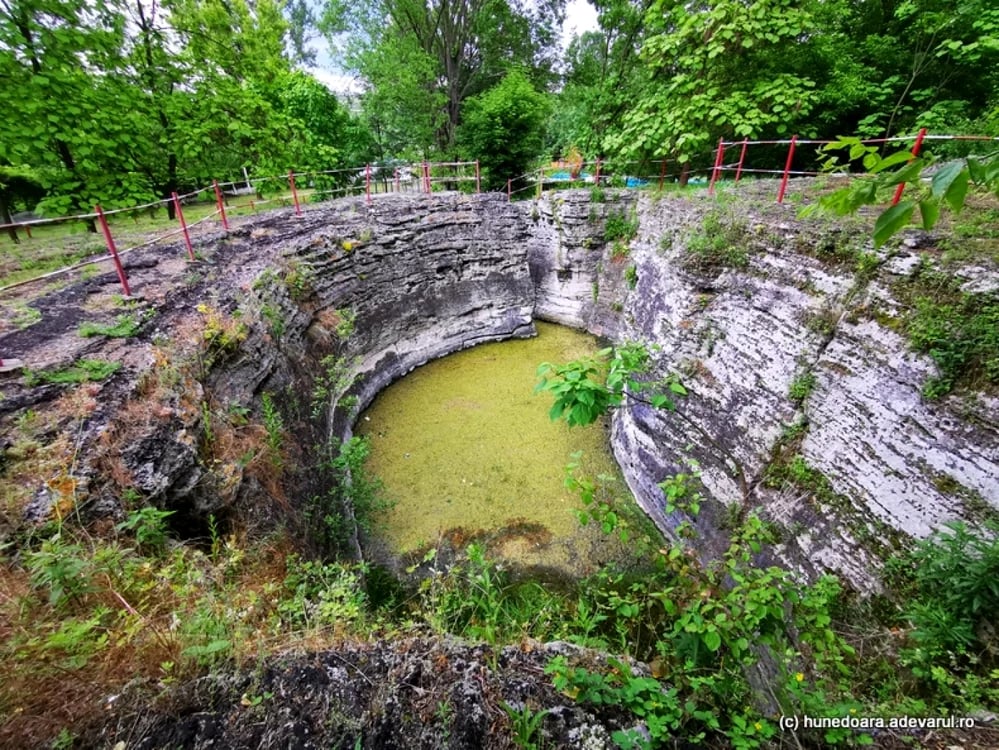
The name 'Ad Aquas', meaning 'at the waters', directly points to the defining feature of the settlement: its abundance of warm mineral springs. These springs were not merely a natural phenomenon but a vital resource that underpinned the site's importance. The Romans, renowned for their sophisticated approach to hygiene and public baths, quickly recognized the value of these waters. While the military fort provided security and a logistical hub, the thermal baths likely served as a center for relaxation, recuperation, and social interaction for both the garrison and the surrounding civilian population. Evidence suggests the presence of bathhouses and associated infrastructure, crucial for harnessing the springs' benefits.
Life at the Dacian Frontier
Ad Aquas was more than just a spa; it was a functioning community on the fringes of the Roman Empire. The military fort housed a significant contingent of Roman troops, tasked with defending the provincial borders and maintaining order. The presence of the military naturally led to the development of a 'vicus'—a civilian settlement that grew around the fort, providing goods and services to the soldiers. This interplay between military and civilian life fostered a vibrant, albeit often challenging, existence on the Dacian frontier. Farmers, artisans, and merchants would have contributed to the local economy, creating a diverse social fabric.
Archaeological Revelations
Archaeological excavations at Ad Aquas have unearthed a wealth of information about its Roman past. Remains of the fort's defenses, including walls and towers, have been identified, offering insights into Roman military engineering. Discoveries of pottery, coins, tools, and personal effects paint a vivid picture of daily life. Inscriptions found at the site have provided names of military units stationed there, as well as dedications to various deities, reflecting the cultural and religious beliefs of the inhabitants. These material remnants collectively reconstruct the narrative of a dynamic Roman settlement.
Echoes of an Ancient Spa Town
The legacy of Ad Aquas continues to resonate in the modern landscape of Călan, particularly in Călan Băi, which still thrives on its thermal waters. The ancient site stands as a testament to Rome's enduring influence and its ability to integrate natural resources into its vast imperial network. Studying Ad Aquas allows historians and archaeologists to understand not just military strategy, but also the broader patterns of Roman urbanization, resource exploitation, and cultural exchange in a provincial context. It remains a fascinating location for those seeking to connect with the echoes of a once-bustling Roman outpost and spa town.
Ad Aquas (Călan) — photo gallery