Tiya Stelae Field
Monolithic stelae etch Ethiopian secrets into the landscape, their enigmatic carvings a silent discourse on a bygone culture's beliefs and rituals.
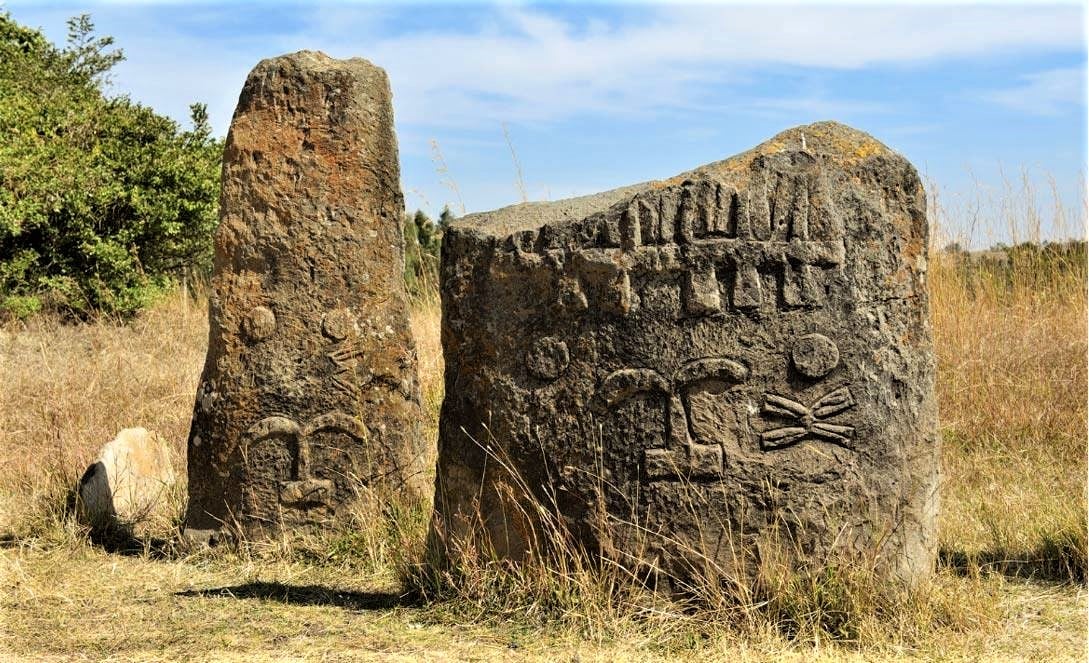
Nestled in the Soddo region of Ethiopia, the Tiya Stelae Field is an enigmatic archaeological site that continues to baffle and fascinate experts worldwide.
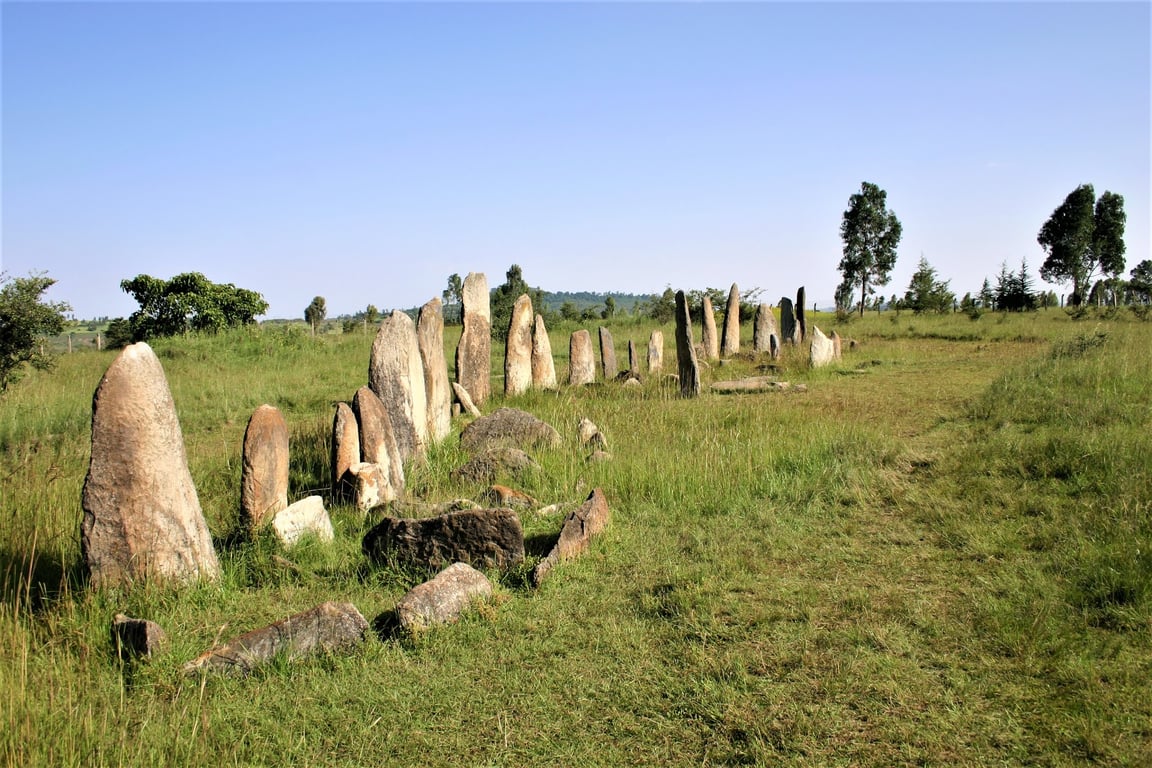
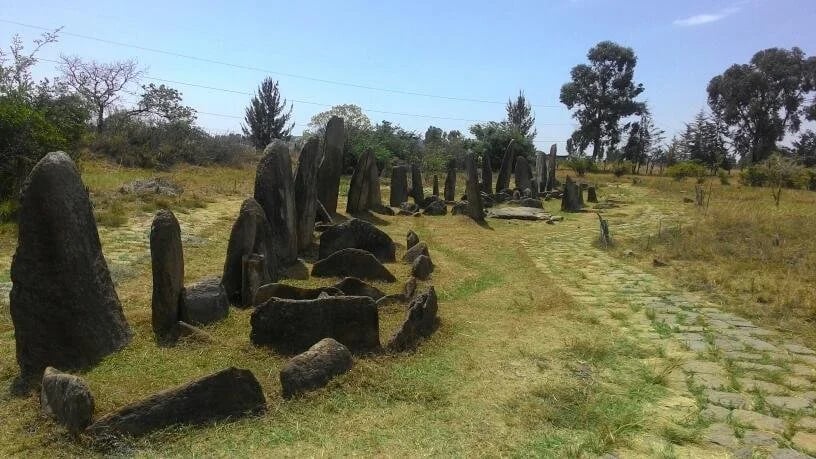
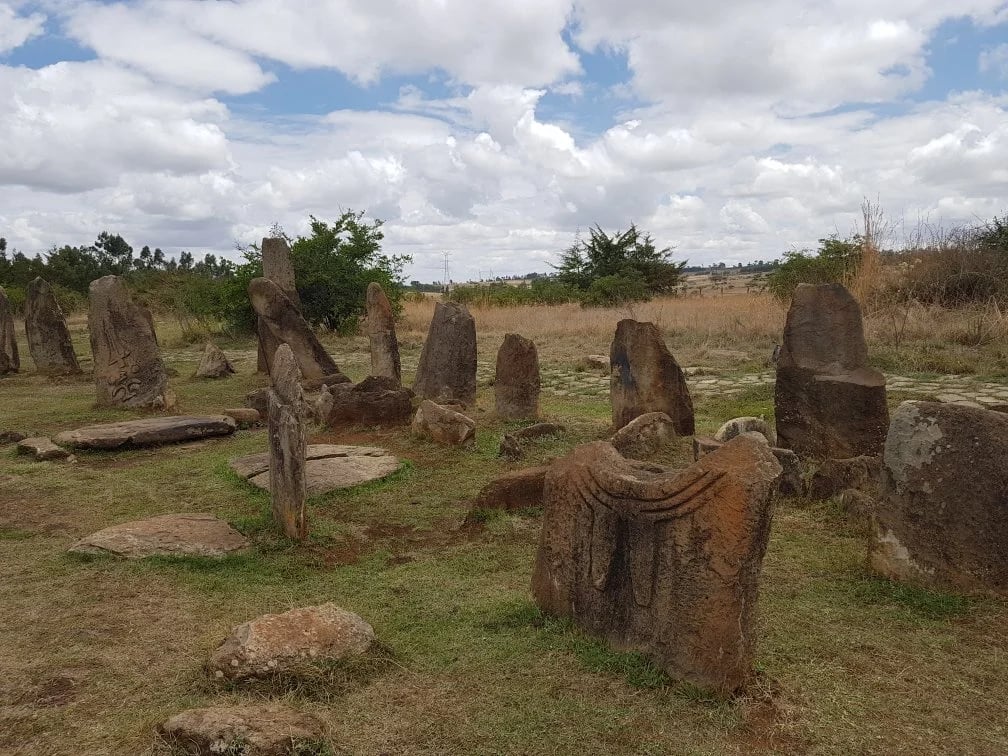
A UNESCO World Heritage site since 1980, Tiya is home to over 160 mysterious megalithic stelae, or carved stone monuments, standing silently in rows across a verdant landscape.
These ancient monoliths offer a tantalizing glimpse into a long-lost culture, making Tiya an unmissable destination for anyone interested in African history and prehistoric archaeology.
Historical Background
The exact age and purpose of the Tiya stelae remain largely unknown, adding to their profound allure. Archaeological findings, particularly from associated burial sites, suggest their construction dates back sometime between the 10th and 15th centuries CE. This places them in a period of significant cultural development in the Horn of Africa, though their specific connection to known historical kingdoms or empires is still debated.
While some theories link them to the Sidama people or other Cushitic-speaking groups, definitive answers continue to elude researchers, fueling ongoing investigations and discussions among archaeologists.
Notable Features
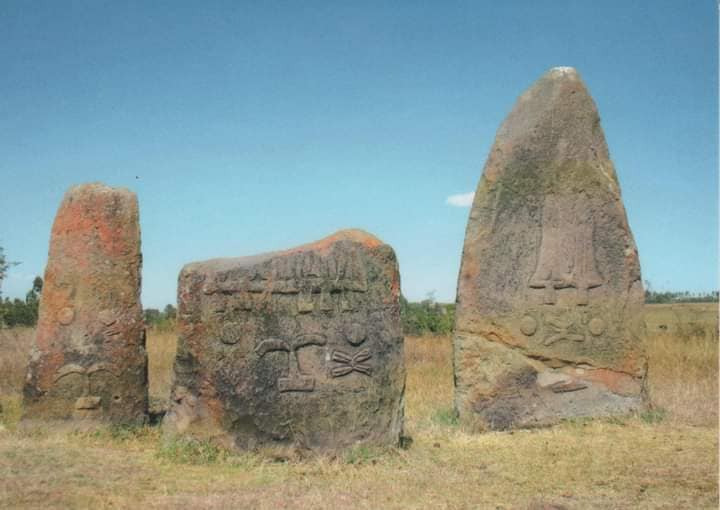
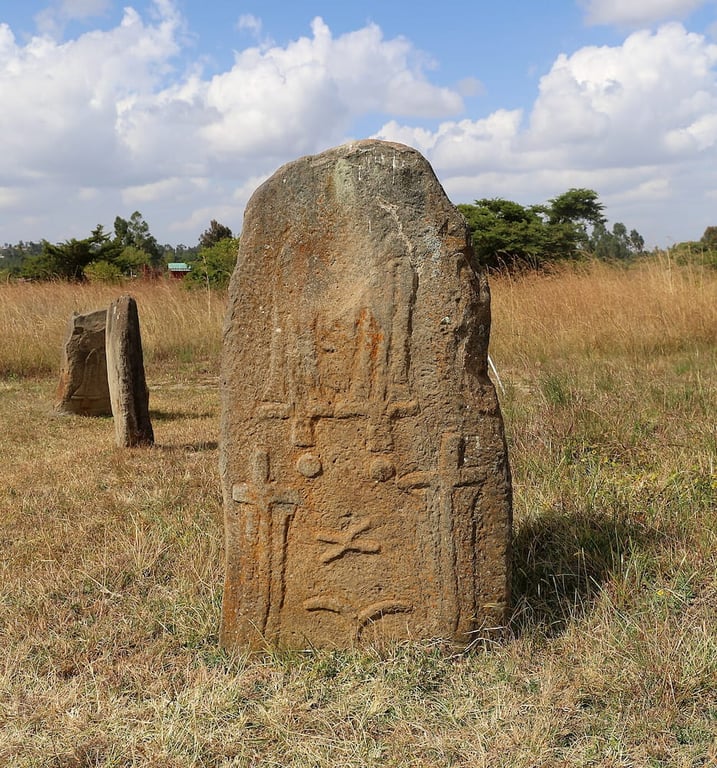
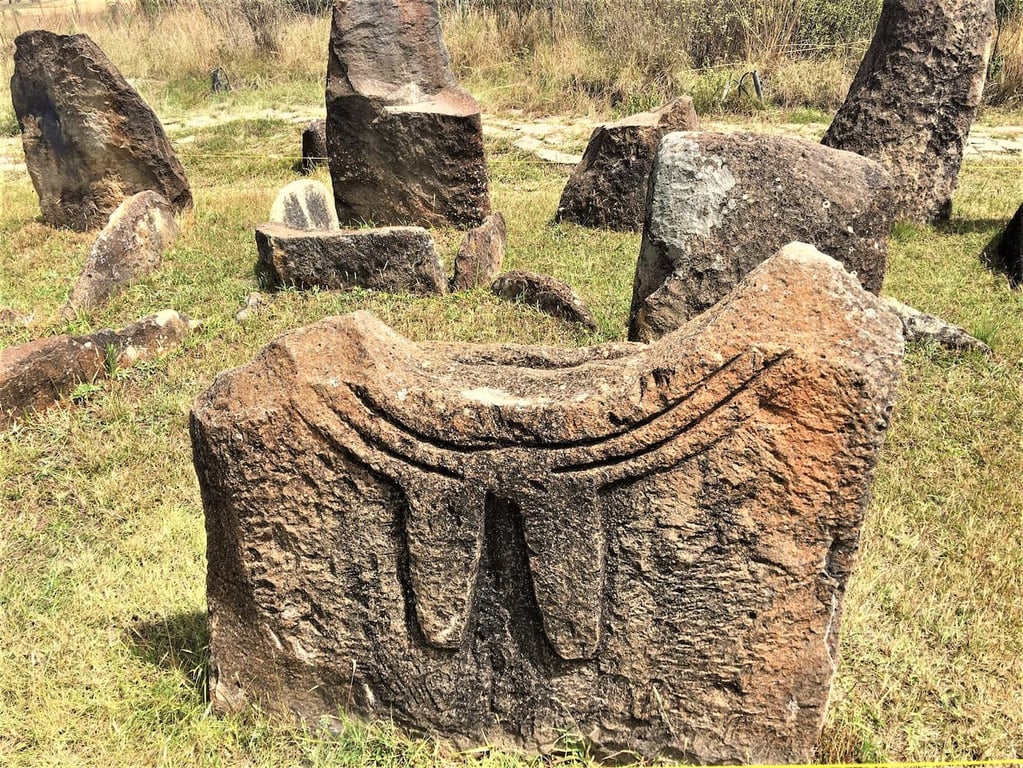
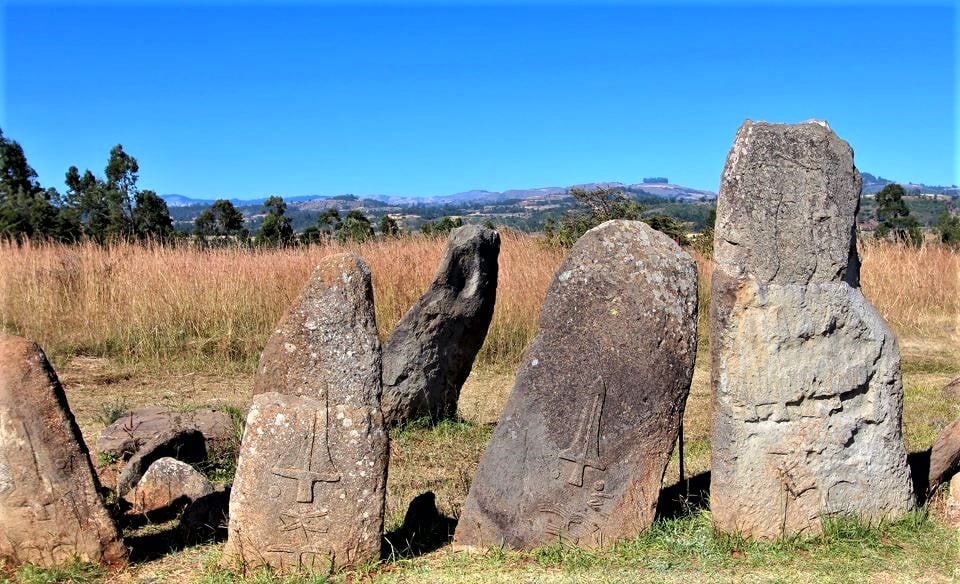
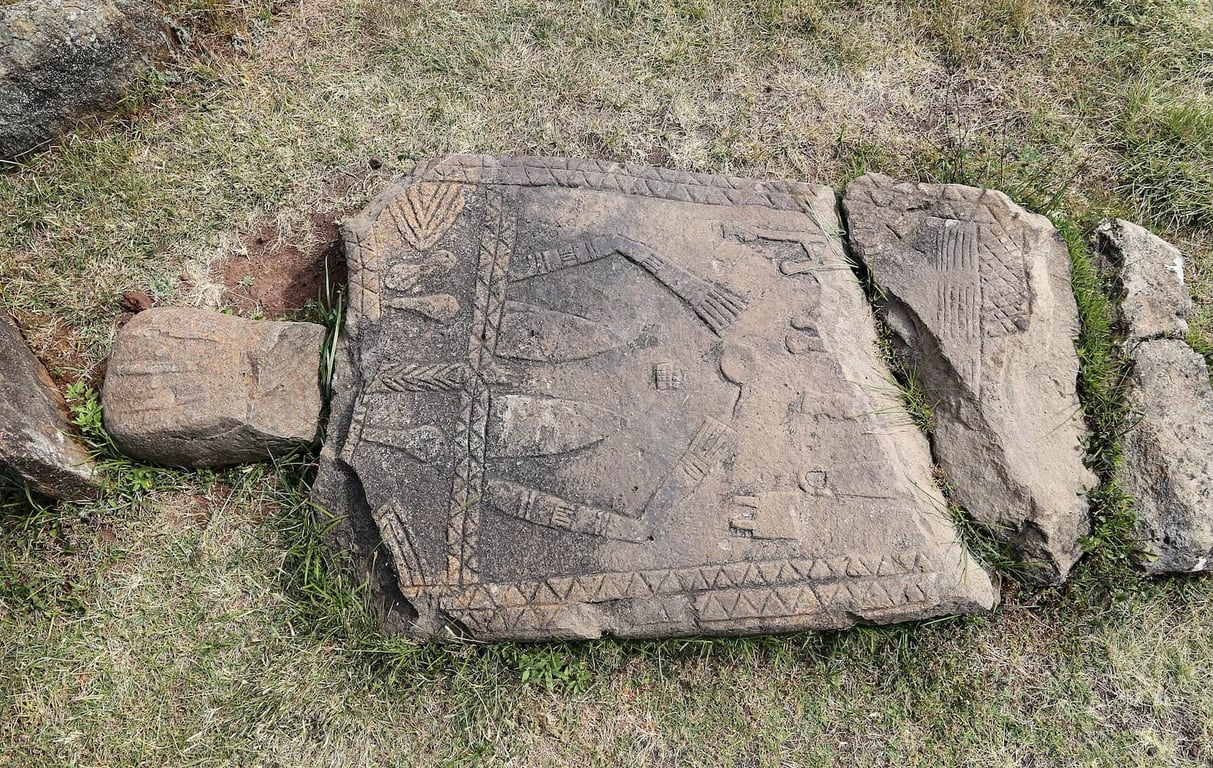
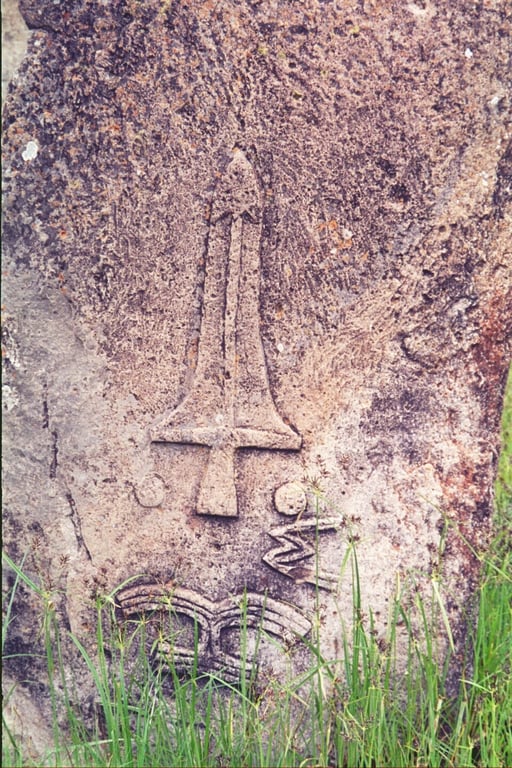
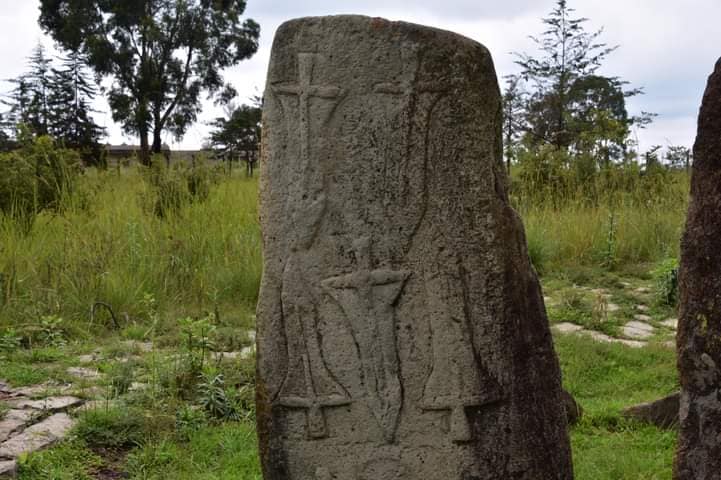
The Tiya Stelae Field is distinguished by its unique collection of stone pillars, varying in height from one to five meters. The most striking characteristic of these megaliths is the intricate, conventionalized carvings found on many of them. These carvings primarily depict swords, often with distinctive hilt shapes, alongside enigmatic anthropomorphic or symbolic representations.
The sheer quantity and uniformity of these carvings suggest a powerful and organized society capable of undertaking such monumental tasks. The careful arrangement of the stelae, often in distinct rows or clusters, further highlights the intentionality and ritualistic significance behind their placement, likely serving as grave markers or commemorative monuments.
Cultural & Archaeological Importance
The archaeological significance of Tiya extends beyond the visible stelae. Excavations around the monuments have unearthed numerous human burials, providing crucial insights into the funerary practices and social structures of the people who erected them. Grave goods found alongside skeletons, including pottery, iron weapons, and ornaments, offer valuable clues about their technological capabilities, trade networks, and cultural beliefs.
The presence of such a large and complex site speaks volumes about the advanced societal organization and spiritual world of this ancient Ethiopian community. Tiya serves as a vital testament to a sophisticated prehistoric culture in sub-Saharan Africa, challenging simplistic narratives about the continent's past.
Preservation & Current State
As a UNESCO World Heritage site, the Tiya Stelae Field benefits from international efforts aimed at its preservation and protection. Conservation initiatives focus on mitigating erosion, stabilizing the stelae, and safeguarding the archaeological context of the site. Visitors can explore the field, marveling at the ancient stones and reflecting on their mysterious origins.
Despite the passage of centuries, the Tiya stelae stand as enduring sentinels, silent witnesses to a forgotten era, inspiring awe and stimulating scientific inquiry into the rich and complex tapestry of human history in Ethiopia.
While the Tiya Stelae Field is celebrated as a UNESCO World Heritage site, its widely known archaeological significance often overshadows a deeper, more unsettling layer of mystery.
Beyond the recognized burial practices and artistic carvings, Tiya whispers tales of forgotten rituals, cosmic alignments, and the perplexing silence of a civilization whose true intentions remain stubbornly hidden beneath the earth and within the weathered stone.
Lesser-known Historical Facts
Mainstream archaeology often focuses on the general age of the stelae, dating primarily to the 12th to 14th centuries CE. However, tantalizing hints suggest that some of the earliest monumental structures in the region might significantly predate these estimates, pushing Tiya's origins back into a dimly understood past.
Ceramic typologies from limited excavations have occasionally yielded fragments hinting at much older settlements in the vicinity, raising the question: were the later stelae builders merely re-purposing a sacred landscape established by an even more ancient, pre-Solomonic culture?
Furthermore, the relatively uniform size and spacing of many stelae, particularly the undecorated ones, suggest a highly organized society with a precise, perhaps even rigid, understanding of spatial planning, a level of societal structure not always attributed to the region during that period.
Legends
The Giants' Graveyard
Local oral traditions offer a dramatically different narrative to the archaeological consensus. Many elders speak of Tiya not as a burial ground for ordinary people, but as the resting place of "Wotam," giant beings or powerful kings who once roamed the land.
These legends claim the stelae are not mere markers, but fossilized or petrified forms of these colossal figures, standing as silent guardians to their ancient domains. Some accounts even describe battles between these giants, with the jagged, broken stelae being evidence of their destructive power.
This interpretation provides a profound, if fantastical, alternative to the scientific explanation for the diverse sizes and states of preservation found among the monoliths.
Astronomical Alignments and Cosmic Codes
While definitive proof is elusive, some independent researchers have proposed that the layout of the Tiya stelae, particularly the larger clusters, might encode astronomical knowledge. Claims range from alignments with solstices and equinoxes to more intricate correlations with prominent stars or constellations visible in the ancient Ethiopian sky.
Could the unique, often anthropomorphic, engravings not just depict tools or symbols, but represent celestial bodies or star maps? This controversial theory challenges the predominant funerary interpretation, suggesting a deeper, perhaps spiritual or calendrical, function that has been lost to time, where the stelae were not only tombs but also instruments for understanding the cosmos.
Mysterious Connections
The abstract symbols carved on the stelae - swords, phallic shapes, and enigmatic patterns - bear striking, albeit superficial, resemblances to rock art and megalithic structures found across the African continent and even beyond. While direct cultural links are difficult to establish, these parallels fuel debates about possible ancient trade routes, shared cosmologies, or a widespread, underlying symbolic language that transcended immediate geographical boundaries.
The distinct absence of inscriptions or textual explanations only deepens the enigma, prompting open-minded seekers to ponder if Tiya's builders were part of a larger, interconnected network of ancient monument builders whose history remains largely unwritten.
Tiya Stelae Field — photo gallery