Tilisca Dacian Settlement
Unearth the robust foundations of a forgotten Dacian stronghold. Witness ancient ingenuity firsthand.
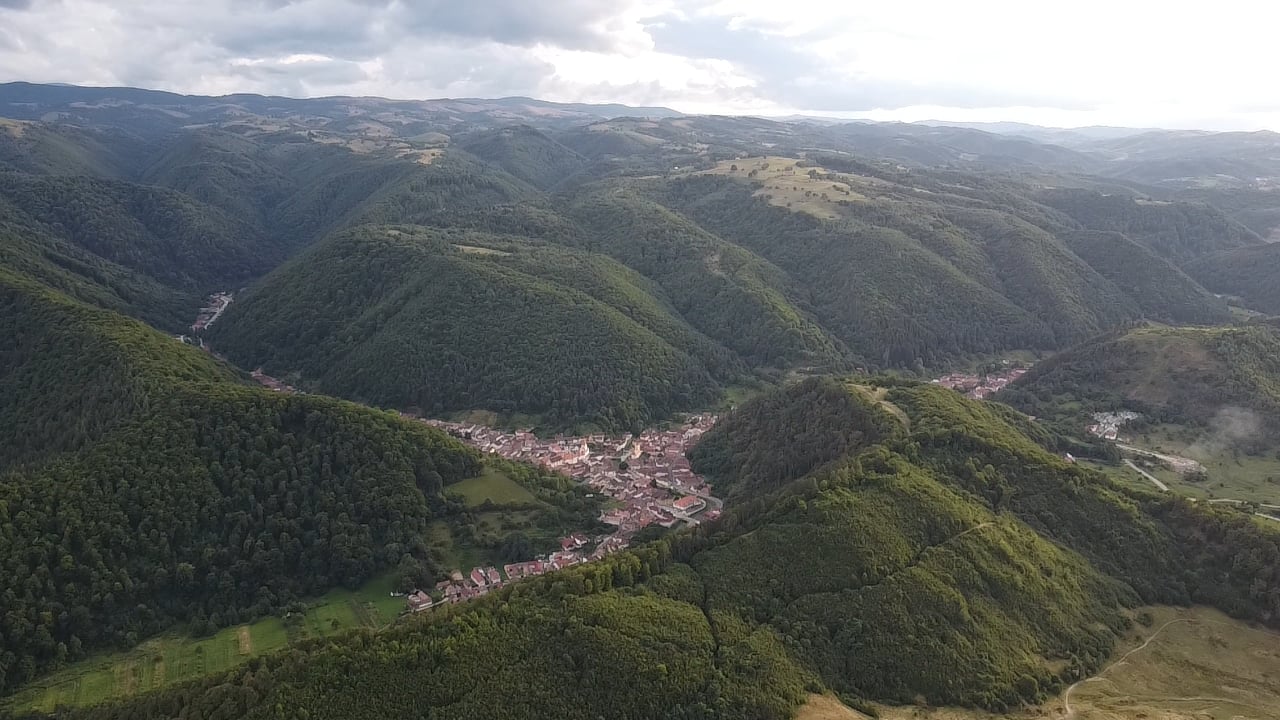
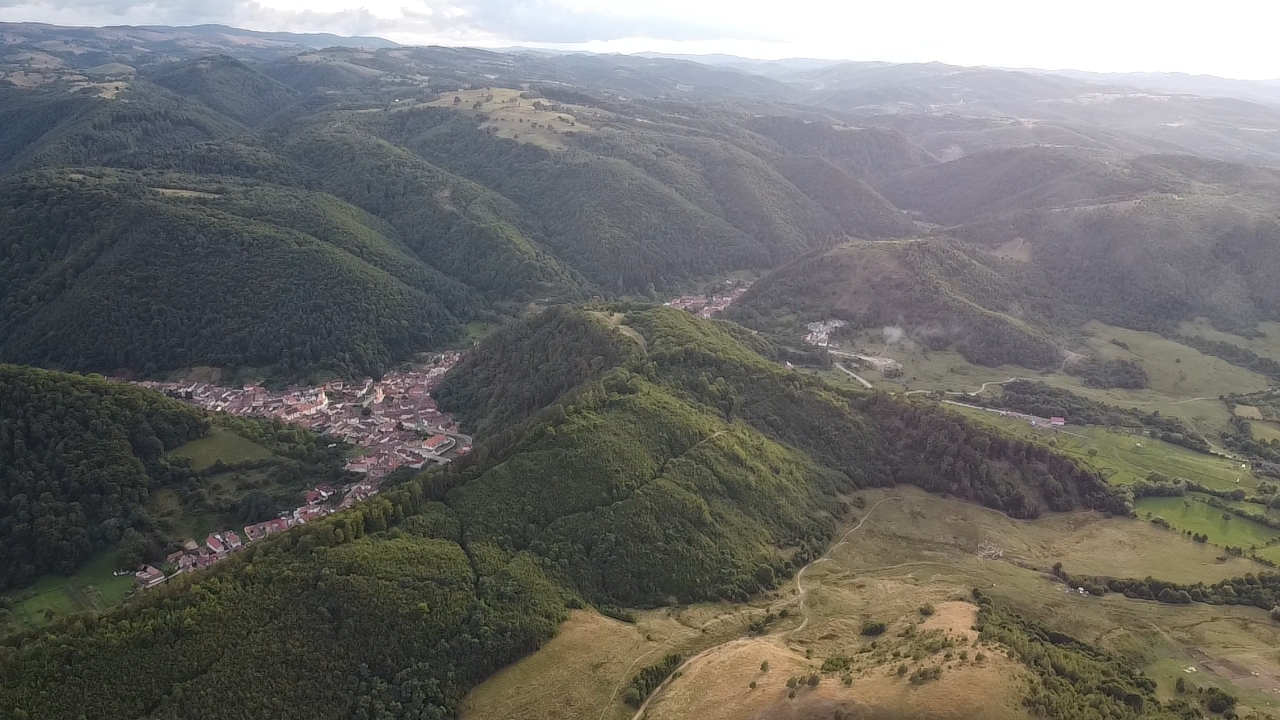
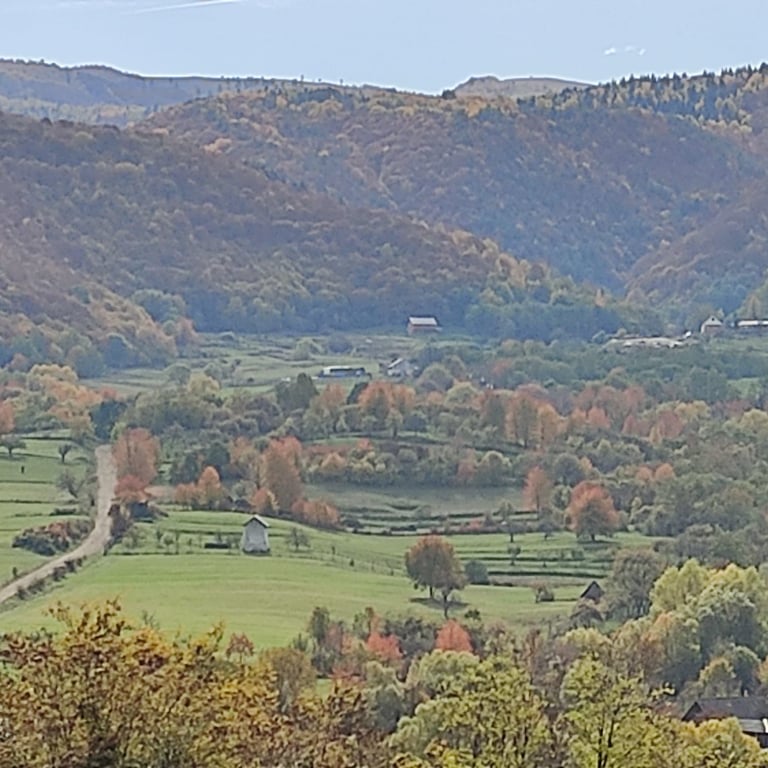
Nestled high in the captivating landscapes of Sibiu County, Transylvania, the Tilisca Dacian Settlement stands as a powerful testament to the ingenuity and resilience of the ancient Dacian people.
More than just a collection of ruins, Tilisca represents a significant Iron Age fortified settlement that played a crucial role in the development and defense of one of Europe's most enigmatic civilizations.
This archaeological marvel offers a profound glimpse into a bygone era, revealing the strategic brilliance, advanced craftsmanship, and rich cultural tapestry that defined the Dacian kingdom before its eventual conquest by the Roman Empire.
Tilisca's Ancient Lineage
The origins of the Tilisca Dacian Settlement stretch back to the Early Iron Age, evolving from a simple dwelling site into a formidable stronghold over centuries. Strategically positioned atop a dominant hill, it commanded expansive views of the surrounding valleys, making it an ideal location for both defense and observation.Where Dacian Power Took Root
The very location of Tilisca speaks volumes about Dacian strategic thinking. Situated amidst natural defenses, the settlement was not merely a random village but a carefully chosen site designed to control routes and deter invaders.Tilisca's Fortified Splendor
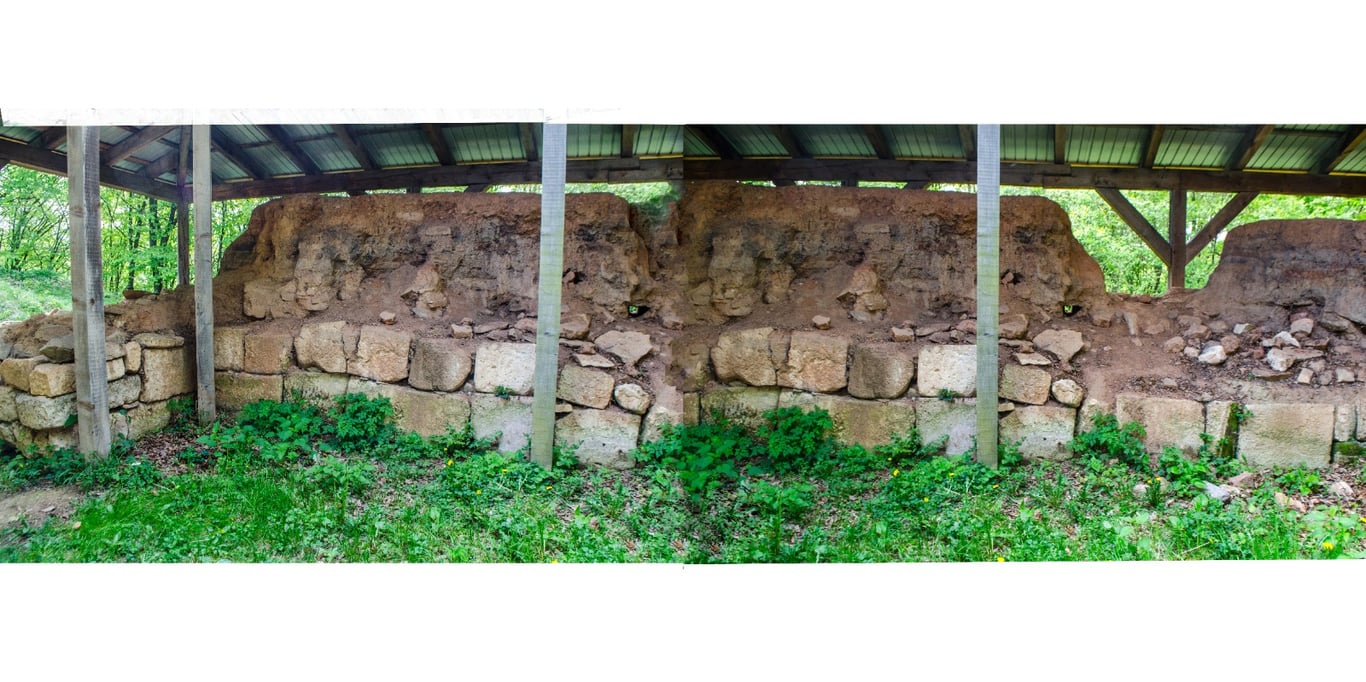
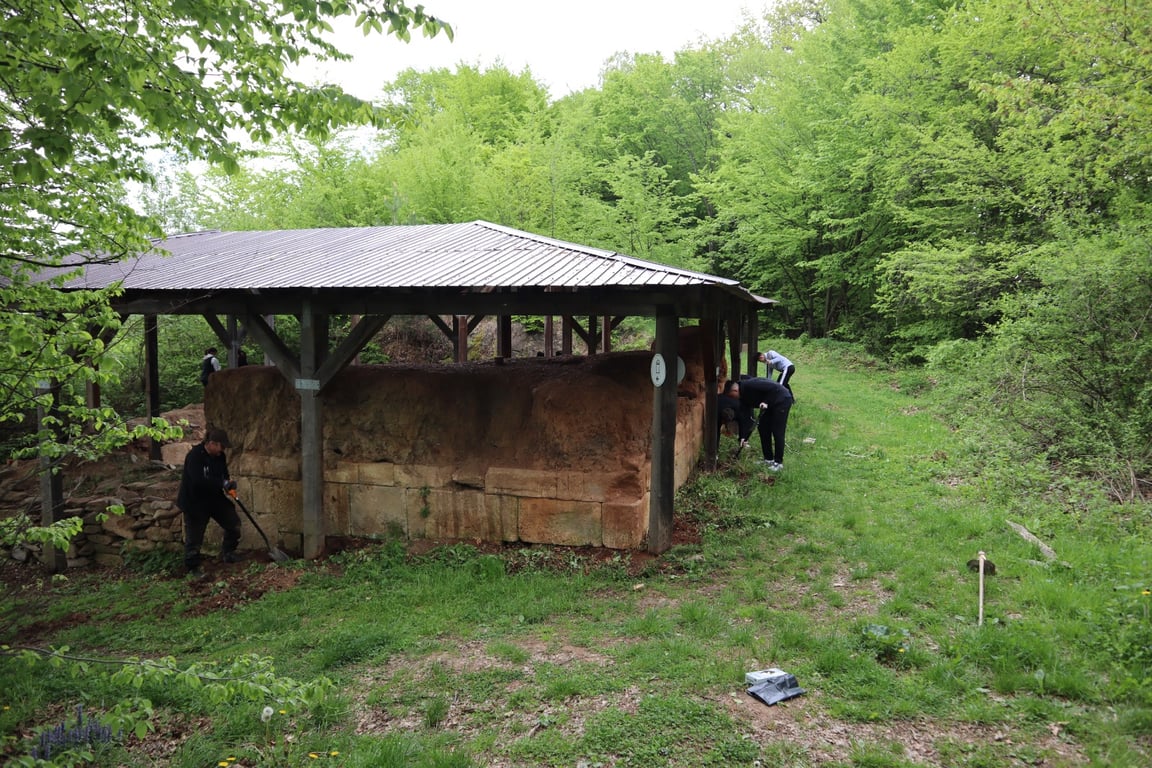
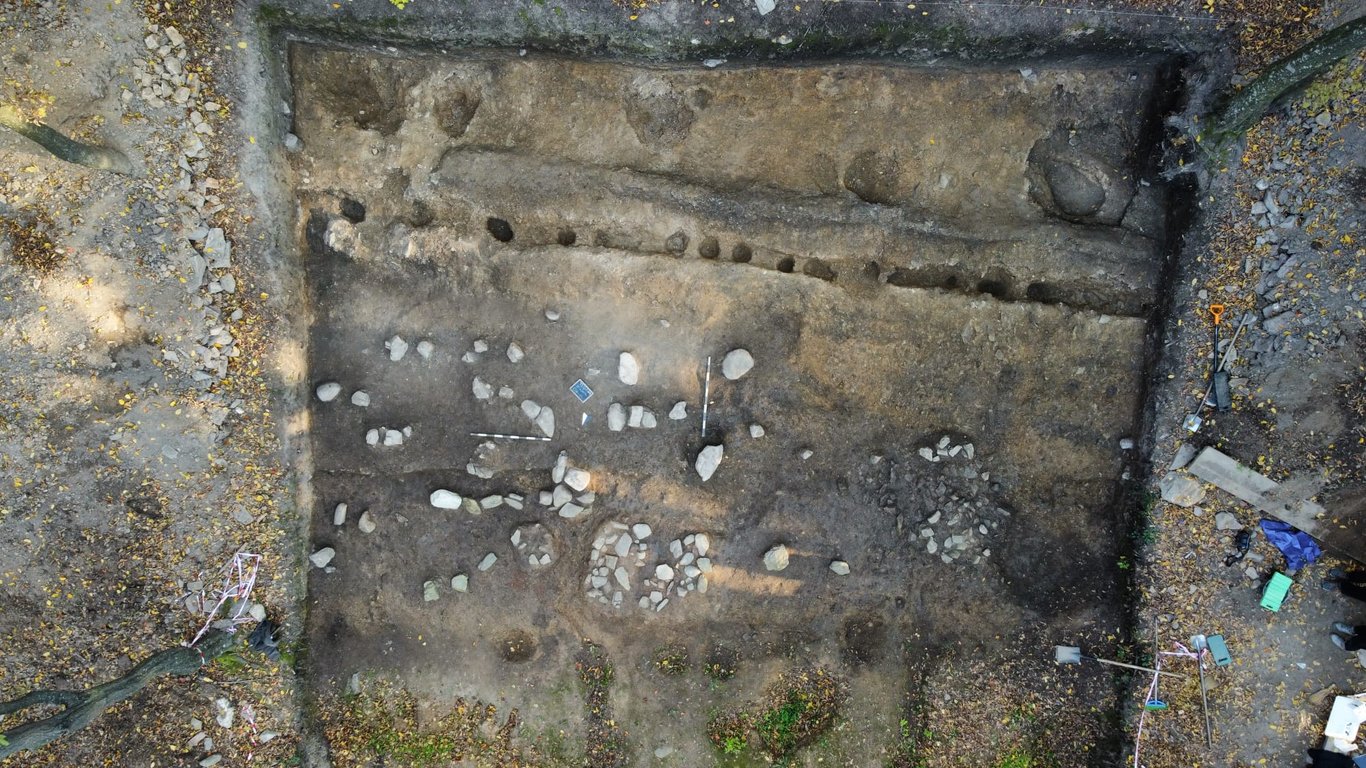
The most striking features of the Tilisca Dacian Settlement are its impressive defensive structures. The site boasts a complex system of ramparts, ditches, and stone walls, meticulously engineered to protect its inhabitants. Unlike many other settlements, Tilisca's fortifications are characterized by multiple lines of defense, indicating a high level of military planning and engineering skill.The construction techniques employed at Tilisca reveal the advanced capabilities of Dacian builders. Massive timber-laced stone walls, a characteristic feature of Dacian strongholds, provided a formidable barrier.
Daily Life and Spiritual Echoes
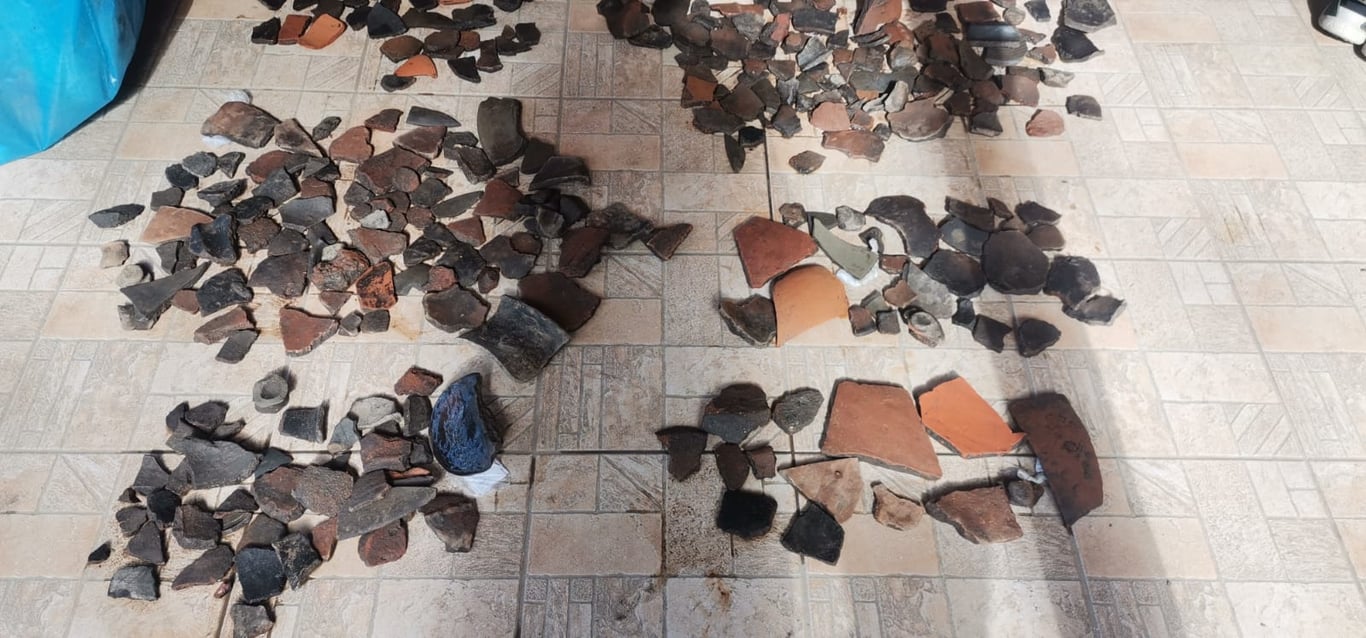
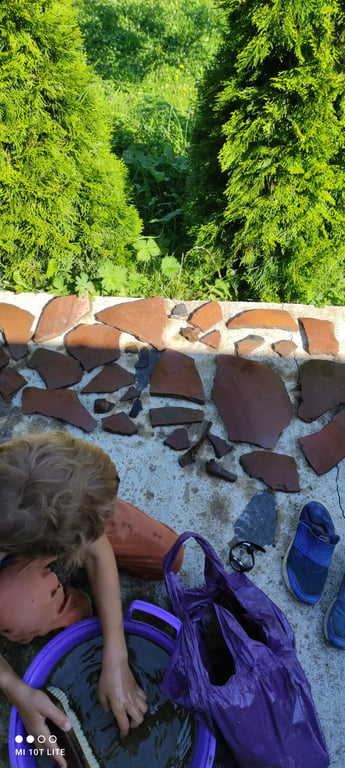
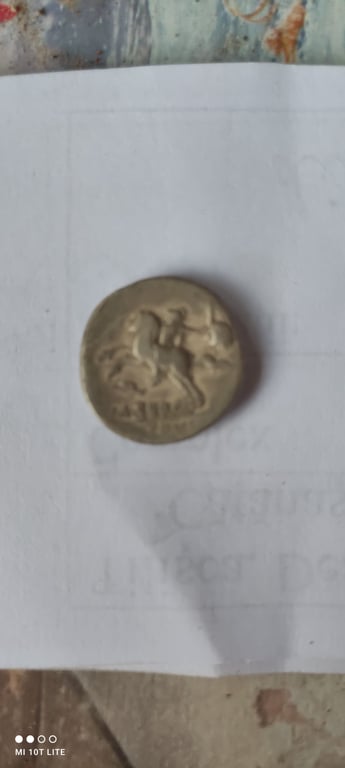
Beyond its military significance, the Tilisca Dacian Settlement served as a hub for cultural and economic activity. Artifacts recovered from the site provide a rich tapestry of Dacian life, from the mundane to the sacred. Pottery fragments, agricultural tools, and animal bones speak to the agrarian nature of the society, while sophisticated weaponry and armor highlight their martial traditions. The presence of imported goods suggests active trade networks with neighboring cultures, enriching the Dacian economy and introducing new ideas and materials.Tilisca offers invaluable insights into Dacian spiritual beliefs and social organization. While direct evidence of religious structures can be scarce, the types of artifacts found, including ritualistic objects and burial practices, shed light on their cosmology and veneration of deities. The settlement was not merely a military outpost but a living, breathing community where families lived, worked, and worshipped, contributing to the broader Dacian identity. Understanding Tilisca helps us piece together the puzzle of a civilization known largely through Roman accounts, offering a crucial Dacian perspective.
Tilisca for the Modern Explorer
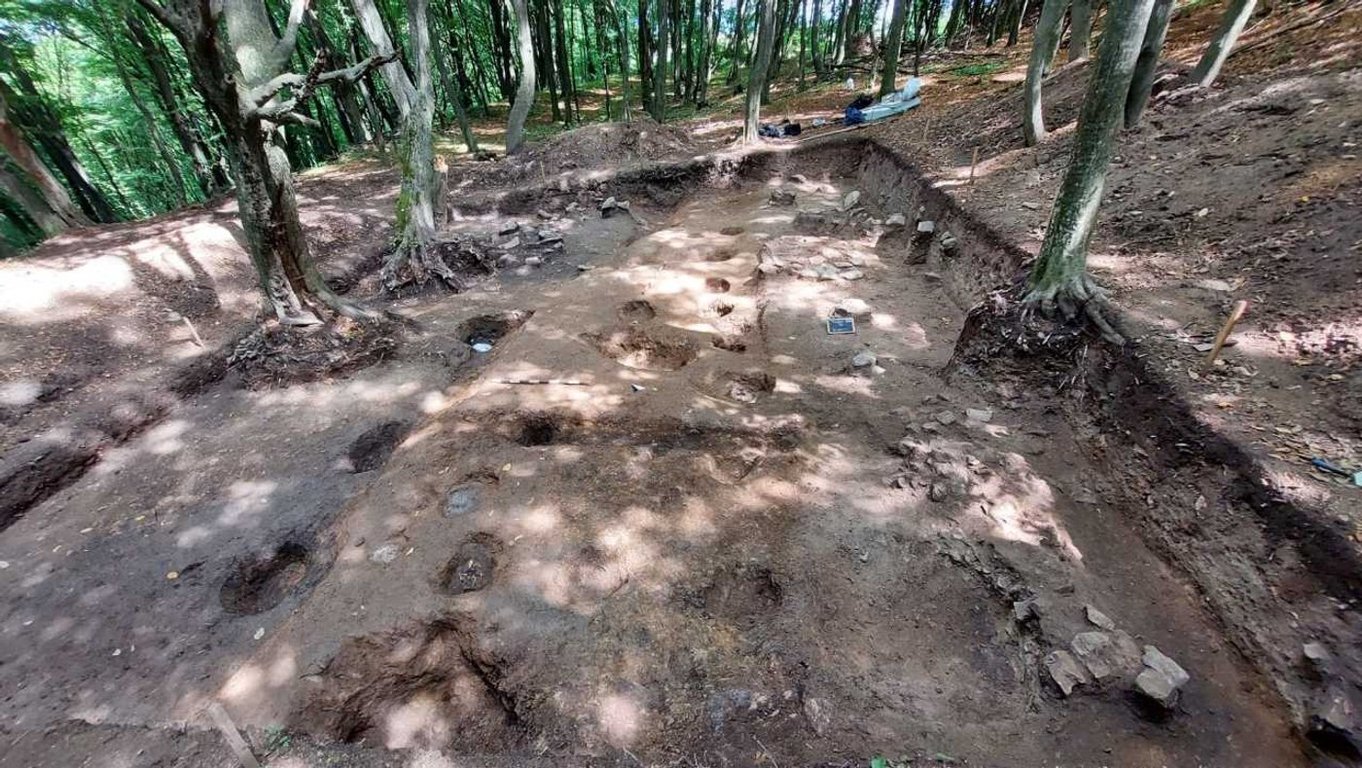
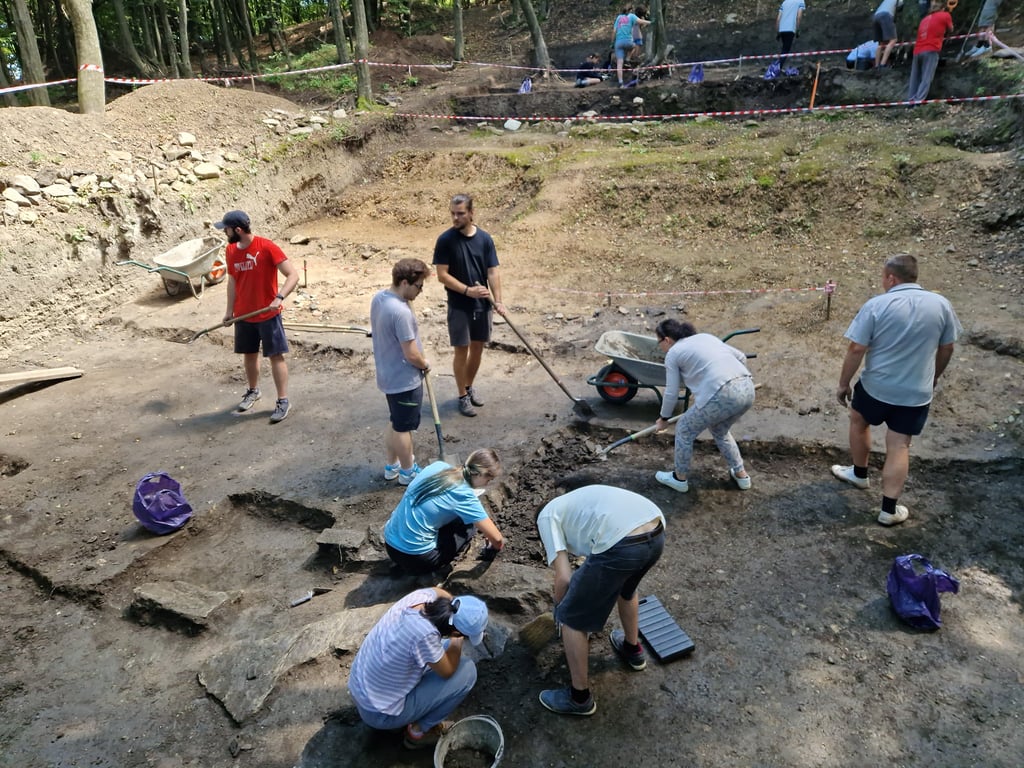
Today, the Tilisca Dacian Settlement is a protected national heritage site, continually revealing its secrets through ongoing archaeological research. While much of the ancient structures lie beneath the earth, the visible remnants of its fortifications and the sheer scale of the site provide a powerful sense of its former grandeur. Visiting Tilisca offers a unique opportunity to walk in the footsteps of the Dacians, to contemplate their strategic genius, and to appreciate the enduring legacy of their civilization.Efforts are continuously underway to preserve and interpret Tilisca for future generations. The site serves as an open-air museum, allowing visitors to connect directly with Romania's ancient past. Information panels and guided tours help contextualize the ruins, bringing the history of the Dacian people to life.
While guidebooks laud Tilisca Dacian Settlement as a formidable Iron Age stronghold, its true narrative extends far beyond mere fortifications and strategic importance.
For the discerning explorer and the open-minded seeker, Tilisca holds deeper secrets, etched into its rugged landscape and whispered through the ages.
We delve past the conventional archaeological narratives to uncover the lesser-known facets, the tantalizing mysteries, and the unproven theories that truly define this ancient Dacian outpost, inviting you to question what we think we know.
Tilisca's Sunken Sanctuary
Far beneath the visible ramparts and defensive terraces, a more ancient, often overlooked layer of Tilisca whispers of a profound spiritual past. While much attention focuses on its military prowess, some archaeologists point to a unique, deeply buried circular stone arrangement, uncovered in the lowest strata of excavations.
This enigmatic formation, unlike typical Dacian dwelling foundations, suggests a ritualistic purpose – perhaps a sun temple or a sacred gathering place predating the main fortifications.
Was Tilisca initially conceived not as a fortress, but as a spiritual nexus, its later defensive role merely a protective shell around a hallowed core?
The Dacian Dragon's Shadow
Local folklore surrounding Tilisca speaks not only of valiant warriors but also of spectral protectors tied to the very earth. Tales recounted by elders in nearby villages tell of a shadowy, serpentine presence – a manifestation of the ancient Dacian Draco standard – that guards the site's most profound secrets. These earth-bound guardians are said to reveal themselves only to those who approach with genuine respect, or conversely, to unleash a chilling dread upon those who seek to desecrate its hallowed ground or disturb its forgotten treasures.
The Curse of the Golden Serpent
One specific legend details a golden serpent artifact, supposedly unearthed centuries ago near the settlement's spring. Those who attempted to remove it from Tilisca's embrace were said to be afflicted by a creeping illness or ill fortune, a curse woven into the fabric of the land itself. To this day, locals warn against digging too deep, fearing to reawaken the serpent's wrath and its spectral guardians.
A burgeoning, albeit controversial, theory suggests Tilisca's layout incorporates sophisticated astronomical alignments. Beyond mere defensive positioning, some researchers propose that specific vantage points and structural axes within the settlement align precisely with solstices, equinoxes, and significant lunar cycles.
Was Tilisca a vast, open-air observatory, its Dacian inhabitants possessing an advanced understanding of celestial mechanics, weaving cosmic significance into their very architecture? The "Solstice Stone," a prominent, curiously carved monolith, is often cited as a key piece of this celestial puzzle, its shadows allegedly marking precise astronomical events.
Nestled near the highest point of the settlement, a large, weathered stone bears faint, geometric carvings. While officially interpreted as boundary markers, proponents of the cosmic blueprint theory argue these markings, combined with the stone's orientation, functioned as a sophisticated calendar or predictive tool, allowing Dacian priests or leaders to track celestial movements and perhaps even predict significant earthly events.
Among the countless shards of pottery and metal fragments, a few enigmatic finds at Tilisca have sparked intense debate about its wider connections. Certain unique bronze artifacts bear stylistic resemblances not typically associated with Dacian craftsmanship, instead hinting at distant Celtic or even Scythian influences in an unusual and pronounced manner.
Furthermore, peculiar burial rites observed in a secluded necropolis within Tilisca show striking, unproven parallels with practices found far to the west in Iron Age Gaul. These intriguing similarities suggest a complex web of cultural exchange and perhaps even shared ancestral lineages that challenge conventional understandings of Dacian isolation, painting a picture of a people far more interconnected than history often portrays.
Tilisca Dacian Settlement — photo gallery
Tilisca Dacian Settlement — collectible cards
Collectible cards for this site — AI-generated illustrations from our memory game, not photographs of the site.