Blidaru Fortress
The most powerful and purely military of the Dacian strongholds, this mountain fortress boasts exceptionally preserved stone towers and bastions built for one purpose: war.
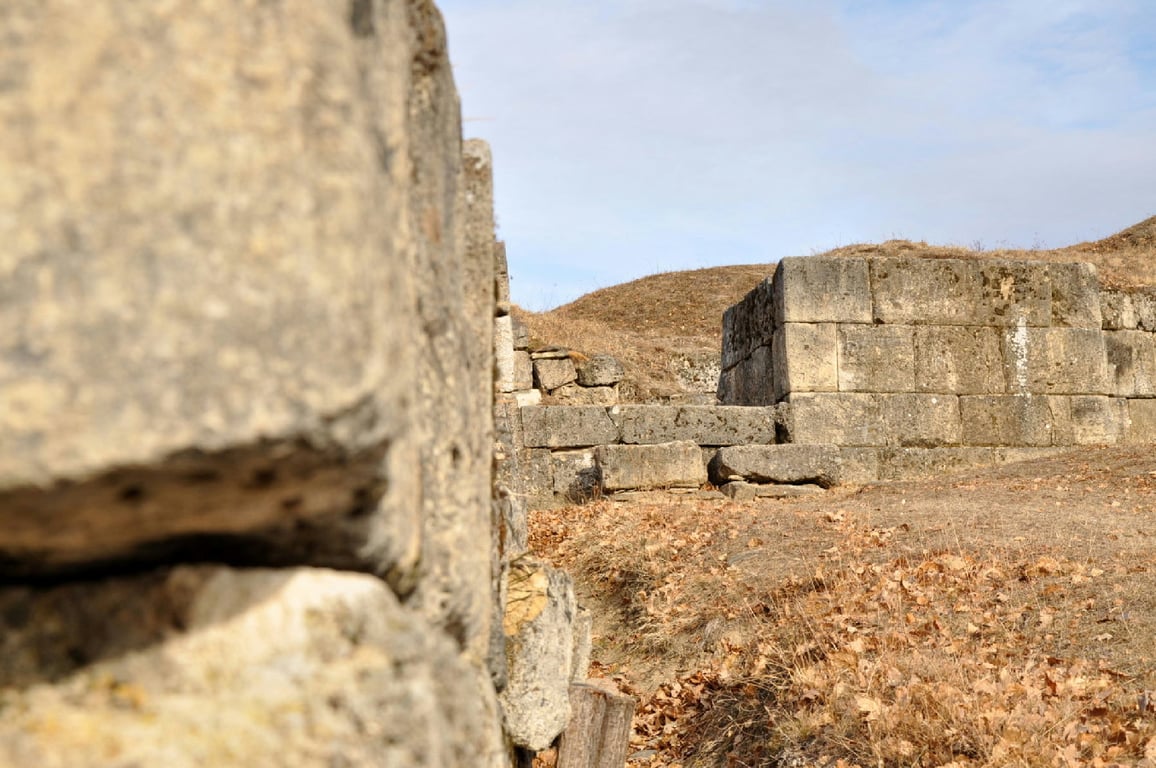
Blidaru Dacian Fortress
Set atop a rugged, 700-metre-high peak, the fortress of Blidaru is the most powerful and purely military of the Dacian strongholds in the Orăștie Mountains. Unlike other sites that combined sacred and residential functions, Blidaru was conceived with a singular, brutal purpose: defence. Its strategic position offered an unparalleled command of the surrounding landscape, making it a critical component of the defensive ring protecting the capital, Sarmizegetusa Regia. The fortress we see today, with its remarkably preserved stone walls and towers, is a product of two distinct construction phases, showing an evolution in Dacian military architecture. Its robust construction and strategic brilliance make it a standout example of Iron Age fortification, a silent stone sentinel that witnessed the violent clash of the Dacian and Roman worlds.
The Eagle's Nest
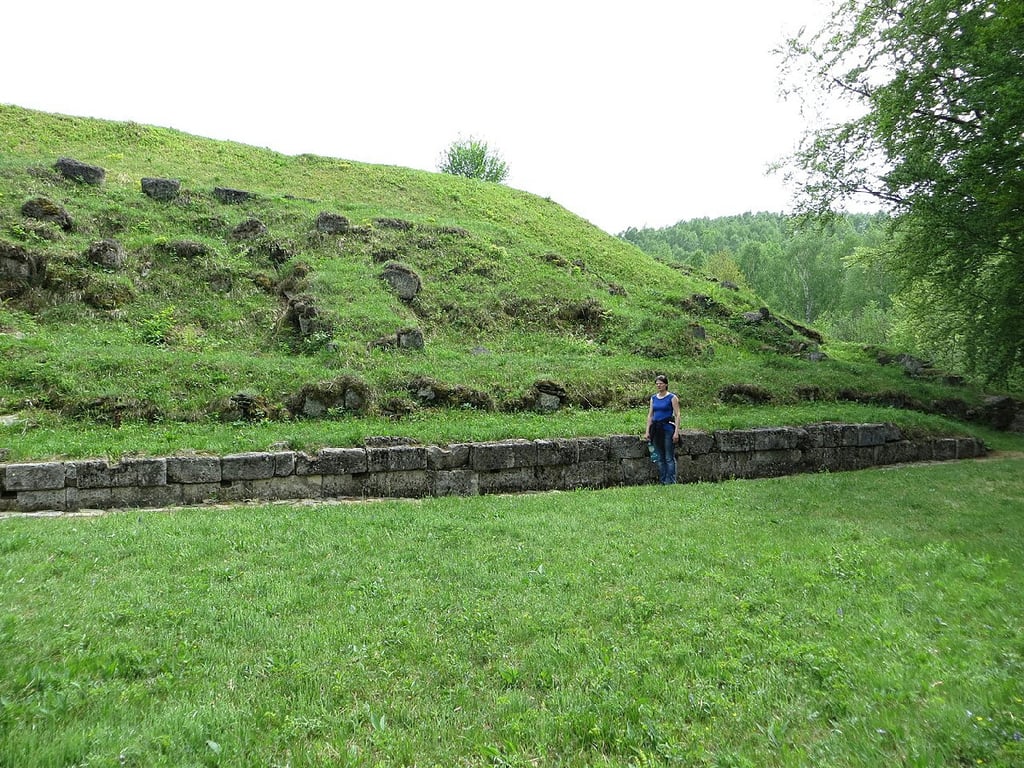
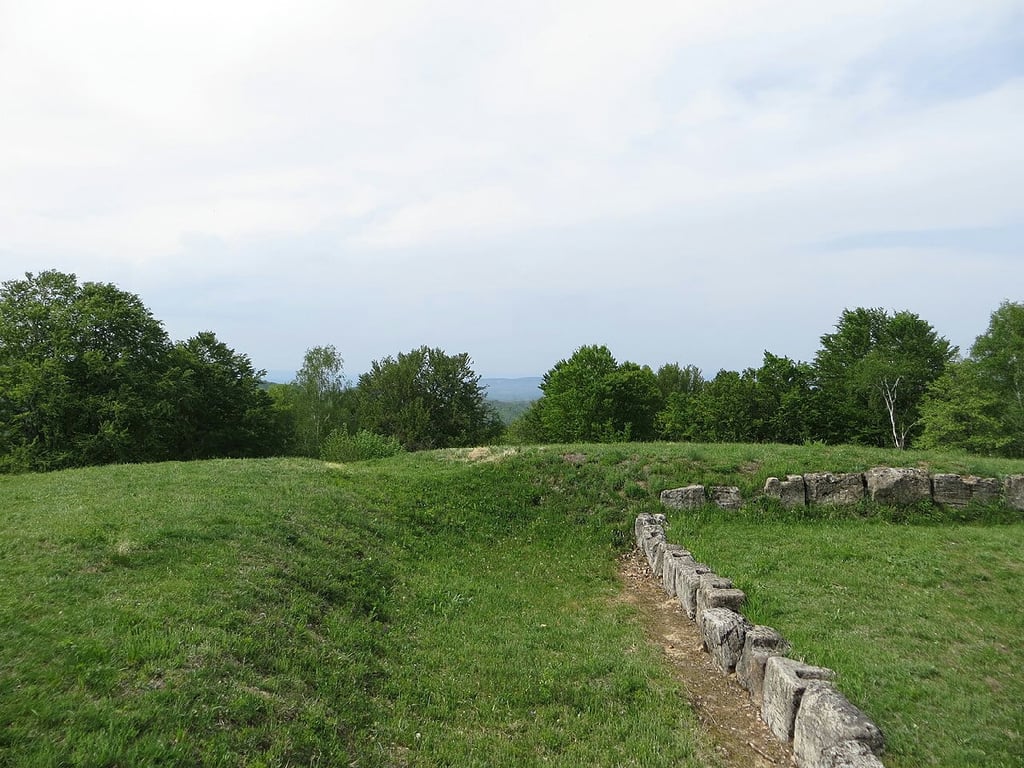
The fortress consists of two main enclosures, connected by a narrow corridor. The first and older precinct, built in the 1st century BC, is a formidable quadrilateral structure with four external towers, or bastions, at its corners. This design, influenced by Hellenistic military architecture, was adapted by the Dacians to suit the mountain terrain. The walls, built in the classic murus dacicus style, are thick and imposing. The entrance to this main citadel was through a powerful gate tower, designed to create a deadly kill-zone for any attackers who managed to breach the outer gate. This compact and heavily fortified core served as the fortress's command centre and final redoubt, an eagle's nest from which Dacian warriors could dominate the approaches to their heartland.
A Masterpiece of Adaptation
The second, later enclosure was added to expand the fortress and better adapt it to the contours of the landscape. Its walls hug the precipitous edges of the plateau, incorporating the natural defences of the mountain itself into its design. This expansion included additional towers and a secondary gate, strengthening the fortress's overall defensive capabilities. The most impressive feature is the massive bastion built on a separate rock outcrop, which served as an independent watchtower and artillery platform. This tower provided a commanding 360-degree view and protected the most vulnerable approach to the main gate. This constant evolution and adaptation to the terrain showcase the Dacians' tactical sophistication and their mastery of defensive engineering.
Echoes of the Final Siege
Blidaru's strength was put to the ultimate test during Trajan's Dacian Wars. The fortress was a key objective for the Roman legions as they fought their way towards the capital. Archaeological evidence, including Roman siege weaponry found at the site, points to a violent and destructive final battle. Despite its formidable design, Blidaru ultimately fell to the overwhelming power and engineering prowess of the Roman army. After its capture, the Romans systematically dismantled the fortress, a common practice to prevent any future rebellion. Today, the impressive ruins stand as a powerful testament to the skill of their Dacian builders and the ferocity of their final stand against the empire that would eventually conquer them.
Blidaru's Ghost Fortress: Echoes from a Lost Kingdom
While official histories label Blidaru as a masterpiece of military engineering, a stoic guardian of the Dacian capital, the stones themselves tell a more enigmatic story. Beyond the well-documented ramparts and strategic positioning lies a fortress of whispers, a place where conventional archaeology falls silent. To truly understand Blidaru is to listen to the mountain winds, which carry tales of strange designs, lost rituals, and a purpose that may have transcended the mere art of war.
The Fortress of Two Souls
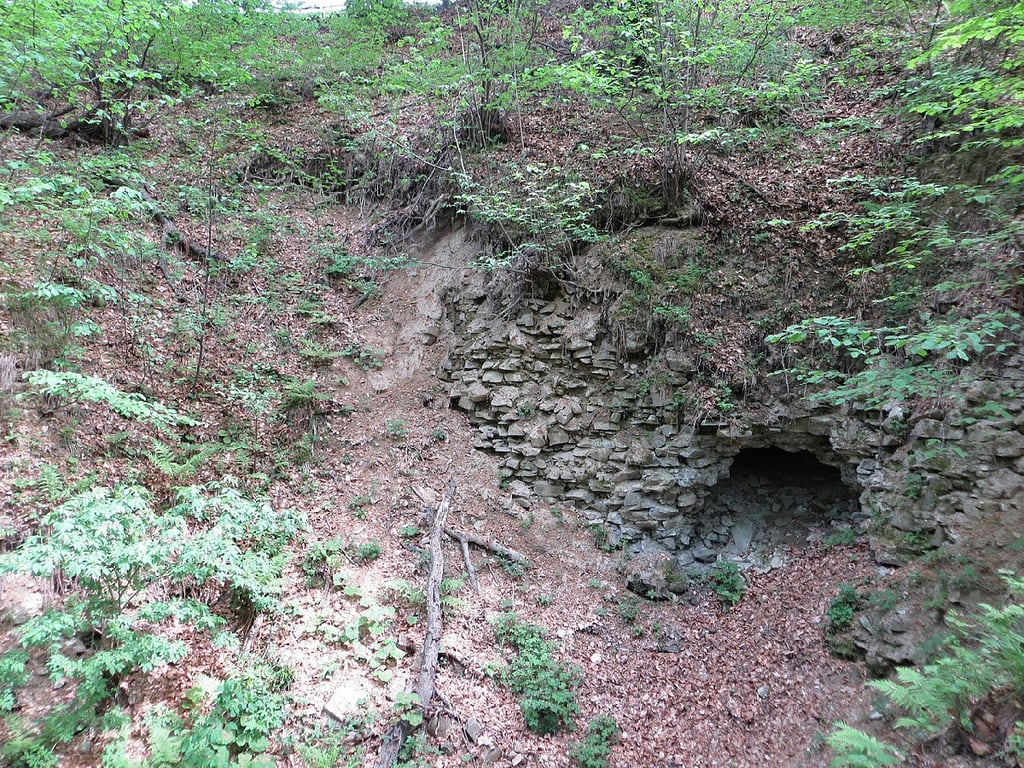
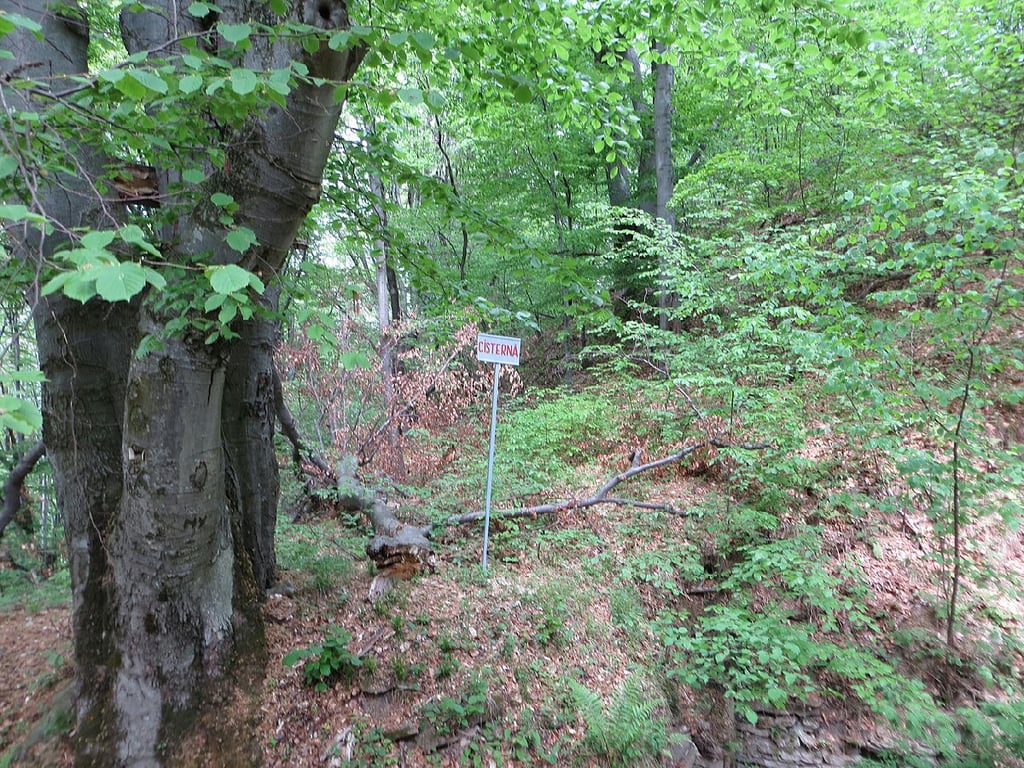
One of Blidaru's most perplexing features, rarely emphasized in mainstream tours, is its dual-precinct nature. Archaeologists identify two distinct enclosures, Blidaru I and Blidaru II, built at different times. The common explanation is simple expansion, but a closer look invites speculation. Why build a second, separate fortress right next to the first, rather than extending the original walls? Some theorists propose the two sections served vastly different functions. Was Blidaru I the public-facing garrison, while the inner, later-built Blidaru II was a sanctum for elite warrior-priests or the repository for sacred relics? This theory is bolstered by the fortress's sophisticated water cistern, a marvel of ancient hydro-engineering designed to hold thousands of litres. Its construction seems almost excessively advanced for a simple military outpost, suggesting it sustained not just soldiers, but perhaps long, secret rituals.
Whispers Carried on the Mountain Wind
The local folklore surrounding Blidaru is as dense as the forests that cloak its slopes. These are not mere campfire stories but persistent legends that speak to the fortress's lingering spiritual power.
The Serpent's Hoard
It is said that a portion of King Decebalus's legendary treasure—gold and silver beyond measure—was never found by the Romans. Local legend claims it was sealed within a secret chamber beneath Blidaru, protected not by traps, but by a powerful curse. The treasure is allegedly guarded by the spirits of the *Comati*, the long-haired Dacian warriors, who manifest as spectral serpents to drive away anyone with a greedy heart, forever protecting the sacred wealth of their lost kingdom.
The Unsleeping Garrison
On nights of the new moon, when the ruins are plunged into absolute darkness, hunters and hikers have reported hearing the faint, rhythmic clang of metal on stone. The sounds are attributed to the "Unsleeping Garrison," the ghostly legion of Dacian defenders who eternally man their posts. They are said to be waiting for a signal to rise again, their loyalty so profound that not even death could release them from their sacred duty to protect the heart of Dacia.
A Terrestrial Constellation?
Perhaps the most controversial theory about Blidaru is that its location was not chosen for military reasons alone. Some alternative researchers argue that the entire network of Dacian fortresses in the Orăștie Mountains forms a "sacred geography," a terrestrial map of a celestial constellation. In this model, each fortress represents a specific star, with Blidaru acting as a key anchor point. This suggests the Dacians were not just master builders but also sophisticated sky-watchers who embedded their cosmic beliefs into the very landscape, turning their defensive ring into a massive, earthbound temple aligned with the heavens.
Blidaru Fortress — photo gallery