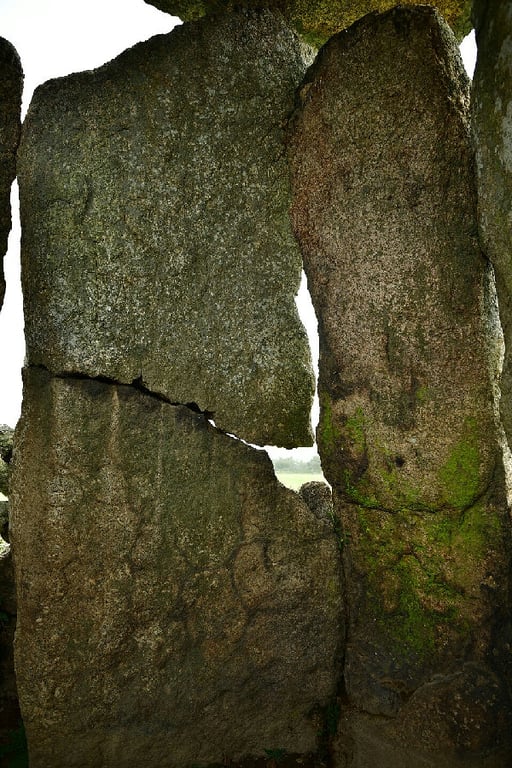
Anta do Tapadão
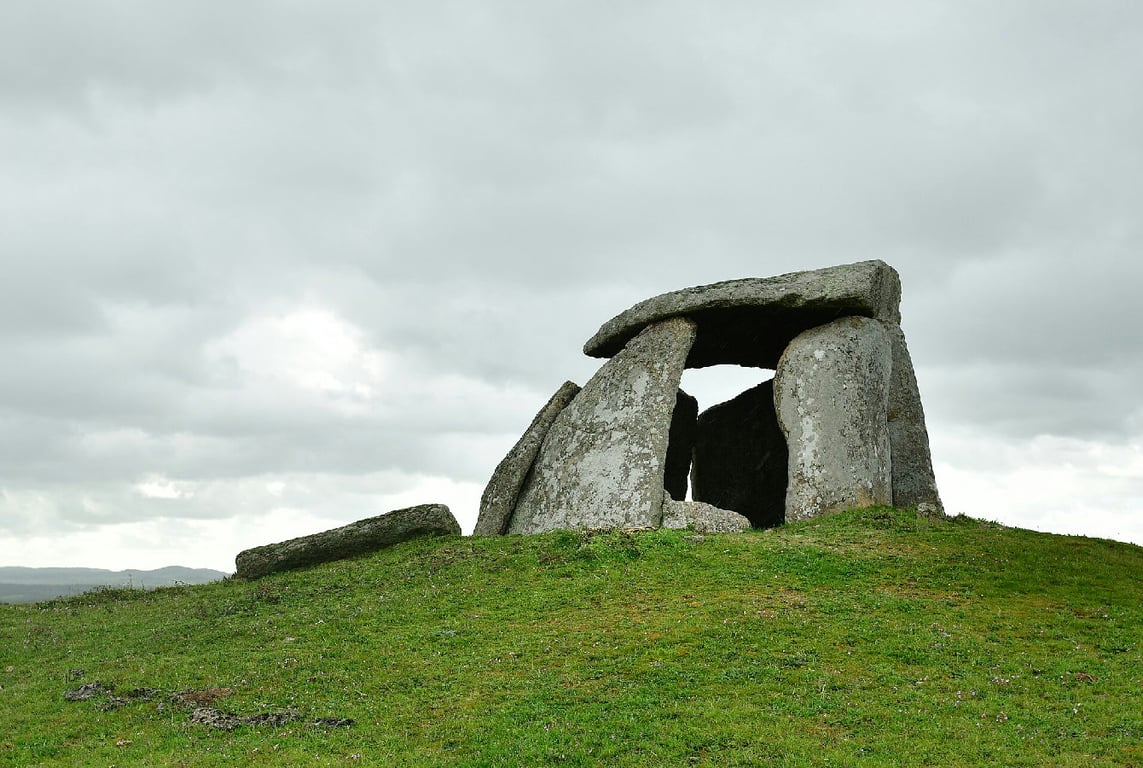
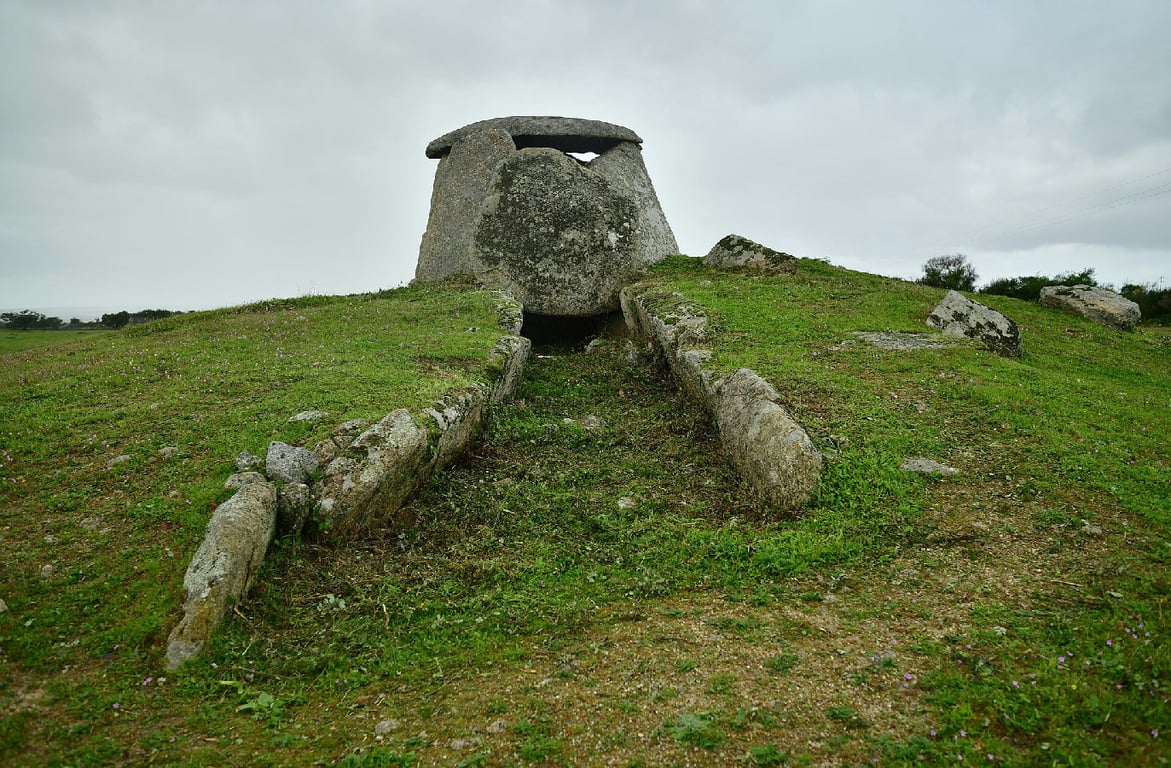
One of the most impressive Neolithic passage tombs in Portugal, the Anta do Tapadão features a massive polygonal chamber and a long, well-preserved corridor. A true megalithic marvel.
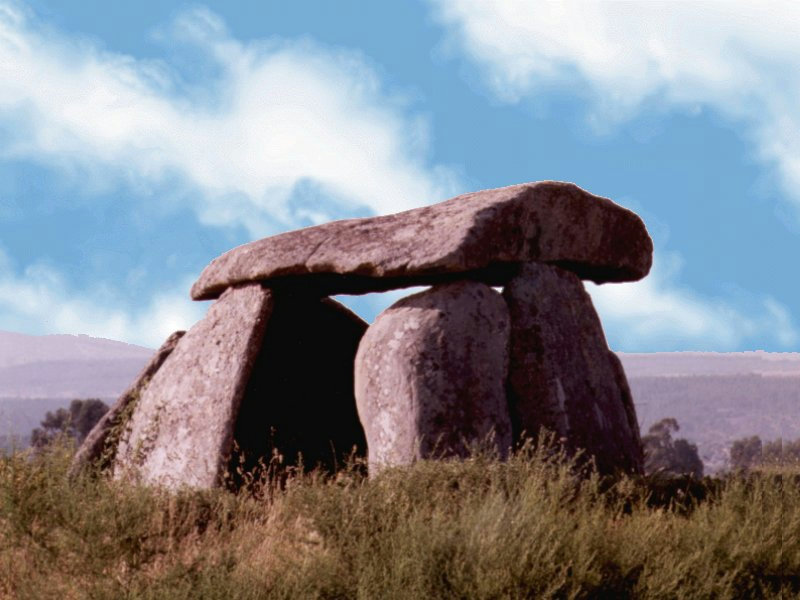
Anta do Tapadão
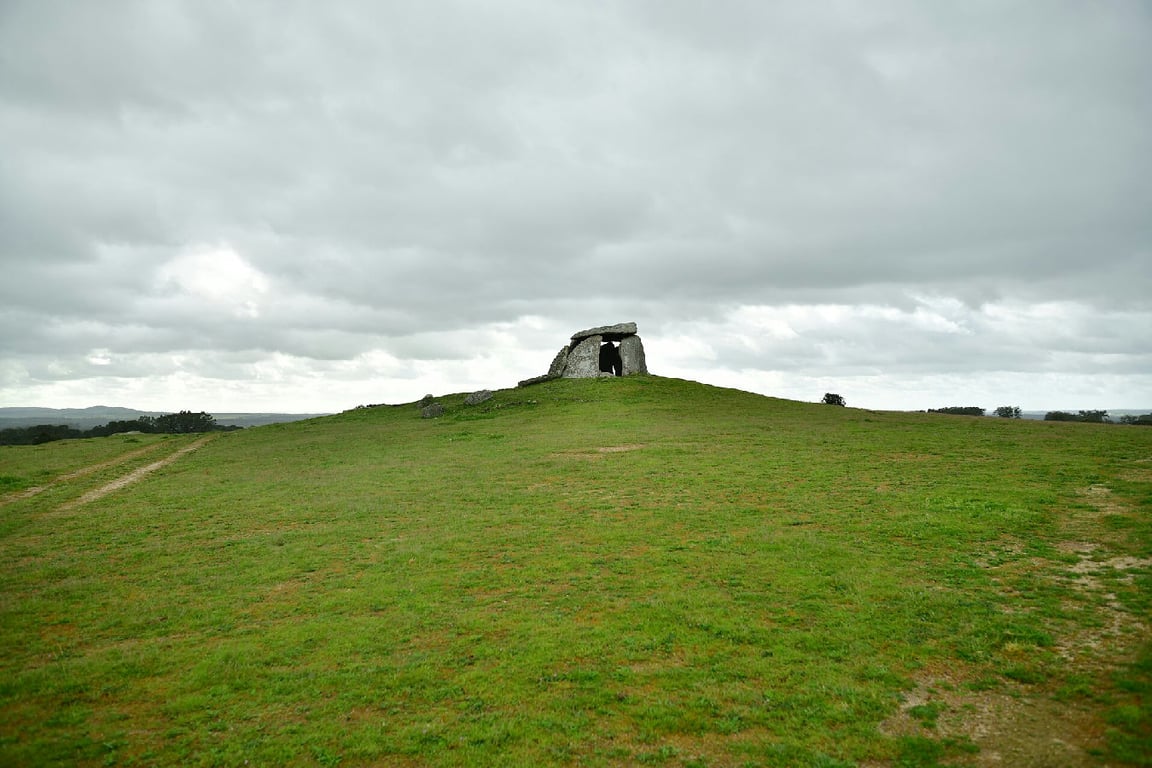
In the heart of Portugal's Alentejo region, an area rich with prehistoric monuments, the Anta do Tapadão stands as a powerful testament to Neolithic ingenuity and spiritual beliefs. Located near the town of Crato in the Portalegre district, this megalithic dolmen, or passage tomb, is among the most significant and well-preserved examples of its kind on the Iberian Peninsula. Designated as a National Monument since 1910, it offers a profound connection to the communities that thrived here over 5,000 years ago, providing invaluable insights into their rituals, social structure, and understanding of the cosmos.
A Chamber for the Ancestors
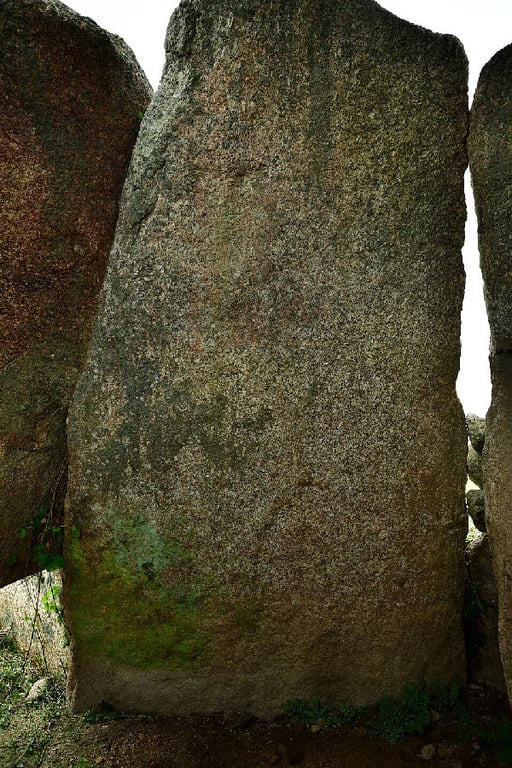
Constructed between the 4th and 3rd millennia BCE, the Anta do Tapadão was primarily a collective burial site, a sacred space designed to house the remains of community members over generations. Its architectural form is both impressive and elegantly functional. The main funerary chamber is polygonal, formed by seven massive granite orthostats, or upright stones, each several metres high. These stones lean slightly inward to support a single, enormous capstone that roofs the entire chamber. This colossal slab is a masterpiece of prehistoric engineering, requiring immense communal effort to quarry, transport, and hoist into place. The scale of the structure demonstrates not only advanced practical skills but also a deep-seated reverence for the dead.
The Sacred Passageway
Leading to the main chamber is a long, well-defined corridor, approximately 6 metres in length. This passageway, also constructed from large granite slabs, would have originally been covered, creating a tunnel that guided celebrants from the outside world into the sacred, darker space within. The entrance is oriented to the east, a common feature in such tombs, suggesting a deliberate alignment with the rising sun or other celestial events. This alignment likely played a crucial role in the ceremonies and rituals performed here, linking the cycle of life and death to the cycle of the sun, symbolising rebirth and the journey to an afterlife.
Whispers from the Earth
Archaeological excavations, notably those led by Georg and Vera Leisner in the mid-20th century, have unearthed a wealth of artifacts that help reconstruct the story of the people who used this tomb. The findings within the chamber and corridor included a variety of grave goods intended to accompany the deceased. These included polished stone axes, flint arrowheads, ceramic vessels, and personal adornments like slate pendants and beads. Perhaps most fascinating were the engraved slate plaques, small, abstractly decorated objects believed to hold symbolic or religious significance, possibly representing deities or ancestor figures. These artifacts are crucial for understanding the material culture and symbolic world of the region's first farming communities.
A Monument in a Megalithic Landscape
The Anta do Tapadão is not an isolated monument but part of a dense concentration of megalithic structures in the Alto Alentejo. Its presence indicates a stable, organised society capable of undertaking large-scale, collaborative projects that spanned many years. These tombs were landmarks, territorial markers, and focal points for community identity, anchoring people to a specific place and a shared ancestral history. Visiting the site today, one can still feel the profound sense of permanence and sacredness that its builders imbued into the granite stones, a timeless connection to a distant past that continues to resonate in the serene Portuguese landscape.
The Whispering Stones of Tapadão
Beyond the official designation as a National Monument and the archaeological surveys that catalog its stones, the Anta do Tapadão holds a deeper, more elusive story. While guidebooks describe a classic Neolithic passage tomb, they rarely speak of the energies, legends, and unsettling questions that cling to its massive granite slabs. This is not just a relic of the past; for those who listen, it is a place that still hums with ancient power, a portal to a world of forgotten beliefs and cosmic understanding that defies modern explanation.
A Chamber of Forgotten Echoes
Archaeologists catalog the artifacts found within—slate plaques, polished stone axes, and flint arrowheads—as grave goods for the dead. But this interpretation may be too simple. An unconventional view suggests these were not just offerings, but tools for a spiritual journey. The enigmatic, geometric engravings on the slate plaques, for instance, are often dismissed as simple decoration. Yet, some researchers theorize they are a form of proto-writing or symbolic maps of the spiritual realm, meant to guide the soul through the afterlife. The chamber itself, formed by seven towering orthostats, may have been less a tomb and more a womb of rebirth, a place where the living communed with ancestral spirits during powerful rituals.
Where the Mouras Weave their Spells
Local folklore whispers of a presence far older than any human remains found here. The Anta do Tapadão is said to be one of the many domains of the Mouras Encantadas—supernatural fae beings of Iberian legend, often appearing as beautiful women who guard ancient treasures and gateways to other worlds. It is said that on nights of the full moon, one can hear faint, melodic singing from within the chamber, and that the Mouras emerge to spin golden threads under the starlight. These tales warn the curious against disturbing the stones, for the Mouras are not only guardians of treasure but also of secrets, and they do not take kindly to those who seek to plunder the dolmen’s sacred power.
The Celestial Key and the Sonic Anomaly
While mainstream archaeology focuses on its funereal purpose, fringe theories propose the Anta was built for more esoteric functions, connecting the earth to the cosmos and the human mind to other states of consciousness.
The Star-Chart Carved in Stone
The tomb’s long, narrow corridor is precisely oriented. While its exact alignment is still debated, many believe it was designed as a celestial calendar. It may perfectly frame the sunrise on the winter solstice or the rising of a specific star constellation significant to Neolithic cosmology. In this view, the dolmen was not merely a burial place but an observatory, a device for marking the turn of the seasons and anchoring the community to the eternal cycles of the heavens. It was a place where time, death, and the stars converged.
A Resonance Beyond Hearing
Another compelling theory explores the acoustic properties of the chamber. Researchers in other megalithic sites have discovered that their stone structures resonate at specific low frequencies, particularly between 95 and 120 Hz. These frequencies are known to have a profound effect on the human brain, capable of inducing trance-like states. Could the Anta do Tapadão have been an ancient sound chamber, where chanting, drumming, and the human voice were amplified to transport participants into a state of spiritual ecstasy? The very stones may have been chosen for their ability to vibrate with the sacred, turning the tomb into a powerful engine of consciousness alteration.
Anta do Tapadão — photo gallery