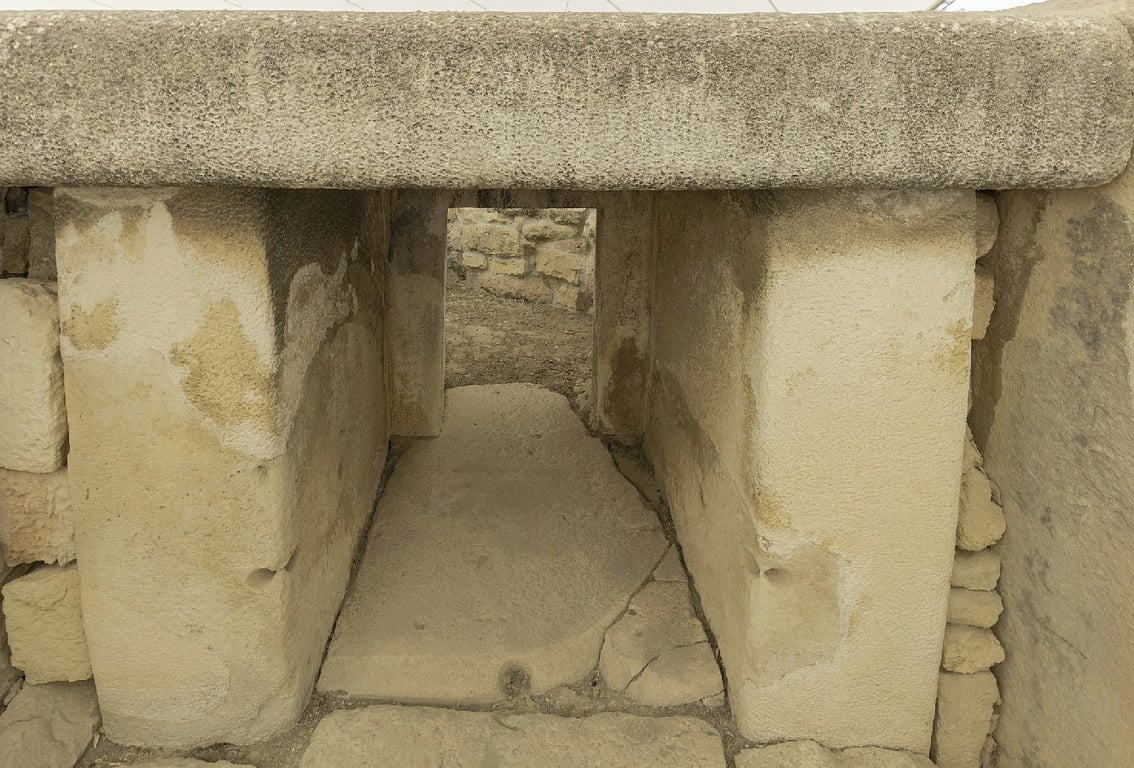
Tarxien Temples
Wander a complex of four interconnected temples famed for intricate spiral carvings and the remains of a colossal goddess statue, revealing layers of prehistoric life and ritual.
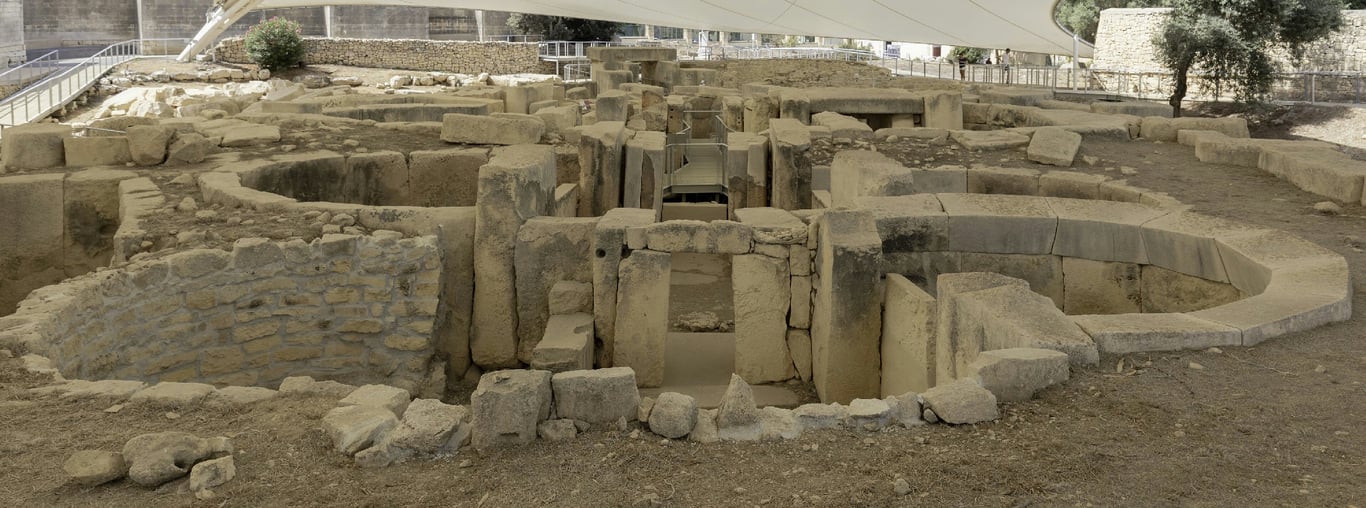
Tarxien Temples
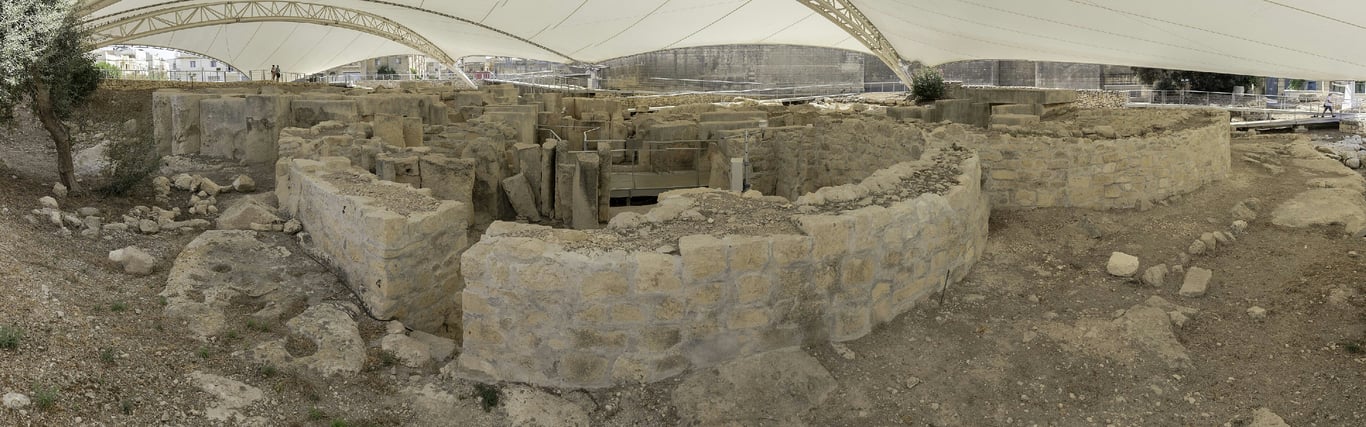
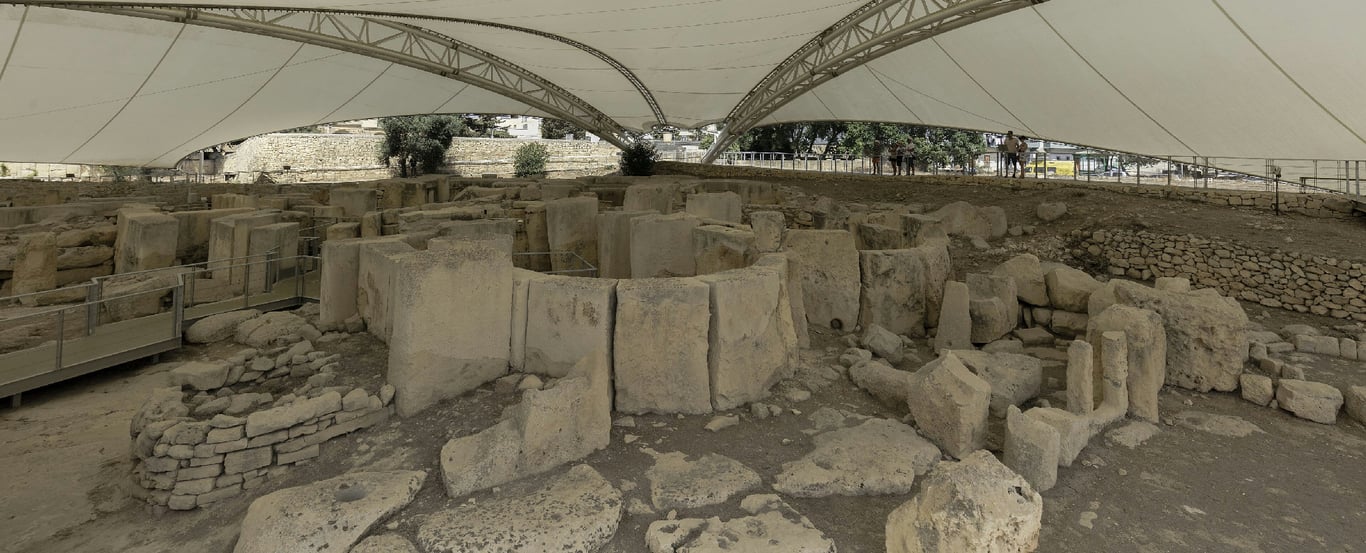
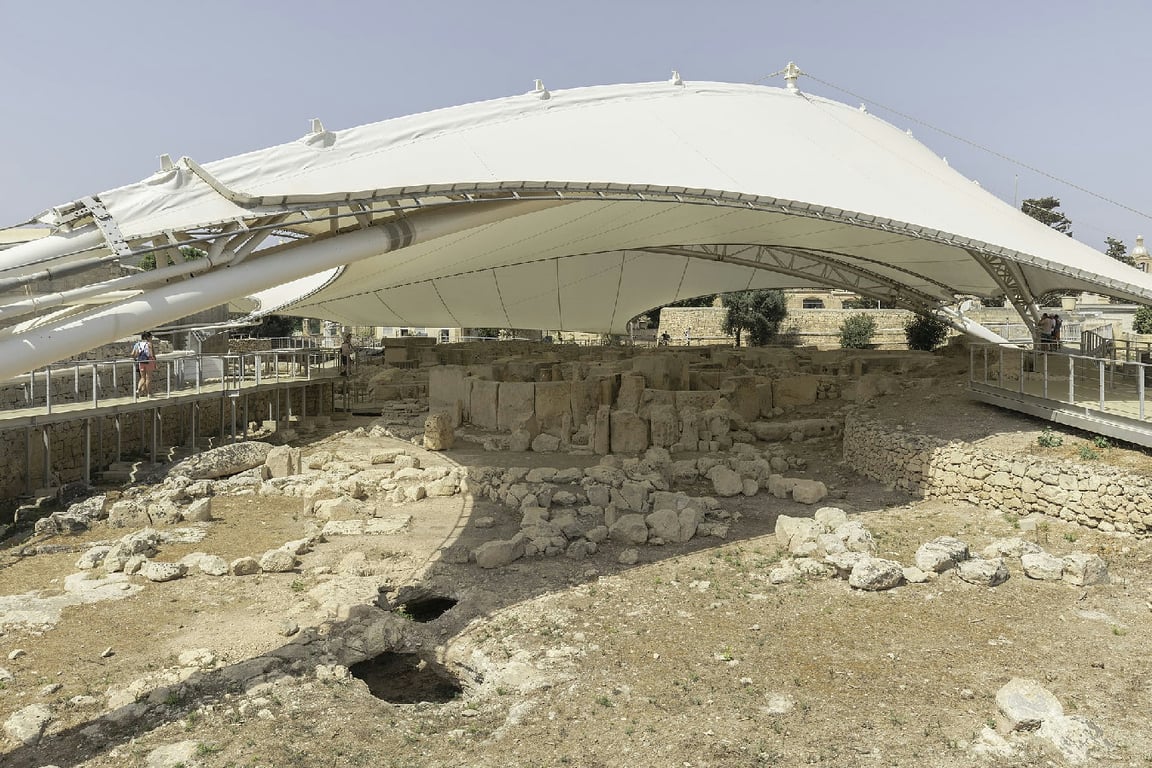
Nestled within a modern urban landscape, the Tarxien Temples complex offers a fascinating glimpse into the artistic and spiritual zenith of Malta's temple-building period. Discovered by local farmers in 1913, this UNESCO World Heritage site consists of four interconnected megalithic structures built between 3600 and 2500 BC. Unlike the more starkly situated coastal temples of Mnajdra and Ħaġar Qim, Tarxien is celebrated for the richness and complexity of its interior decoration. The site reveals a culture that had mastered not only monumental construction but also sophisticated artistic expression, leaving behind a legacy of intricate carvings and iconic sculptures that continue to captivate archaeologists and visitors alike.
A Canvas of Prehistoric Art
The most striking feature of the Tarxien complex is the quality of its stone carvings. The builders adorned the temple's chambers and altars with a variety of detailed reliefs, the most famous of which are the elegant spiral patterns that flow across the stone blocks. These spirals, possibly representing eternity or the cycle of life, are executed with a precision that is breathtaking. In addition to these abstract designs, the temples also feature reliefs of animals, including goats, bulls, and a sow, suggesting that animal sacrifice and fertility rites played a central role in the ceremonies conducted here. These artistic elements provide invaluable clues into the symbolic world and belief systems of the Neolithic people who gathered within these sacred walls.
The Lady of Tarxien
Among the most iconic discoveries at Tarxien is the lower portion of a colossal statue of a skirted figure, often interpreted as a "Mother Goddess" or fertility deity. The statue's massive legs and hips give a powerful impression of stability and abundance. Though the upper half is missing, the surviving portion stands as a powerful symbol of the prehistoric culture that flourished on the island. Today, the original statue is displayed at the National Museum of Archaeology in Valletta to protect it, while a faithful replica stands in its original place within the temple complex. This figure, along with other smaller statuettes found on-site, highlights the importance of female or divine representation in the spiritual life of the community.
From Temple to Tomb
The history of the Tarxien Temples did not end with the decline of the temple-building civilization. Around 2500 BC, the site was repurposed by a new culture, becoming a Bronze Age cremation cemetery. Archaeologists have excavated the remains of cremated human bones, along with pottery and other grave goods, from the soil and apses of the ancient temples. This later use adds a fascinating layer to the site's story, demonstrating how subsequent cultures interacted with the monumental ruins left behind by their predecessors. It transformed the site from a vibrant ceremonial center for the living into a solemn repository for the dead, preserving a unique archaeological record of cultural transition and continuity over thousands of years.
The Whispering Spirals of Tarxien
Beyond the guidebooks and official timelines lies a deeper, more enigmatic Tarxien. While most visitors see the remains of a sophisticated temple culture, others sense a place layered with forgotten rituals, strange energies, and cosmological secrets etched into its very stones. The true story of Tarxien is not just one of construction, but of mysterious reuse, supernatural whispers, and theories that push the boundaries of conventional archaeology.
Echoes from a Bronze Age Reckoning
One of Tarxien's most profound and overlooked mysteries is not what was built, but what was built upon it. Long after the original temple builders vanished, a new Bronze Age culture (c. 2500-1500 BC) arrived and transformed the sacred complex into a cremation cemetery. They deliberately filled the hallowed halls with earth, ash, and the remains of their dead. Was this an act of desecration, a hostile takeover of a sacred site to erase the memory of the previous culture? Or was it an act of reverence, a belief that being buried within the powerful ruins offered a special connection to the afterlife? This dramatic repurposing remains a subject of intense debate, leaving a ghostly imprint of a forgotten cultural clash.
The Oracle in the Stone Womb
The famous "Fat Lady" statues, often interpreted as mother goddesses or fertility icons, may hold a more dynamic and esoteric purpose. Their exaggerated proportions and seated postures are found nowhere else in the world in this exact form. An alternative view suggests these figures were not deities to be worshipped, but stone oracles—physical conduits for shamanic ritual. The temples themselves, with their womblike apses, may have served as incubators for prophetic dreams and altered states of consciousness, with the statues acting as the focal point for receiving divine knowledge.
The Tale of the Sleepless Farmer
Local folklore, passed down long before the official 1913 discovery, speaks of the Tarxien area as a place of uneasy spirits. Farmers reported hearing low humming sounds emanating from beneath their fields on still nights and claimed their livestock would often refuse to graze over the spot where the main temple entrance was eventually unearthed. One persistent tale tells of a farmer who, after striking a large, carved stone with his plough, was plagued by dreams of a large woman cloaked in shadow, whispering warnings in an unknown tongue until he abandoned the field altogether.
A Symphony for the Underworld
Step inside the Tarxien complex and you might feel a subtle change in the air. Some researchers propose that this is by design. The curved apses and corbelled ceilings are not just architectural choices but sophisticated acoustic engineering. It is theorized that low-frequency male chanting within these chambers would create powerful resonance patterns, vibrating at frequencies (around 110 Hz) known to directly affect human brain activity. This sound technology could have been used to induce trance-like states, facilitate healing, or allow priests to "speak" with the voice of the earth itself, turning the entire temple into a massive instrument for spiritual transformation.
Tarxien Temples — photo gallery