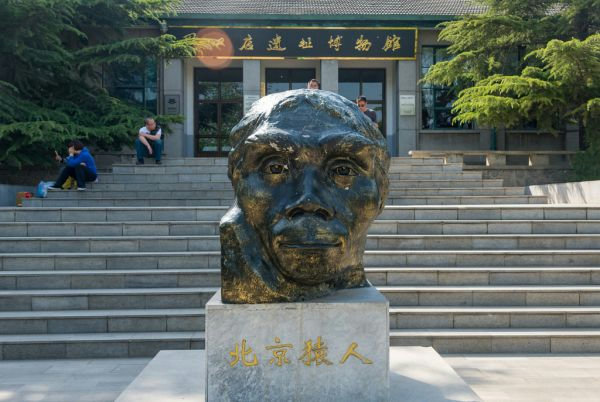
Zhoukoudian - Peking Man Site
Caves near Beijing, a crucial paleoanthropological site, revealed evidence of *Homo erectus* (Peking Man) from approximately 750,000 years ago, including early fire use. A pivotal location in understanding human evolution.
Zhoukoudian: The Cradle of Peking Man
Zhoukoudian, located southwest of Beijing, is one of the most important paleoanthropological sites in the world. It gained international fame with the discovery of *Homo erectus* fossils, famously known as 'Peking Man,' providing critical evidence for early human evolution. The site's complex cave systems and archaeological layers have revealed a treasure trove of human remains, tools, and evidence of fire use dating back approximately 750,000 to 200,000 years ago.
The Discovery of Peking Man
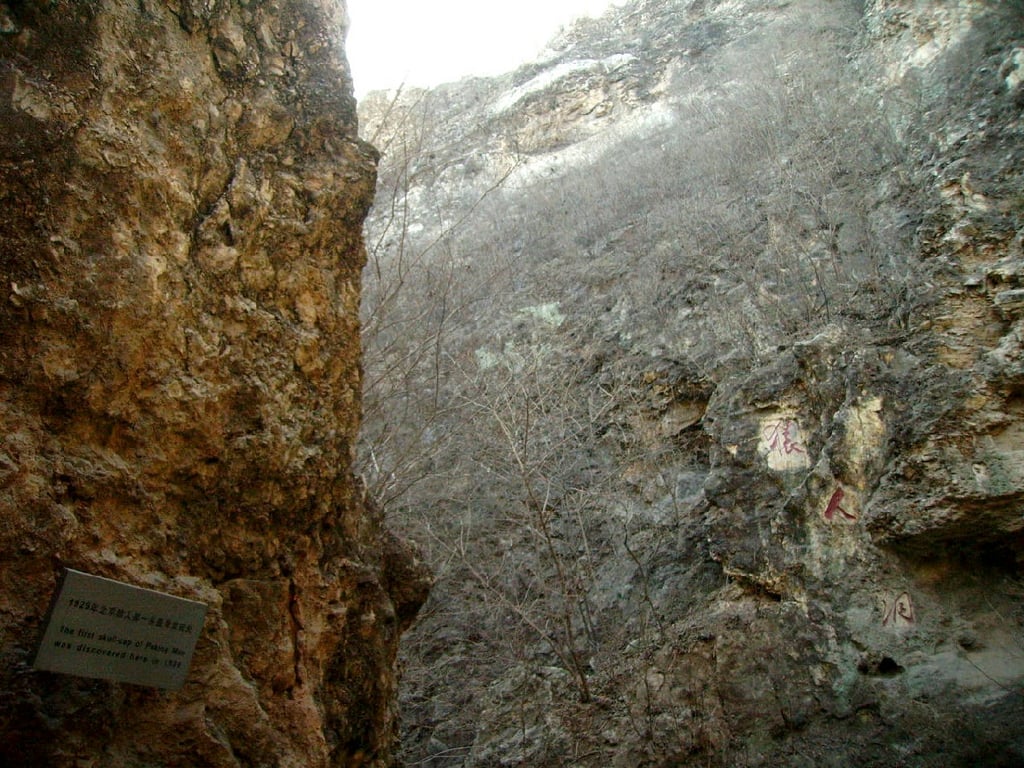
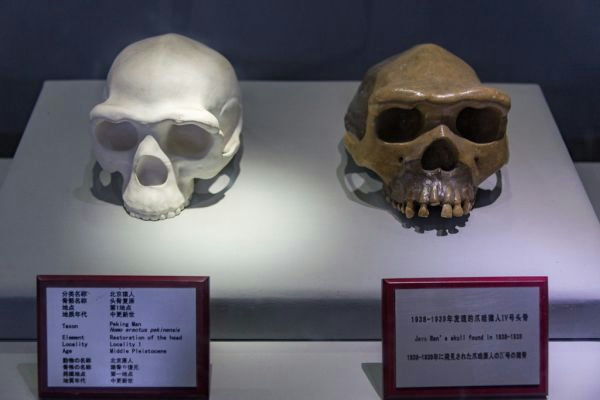
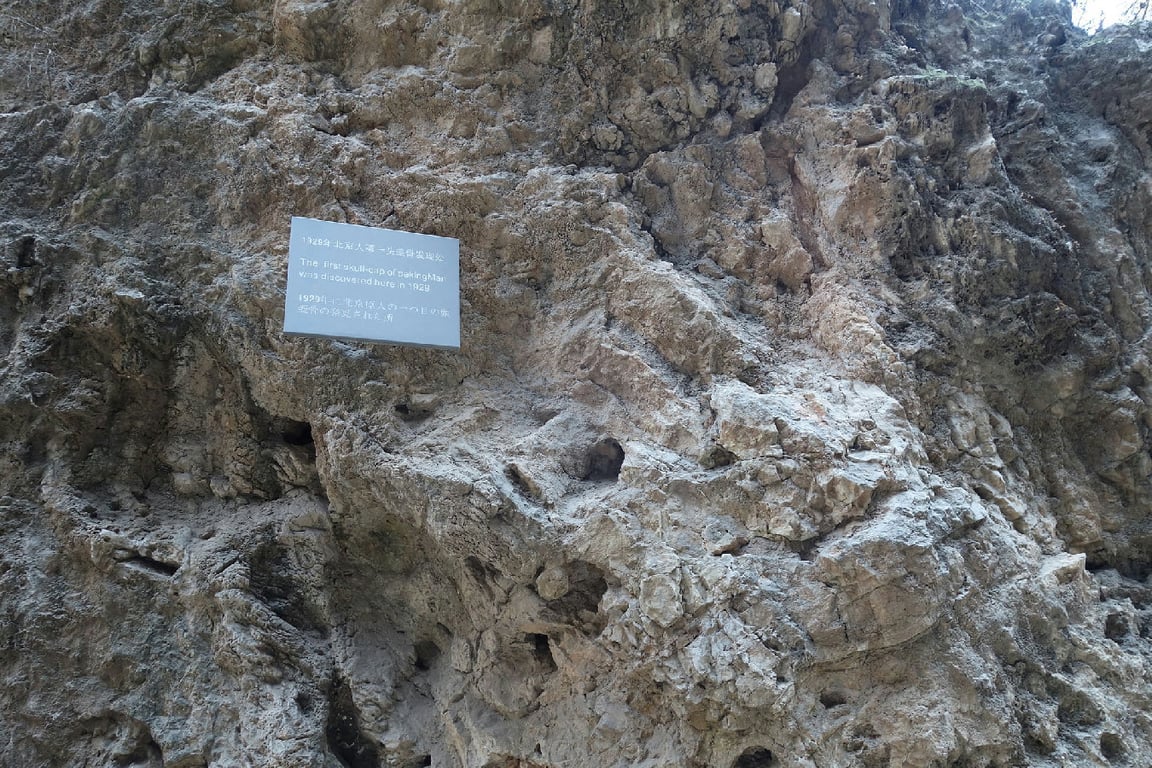
The initial excavations at Zhoukoudian began in the 1920s. In 1927, Swedish paleontologist Birger Bohlin discovered a hominin tooth, leading to more intensive fieldwork. The breakthrough came in 1929 when Davidson Black and Pei Wenzhong uncovered a complete skullcap of *Homo erectus*, confirming the presence of early humans in East Asia. Subsequent discoveries included numerous fossil fragments from over 40 individuals, along with tens of thousands of stone tools and animal bones.
Evidence of Early Human Behavior
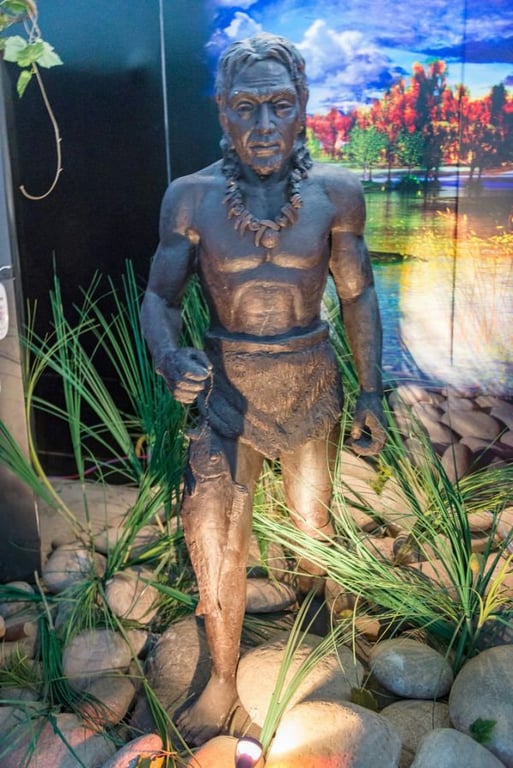
Zhoukoudian is not only significant for its hominin fossils but also for the insights it provides into the behavior of *Homo erectus*. Archaeological layers contained clear evidence of controlled fire use, indicated by thick ash deposits, charred animal bones, and burnt stone tools. This suggests that Peking Man mastered fire for warmth, cooking, protection from predators, and possibly for tool-making, representing a major leap in human technological and cultural development.
Tool-Making and Subsistence
The stone tools found at Zhoukoudian, though relatively crude, demonstrate the ingenuity of *Homo erectus*. These tools, primarily choppers, scrapers, and points, were fashioned from quartz and other local materials, used for butchering animals, processing plants, and other daily tasks. The vast quantities of animal bones, including those of deer, wild boars, and even saber-toothed cats, indicate that hunting and scavenging were crucial to their subsistence strategy, painting a picture of resourceful early humans adapting to their environment.
The Mysterious Disappearance of the Fossils
Tragically, most of the original Peking Man fossils disappeared during World War II while being transported for safekeeping. Despite extensive searches, their whereabouts remain one of archaeology's greatest mysteries. Fortunately, detailed casts and meticulous notes made before their loss have allowed scientists to continue studying these invaluable remains, ensuring their scientific legacy endures.
A UNESCO World Heritage Site
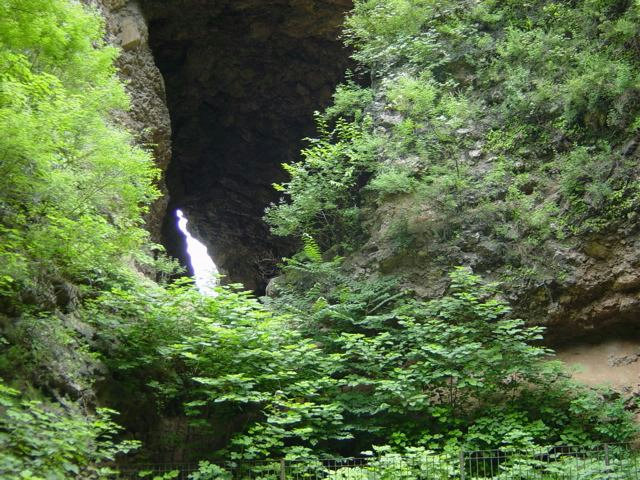
Today, Zhoukoudian is a UNESCO World Heritage Site, recognized for its outstanding universal value in understanding human evolution. The site includes a museum showcasing replicas of the fossils, tools, and reconstructions of the ancient environment. Visitors can explore the main cave, 'Locality 1,' where most of the discoveries were made, gaining a profound appreciation for the long and complex journey of humankind and the pivotal role Zhoukoudian played in revealing our ancient past.
The Dragon Bone Hill Enigma: Beyond Peking Man
While Zhoukoudian is celebrated as the cradle of "Peking Man," its true story is woven with threads of profound mystery, wartime conspiracy, and scholarly debate that rarely surface in official accounts. Beyond the established facts of *Homo erectus* lies a landscape of unanswered questions and lingering enigmas. The famed Dragon Bone Hill (Longgushan) holds more than just fossils; it guards the ghosts of lost artifacts, challenges our fundamental understanding of early human behavior, and whispers legends that predate archaeology itself.
Echoes of a Vanished Ancestor
Perhaps the greatest mystery of Zhoukoudian is a modern one: the complete disappearance of the original Peking Man fossils. In 1941, with Japanese forces advancing, the priceless collection of skulls and bones was packed into crates for transport to the United States for safekeeping. They were last seen in the hands of US Marines, but they never reached their destination. The fossils vanished into the fog of war, sparking one of archaeology's most enduring cold cases.
Theories surrounding their fate are as numerous as they are dramatic. Some believe the fossils lie at the bottom of the sea, lost when the Japanese ship *Awa Maru* was sunk. Others whisper they were ground into powder for traditional "dragon bone" medicine, stolen and hidden in a private collection in Taiwan, or even buried beneath a parking lot in the port city of Qinhuangdao. Despite decades of searching, the original remains of our ancient relative are still missing, leaving only plaster casts as silent witnesses.
A Phantom Hearth in the Cave of Man
The image of Peking Man huddled around a crackling fire is iconic, but the evidence for it is highly contested. For decades, thick black layers within the cave were presented as proof of controlled fire use, a revolutionary step in human evolution. However, a more critical analysis has cast a shadow of doubt over this narrative. Some researchers now argue these "ash layers" are not ash at all, but naturally accumulated deposits of manganese and iron oxides from water seeping through the limestone.
Another provocative theory suggests the layers are the result of massive, spontaneously combusted piles of ancient bat guano. This alternative view paints a drastically different picture: instead of being masters of flame, the cave's early inhabitants may have simply been opportunistic scavengers in a place shaped more by geology and nature than by hominin ingenuity.
The Riddle of the Upper Cave Strangers
Long after Peking Man vanished, a different group of people used the higher levels of the Zhoukoudian cave system. The remains of these anatomically modern humans, known as the "Upper Cave Man," present their own perplexing puzzle. Discovered in 1933, the skulls of three individuals exhibit a baffling mix of physical traits.
Anomalies in the Stone Faces
While found in what is now China, the skulls display features that some early anthropologists controversially linked to diverse populations, including European, Melanesian, and Eskimo groups. This has fueled speculation about vast and complex early human migrations across continents. Were these individuals part of a cosmopolitan group that traveled immense distances, or do they represent a unique, now-vanished population? Like the Peking Man fossils, these crucial Upper Cave remains also disappeared during World War II, leaving their secrets locked away in old photographs and academic debate.
Zhoukoudian - Peking Man Site — photo gallery