Saqqara Necropolis
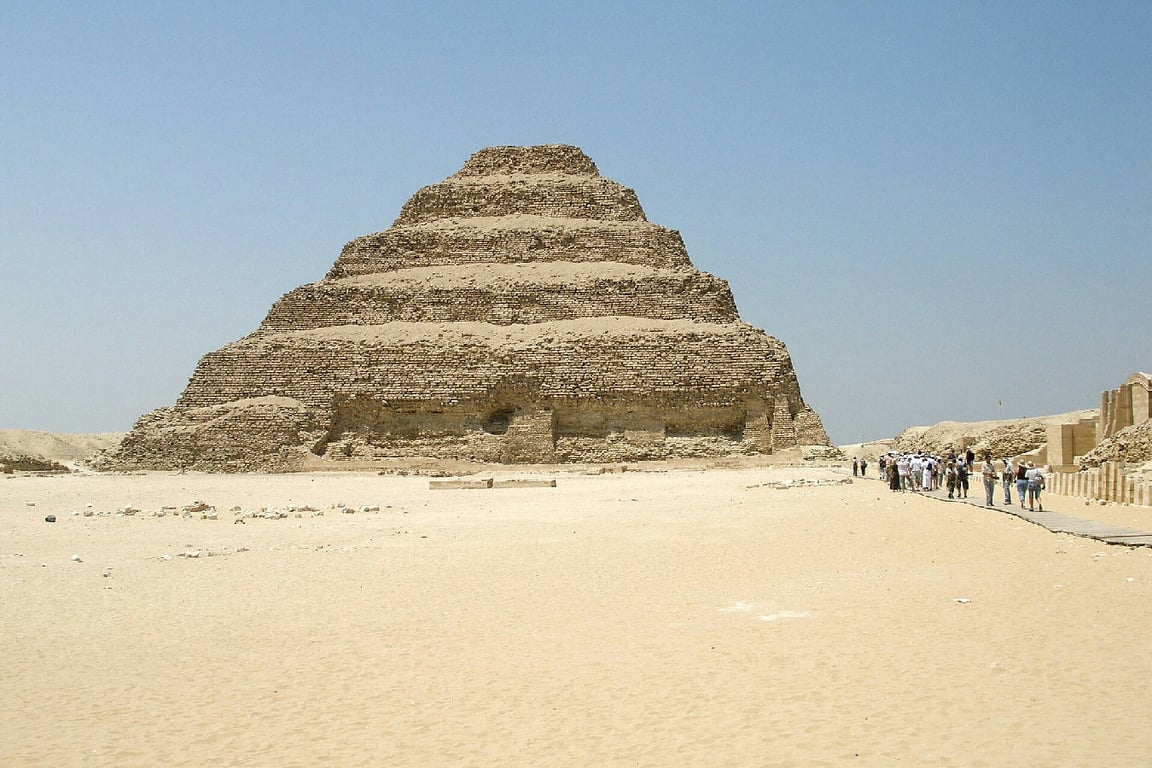
Home to the world's first monumental stone building, the Step Pyramid of Djoser. This vast necropolis served the ancient capital of Memphis for over 3,000 years.
Saqqara Necropolis
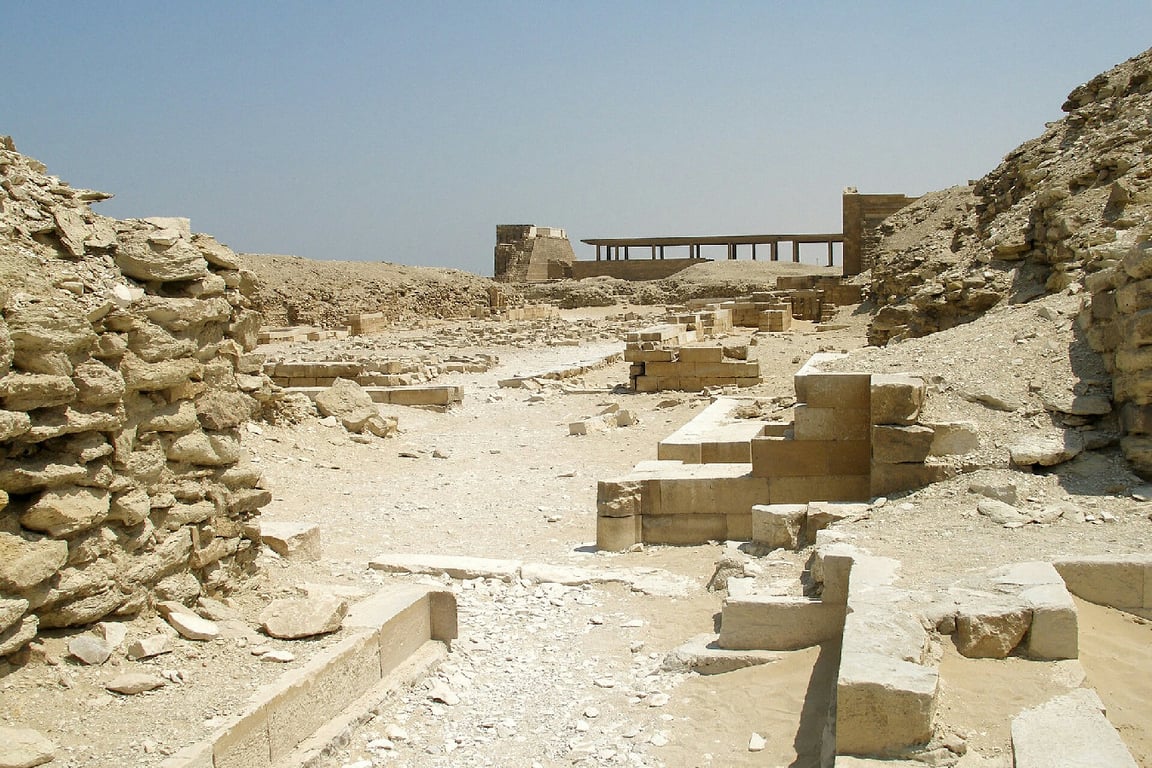
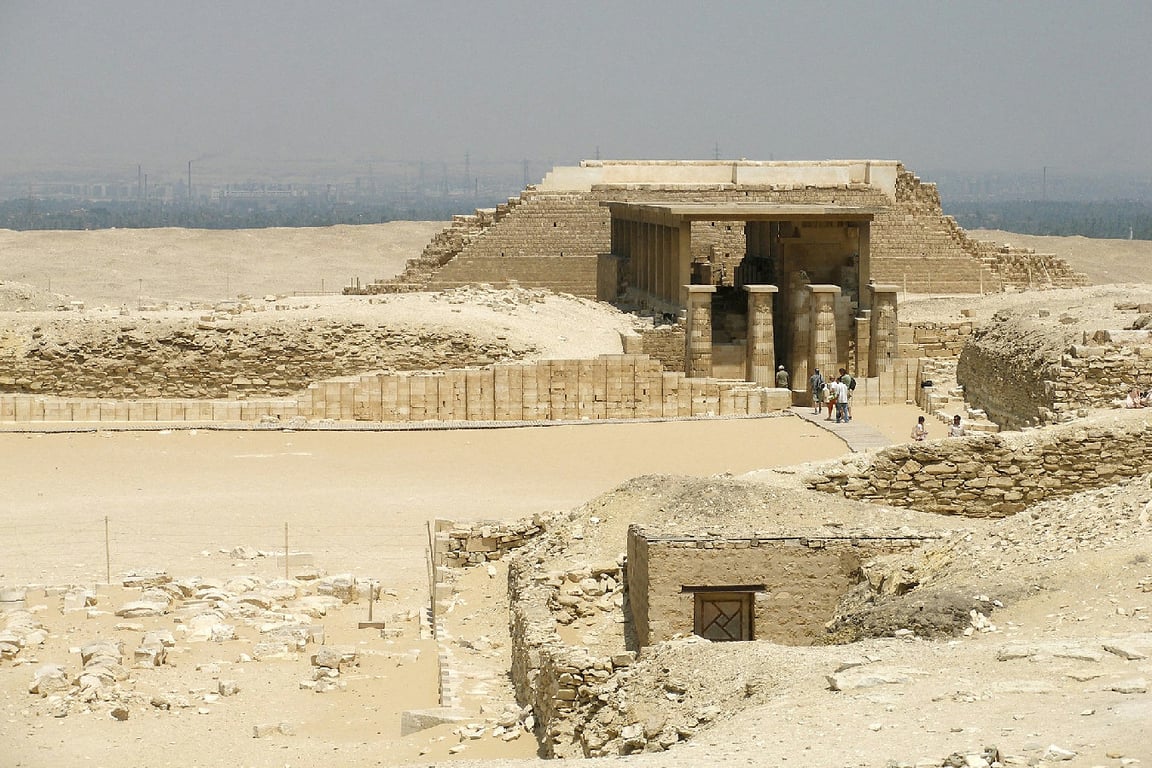
Serving as the principal necropolis for the ancient Egyptian capital of Memphis for over 3,000 years, Saqqara is a sprawling archaeological site of immense importance. It is home to the world's first monumental stone building, the Step Pyramid of Djoser, which revolutionized architecture in the ancient world. The site is a veritable open-air museum, featuring pyramids, temples, and richly decorated tombs from nearly every period of Egyptian history. From the experimental pyramids of the Old Kingdom to the beautifully preserved tombs of New Kingdom officials and the enigmatic Serapeum, Saqqara provides a unique timeline of ancient Egyptian funerary beliefs, artistic styles, and architectural innovation.
The Stairway to the Heavens
The centerpiece of Saqqara is the Step Pyramid, built around 2670 BC for the Third Dynasty pharaoh Djoser. Designed by the brilliant vizier and architect Imhotep, it represents a monumental leap from the simple, flat-topped mastaba tombs that preceded it. Imhotep began with a large mastaba and then expanded it five times, stacking successively smaller levels on top to create a 60-meter-high pyramid with six "steps." This structure was not just a tomb but the heart of a huge complex of ritual buildings, courtyards, and temples, all surrounded by a massive enclosure wall. It was the first time stone was used on such a massive scale, setting the stage for the later pyramids at Giza.
The First Words of the Afterlife
To the south of Djoser's complex lies the much smaller, unassuming pyramid of Unas, the last king of the Fifth Dynasty. While its exterior is now largely rubble, its interior is of profound significance. The walls of its burial chamber are covered with the earliest known example of the Pyramid Texts. These are a series of over 200 magic spells and incantations inscribed in hieroglyphs, intended to protect the deceased pharaoh's soul and ensure his successful journey into the afterlife. These texts are the oldest religious compositions known from ancient Egypt and provide the foundation for later funerary literature like the Coffin Texts and the Book of the Dead.
Lives of the Elite
Saqqara is also famous for its numerous mastaba tombs belonging to high officials and nobles. These tombs, particularly from the Old Kingdom, are renowned for their vibrant and detailed wall reliefs. The Mastaba of Mereruka, for example, is the largest in Saqqara, with 33 chambers depicting scenes of agriculture, hunting, craftsmanship, and family life. The "Tomb of the Two Brothers," (Niankhkhnum and Khnumhotep), has raised debates about the nature of their relationship. These reliefs offer an unparalleled window into the daily lives, beliefs, and social structure of the ancient Egyptian elite, preserving their world for eternity.
The Sacred Bulls of Memphis
One of Saqqara's most fascinating and unusual features is the Serapeum, the burial place of the sacred Apis bulls. The Apis was a live bull considered to be an incarnation of the god Ptah. When one died, it was mummified with the same care as a pharaoh and buried in a colossal granite sarcophagus. The Serapeum consists of a series of vast underground galleries where these sarcophagi, each weighing over 70 tons, were interred. Discovered by Auguste Mariette in 1850, this subterranean maze is a testament to the unique animal cults that formed a significant part of ancient Egyptian religion.
Echoes from the City of the Dead: Saqqara's Untold Tales
While the world marvels at the Step Pyramid of Djoser, the true essence of Saqqara whispers from beneath the sands, in its unexplored tunnels and forgotten cults. Beyond the monumental stone that heralded a new age of architecture lies a landscape of profound mystery, where the lines between history, myth, and unexplained phenomena blur. This is not just a city for the dead; it is a library of secrets, holding chapters of Egyptian belief that mainstream history has yet to fully decipher.
The Silent Menagerie of the Underworld
Far from the sunlit causeways, a staggering and surreal discovery was made: vast catacombs packed not with pharaohs, but with millions of mummified animals. Labyrinthine tunnels are stacked floor to ceiling with the carefully wrapped remains of falcons, ibises, baboons, and cats. While scholars label them as simple votive offerings to the gods, the sheer scale defies easy explanation. Was this a nationwide industry born of faith, or does it hint at a deeper, more esoteric belief? Some theorists wonder if this was a mass attempt to preserve the life-force, or *ka*, of the animal kingdom itself, creating a spiritual battery deep within the earth.
The Impossible Weight of the Apis Bulls
Deep beneath Saqqara lies the Serapeum, a subterranean gallery of immense granite sarcophagi that challenges our understanding of ancient engineering. Twenty-six monolithic boxes, each weighing between 70 and 100 tons and sealed with a 30-ton lid, were carved with astonishing precision. The official purpose was to house the remains of sacred Apis bulls. Yet, the mystery deepens: how were these colossal objects maneuvered through the narrow, twisting tunnels? Even more perplexing, most were found empty by their modern discoverer, Auguste Mariette. This has led to controversial theories suggesting they were not tombs at all, but perhaps energy devices or resonant chambers for a purpose we have long forgotten.
Whispers on the Desert Wind
Saqqara is a place of palpable energy, and local folklore speaks of more than just the spirits of ancient kings. Legends tell of guardians, both human and supernatural, who protect hidden chambers from the unworthy. Bedouin tales passed down through generations describe strange lights in the night sky over the necropolis and the feeling of being watched in the desolate southern fields. These are not just ghost stories, but living traditions that suggest the site's spiritual power did not end with the fall of the pharaohs.
The Riddle of the Wooden Falcon
Discovered in a tomb in 1898, the "Saqqara Bird" remains one of the site's most intriguing enigmas. This small, sycamore wood artifact is shaped unlike any known bird, possessing vertical tail feathers and airfoil-shaped wings. While dismissed by many as a ceremonial object or a child's toy, modern aerodynamic tests have shown it is a potentially viable glider. Could this be evidence of a lost understanding of aeronautics, a scale model of a forgotten technology? The wooden falcon sits silently in the Egyptian Museum, a testament to the possibility that our ancestors knew far more than we give them credit for.
Saqqara Necropolis — photo gallery