Ancient Rock Art on the San Juan River in North America
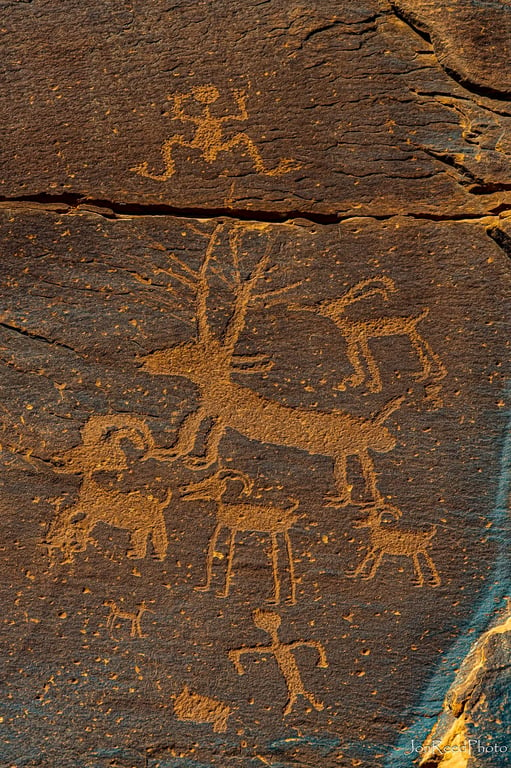
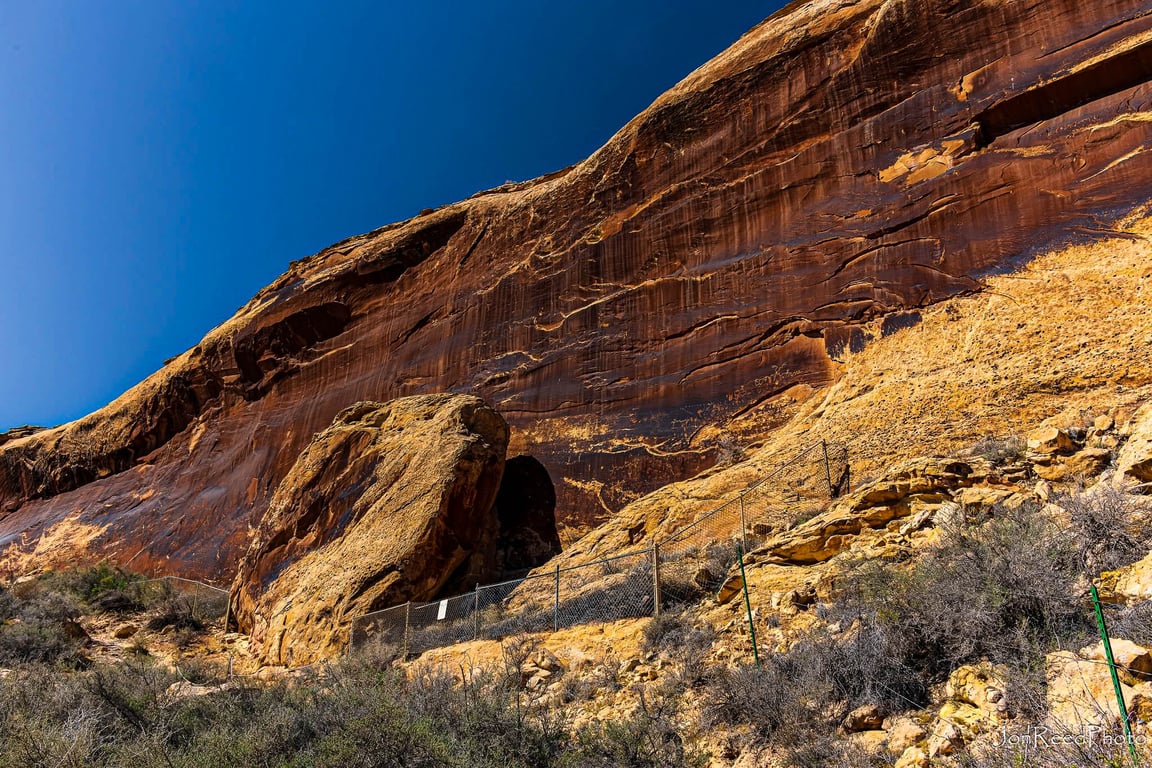
The Sand Island Petroglyphs rank among the most accessible and impressive examples of ancient rock art in North America. Located in southern Utah on the banks of the San Juan River, just a few miles west of the small town of Bluff, this extensive panel offers visitors a vivid window into thousands of years of Indigenous history. Stretching more than 100 yards along a sandstone cliff, the site features hundreds of petroglyphs created by Ancestral Puebloan peoples and later Native American groups.
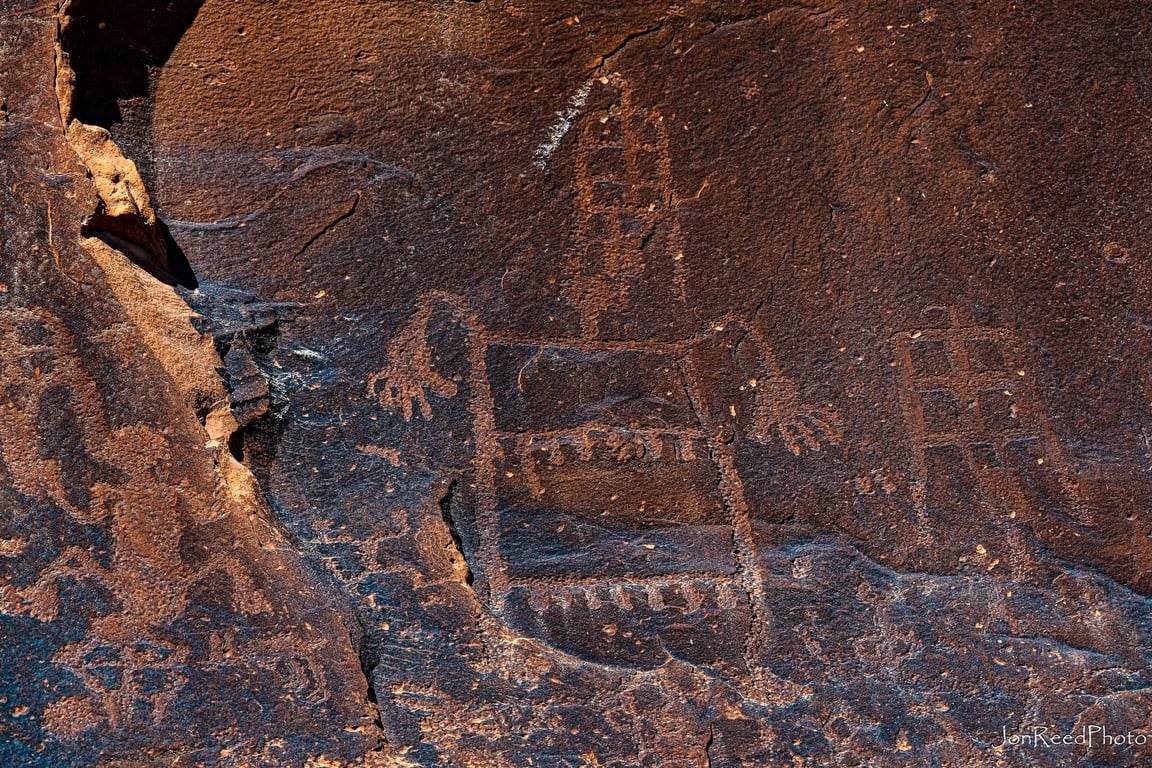
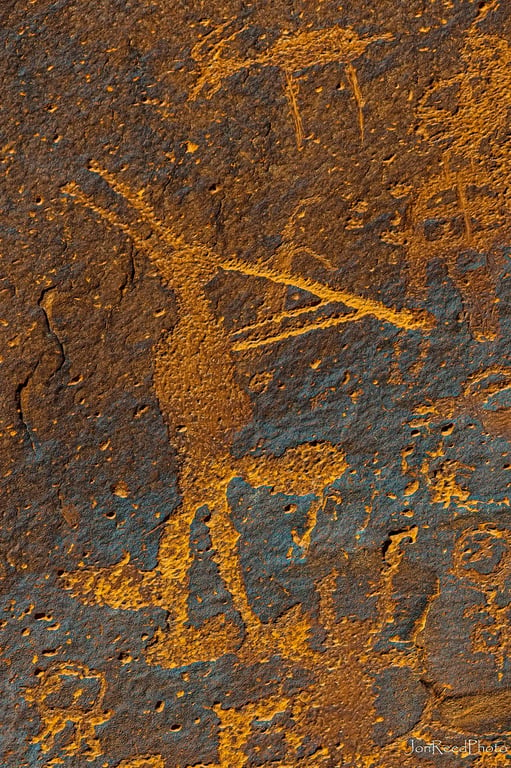
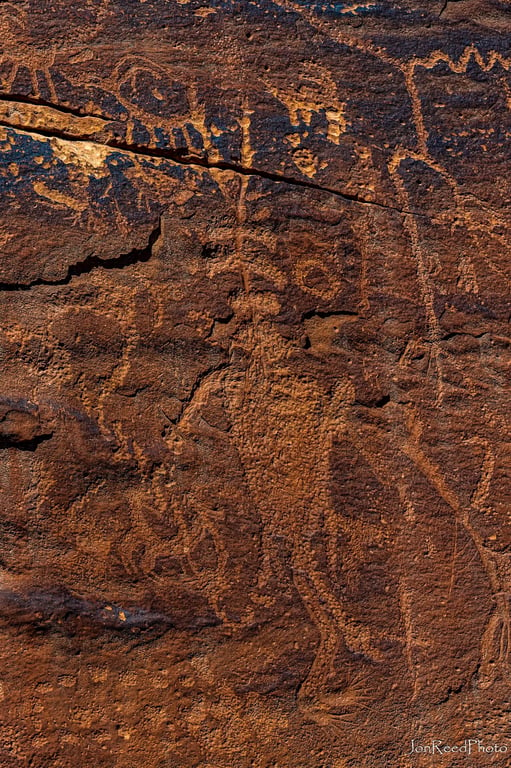
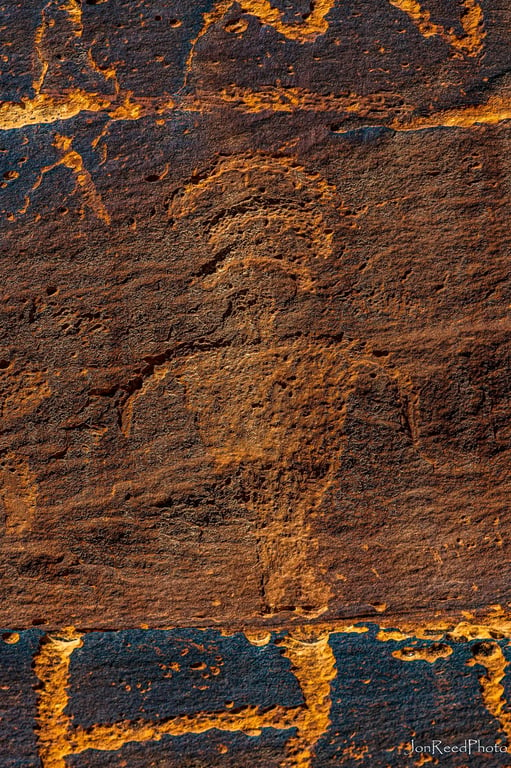
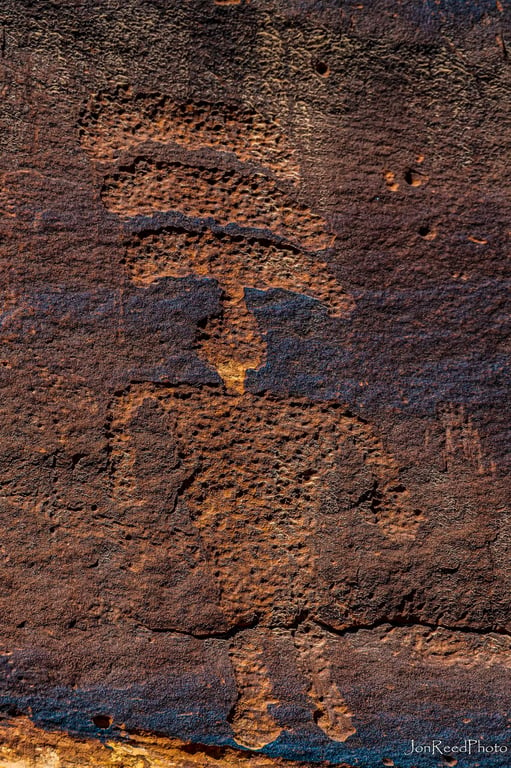
Petroglyphs are images carved or pecked into rock surfaces, distinct from painted pictographs. At Sand Island, the dark desert varnish on the sandstone has been carefully removed to reveal lighter stone beneath, creating lasting figures of humans, animals, and geometric designs. Archaeologists date many of these petroglyphs from roughly 800 to 2,500 years ago or older, spanning the Archaic period through Basketmaker and Pueblo eras. Later carvings by Ute and Navajo people also appear on the wall.
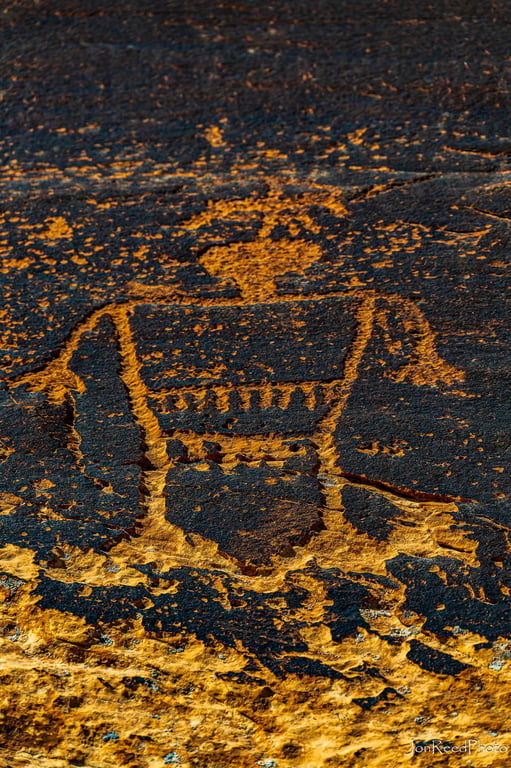
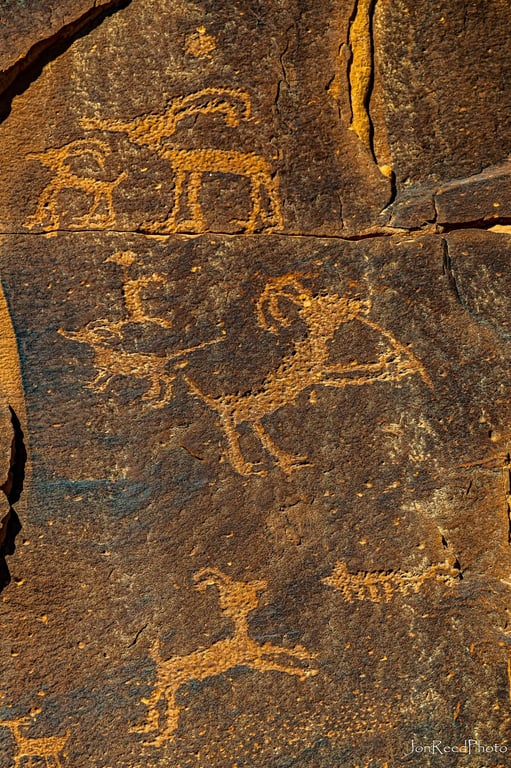
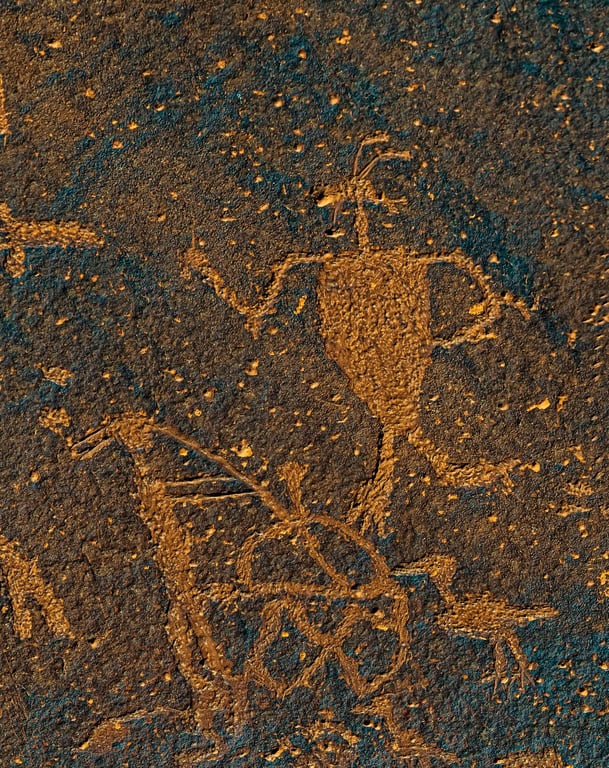
One of the most striking features is the variety of anthropomorphic figures. Many wear elaborate ceremonial headdresses. Others raise arms or hold objects. Flute players appear repeatedly, including classic Kokopelli figures - the humpbacked musician of Pueblo mythology. Remarkably, some animal images, particularly bighorn sheep, are shown playing flutes as well. These playful or symbolic depictions highlight the creativity and worldview of the people who made them. Hunters, handprints, geometric patterns, and various game animals fill the panel, suggesting the site held special significance as a gathering place or ceremonial location along the river.
The Sand Island Petroglyphs sit within the broader landscape of Bears Ears National Monument and form part of a rich concentration of cultural sites in the Four Corners region of North America. The San Juan River corridor has long served as a vital pathway and resource zone. The panel’s sheer size and the long time span of the carvings indicate repeated use and importance across generations. Today the site is protected as part of a Bureau of Land Management recreation area that also includes a campground and popular boat launch for river trips.
Visiting is straightforward. From Bluff, drive about three to four miles west on U.S. Highway 191 and turn south at the well-marked Sand Island entrance. A short, easy trail leads to the main panel, which is fenced for protection. An upper set of petroglyphs is reachable by another short walk on the opposite side of the campground. The site remains open year-round with no entrance fee, though camping carries a modest charge. Vault toilets and seasonal water are available.
Respect is essential when viewing petroglyphs anywhere in North America. Oils from human hands damage the rock surface over time, so never touch the carvings. Stay on established paths, do not add modern graffiti, and leave artifacts in place. These images represent living cultural heritage for descendant communities, including Pueblo, Navajo, and Ute peoples.
The Sand Island Petroglyphs stand out for their accessibility combined with artistic quality and historical depth. Unlike many remote rock art sites that require long hikes or river travel, this panel can be reached by most visitors in minutes. Its location beside a major river put-in also makes it a convenient stop for those exploring the San Juan or the wider Bears Ears area.
In the larger context of North American petroglyphs, Sand Island contributes to a continent-wide story of Indigenous expression. From the desert Southwest to the Pacific Northwest and beyond, rock art records spiritual beliefs, daily life, and connections to the land. Sites like this one help modern audiences appreciate the sophistication and continuity of Native American cultures long before European contact.
Whether you are a dedicated rock art enthusiast or a traveler passing through southern Utah, the Sand Island Petroglyphs reward careful observation. Take time to scan the entire wall under different lighting conditions—morning or late afternoon light often reveals finer details. Look for the flute-playing animals, the headdress figures, and the dense clusters of symbols that make this one of the finest open-air galleries of ancient art in North America.
By protecting and thoughtfully visiting places like Sand Island, we help ensure these petroglyphs continue to educate and inspire future generations about the deep human history written on the rocks of the Southwest.
While thousands flock to the San Juan River to witness the sprawling petroglyph panel at Sand Island, most see only a static gallery of ancient art. They miss the deeper, stranger narratives etched into the rock—a silent conversation spanning millennia, filled with controversial figures, shamanic visions, and whispers of a forgotten time. This is not just a record of the past; it is a landscape of living mystery, challenging what we think we know about the people who walked this land before us.
A Tapestry Woven by Ghost Hands
The sandstone canvas at Sand Island is not the work of a single culture but a chaotic, layered dialogue between spirits of different eras. The earliest markings, faint and abstract, belong to Archaic hunter-gatherers from as far back as 3,000 BCE. Centuries later, Ancestral Puebloan (Anasazi) farmers carved their iconic clan symbols and Kokopelli figures directly over these older designs. Finally, Ute and Navajo artists added their own stories, depicting warriors on horseback and sacred rituals. This overlapping narrative creates a visual puzzle where figures from different millennia interact, a form of multi-generational graffiti where new meanings obscure, and sometimes honor, the old.
Echoes from the Ice Age?
Among the hundreds of familiar shapes of bighorn sheep and humanoids lurks a figure that has sparked decades of fierce archaeological debate. It is an image that, if authentic, could fundamentally rewrite the timeline of human presence in the region.
The Beast That Shouldn't Be There
Pecked into the dark desert varnish is a creature with a high-domed head, a trunk-like snout, and what appear to be tusks. To many observers, it is unmistakably a mammoth or mastodon—an animal that vanished from North America around 10,000 BCE. If the petroglyph is genuine, it would be one of the only known depictions of Ice Age megafauna in the American Southwest, proving that Paleo-Indian artists were here to witness them. Skeptics, however, argue it is a more recent creation, perhaps a stylized bear with unusual features, or even a clever modern hoax designed to inflame the imagination. The rock itself offers no easy answers, leaving the beast to exist in a tantalizing state between history and myth.
Where Star Beings Touch the Earth
Beyond the identifiable animals and human figures, Sand Island is populated by bizarre, otherworldly beings. Anthropomorphs with unnaturally long limbs, antennae sprouting from their heads, and hollow eyes stare out from the cliff face. These are not simple representations of people; they are believed to be depictions of entities encountered during shamanic trances—spirit guides, deities, or perhaps beings from other worlds.
Kokopelli's Shadow Song
The iconic flute player, Kokopelli, is found across the panel, but his true identity is far more complex than the common fertility symbol. Alternative theories propose he was not a god but a historical figure: an itinerant trader carrying goods and stories from Mesoamerica, his sack filled with seeds and exotic wares. Other legends cast him as a powerful shaman, his flute music capable of altering weather, healing the sick, and opening portals to the spirit realm. Each Kokopelli at Sand Island may not be the same entity, but a record of different storytellers, healers, and travelers who left their mark.