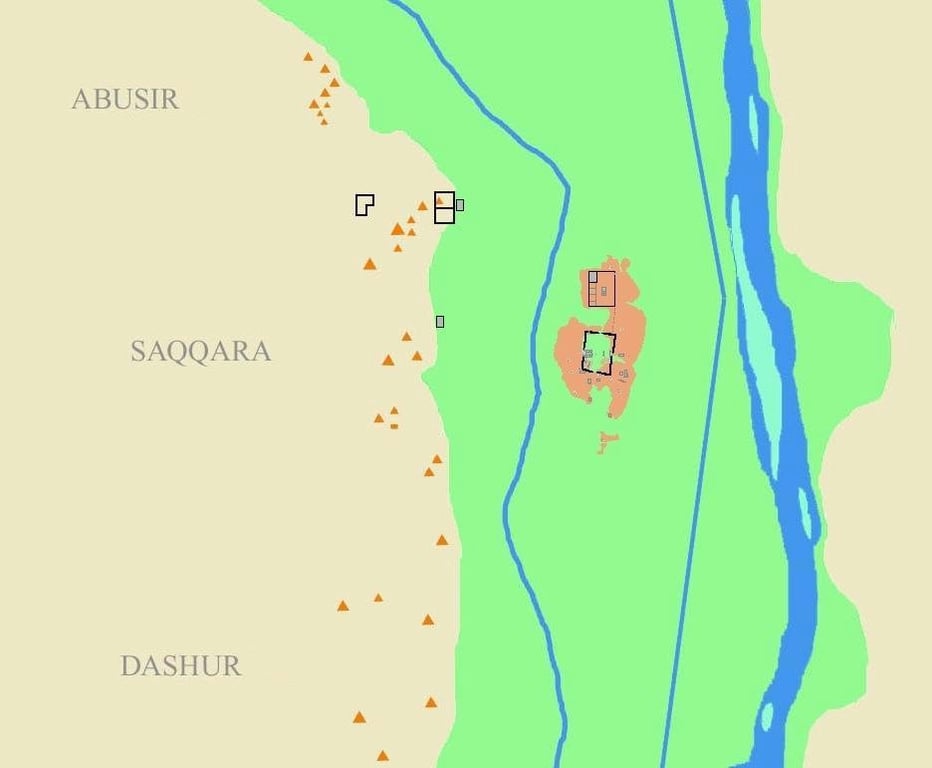
Dahshur Royal Necropolis
A crucial royal necropolis marking a key transition in pyramid design. It hosts the unique Bent Pyramid and the first true smooth-sided pyramid, the Red Pyramid, both built by Sneferu.
Dahshur Necropolis
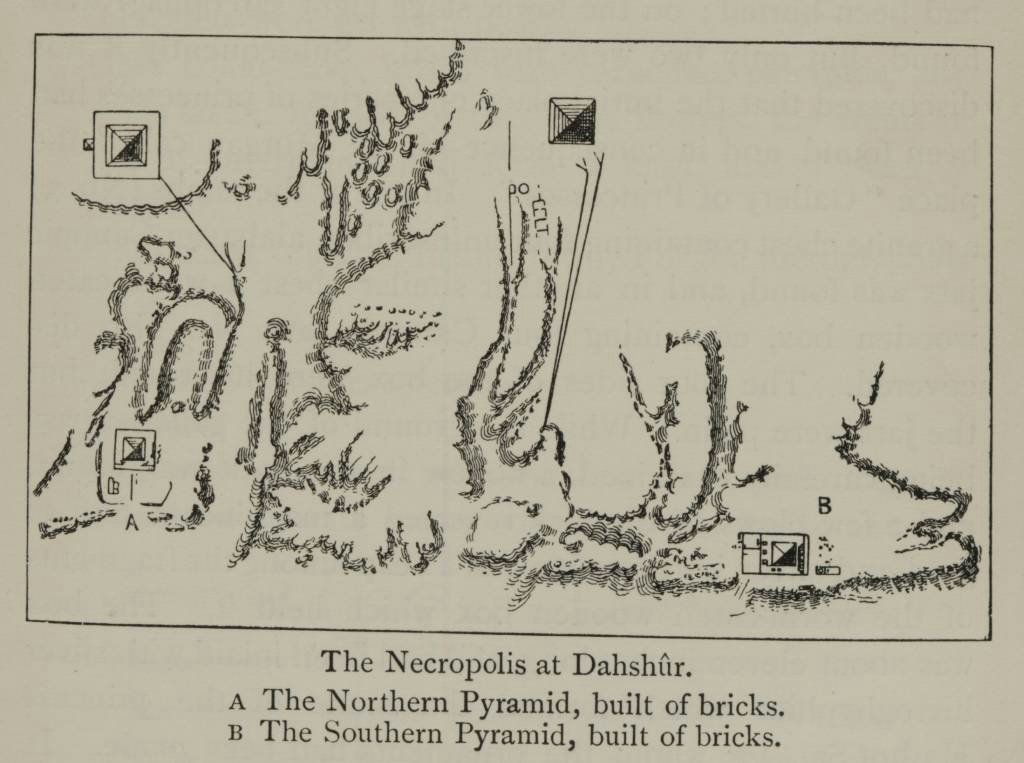
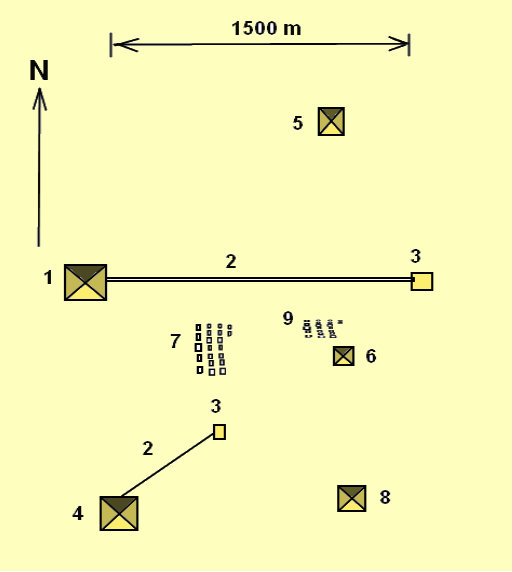
Located on the open desert plain south of Saqqara, the royal necropolis of Dahshur is a crucial, yet often overlooked, site in the story of the pyramids. It was here that Pharaoh Sneferu of the Fourth Dynasty (c. 2613–2589 BC), father of Khufu who built the Great Pyramid at Giza, conducted a series of grand architectural experiments that perfected the pyramid form. Dahshur is a landscape of innovation and transition, home to two of the oldest and best-preserved pyramids in Egypt: the Bent Pyramid and the Red Pyramid. These monuments mark the critical evolutionary step from the stepped pyramids of the Third Dynasty to the true, smooth-sided pyramids that would define the Giza plateau.
Sneferu's Grand Experiment
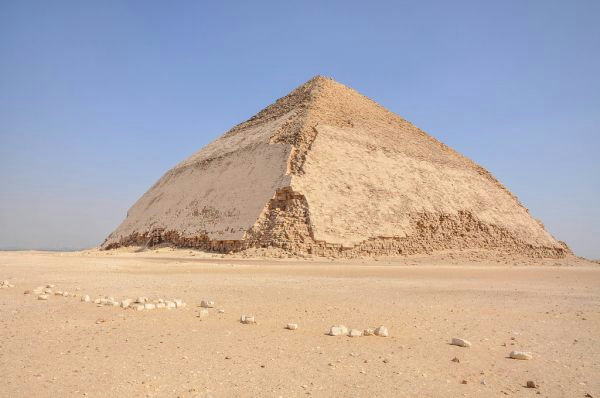
Sneferu's first pyramid at Dahshur, the Bent Pyramid, is visually striking and unique among all of Egypt's pyramids. It rises from the desert at a steep angle of 54 degrees, but then abruptly changes to a much shallower angle of 43 degrees about halfway up, giving it its characteristic "bent" appearance. This change was not an aesthetic choice but an emergency engineering decision. As the builders worked, signs of structural instability became apparent. Cracks appeared in the internal chambers, and the steep angle was placing too much stress on the structure's foundations. To prevent collapse, the architects were forced to reduce the angle and the total weight of the upper section, resulting in its iconic shape.
The First True Pyramid
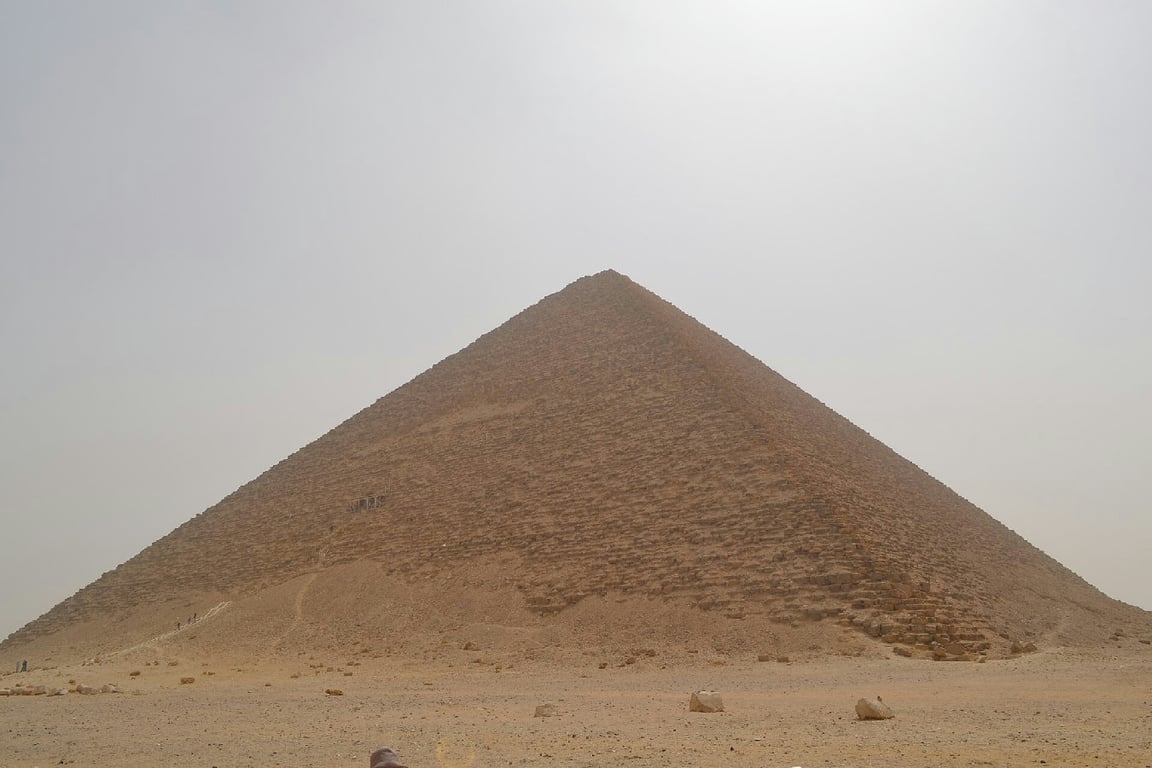
Learning from the near-disaster of the Bent Pyramid, Sneferu immediately commissioned a second pyramid a short distance to the north. This monument, known as the Red Pyramid, was the world's first successful attempt to construct a true, smooth-sided pyramid from the outset. Built at a consistent, safe angle of 43 degrees, it stands as a masterpiece of design and engineering. Its name derives from the reddish hue of the local limestone blocks used for its core, which are revealed now that its white Tura limestone casing has been stripped away. Its spacious and finely constructed internal chambers are accessible to visitors and provide a sense of the architectural prowess of Sneferu's builders. It served as the direct template for the Great Pyramid of Giza.
The Dark Pyramid of a Later Age
Dahshur was used again as a royal burial ground during the Middle Kingdom, most notably by Pharaoh Amenemhat III of the Twelfth Dynasty (c. 1860-1814 BC). His pyramid, known as the Black Pyramid, stands in stark contrast to Sneferu's earlier monuments. It was constructed primarily from mudbrick with a limestone casing. Over the centuries, the casing was removed, and the mudbrick core has eroded into a dark, mound-like shape, giving the pyramid its modern name. Despite its now-ruined state, its subterranean labyrinth of passages was incredibly complex, designed to thwart tomb robbers. The site also contains the tomb of King Hor and the finely crafted jewelry discovered in the tombs of the royal women, showcasing the artistic skill of the Middle Kingdom.
The Crooked Path of a Pharaoh's Ghost
While the Great Pyramid of Giza claims the world's awe, its predecessor, the Bent Pyramid of Dahshur, holds its secrets more tightly. This enigmatic structure is more than just an architectural "mistake"; it is a stone manuscript of crisis, compromise, and cryptic symbolism. Its famous change in angle is merely the surface of a much deeper mystery, one that whispers of a pharaoh's restless spirit, a builder's desperate gamble, and a design so strange it defies a single explanation. To walk its perimeter is to sense a story left deliberately unfinished, a puzzle frozen in time.
A Soul in Two Chambers
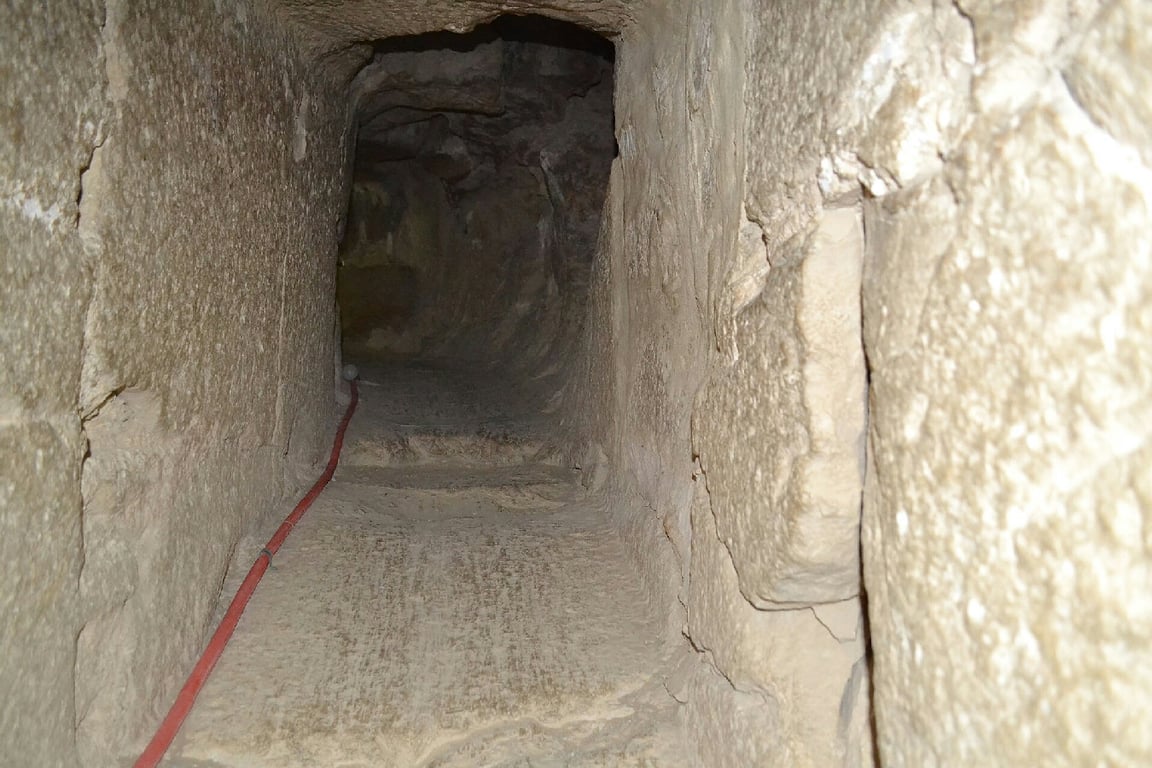
Most pyramids follow a singular, straightforward internal plan, but the Bent Pyramid possesses a bizarre duality. It is the only pyramid in Egypt with two completely separate entrances—one on the traditional north face and another, highly unusual entrance on the west face. These gateways lead to two distinct sets of chambers and passages that do not connect. Why would a pharaoh require two separate internal apartments within his eternal home? Some Egyptologists posit a symbolic purpose, representing the dual nature of the king's rule over Upper and Lower Egypt. Others suggest a more practical, if paranoid, reason: one was a decoy tomb, designed to thwart robbers while the king’s true burial lay hidden in the other. This architectural schizophrenia has never been fully explained, leaving the true purpose of its split interior a matter of intense debate.
An Architect's Desperate Gambit
The official narrative for the pyramid's sudden angle change from 54 to 43 degrees is that the builders feared a structural collapse under the initial steep incline. However, more dramatic theories suggest this was not a cautious adjustment but a reaction to a terrifying event.
The Theory of Catastrophic Failure
One controversial hypothesis posits that a partial internal collapse actually occurred during construction. Imagine the scene: a thunderous roar echoing across the desert as tons of limestone blocks in a lower chamber gave way. This disaster would have forced the royal architect into a desperate, face-saving gambit—radically altering the angle to reduce the weight and prevent total failure. This theory recasts the pyramid not as a cautious experiment, but as a monument scarred by a near-catastrophe, its bent shape a permanent reminder of an ancient engineering crisis that was covered up and never recorded in official histories.
Whispers from the Cedar Beams
Deep within the pyramid's passages, archaeologists discovered massive cedar wood beams, believed to have been imported from Lebanon. While their structural purpose is debated, local folklore imbues them with a supernatural quality. For generations, guardians of the Dahshur necropolis have shared stories of faint, inexplicable sounds emanating from the pyramid's core on quiet nights—a soft creaking or groaning, not of stone, but of ancient wood. Legend claims it is the spirit of Sneferu, or perhaps his chief architect, forever bound to the structure, their discontent echoing through the very beams intended to support their flawed masterpiece. These tales suggest the cedar was not just for support, but to absorb the anxieties and regrets of its builders, forever holding the memory of the pyramid's troubled birth.
Dahshur Royal Necropolis — photo gallery