Sarmizegetusa Regia
The sacred mountain capital of the Dacian kingdom, where formidable fortifications protect a complex of mysterious and sophisticated solar sanctuaries.
Sarmizegetusa Regia
High in the Orăștie Mountains, at an altitude of 1,200 metres, lies Sarmizegetusa Regia, the great mountain sanctuary and capital of the Dacian Kingdom. More than just a fortress, this was the political and spiritual heart of a civilization that challenged the might of Rome. Its strategic location, combined with formidable fortifications, made it a near-impregnable stronghold for kings like Burebista and Decebalus. The site we see today is the final, poignant chapter of this kingdom, a place of sacred rites and desperate last stands, which ultimately fell to the legions of Emperor Trajan in 106 AD after two brutal wars. Its destruction marked the end of Dacian independence and the beginning of Roman Dacia, a transformation etched into the very stones of the landscape.
The Sacred Mountain
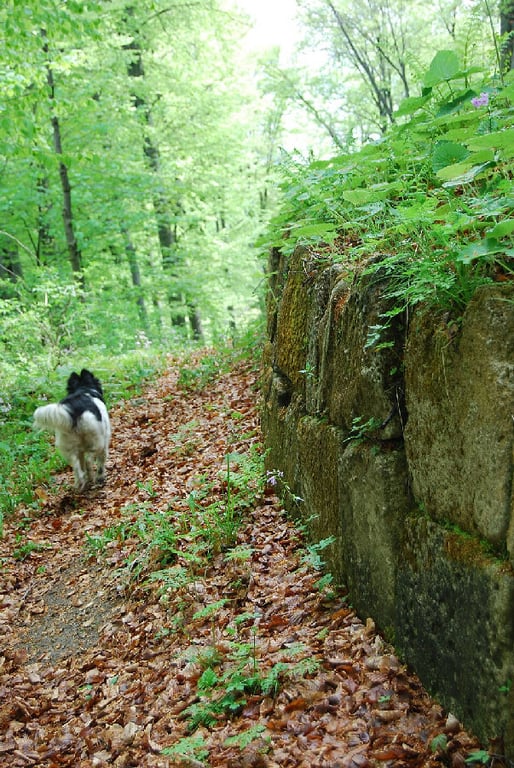
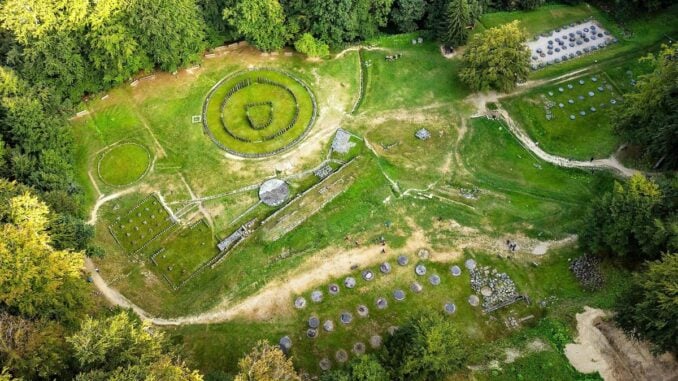
The site's layout reflects its dual purpose as both fortress and sanctuary. A series of massive stone terraces, meticulously carved into the mountainside, supported residential areas and workshops. The fortifications themselves were a marvel of military engineering, built using the distinctive murus dacicus technique. This method involved constructing two parallel stone walls and filling the gap between them with a mixture of earth, rubble, and timber beams. The result was a flexible, durable barrier capable of absorbing the impact of Roman siege engines. This formidable defence system encircled the sacred zone, a testament to the Dacians' skill and their determination to protect their cultural heartland from the encroaching power of Rome.
Heart of the Dacian Cosmos
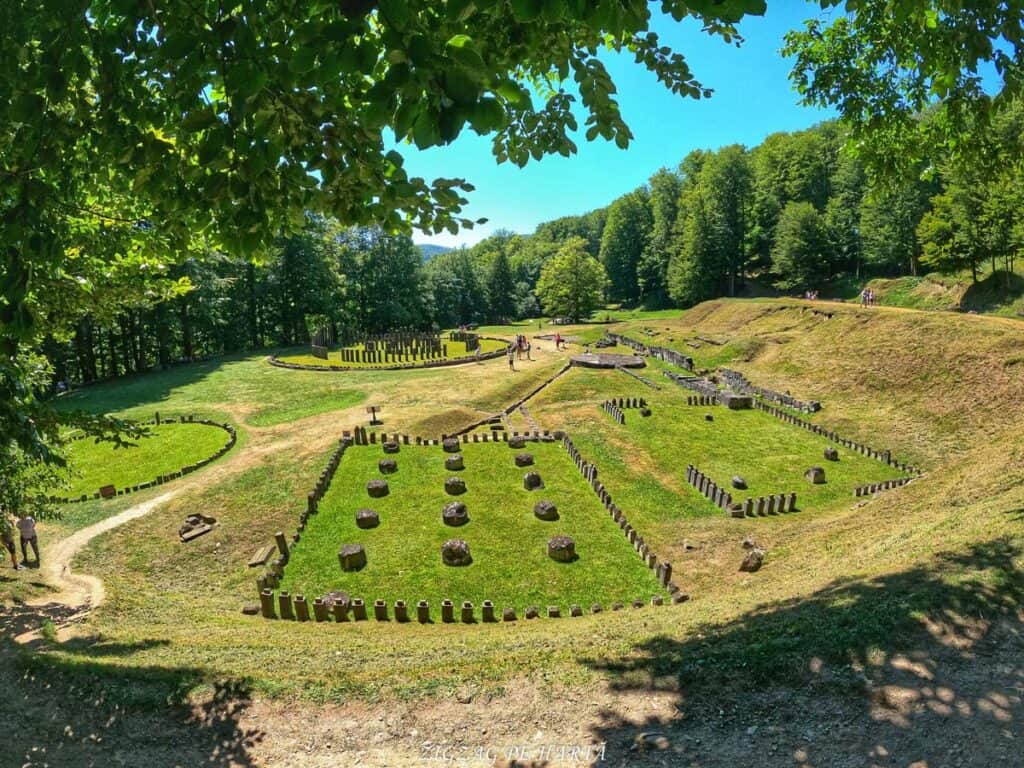
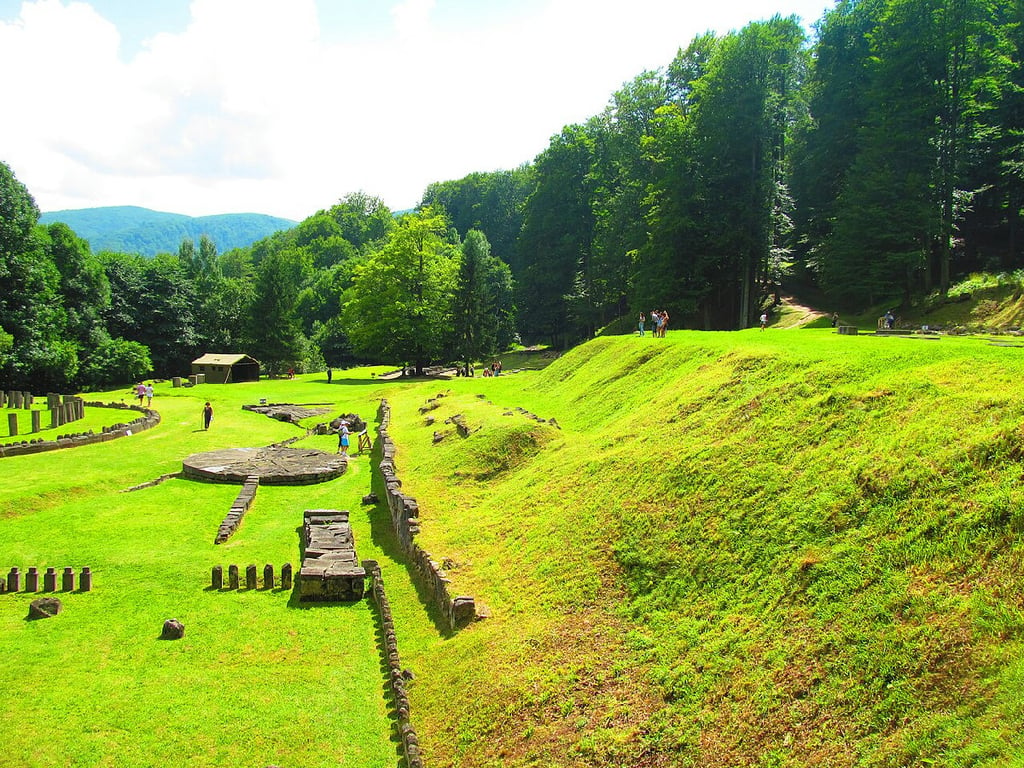
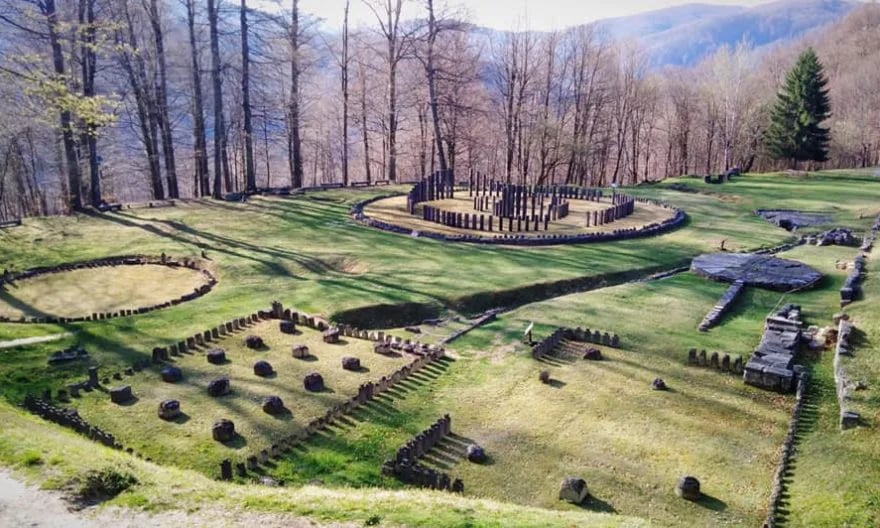
At the core of Sarmizegetusa Regia lies the sacred area, a complex of sanctuaries that reveal the Dacians' advanced understanding of astronomy and geometry. The most striking features are the circular sanctuaries, particularly the Large Round Sanctuary. This functioned as a complex solar calendar, with andesite pillars and timber posts marking celestial events with remarkable precision. Nearby, the famous "Andesite Sun" disc, a sophisticated altar or sundial, further highlights the site's role as a cosmic clock. Here, Dacian priests would have performed rituals, tracked the seasons, and sought guidance from the heavens, placing the capital at the very centre of their spiritual universe and aligning the kingdom with the rhythms of the cosmos.
The Fall of a Kingdom
Despite its formidable defences and sacred power, Sarmizegetusa Regia could not hold out against the relentless might of the Roman Empire forever. During the Second Dacian War (105-106 AD), Emperor Trajan's legions systematically dismantled the surrounding network of fortresses before laying siege to the capital itself. After a long and bitter struggle, the Romans breached the walls, leading to the city's destruction and the tragic suicide of the last Dacian king, Decebalus. The Romans built their own fort on the ruins, a symbolic act of dominance. Today, the quiet ruins of the great sanctuaries and broken walls stand as a moving memorial to a fiercely independent civilization and its final, dramatic stand against an empire.
Sarmizegetusa Regia: Echoes from a Lost Cosmos
Beyond the well-documented battles with Roman legions, Sarmizegetusa Regia holds a deeper, more enigmatic story. The ruins scattered across this sacred mountain are not just the remnants of a fortress capital; they are the silent witnesses to a sophisticated worldview rooted in cosmology, earth energies, and esoteric ritual. To truly understand this place is to look past the history of conflict and listen to the whispers of its forgotten purpose, a purpose that connected the Dacian kings not just to their lands, but to the heavens themselves.
The Veins of the Sacred Mountain
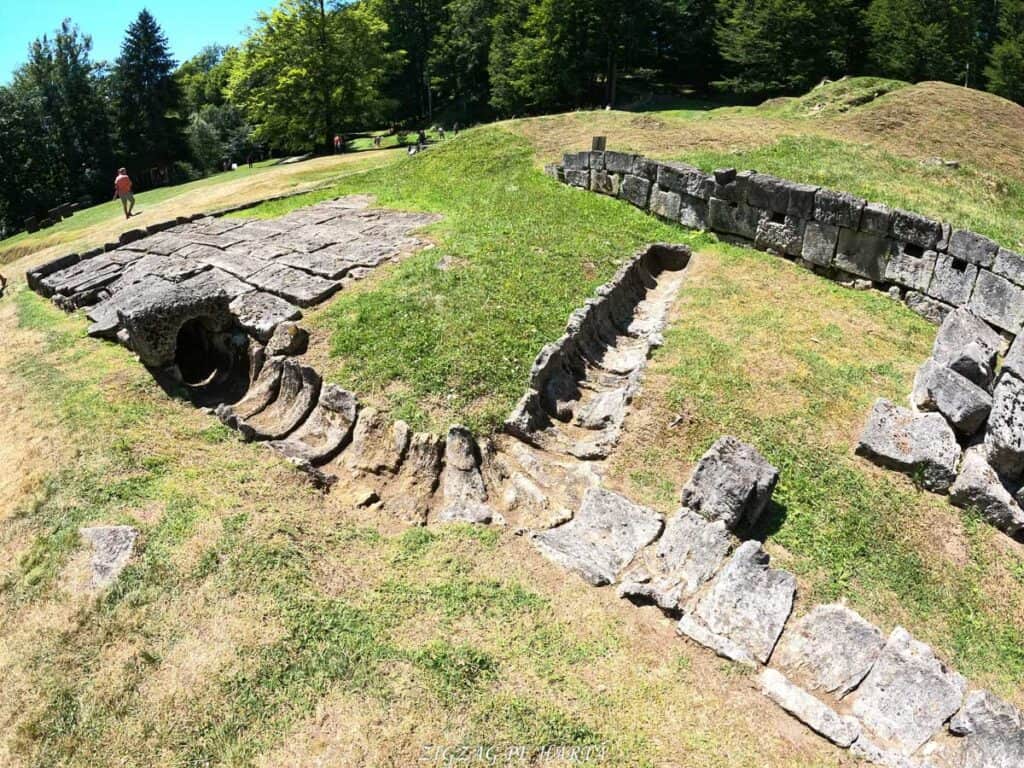
While the grand temples capture the imagination, one of Sarmizegetusa's most profound secrets lies beneath the ground. Archaeologists uncovered a remarkably complex network of terracotta pipes, a feat of hydraulic engineering that did more than just supply water. This system was a veritable circulatory system for the mountain, channeling spring water through the sacred precincts. Some researchers propose this wasn't merely for sanitation; it was a means of ritual purification, ensuring that the entire ceremonial center was constantly cleansed by the lifeblood of the earth. This intricate plumbing, combined with the discovery of numerous iron-working forges, paints a picture of a society that had mastered both the spiritual and the material, viewing technology and divinity as deeply intertwined.
Where the Sky Touches the Earth
The Orăștie Mountains are steeped in folklore, and Sarmizegetusa Regia is its epicenter. Local legends, passed down through generations, speak of the site as a "Kogaionon"—the holy mountain—a place where the veil between worlds is thin. It is here that the Dacian high priest and legendary social reformer, Zalmoxis, was said to reside.
The Disappearing God of the Holy Mountain
According to tales recorded by Herodotus, Zalmoxis retreated into an underground chamber for three years, leading his people to believe he had died. His miraculous reappearance proved his immortality and solidified his divine status. This story has led to persistent speculation about a network of hidden chambers or caves beneath the sanctuary, yet to be discovered. Even today, some locals report strange atmospheric phenomena, unexplained lights, or a palpable energy field around the ruins, believing the mountain's ancient guardians still watch over the sacred stones.
A Sun Carved from Andesite
The most mysterious feature of the site is the Great Andesite Sun, a large, circular artifact composed of radial segments. While mainstream archaeology often labels it a solar calendar or sundial, its true function remains a subject of intense debate among alternative researchers and archaeo-astronomers.
Decoding the Cosmic Clock
Theories suggest it is far more than a simple time-keeping device. Its precise geometric layout and alignments point to a more complex function: a cosmic clock designed to track longer celestial cycles, perhaps even the precession of the equinoxes. Some speculate it was a ritual space for calculating auspicious dates for ceremonies or a tool for harnessing solar and lunar energies. The debate rages on: was it a calendar, an altar, a map of the heavens, or an instrument whose purpose is now lost to our modern understanding?
Sarmizegetusa Regia — photo gallery