Heraion of Argos
The principal sanctuary of the goddess Hera, queen of the gods. This sprawling temple complex was the premier center for her cult and a major religious hub for the Argive plain.
Heraion of Argos
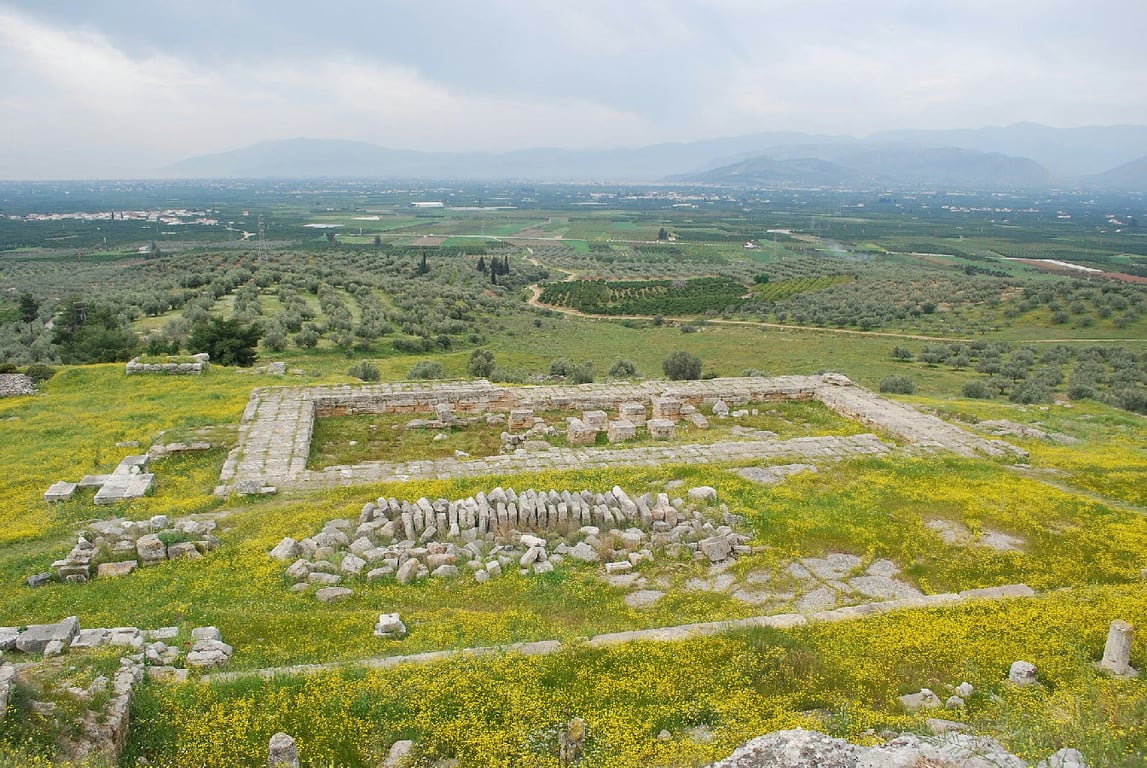
Nestled in the hills overlooking the ancient Argive plain, the Heraion of Argos was one of the most significant sanctuaries dedicated to the goddess Hera in all of Greece. As the consort of Zeus and the patroness of marriage, Hera was a paramount deity, and this site served as the primary center of her cult for over a millennium. The sanctuary's origins stretch back to the Geometric period, around the 8th century BCE, and it remained a vital religious hub through the Roman era. Its location, midway between the powerful city-states of Argos and Mycenae, made it a neutral ground of immense political and religious importance. The chief priestess of the Heraion held a position of great honor, and the Argives even based their calendar on her tenure.
A Terrace of Worship
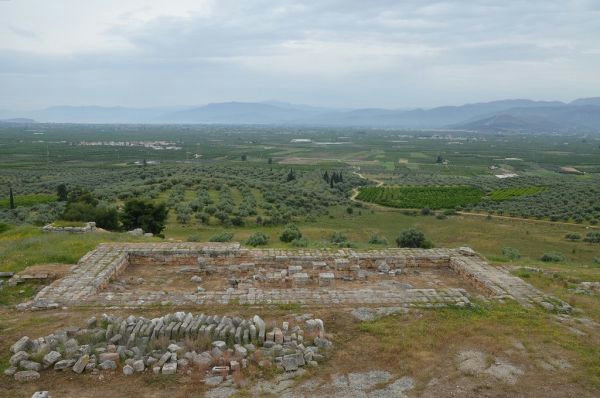
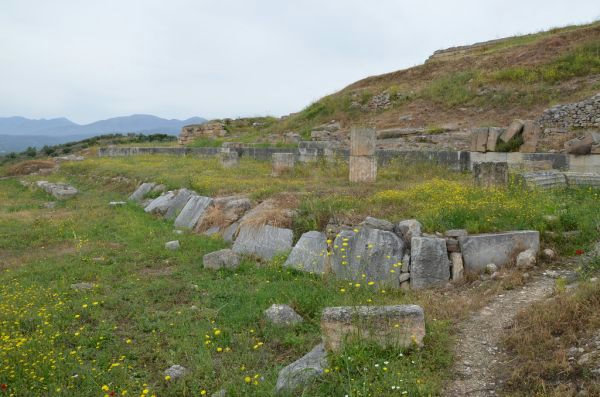
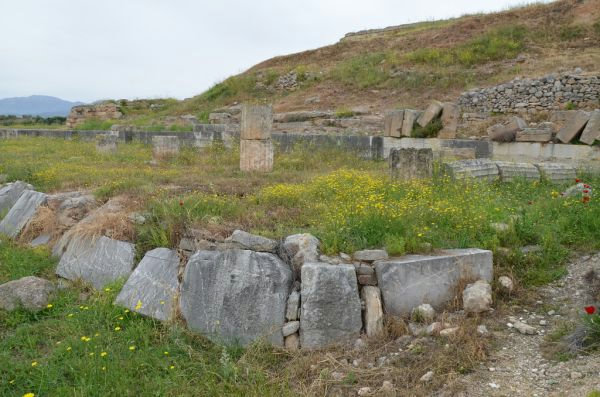
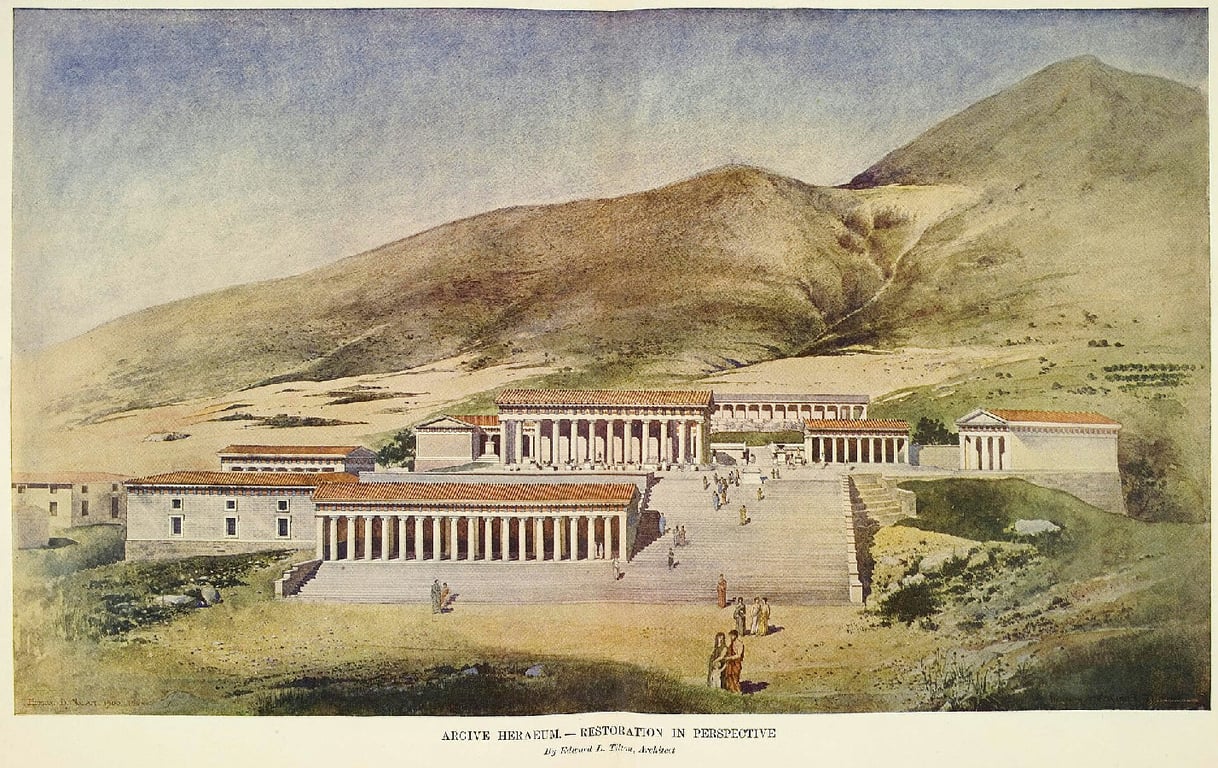
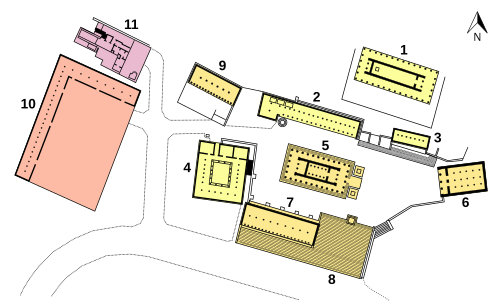
The sanctuary was constructed on a series of imposing terraces built into the hillside, a marvel of ancient engineering. The oldest and highest terrace housed the original temple, a structure that burned down in 423 BCE in a fire accidentally started by an elderly priestess. A new, grander temple was constructed on a lower terrace in the late 5th century BCE. This Doric temple, designed by the architect Eupolemos of Argos, was renowned for its sculptural decorations and a magnificent chryselephantine (gold and ivory) statue of a seated Hera created by the master sculptor Polykleitos. This statue was considered a rival to the famed statue of Zeus at Olympia. Pilgrims would have ascended the monumental staircase to the temple, a dramatic approach designed to inspire awe and reverence for the queen of the gods.
Witness to History
The Heraion was not just a place of worship but a repository of history and a center for communal gatherings. It hosted the Heraean Games, an ancient athletic festival, and served as a meeting place for the early Argive city-states. Herodotus recounts the famous story of Kleobis and Biton, two brothers who, in an act of supreme filial piety, pulled their mother's cart to the sanctuary and were rewarded by the goddess with a peaceful death in their sleep. Statues of the brothers were erected here as models of virtue. Excavations at the site have unearthed countless votive offerings, from simple pottery to elaborate bronze figures, left by worshippers over many centuries. These artifacts provide invaluable insight into the religious practices and daily lives of the ancient Argives, painting a vivid picture of the sanctuary's long and storied existence.
The Enduring Legacy
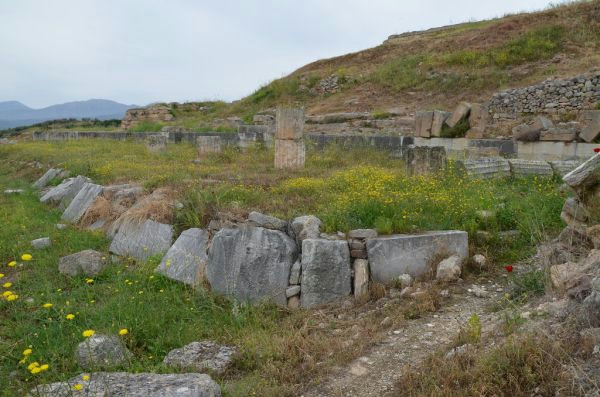
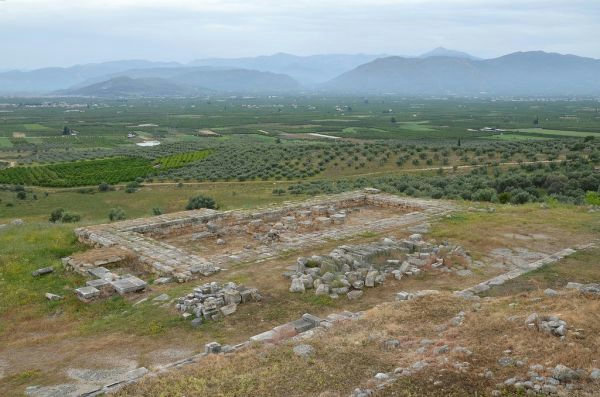
Although the Heraion was eventually abandoned and fell into ruin, its importance resonates through the annals of history. The remains of the temple's foundations, the impressive terrace walls, and the remnants of surrounding stoas and other buildings still dot the landscape. The discovery of its ruins in the 19th century marked a significant moment in the development of modern archaeology. The site offers a unique window into the cult of Hera, one of the most powerful and complex figures in the Greek pantheon. Its silent stones stand as a solemn tribute to the generations of worshippers who came to this hillside to honor their formidable patron goddess and to the enduring power of faith in the ancient world.
Beyond Heraion of Argos
While history books celebrate the Heraion of Argos as the paramount sanctuary of Hera, queen of the gods, they often overlook the disquieting whispers and enigmatic shadows that cling to its weathered stones. Beyond the grand processions and official sacrifices lies a deeper, stranger history—one of immense female power, vengeful curses, and cosmic alignments that challenge our understanding of this sacred landscape. To truly know the Heraion is to explore the mysteries that lie just beneath the surface of its sun-bleached ruins.
Where Priestesses Held the Keys to Power
In a world dominated by men, the High Priestess of the Argive Heraion wielded an extraordinary and often forgotten authority. Her position was so significant that the official Argive calendar was dated by her years in office, making her the anchor of civic time itself. This was not merely a ceremonial role; she was a political figure, a keeper of treaties, and a living oracle whose pronouncements could sway the fates of city-states. This sanctuary was also the site of the Heraean Games, a series of athletic competitions held exclusively for women. Long before the male-only Olympics gained fame, unmarried girls raced across these sacred grounds, competing not for olive wreaths, but for the favor of the goddess in a powerful expression of female piety and physical prowess.
The Curse of the Cuckoo Scepter
Archaeologists unearthed the remnants of a remarkable artifact at the Heraion: a scepter topped with a cuckoo, the bird Zeus transformed into to trick and seduce Hera. While seen as a symbol of their divine marriage, local lore casts it in a more sinister light. The scepter was believed to be an object of immense, volatile power, channeling Hera's infamous jealousy. It was said that only the purest of heart could wield it, while those with deceit or ambition would feel the goddess's wrath manifest as madness or misfortune. The artifact wasn't just a symbol of queenship; it was a conduit for a goddess’s most dangerous emotions.
The Vengeful Oath of Io
The most chilling legend tied to the Heraion is that of Io, one of its own priestesses. When Zeus fell for her, a furious Hera transformed the beautiful mortal into a white heifer, forever tormented by a gadfly that pursued her across the known world. This was no mere myth to the sanctuary's initiates; it was a foundational warning. It was whispered that Io’s anguished cries can still be heard on the wind during summer storms, a reminder that the ground itself is saturated with the memory of Hera’s vengeance and that service to the goddess was a path of both immense honor and terrifying peril.
Echoes of a Pre-Hellenic Goddess
A controversial but compelling theory suggests that the Olympian Hera was a latecomer to this sacred hill. The discovery of numerous Mycenaean tombs predating the temple by centuries indicates the site's sanctity stretches deep into the Bronze Age. Some scholars argue that the Heraion was deliberately built atop a more ancient cult center dedicated to a powerful, pre-Hellenic Earth Mother. In this view, the arrival of the Hera cult was a religious conquest, absorbing and overwriting the older traditions. The "Hera" worshipped here may have been a syncretic deity, a fusion of the Olympian queen and a far older, more chthonic goddess of the Argive soil.
Heraion of Argos — photo gallery