Dolochiste Submerged City
Explore a civilization claimed by the sea. Its silent, water-bound architecture offers a distinct archaeological dive.
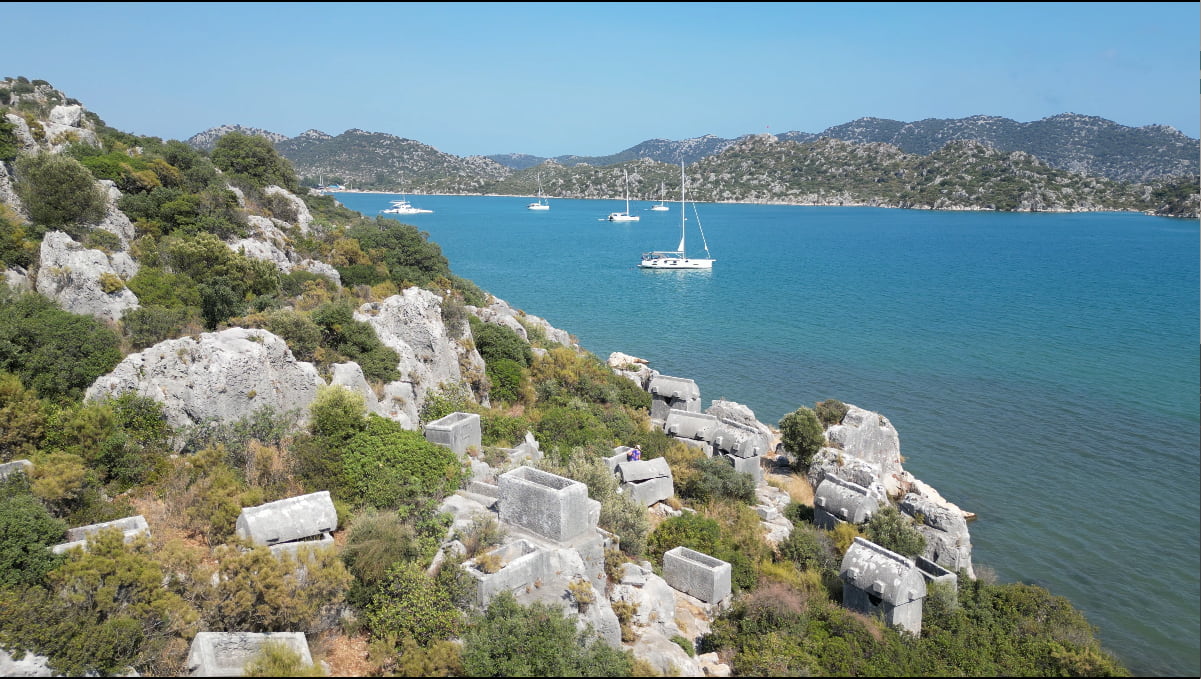
Located along Turkey's stunning Mediterranean coast, the Dolochiste settlement, part of the wider Kekova Ancient Route, offers a mesmerizing journey into a submerged past.
This unique archaeological site, often referred to as a "sunken city," is not just a collection of ruins, but a vivid testament to millennia of human habitation, natural forces, and enduring history.
Visitors to this protected area are invited to explore a landscape where ancient stone walls meet the crystal-clear waters, revealing a captivating narrative of Lycian, Roman, and Byzantine civilizations that once thrived here.
Tracing Dolochiste's Footprints
The story of Dolochiste, an integral part of the Kekova Ancient Route, begins deep in antiquity. While its precise origins are somewhat shrouded in the mists of time, archaeological evidence suggests its roots extend back to the Lycian civilization, a distinctive culture that flourished in southwestern Anatolia.
The strategic location along the coast made it a natural hub for maritime activities and trade, attracting various peoples and cultures throughout the ages. The Lycians, renowned for their unique rock-cut tombs and independent spirit, laid the initial groundwork for what would become a significant coastal settlement.
As empires rose and fell, Dolochiste, like much of the ancient world in Turkey, transitioned through different periods of influence. It truly prospered during the Roman era, evolving into a bustling port town. The Romans recognized the strategic importance of this natural harbor, integrating it into their vast network of trade routes across the Mediterranean.
This period saw significant construction and expansion, leaving behind architectural remnants that speak of a vibrant community. Later, during the Byzantine period, the settlement continued to play a role, albeit a more modest one, before a series of earthquakes in the 2nd century AD and later in the 7th century AD dramatically altered its landscape, submerging much of the city beneath the sea.
A Sunken City's Embrace
What makes Dolochiste truly extraordinary are its distinctive physical features, particularly the partially submerged ruins that give it its "sunken city" moniker.
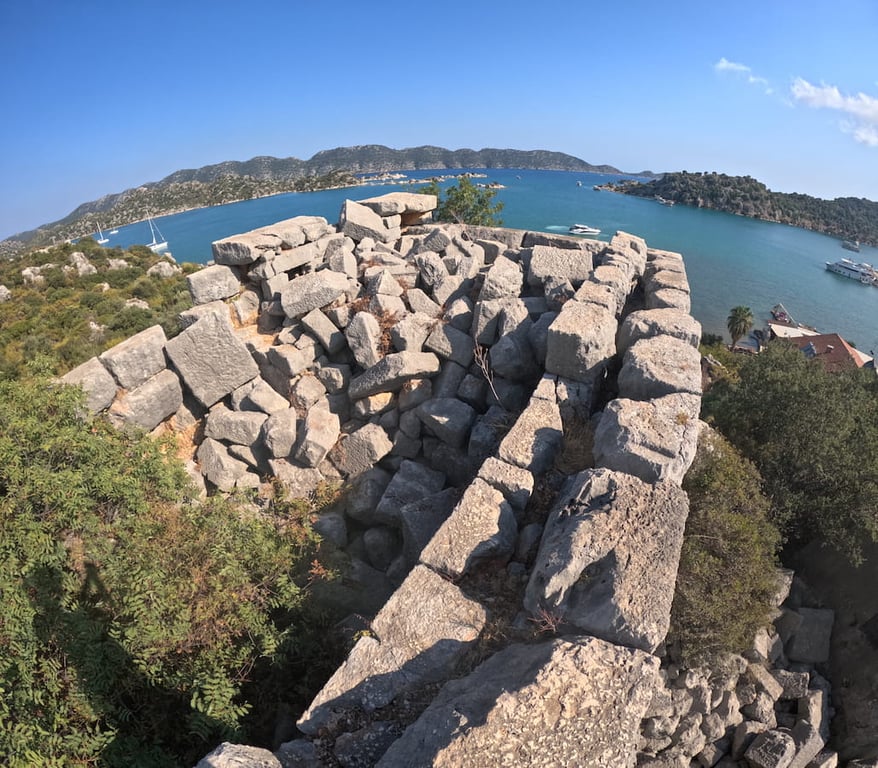
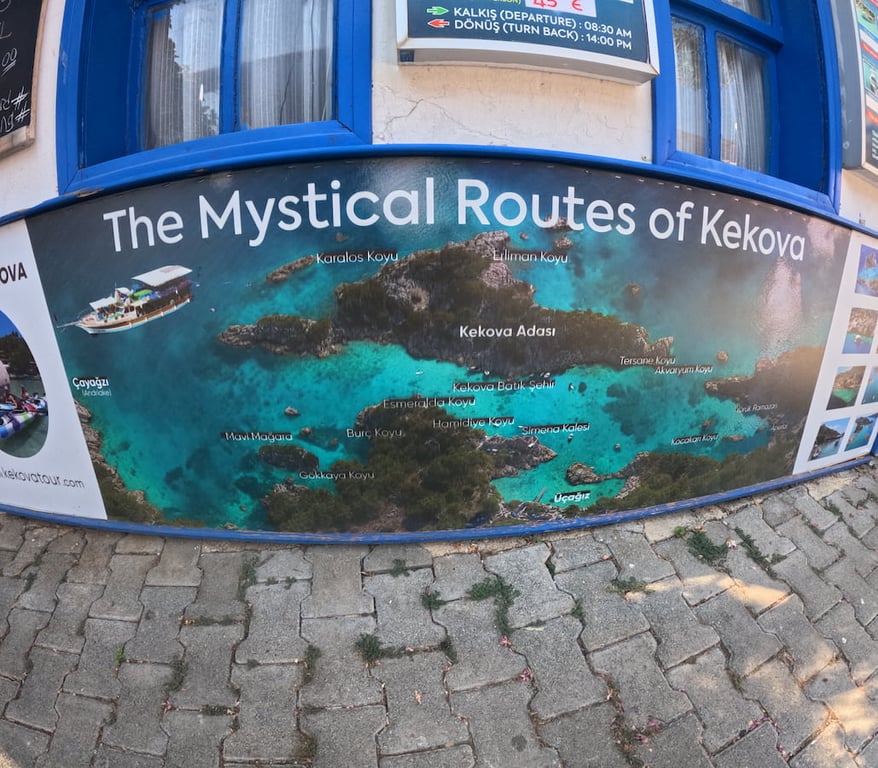
The site stretches along the northern shore of Kekova Island, presenting a breathtaking tableau where history literally meets the sea. Visitors can witness the ghostly outlines of ancient buildings, staircases, and even a small theatre peeking out from beneath the water's surface, their foundations still visible on the seabed.
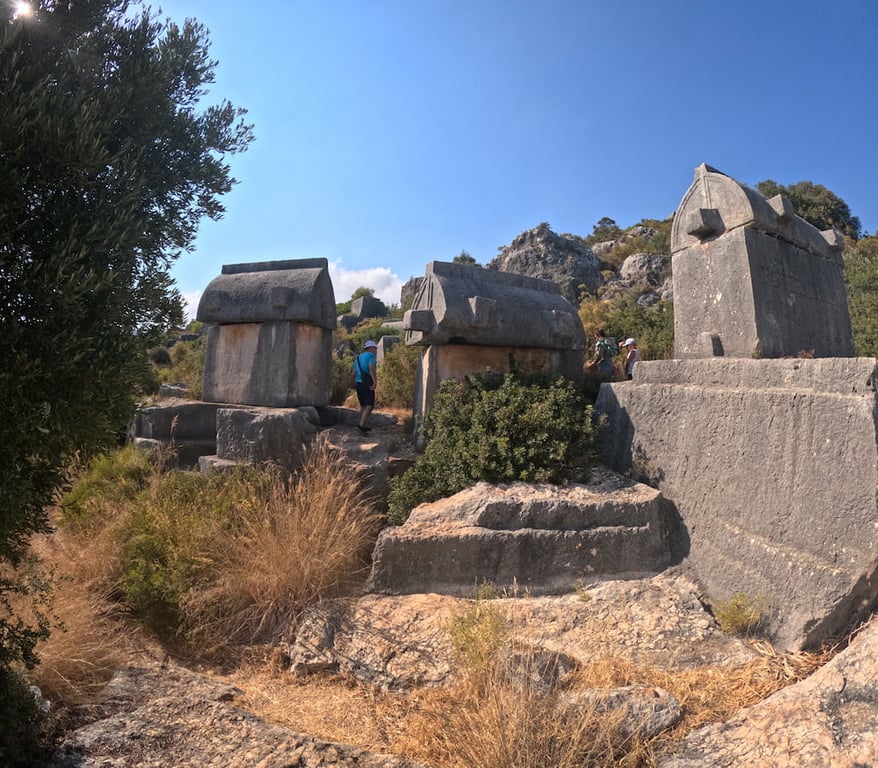
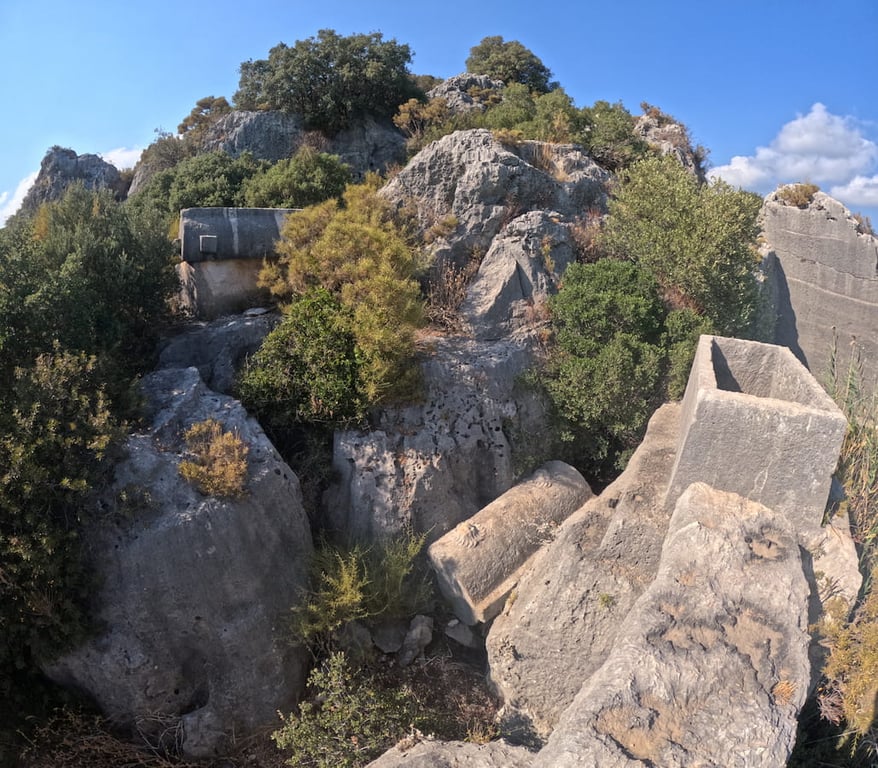
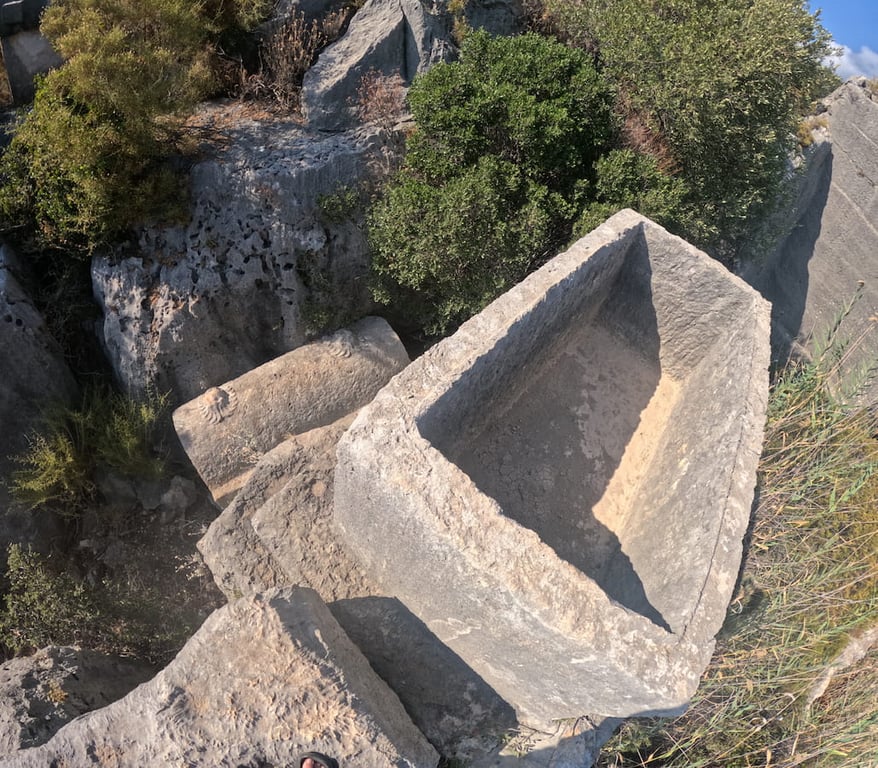
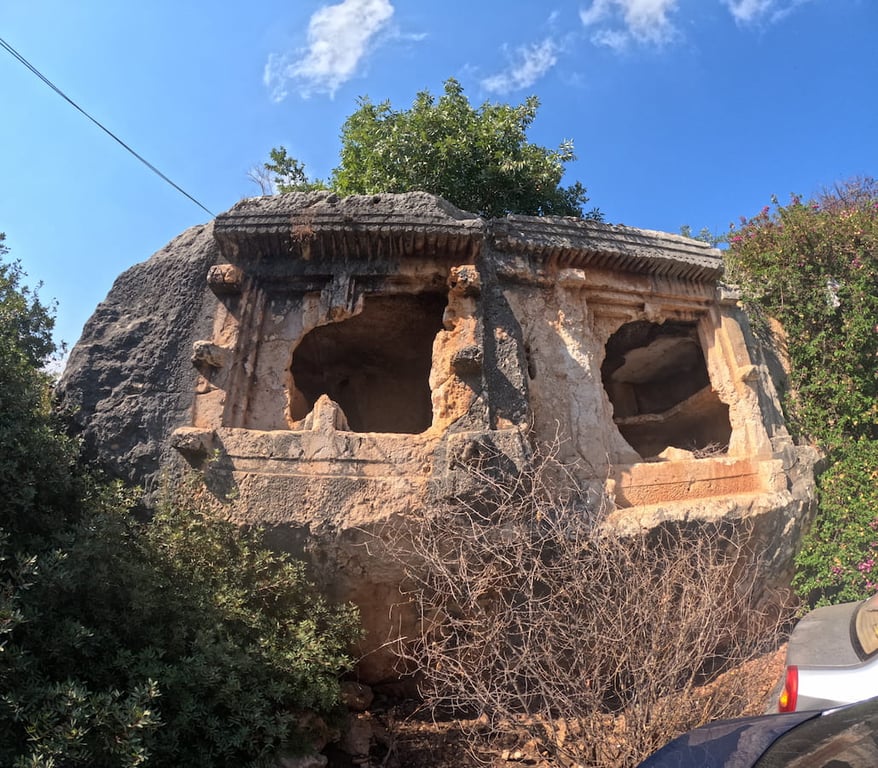
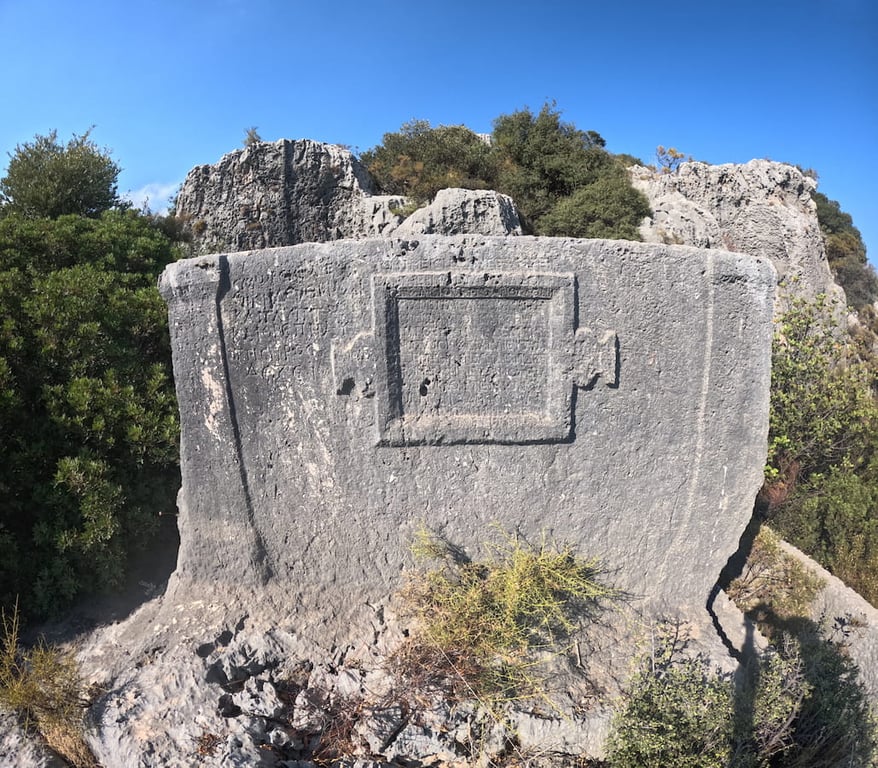
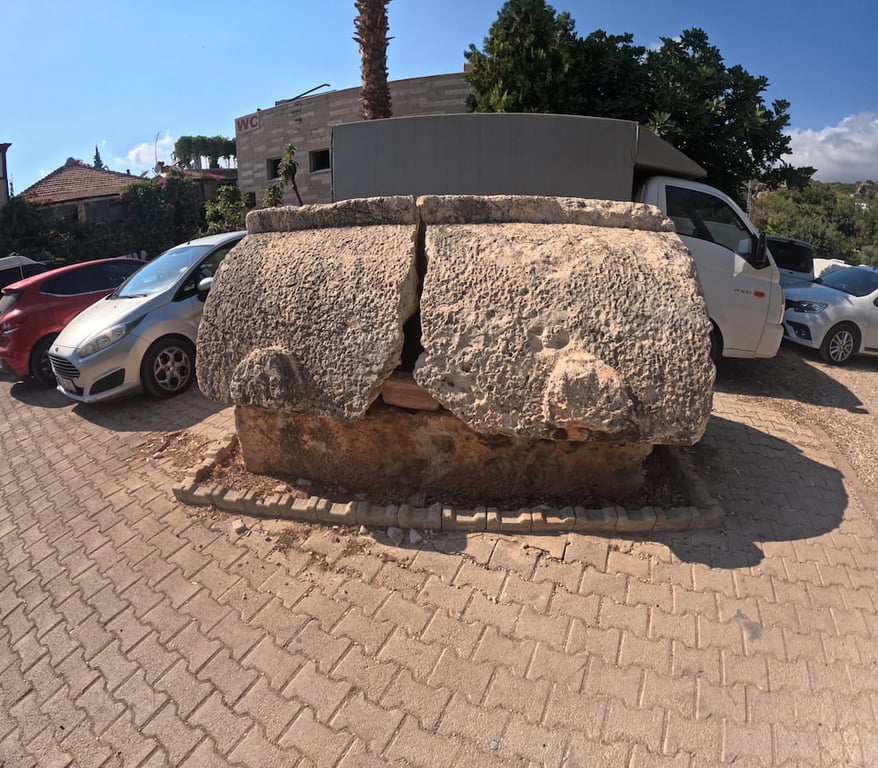
Above the waterline, the remnants of the ancient city continue to tell their tale. The most prominent feature on land is the impressive Lycian necropolis, a collection of intricately carved sarcophagi that dot the hillside, some partially submerged themselves. These stone tombs, characteristic of Lycian funerary architecture, stand as silent sentinels overlooking the tranquil bay.
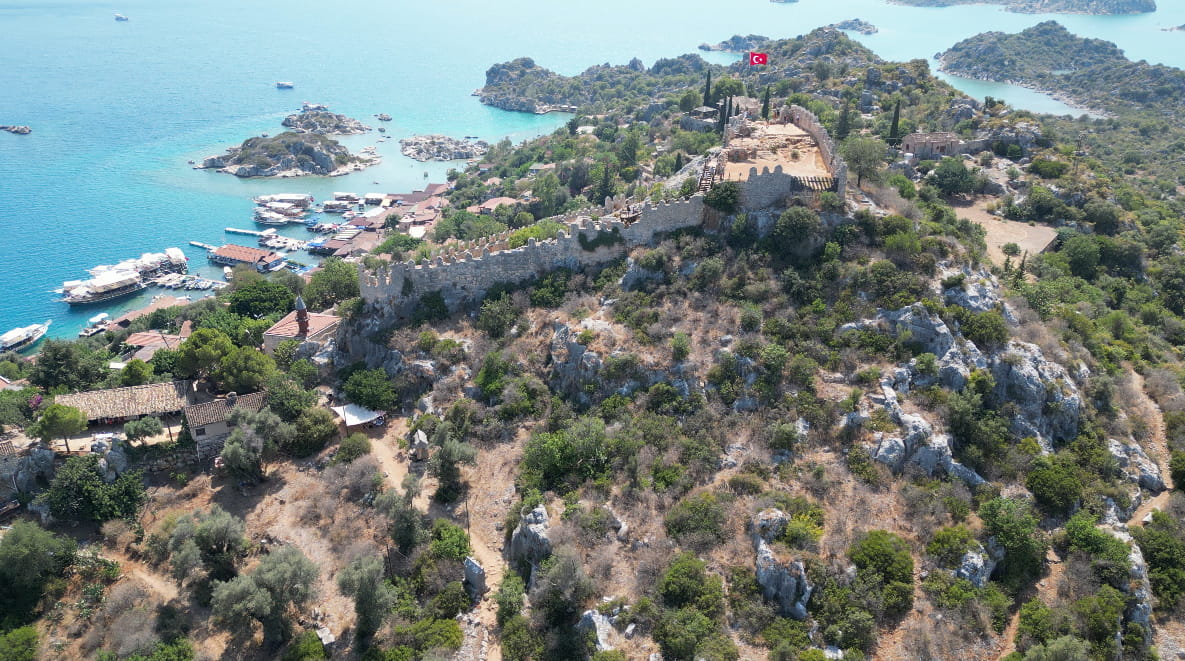
Further inland, the ruins of a Byzantine church and fortifications from the medieval period, including the impressive Simena Castle at nearby Kaleköy, offer a glimpse into the later chapters of the region's history, showcasing a continuous thread of occupation and adaptation.
A Maritime Tapestry
The cultural and archaeological significance of Dolochiste and the Kekova Ancient Route cannot be overstated. It represents a vital piece of the puzzle in understanding the maritime history of the Mediterranean. As a port, it facilitated trade, cultural exchange, and the movement of peoples, serving as a microcosm of the dynamic interactions that shaped ancient societies.
The confluence of Lycian, Roman, and Byzantine influences visible in its architecture and artifacts provides invaluable insights into the evolution of civilizations in this strategically important region.
Archaeologists continue to study Dolochiste, meticulously piecing together its past. The unique preservation conditions - with parts of the city submerged in relatively shallow, clear waters- offer an unparalleled opportunity for underwater archaeology.
Every stone, every artifact recovered, contributes to a richer understanding of daily life, economic activities, and the challenges faced by its ancient inhabitants. The site serves as a poignant reminder of the power of nature and the resilience of human settlement, making it a place of profound historical and scientific interest.
Preservation Amidst Popularity
Today, Dolochiste is a protected area, part of the larger Kekova Specially Protected Area, managed by the Turkish Ministry of Culture and Tourism. This status is crucial for preserving its delicate historical and natural environment. Due to its unique nature and the fragility of the submerged ruins, swimming directly over the sunken city is prohibited to prevent damage.
However, visitors are encouraged to explore the area through designated boat tours, which offer unparalleled views of the underwater structures through glass-bottomed boats or by snorkeling and diving in approved zones.
The visitor experience along the Kekova Ancient Route is one of serene exploration and historical immersion. Boat trips departing from nearby villages like Üçağız and Kaş provide access to Dolochiste, Simena Castle, and the pristine bays of Kekova Island.
These journeys offer a chance to witness the "sunken city" from above, glide over its ancient secrets, and reflect on the enduring legacy of those who once called this beautiful, yet ever-changing, landscape home. It's an unforgettable encounter with a past that continues to live on, both above and beneath the waves.
While the sun-drenched ruins and sapphire waters of Kekova are celebrated for their visible beauty, a deeper, more enigmatic narrative ripples beneath the surface.
This ancient route, far from being a mere collection of picturesque historical sites, is a canvas for untold stories, perplexing anomalies, and whispers from epochs long forgotten.
For the discerning explorer, Kekova offers a rare invitation to peer past the established facts and delve into the captivating realm of the unknown, where history intertwines with myth and the very ground beneath our feet holds secrets yet to be deciphered.
A Lycian Riddle in the Depths
The partially submerged city of Dolchiste, often attributed to Roman and Byzantine eras, conceals a more profound mystery. Beyond the easily visible house foundations and stairs, evidence suggests an earlier, sophisticated Lycian presence, particularly concerning its maritime infrastructure.
Explorers have reported anomalies in the deeper sections of the bay – massive, precisely cut stone blocks, far larger than typical Roman construction, arranged in patterns that defy conventional understanding of ancient harbor engineering.
Were these the foundations of a monumental Lycian port, designed with an ingenuity that predates known Roman techniques, swallowed by the sea long before Dolchiste met its fate? Scholars rarely discuss the possibility of such advanced pre-Roman construction, suggesting a forgotten chapter of Lycian maritime prowess.
Beyond Simple Tremors
The conventional explanation for Kekova's submergence is a series of powerful earthquakes in the 2nd century AD. However, some researchers and geologists propose a more complex, perhaps unique, event. The uniformity of the subsidence, covering a significant stretch of coastline, coupled with the unusual preservation of structures underwater, has led to theories of a rapid, localized geological collapse rather than mere seismic tremors.
Was it a massive sinkhole forming beneath the seabed, or perhaps a sudden, catastrophic shift in the tectonic plates unique to this specific fault line? The debate continues, challenging the simplistic narrative and hinting at a geological event of truly exceptional magnitude.
Beyond the Mediterranean, some theorists draw intriguing parallels between Kekova's submerged architecture and structures found in vastly distant regions. Certain megalithic elements observed in the deeper parts of the sunken city, not typical of Roman or Byzantine styles, bear a curious resemblance to ancient constructions found in the Atlantic or even parts of Asia Minor that predate known civilizations.
Could Kekova have been part of a much older, global maritime network, a waypoint for a sophisticated, seafaring culture whose existence remains largely unacknowledged by mainstream archaeology? This speculative link challenges our understanding of ancient connectivity, suggesting a profound, forgotten lineage for this enigmatic coastal route.
The Weeping Siren of Dolchiste
Local fishermen, their faces weathered by sun and sea, recount tales of a mournful siren whose laments echo from the depths of Dolchiste on moonless nights. They say she is the spirit of a Lycian princess, betrayed by a sea deity, who chose to sink with her city rather than abandon it. Her tears, they believe, are the very waters that cover the ruins, and her song is a warning to those who disrespect the ancient spirits of the bay. Some claim her presence ensures the city remains undisturbed, a ghostly guardian against treasure hunters and the curious alike.
The Pirate's Phantom Fleet
The coves and inlets of Kekova were notorious pirate strongholds for centuries. Legends persist of spectral galleons, their sails tattered and crews skeletal, appearing and disappearing with the fog. These are said to be the lost fleets of notorious buccaneers, forever sailing the waters they once plundered, eternally searching for their cursed, hidden hoards. Locals advise against venturing into certain secluded inlets after dusk, fearing encounters with these phantom crews or the vengeful spirits guarding their illicit riches.
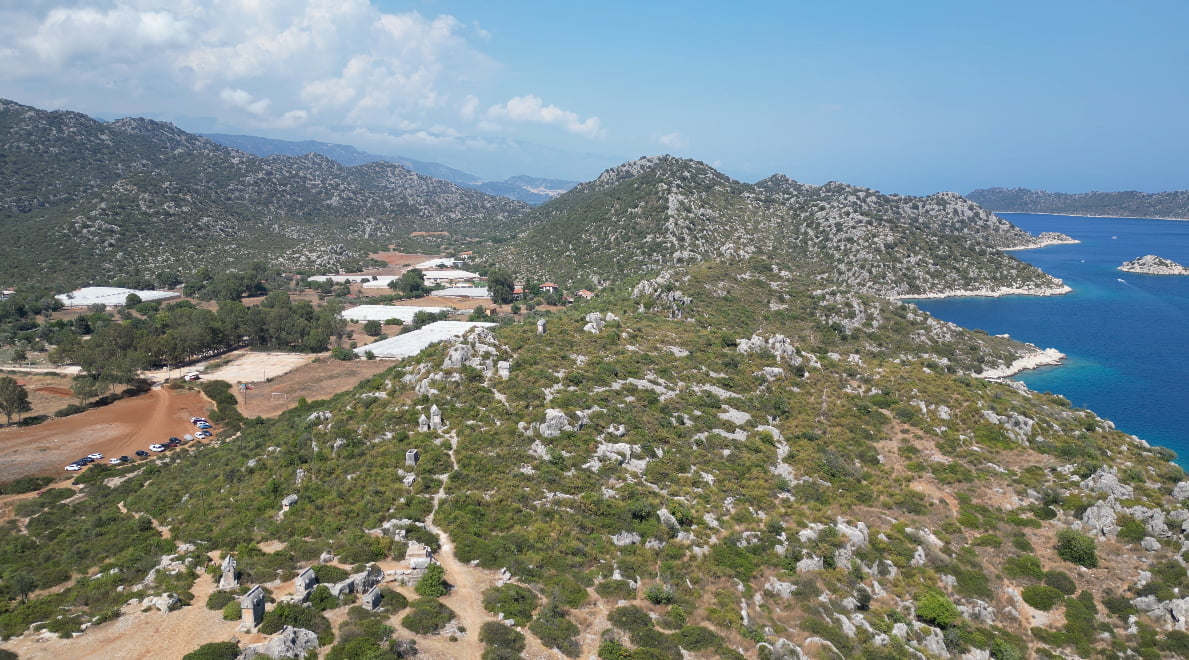
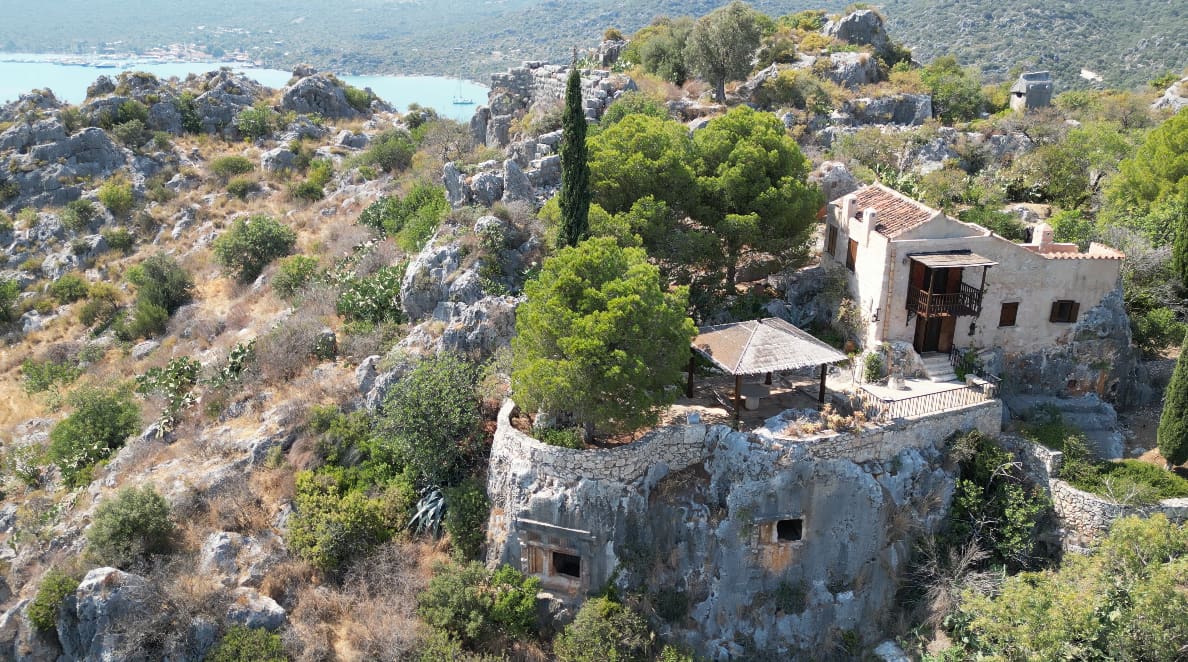
Dolochiste Submerged City — photo gallery
Dolochiste Submerged City — collectible cards
Collectible cards for this site — AI-generated illustrations from our memory game, not photographs of the site.