Yuanmingyuan Summer Palace
The ruins of Yuanmingyuan, once a sprawling imperial garden blending Chinese landscapes with European baroque elements, now stand as haunting remnants of Qing dynasty opulence destroyed by Anglo-French forces in 1860.
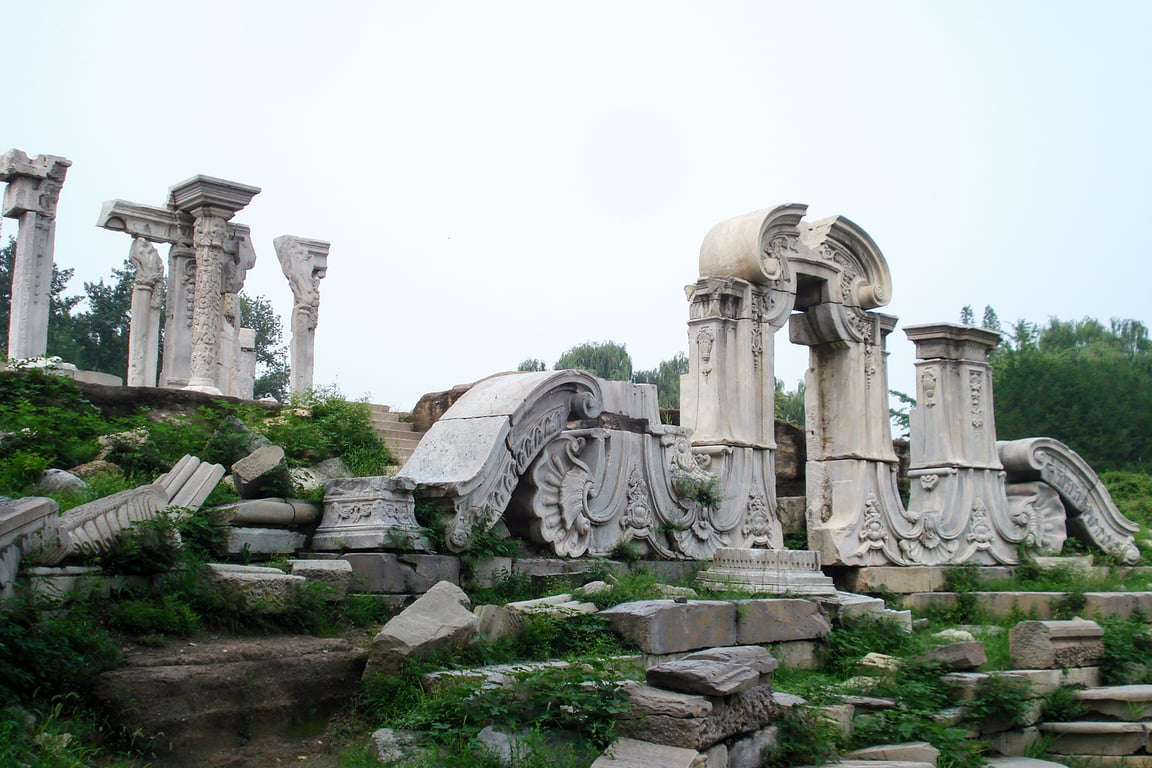
The Yuanmingyuan, often translated as the Gardens of Perfect Brightness or known as the Old Summer Palace, stands as a poignant symbol of China's imperial past. Located in Beijing's Haidian District, approximately 8 kilometers northwest of the Forbidden City, this vast complex of palaces and gardens spanned 3.5 square kilometers—nearly five times the size of the Forbidden City. Constructed during the Qing Dynasty, it blended exquisite Chinese landscaping with elements of European architecture, earning it the moniker "Garden of Gardens" and comparisons to the Versailles of the East. Its history reflects the zenith of Qing artistic and cultural achievements, as well as the tragic vulnerabilities of a waning empire.
Construction began in 1707 under the Kangxi Emperor, who envisioned it as a gift for his fourth son, Prince Yong, later the Yongzheng Emperor. The site was selected for its natural beauty, abundant water sources from Jade Spring Hill, and serene landscape, building on earlier estates from the Yuan and Ming dynasties. Under Yongzheng (r. 1722–1735), the gardens expanded dramatically starting in 1725, incorporating innovative waterworks that created lakes, streams, and ponds amid rolling hills. He designated 28 scenic spots and introduced interactive "living tableaux," where eunuchs role-played as farmers or shopkeepers to amuse the court.
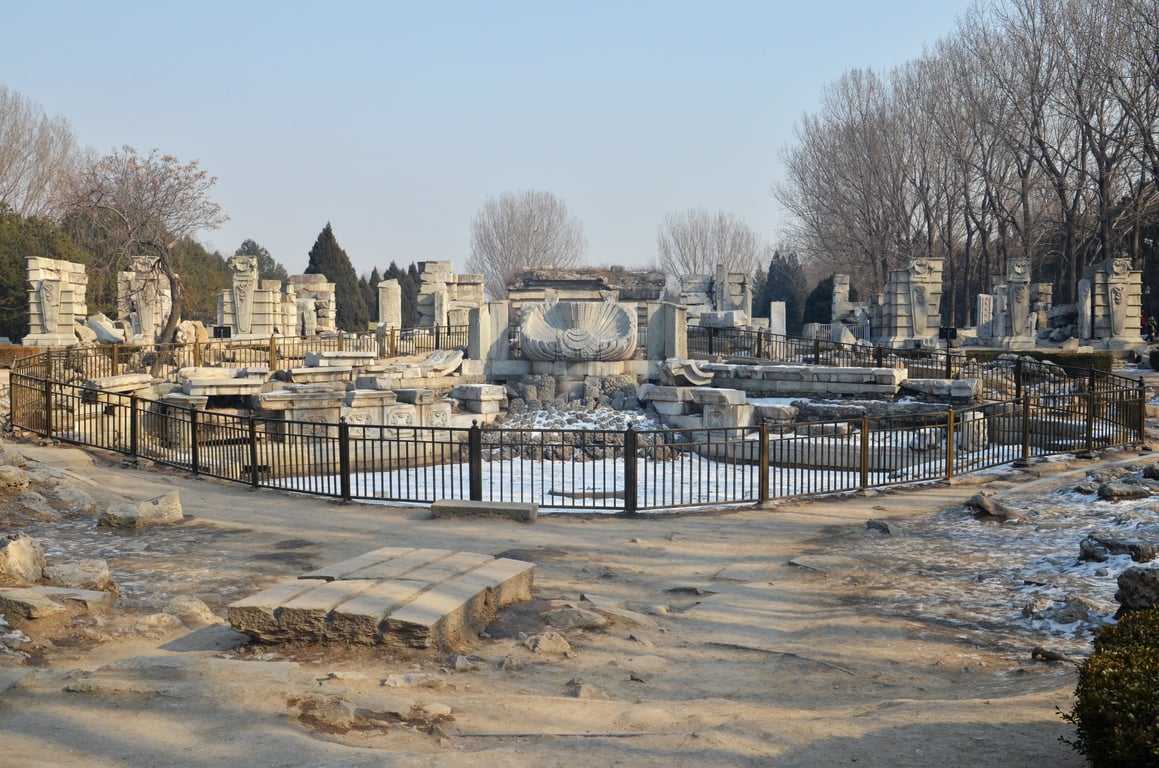
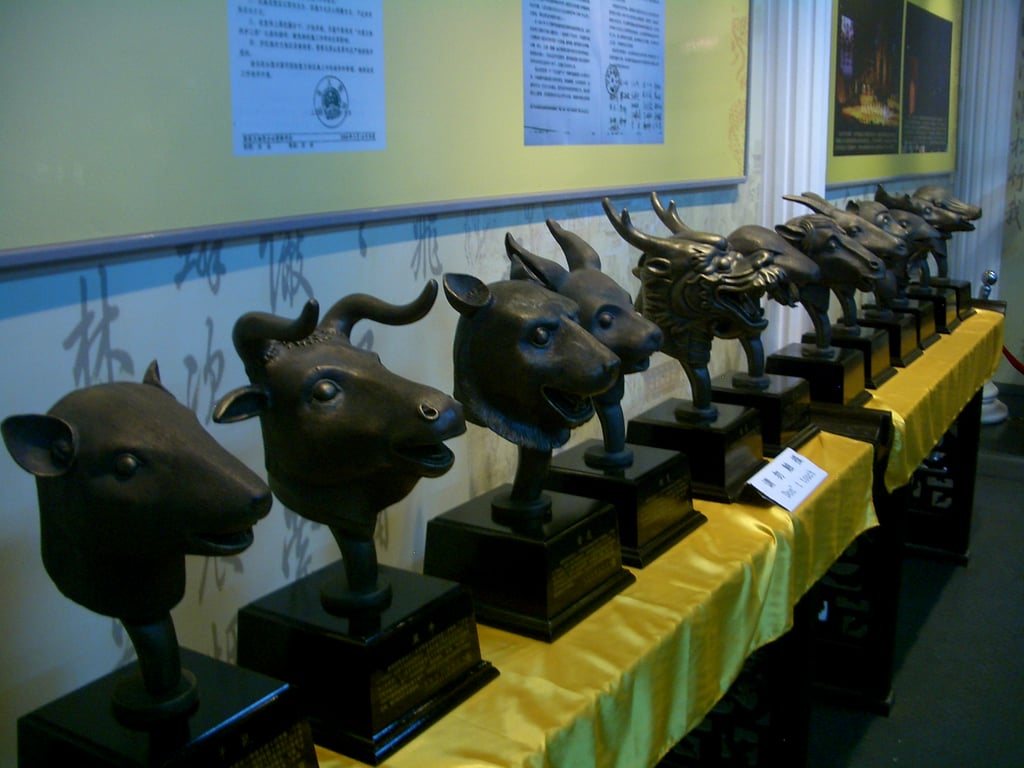
The palace reached its apogee during the Qianlong Emperor's reign (1735–1796), who oversaw a second major expansion, increasing scenic spots to 50 and personally directing designs. In 1747, inspired by European engravings, Qianlong commissioned the Xiyang Lou (Western Mansions), a section featuring Baroque-style palaces, fountains, mazes, and aviaries designed by Jesuit missionaries like Giuseppe Castiglione and Michel Benoist. Notable was the Haiyantang fountain, with twelve bronze zodiac animal heads that spouted water hourly, serving as a hydraulic clock—a fusion of Eastern symbolism and Western engineering.
Yuanmingyuan's achievements were multifaceted. It comprised three interconnected gardens: Yuanmingyuan (Garden of Perfect Splendor), Changchunyuan (Garden of Eternal Spring), and Qichunyuan (Garden of Elegant Spring), covering 350 hectares with over 100 halls, pavilions, temples, and bridges. Water features occupied 40% of the area, recreating famous southern Chinese landscapes using exotic plants. The complex housed an unparalleled collection of artifacts, including ancient bronzes, porcelains, jades, and the Wenyuan Hall library with the "Complete Collection of Four Treasures." As the primary imperial residence from Qianlong onward, it was where emperors conducted state affairs, patronized arts, and hosted diplomacy, symbolizing the Qing Empire's cultural diversity with Tibetan and Mongol influences alongside Chinese and European styles. It represented 5,000 years of Chinese civilization, embodying imperial opulence and horticultural mastery.
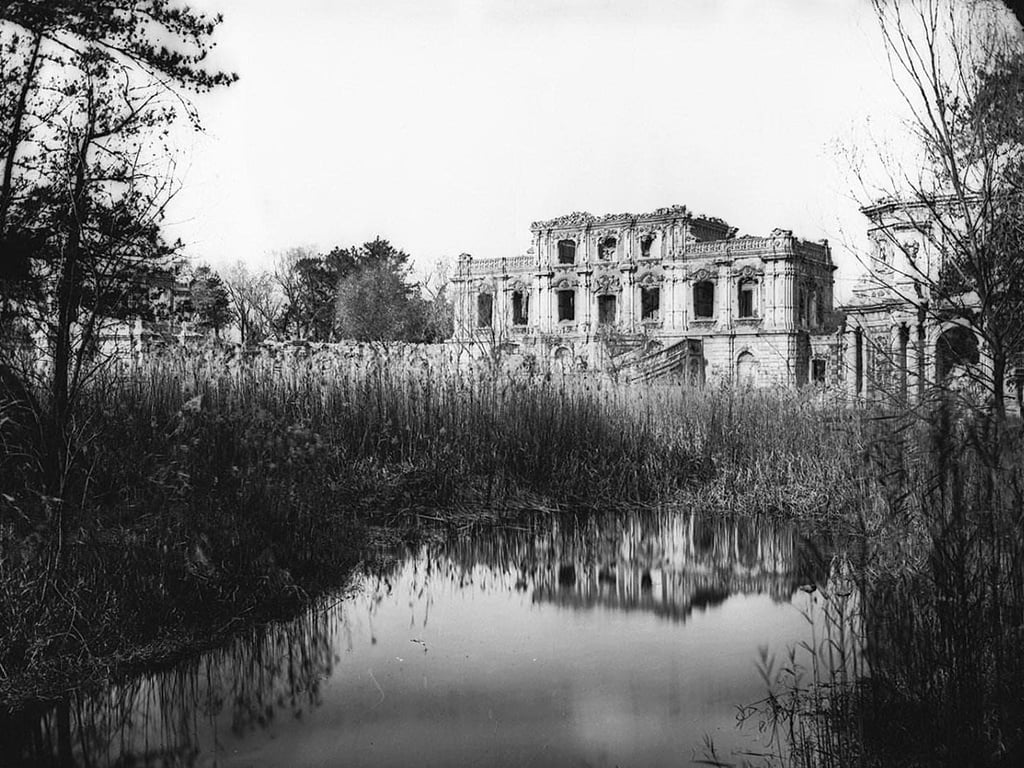
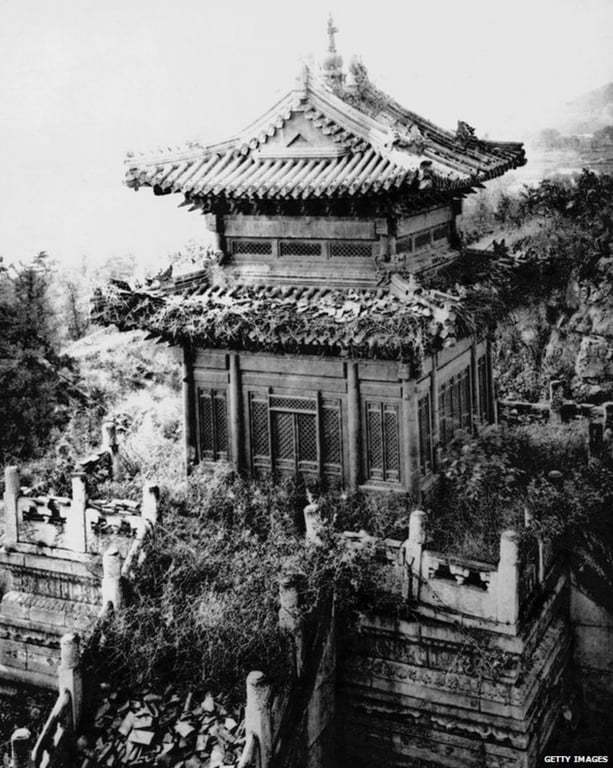
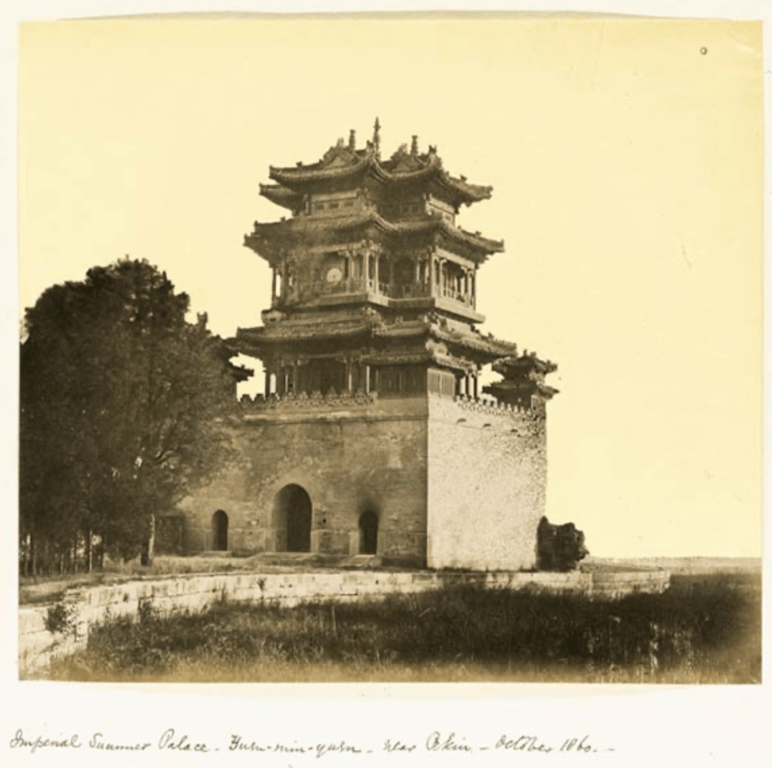
Tragically, Yuanmingyuan's glory ended in 1860 during the Second Opium War. Anglo-French forces, retaliating for the torture and deaths of their envoys, looted and burned the palace under orders from Lord Elgin. The three-day inferno destroyed most structures, with further devastation in 1900 by the Eight-Nation Alliance. Priceless treasures were scattered worldwide, many now in museums.
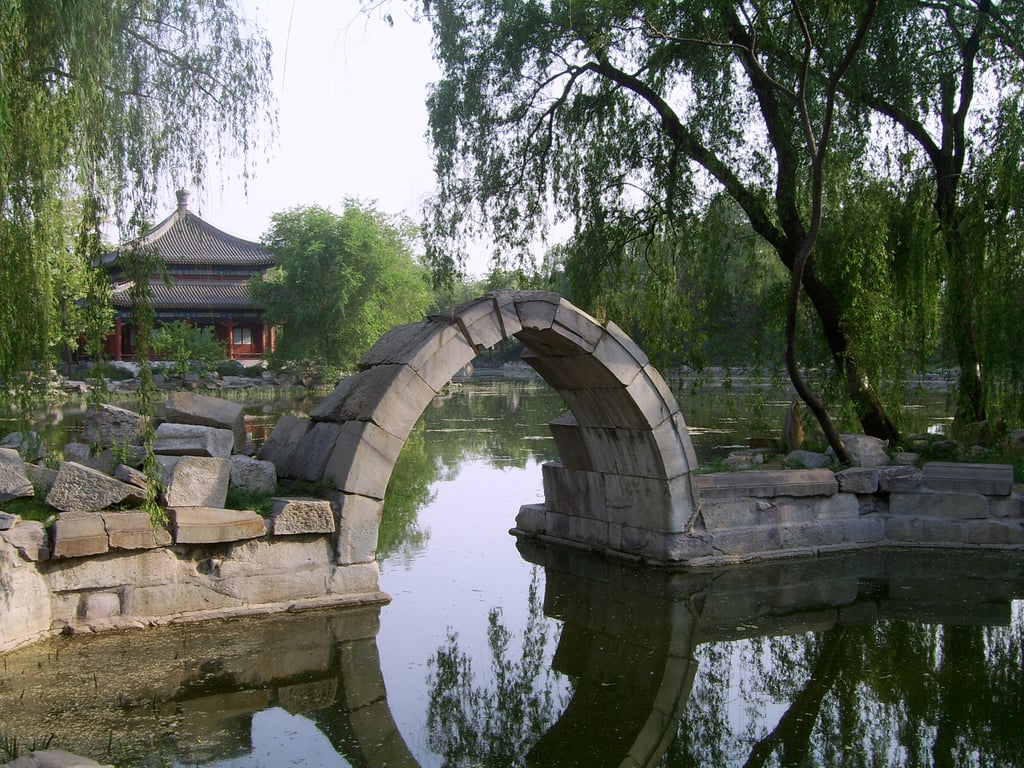
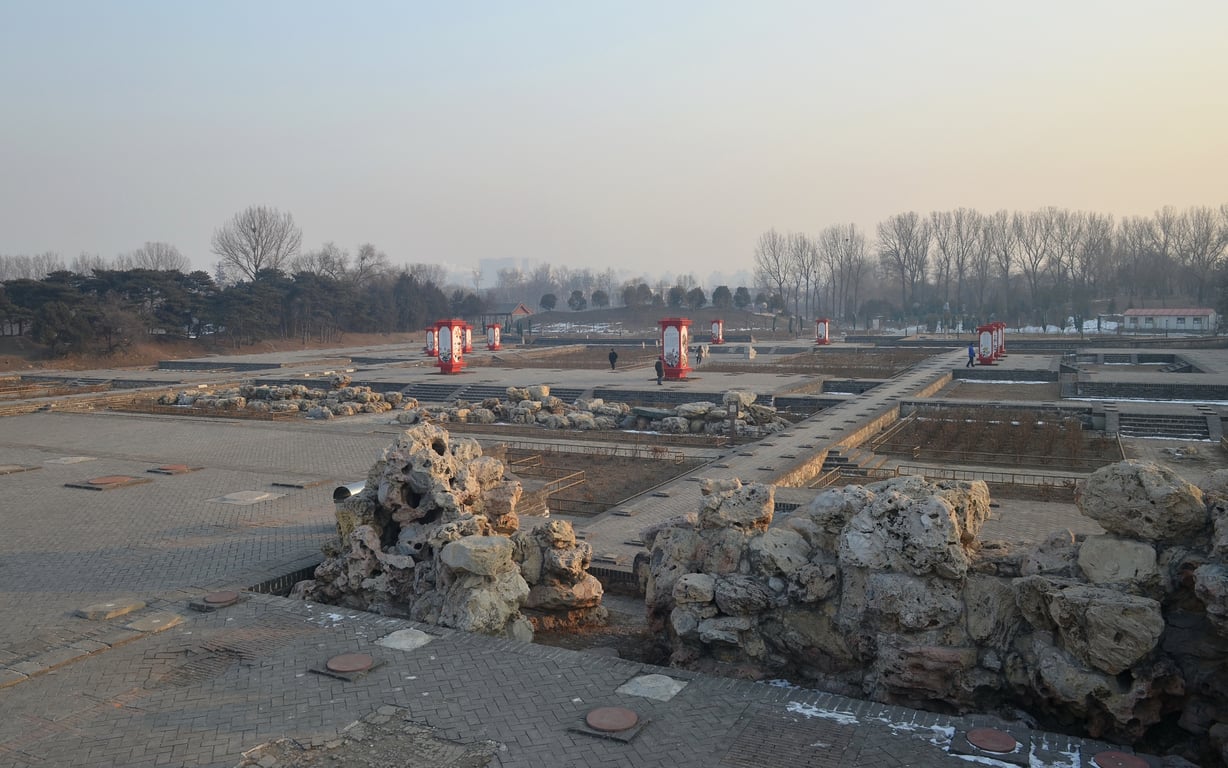
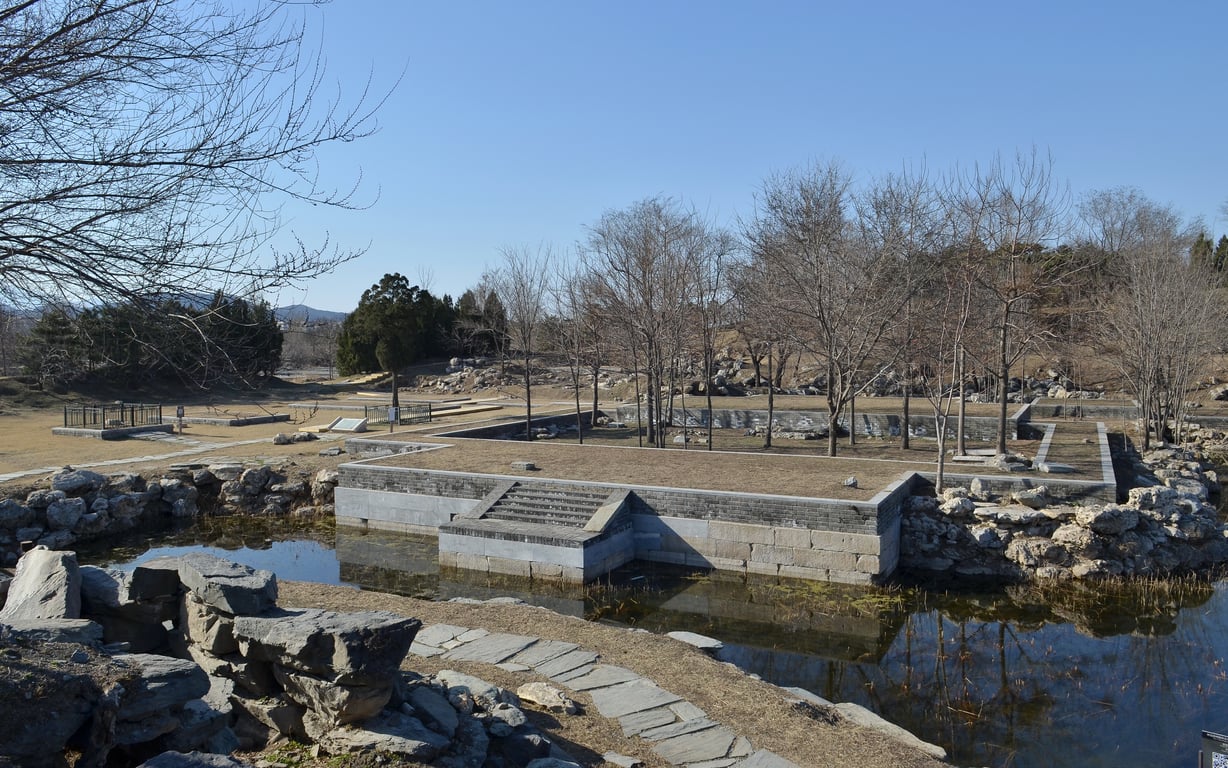
Today, the ruins form Yuanmingyuan Park, a site of reflection on China's "national wound." Partial restorations of lakes and temples preserve its legacy, reminding visitors of a lost imperial paradise that once epitomized Qing achievements. # Hidden Enigmas of Yuanmingyuan: Quirks, Fusions, and the Lingering Scars of Ruin
Nestled amid Beijing's verdant outskirts, Yuanmingyuan harbored secrets that transcended its grand facades, weaving a tapestry of cultural eccentricity and imperial whimsy. Far from mere opulence, the palace embodied the Qing Empire's mosaic of influences, incorporating Tibetan-style temples and Mongol-inspired pavilions that echoed the dynasty's vast conquests over diverse ethnic realms. These structures, comprising a minority amid dominant Chinese designs, symbolized a harmonious imperial vision rarely highlighted in standard narratives. Jesuit artistry added surreal twists, like perspective illusions painted on walls to mimic outdoor theaters, blending Western optical tricks with Eastern dramatics for immersive spectacles.
Among its lesser-touted wonders were aviaries teeming with exotic birds and a labyrinthine maze that challenged visitors' wits, set within meticulously recreated vistas of southern China's misty mountains and tranquil rivers—miniature worlds crafted to evoke distant poetic landscapes. Ecologically, the site's reliance on Jade Spring Hill's pristine waters fostered an intricate network of canals and ponds, a hydrological marvel that sustained biodiversity. Yet, modern restoration debates rage: recent impermeable membranes lining lake beds to curb evaporation have sparked controversy, critics arguing they disrupt natural aquifers and mar the site's organic heritage.
Yuanmingyuan's destruction in 1860, during the Second Opium War, unfolds as a saga of calculated vengeance and chaotic greed. Anglo-French forces, retaliating for the torture of envoys—bound with shrinking cords and force-fed mud—stormed the lightly guarded complex after Emperor Xianfeng's flight. French troops initiated the pillage, stuffing sacks with silks, jades, and bronzes, while British soldiers systematized it via auctions, channeling proceeds as "prize money" to troops and bereaved families. Unportable treasures met hammers and flames; ancient scrolls and colossal Buddhas shattered in the frenzy. Lord Elgin, echoing his father's Parthenon exploits, ordered the inferno as "symbolic retribution," torching the site over days to humiliate the "Son of Heaven."
Looted gems scattered globally: a Pekinese pup, "Looty," gifted to Queen Victoria, birthing the breed in Britain; jade scepters and cloisonné vases adorning European royals; and zodiac bronze heads, now auction darlings. Victor Hugo decried it as civilized barbarity against a wonder rivaling the Parthenon. For China, it's a "national wound," fueling patriotic education and films like Jackie Chan's relic quests. Repatriation persists: tycoons like Stanley Ho have repurchased heads for millions, returning seven to Beijing museums amid resentment over buying back the stolen. Norwegian columns and jade pendants trace back through auctions, underscoring enduring quests for cultural restitution. Yuanmingyuan's echoes remind us: empires fade, but their shadows intrigue eternally.
https://www.youtube.com/watch?v=FYoIXcGpDzw
Construction began in 1707 under the Kangxi Emperor, who envisioned it as a gift for his fourth son, Prince Yong, later the Yongzheng Emperor. The site was selected for its natural beauty, abundant water sources from Jade Spring Hill, and serene landscape, building on earlier estates from the Yuan and Ming dynasties. Under Yongzheng (r. 1722–1735), the gardens expanded dramatically starting in 1725, incorporating innovative waterworks that created lakes, streams, and ponds amid rolling hills. He designated 28 scenic spots and introduced interactive "living tableaux," where eunuchs role-played as farmers or shopkeepers to amuse the court.
The palace reached its apogee during the Qianlong Emperor's reign (1735–1796), who oversaw a second major expansion, increasing scenic spots to 50 and personally directing designs. In 1747, inspired by European engravings, Qianlong commissioned the Xiyang Lou (Western Mansions), a section featuring Baroque-style palaces, fountains, mazes, and aviaries designed by Jesuit missionaries like Giuseppe Castiglione and Michel Benoist. Notable was the Haiyantang fountain, with twelve bronze zodiac animal heads that spouted water hourly, serving as a hydraulic clock—a fusion of Eastern symbolism and Western engineering.
Yuanmingyuan's achievements were multifaceted. It comprised three interconnected gardens: Yuanmingyuan (Garden of Perfect Splendor), Changchunyuan (Garden of Eternal Spring), and Qichunyuan (Garden of Elegant Spring), covering 350 hectares with over 100 halls, pavilions, temples, and bridges. Water features occupied 40% of the area, recreating famous southern Chinese landscapes using exotic plants. The complex housed an unparalleled collection of artifacts, including ancient bronzes, porcelains, jades, and the Wenyuan Hall library with the "Complete Collection of Four Treasures." As the primary imperial residence from Qianlong onward, it was where emperors conducted state affairs, patronized arts, and hosted diplomacy, symbolizing the Qing Empire's cultural diversity with Tibetan and Mongol influences alongside Chinese and European styles. It represented 5,000 years of Chinese civilization, embodying imperial opulence and horticultural mastery.
Tragically, Yuanmingyuan's glory ended in 1860 during the Second Opium War. Anglo-French forces, retaliating for the torture and deaths of their envoys, looted and burned the palace under orders from Lord Elgin. The three-day inferno destroyed most structures, with further devastation in 1900 by the Eight-Nation Alliance. Priceless treasures were scattered worldwide, many now in museums.
Today, the ruins form Yuanmingyuan Park, a site of reflection on China's "national wound." Partial restorations of lakes and temples preserve its legacy, reminding visitors of a lost imperial paradise that once epitomized Qing achievements. # Hidden Enigmas of Yuanmingyuan: Quirks, Fusions, and the Lingering Scars of Ruin
Nestled amid Beijing's verdant outskirts, Yuanmingyuan harbored secrets that transcended its grand facades, weaving a tapestry of cultural eccentricity and imperial whimsy. Far from mere opulence, the palace embodied the Qing Empire's mosaic of influences, incorporating Tibetan-style temples and Mongol-inspired pavilions that echoed the dynasty's vast conquests over diverse ethnic realms. These structures, comprising a minority amid dominant Chinese designs, symbolized a harmonious imperial vision rarely highlighted in standard narratives. Jesuit artistry added surreal twists, like perspective illusions painted on walls to mimic outdoor theaters, blending Western optical tricks with Eastern dramatics for immersive spectacles.
Among its lesser-touted wonders were aviaries teeming with exotic birds and a labyrinthine maze that challenged visitors' wits, set within meticulously recreated vistas of southern China's misty mountains and tranquil rivers—miniature worlds crafted to evoke distant poetic landscapes. Ecologically, the site's reliance on Jade Spring Hill's pristine waters fostered an intricate network of canals and ponds, a hydrological marvel that sustained biodiversity. Yet, modern restoration debates rage: recent impermeable membranes lining lake beds to curb evaporation have sparked controversy, critics arguing they disrupt natural aquifers and mar the site's organic heritage.
Yuanmingyuan's destruction in 1860, during the Second Opium War, unfolds as a saga of calculated vengeance and chaotic greed. Anglo-French forces, retaliating for the torture of envoys—bound with shrinking cords and force-fed mud—stormed the lightly guarded complex after Emperor Xianfeng's flight. French troops initiated the pillage, stuffing sacks with silks, jades, and bronzes, while British soldiers systematized it via auctions, channeling proceeds as "prize money" to troops and bereaved families. Unportable treasures met hammers and flames; ancient scrolls and colossal Buddhas shattered in the frenzy. Lord Elgin, echoing his father's Parthenon exploits, ordered the inferno as "symbolic retribution," torching the site over days to humiliate the "Son of Heaven."
Looted gems scattered globally: a Pekinese pup, "Looty," gifted to Queen Victoria, birthing the breed in Britain; jade scepters and cloisonné vases adorning European royals; and zodiac bronze heads, now auction darlings. Victor Hugo decried it as civilized barbarity against a wonder rivaling the Parthenon. For China, it's a "national wound," fueling patriotic education and films like Jackie Chan's relic quests. Repatriation persists: tycoons like Stanley Ho have repurchased heads for millions, returning seven to Beijing museums amid resentment over buying back the stolen. Norwegian columns and jade pendants trace back through auctions, underscoring enduring quests for cultural restitution. Yuanmingyuan's echoes remind us: empires fade, but their shadows intrigue eternally.
https://www.youtube.com/watch?v=FYoIXcGpDzw
Yuanmingyuan Summer Palace — photo gallery
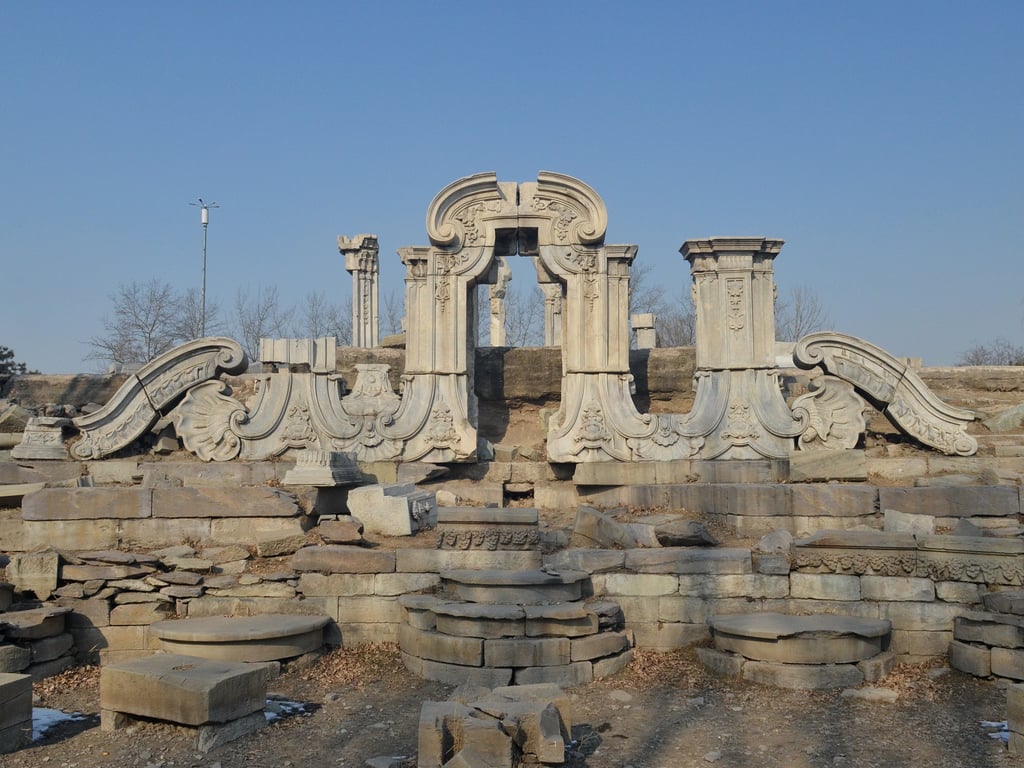
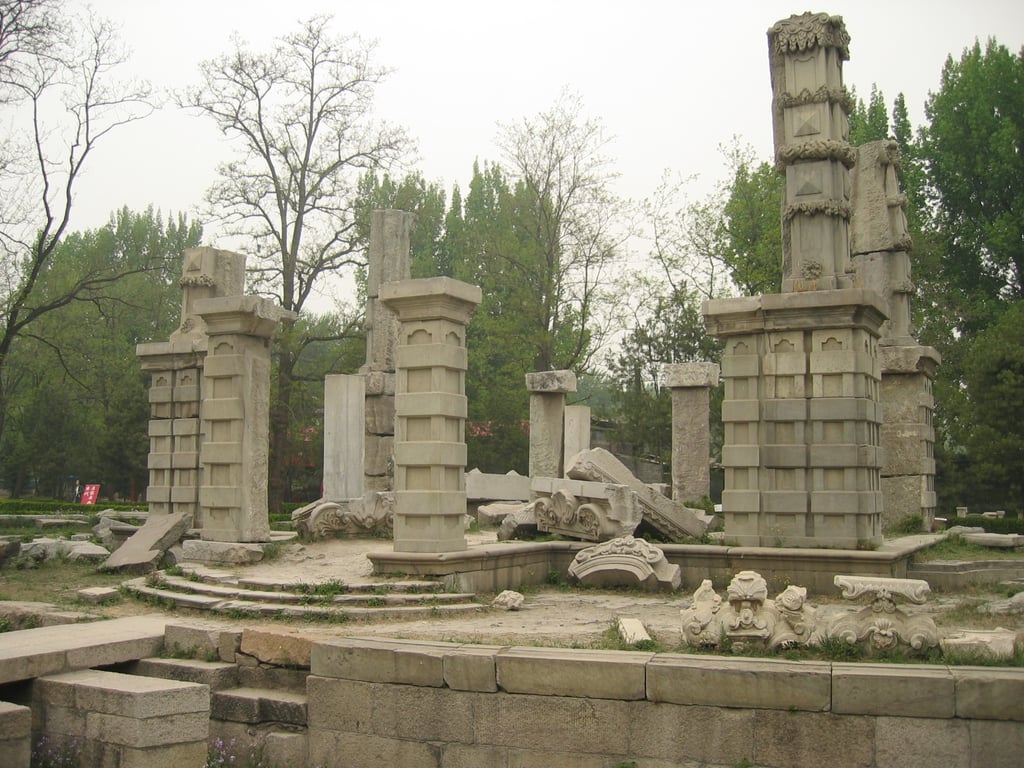
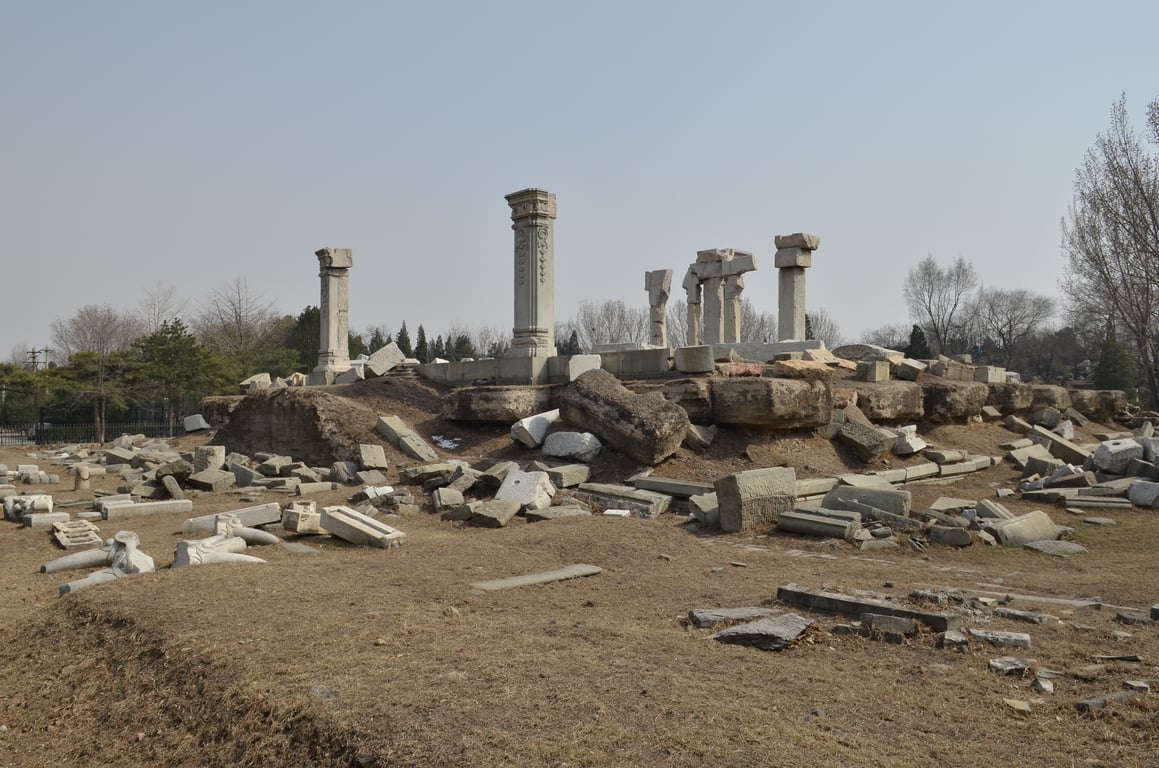

Yuanmingyuan Summer Palace — collectible cards
Collectible cards for this site — AI-generated illustrations from our memory game, not photographs of the site.