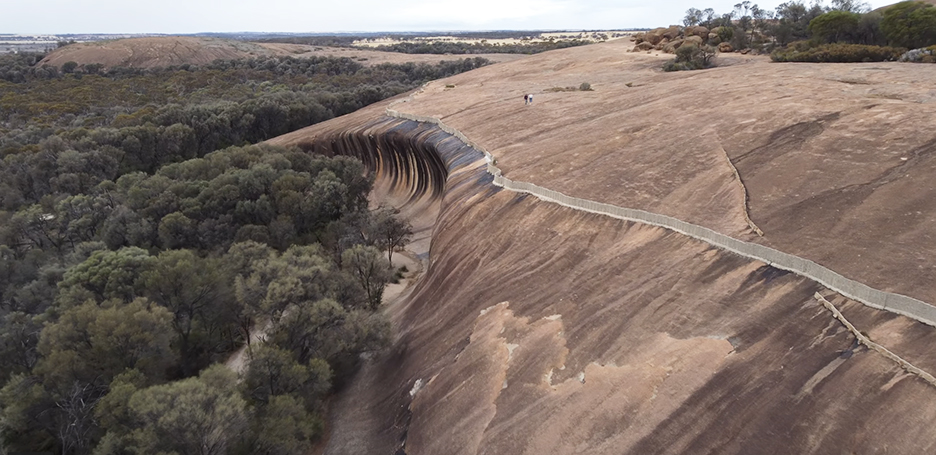
Wave Rock Australia
Witness Outback geology sculpted by wind and water into a colossal, breaking wave. This arid landform reveals millennia of Earth's dynamic artistry.
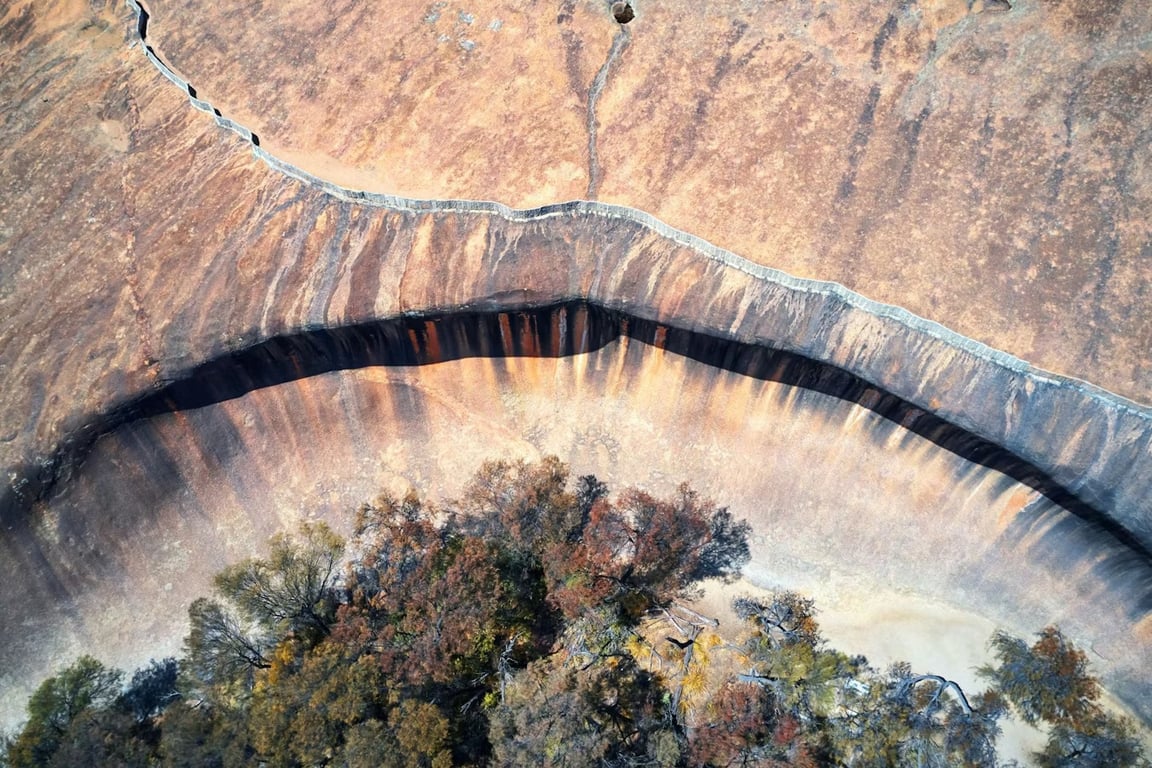
Nestled in the heart of Western Australia, Wave Rock stands as one of nature's most extraordinary masterpieces. This remarkable granite formation, sculpted over millions of years by the relentless forces of wind and water, mimics a colossal ocean wave frozen in time just before it breaks.
It's a geological marvel that draws visitors from across the globe, eager to witness its immense beauty and ponder the ancient processes that brought it into being. More than just a striking landform, Wave Rock is a testament to Earth's artistic power and holds deep cultural significance for Indigenous Australians.
Historical Background
The origins of Wave Rock stretch back an astounding 2.7 billion years, making the granite bedrock one of the oldest exposed rocks on the planet. The distinctive wave-like shape, however, is a much more recent development in geological time, formed over millennia through a process known as sub-surface weathering and subsequent erosion.
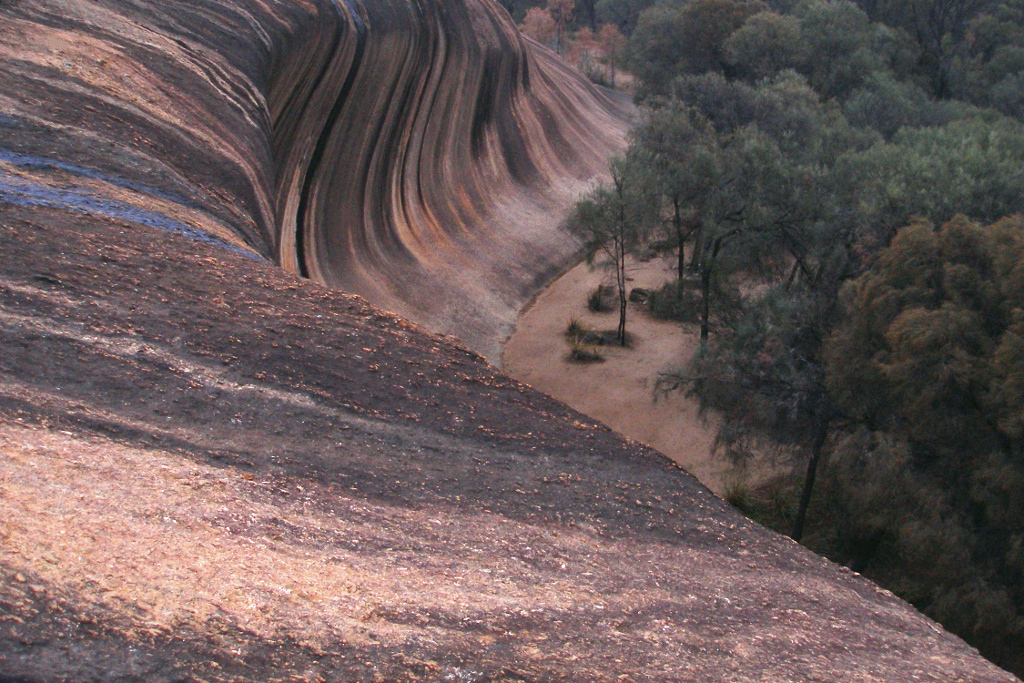
Water seeping down through the soil caused chemical decomposition of the granite beneath the surface, rounding its edges. Later, as the surrounding soil eroded away, the softer, weathered rock was exposed to the elements, allowing wind and rain to sculpt its magnificent overhang and concave face.
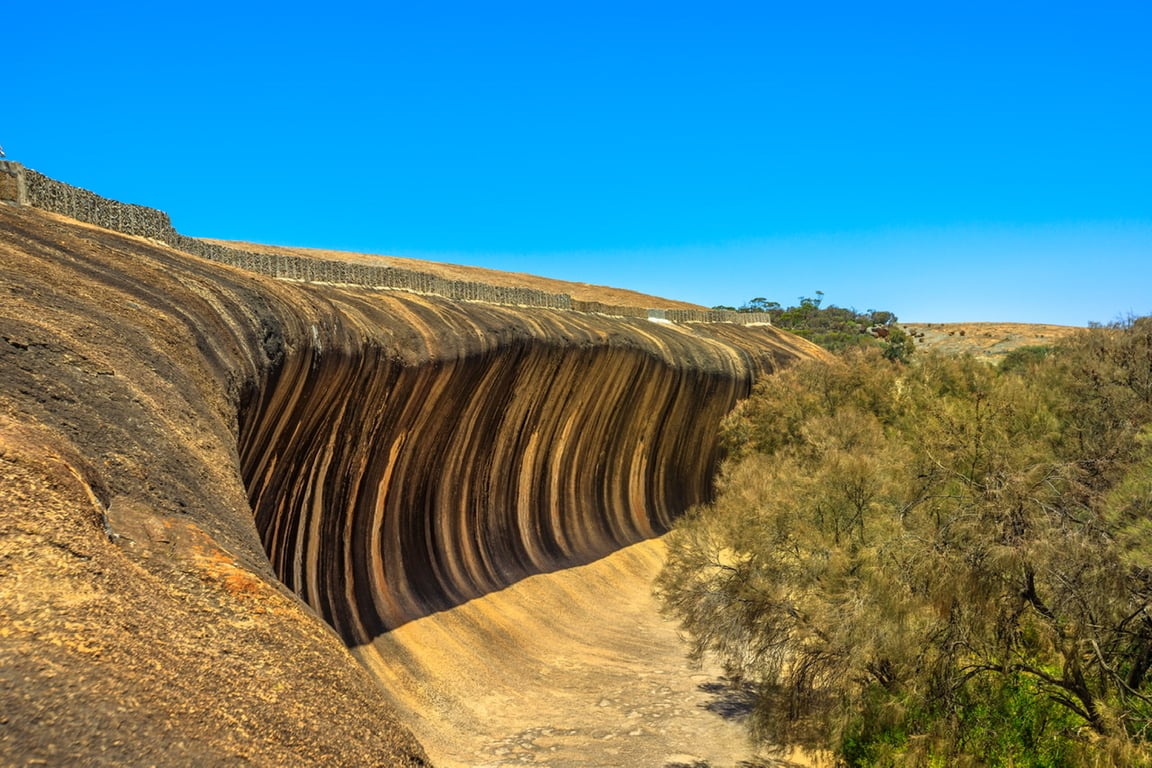
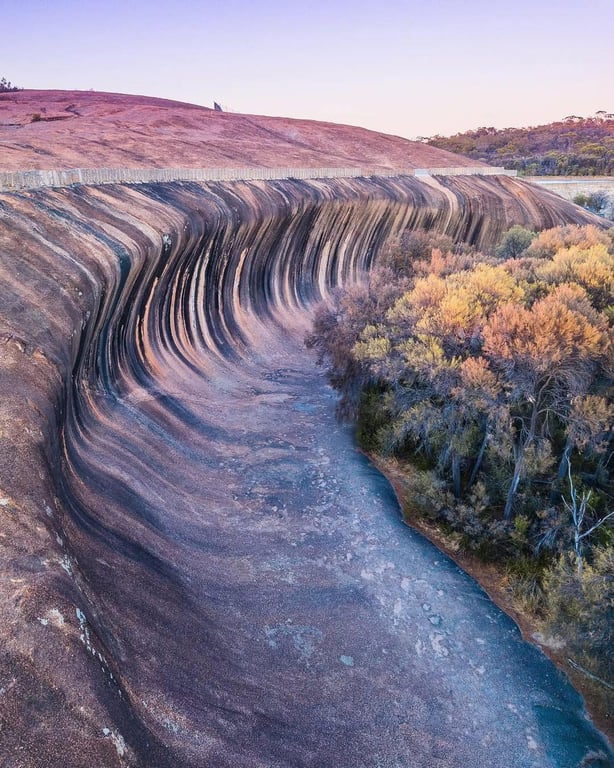
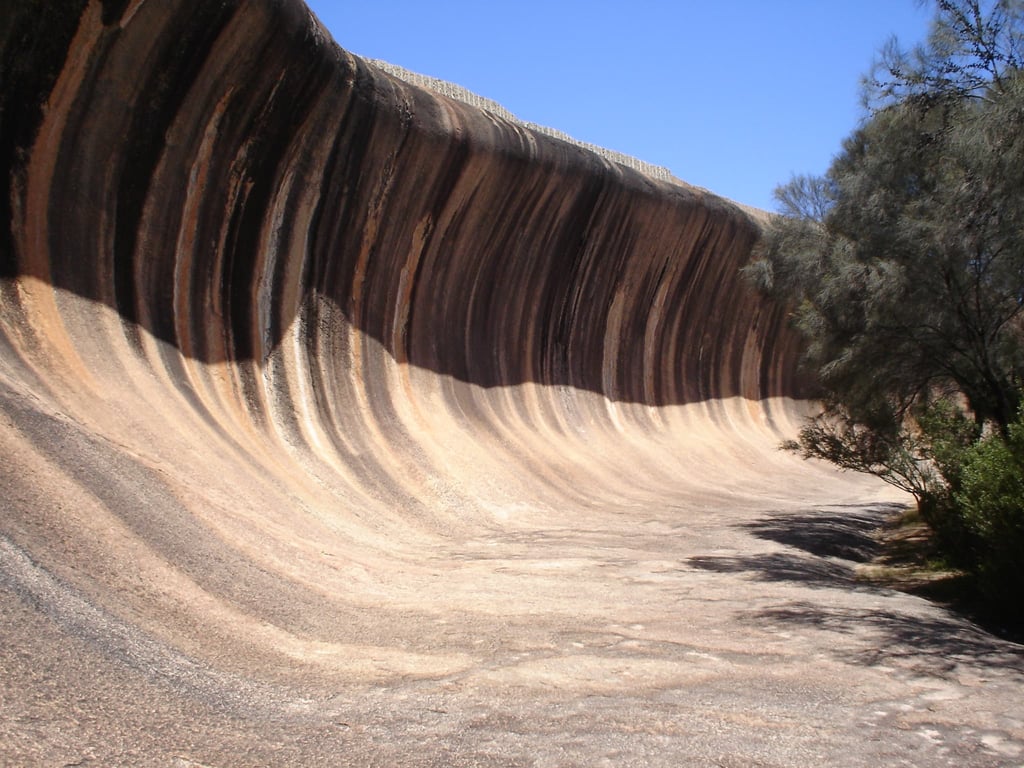
The unique vertical striations, or 'tiger stripes,' found on its face are caused by various minerals deposited by rainwater running down the rock, reacting with the granite to create shades of grey, red, and yellow.
Geological Formation
Scientists believe that the curved shape formed below ground level due to water penetration and chemical weathering. Once exposed, the softer, weathered portions of the rock were more easily eroded by wind and surface water, creating the iconic overhanging and undercut profile. This geological "sculpting" continues to this day, albeit at an imperceptibly slow rate, ensuring that Wave Rock remains a dynamic and evolving natural wonder.
Notable Features
Measuring an impressive 15 meters (49 feet) high and approximately 110 meters (360 feet) long, Wave Rock truly lives up to its name. Its sheer scale and the illusion of a towering ocean surge are breathtaking. The rock face displays a stunning array of colours, from ochre reds and yellows to grays, all formed by mineral staining from flowing water.
These vibrant hues shift dramatically throughout the day with the changing light, offering photographers and visitors ever-new perspectives of its grandeur. Nearby, visitors can also explore other fascinating granite formations, including Hippos Yawn, a rock shaped uncannily like a yawning hippopotamus, and Mulka's Cave, a site of significant Aboriginal cultural heritage.
Cultural & Archaeological Importance
For the Indigenous Noongar people, the traditional owners of the land, Wave Rock (known as Katter Kich) holds profound cultural and spiritual significance. The area surrounding the rock is rich in Aboriginal history, with ancient rock art, engravings, and other archaeological evidence indicating thousands of years of human occupation.
These sites tell stories of ancestral beings, ceremonies, and the Noongar connection to country, making the region a living cultural landscape. The protection of these sacred sites is paramount, preserving the heritage and traditions of Australia's first peoples.
Aboriginal Dreamtime Stories
Many Dreamtime stories are associated with Wave Rock and its surrounding features, explaining their formation through the actions of ancestral spirits. These narratives are not merely myths but are integral to the Noongar cultural identity, providing moral lessons, historical accounts, and a deep spiritual connection to the land. Learning about these stories enriches the visitor's understanding of Wave Rock beyond its geological appeal, highlighting its role as a spiritual landmark.
Preservation & Current State
Wave Rock is a treasured natural monument and efforts are continually made to preserve its integrity for future generations. It is part of the Hyden Wildlife Park and is managed by local authorities to ensure minimal environmental impact from tourism. Boardwalks and designated viewing areas help protect the delicate rock surface and surrounding vegetation.
The importance of responsible tourism is emphasized, encouraging visitors to stick to pathways and respect the natural and cultural environment. The ongoing monitoring of erosion and weathering processes ensures that the unique beauty of this Australian icon can be appreciated for many centuries to come.
While the iconic geological spectacle of Wave Rock is celebrated for its stunning natural artistry, beneath its picturesque facade lie layers of lesser-known history, enigmatic folklore, and intriguing, albeit unproven, theories that challenge conventional understanding.
Far from being merely a photographic marvel, this ancient sentry of the outback whispers tales of a deeper past, inviting us to look beyond the obvious erosion patterns and consider the profound, often mysterious, narratives woven into its very fabric.
Lesser-known Historical Facts
Delving past its geological formation, the human history surrounding Wave Rock holds some intriguing nuances often overshadowed by its natural grandeur. For centuries, the area has been a significant cultural landscape for the local Indigenous Noongar people, predating European contact by tens of thousands of years.
While well-known as a ceremonial site, less publicized are the intricate systems of water harvesting and storage used by Aboriginal communities around the rock. Far from rudimentary, these ancient engineering feats demonstrate a sophisticated understanding of hydrology, utilizing fissures and natural depressions to collect and preserve precious rainwater, transforming the seemingly arid environment into a sustainable living space for generations.
Legends
The Noongar Rainbow Serpent Connection
Among the rich tapestry of Noongar Dreaming stories associated with Wave Rock, the tale of the Rainbow Serpent holds particular resonance, though often simplified for wider audiences. Beyond the creation myth, some interpretations link the rock's striated multi-colored bands, particularly vivid after rainfall, to the shedding scales or the shimmering skin of the mighty serpent itself.
This isn't merely an origin story; it imbues the rock with a living spiritual presence, suggesting that the geological processes are not just natural phenomena but manifestations of powerful ancestral beings still active within the landscape. To some elders, the 'wave' form represents the serpent's journey or its immense power frozen in a moment of cosmic shaping, rather than solely the result of wind and water erosion.
Alternative Theories
The Acoustic Resonance Hypothesis
An intriguing, albeit speculative, theory posits that Wave Rock, due to its concave shape and specific granite composition, might possess unusual acoustic properties. While not scientifically proven, some local anecdotes and various researchers suggest that certain frequencies, perhaps those used in ancient Indigenous ceremonies, could generate unique resonances within the rock's hollowed structure, creating an immersive, almost trance-inducing sonic experience.
Is it possible that the ancients understood and utilized this sonic architecture, turning a geological feature into an esoteric amplifier for spiritual purposes? The idea remains unverified but sparks a compelling line of inquiry.
The Outback Alignment Enigma
While often viewed in isolation, some alternative researchers have attempted to link Wave Rock with other significant geological formations and ancient sites across the vast Australian outback. Though largely dismissed by mainstream archaeology, these theories propose potential alignments, possibly astronomical or geomantic, that could connect Wave Rock to a larger, undocumented network of sacred aboriginal sites.
Is it merely coincidence that certain ley lines or energy pathways, as some suggest, intersect at this unique landmark? The concept posits a grander, more interconnected design to the ancient Australian landscape, with Wave Rock playing a role beyond its visual appeal.
Wave Rock Australia — photo gallery