Ventanillas de Otuzco
Carved cliffside niches at Otuzco reveal funerary practices of a pre-Incan society. Explore these distinctive chambered tombs echoing a vanished civilization.
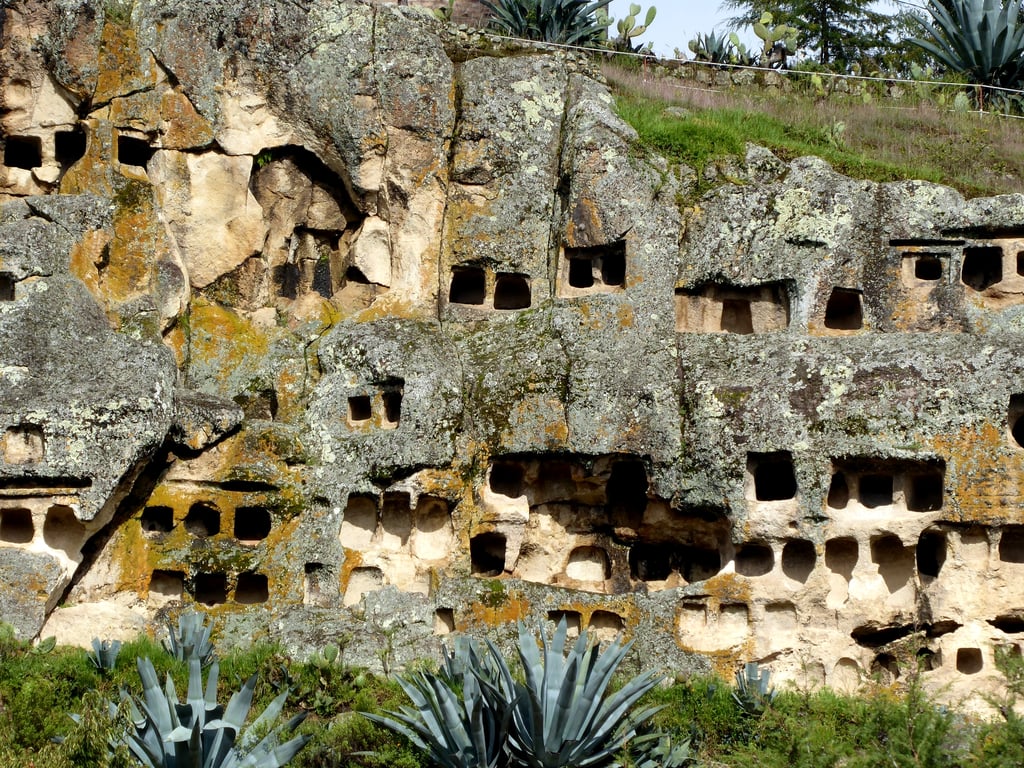
Nestled amidst the Andean highlands of northern Peru, just a short distance from the bustling city of Cajamarca, lies the enigmatic archaeological site of Ventanillas de Otuzco. This pre-Inca necropolis, carved directly into volcanic rock, presents a mesmerizing display of ancient funerary architecture, captivating visitors with its rows of intricate niches that resemble small windows, giving the site its evocative name – "Windows of Otuzco." A testament to the ingenuity and spiritual beliefs of a long-lost civilization, these rock-cut tombs offer a compelling glimpse into the mortuary practices and artistic expressions of the Cajamarca culture.
Historical Background
The Ventanillas de Otuzco are primarily attributed to the Cajamarca culture, an influential pre-Inca society that flourished in the northern Peruvian Andes between approximately 200 AD and 800 AD, reaching its peak around 500-800 AD. While the Inca Empire later expanded into this region, the distinctive rock-cut tombs predate their arrival by centuries.
The Cajamarca people were known for their sophisticated agricultural practices, distinctive ceramics with geometric patterns, and complex social organization. These impressive funerary structures at Otuzco highlight their advanced understanding of stonework and their profound respect for the deceased, indicating a strong belief in an afterlife or the importance of ancestral veneration.
Physical Description & Notable Features
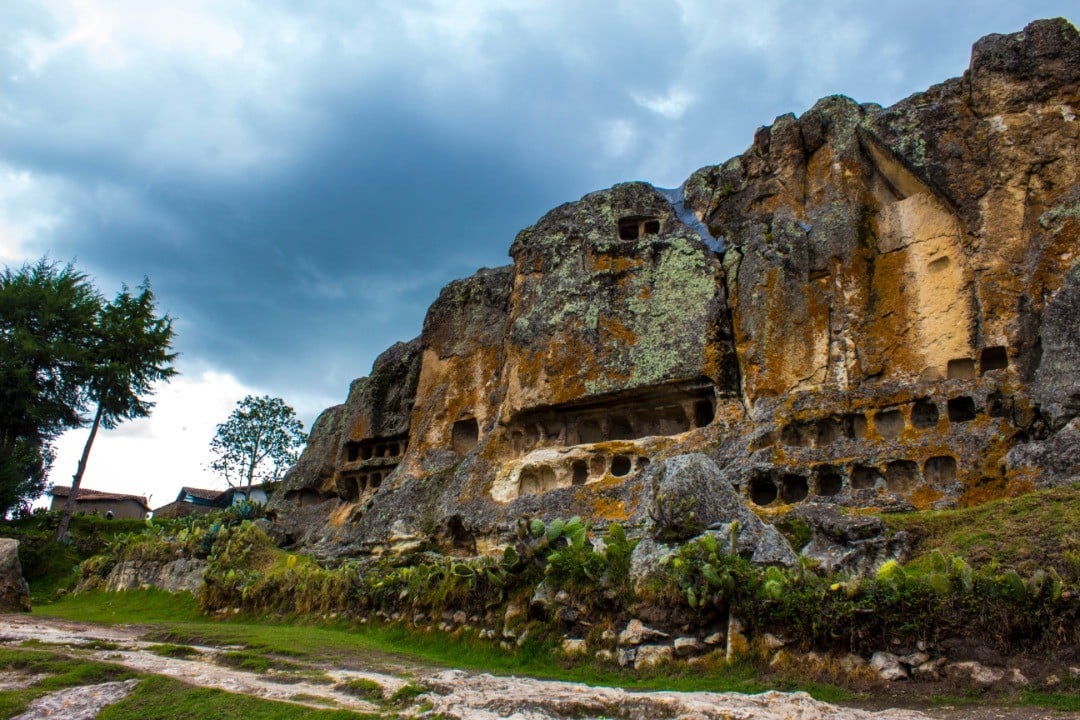
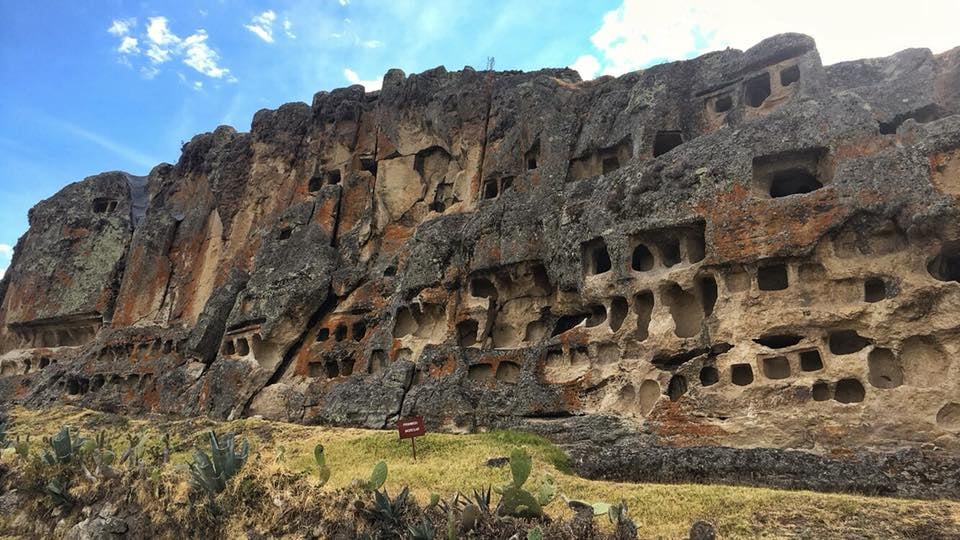
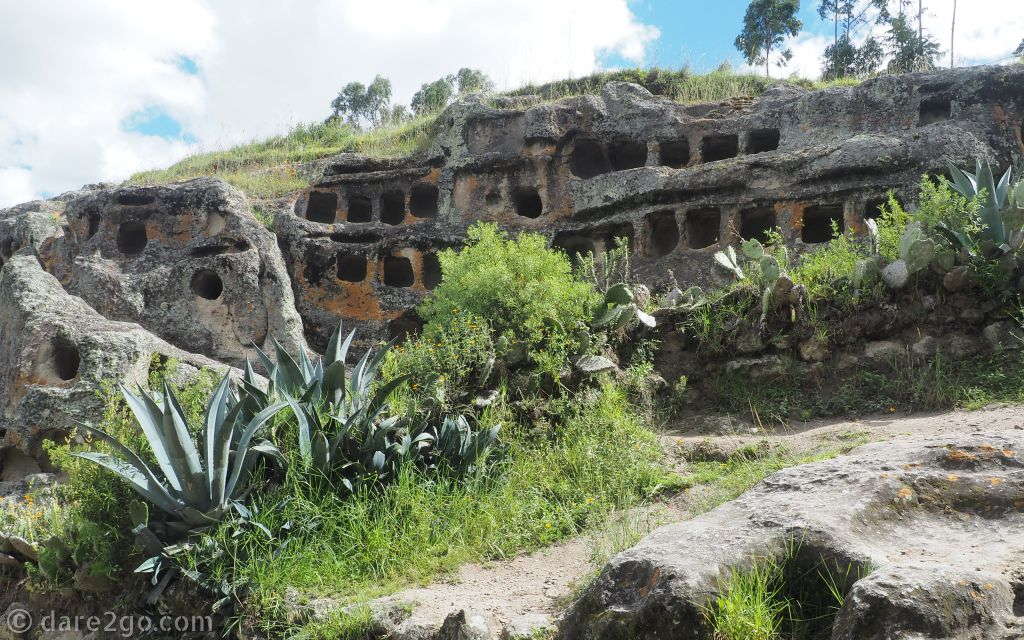
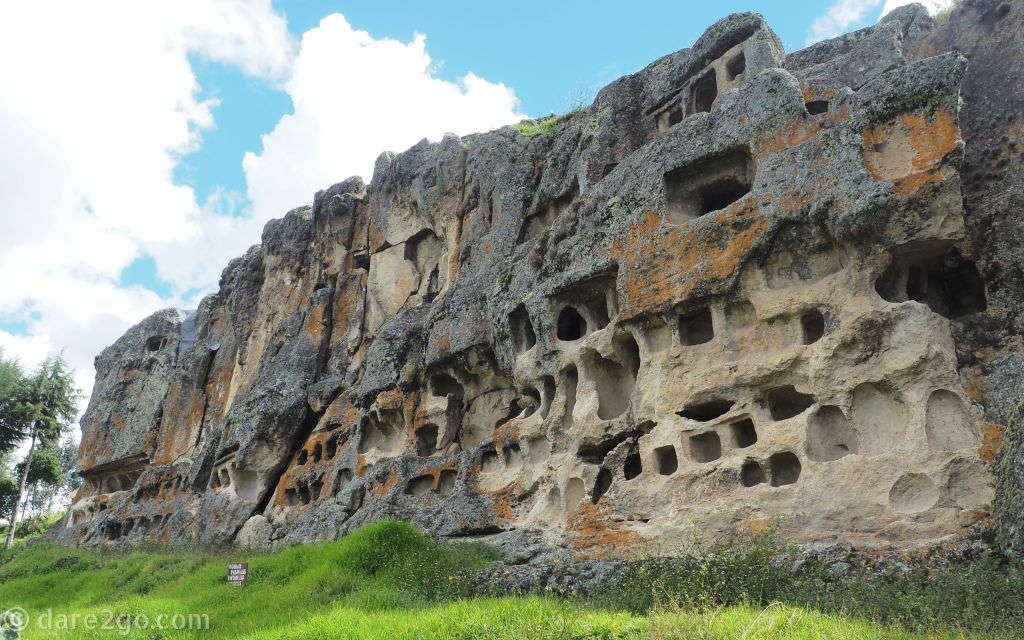
The most striking feature of Ventanillas de Otuzco is its series of hundreds of rectangular and square niches, meticulously carved into the face of a volcanic rock outcrop. These "windows" are typically small, measuring approximately 50 to 60 centimeters in height and width, and are arranged in multiple rows horizontally and vertically. Each niche served as an individual burial chamber, likely containing the remains of a single individual, possibly mummified, along with grave goods.
The precision of the carvings, often presenting smooth surfaces and sharp angles, is remarkable, especially given the tools available at the time. Some niches show evidence of once having had closures, perhaps stone slabs or adobe, to seal the chambers. The sheer scale and uniformity of these chambers across the rock face create an awe-inspiring visual spectacle, truly earning its reputation as a unique archaeological marvel.
Cultural & Archaeological Importance
Ventanillas de Otuzco holds immense cultural and archaeological importance as one of the most significant funerary sites of the Cajamarca culture. It provides invaluable insights into their mortuary rituals, social hierarchy, and religious beliefs. The choice of location, carved into a prominent rock face, suggests a symbolic connection to the earth and the ancestors watching over the living. The site's distinct architectural style, differing from other Andean burial traditions, underscores the unique cultural identity of the Cajamarca people.
Archaeological excavations, though limited, have sometimes uncovered human remains and associated artifacts, contributing to our understanding of their daily lives, diet, and ceremonial practices. It stands as a powerful testament to the intricate spiritual world of these ancient Andean inhabitants.
Preservation & Current State
As a protected archaeological zone, Ventanillas de Otuzco is a popular tourist destination and a vital component of Peru's cultural heritage. Efforts are continuously made to preserve the integrity of the site against natural erosion and human impact. Visitors can explore the well-maintained pathways that lead to viewing areas, offering excellent perspectives of the rock-cut tombs.
While some sections show signs of weathering over centuries, the majority of the "windows" remain remarkably well-preserved, allowing contemporary visitors to appreciate the ancient craftsmanship. Conservation strategies focus on monitoring the delicate rock formations and educating the public on responsible tourism to ensure that this extraordinary necropolis continues to inspire and inform future generations about the rich history of the Cajamarca culture.
While the Ventanillas de Otuzco are widely celebrated for their impressive pre-Inca funerary architecture, a deeper delve into this mystical site reveals layers of history, folklore, and academic intrigue that extend far beyond its visible "windows." What if these carved niches held secrets beyond the mere repose of ancient elites? What if Otuzco’s true significance lies in forgotten rituals, celestial alignments, or even pre-Columbian connections we’ve barely begun to fathom?
Lesser-known Historical Facts
Often attributed solely to the Cajamarca culture (200-800 AD), archaeological whispers suggest that Otuzco’s origins might stretch back even further, perhaps influencing, or being influenced by, earlier highland traditions. Some researchers propose that the initial rock-cut formations could predate the Cajamarca period, possibly stemming from proto-Chavinoid groups utilizing natural fissures later refined. The uniformity of the niches, while impressive, masks a subtle evolution in carving techniques, indicating a long period of use and modification by successive cultures.
Furthermore, recent, less publicized excavations have unearthed evidence of sophisticated water management systems within the necropolis itself, hinting at ritualistic cleansing or even agricultural practices intrinsically linked to the funerary complex, rather than solely for practical use.
Legends & Folk Tales
Local Cajamarcan lore offers a rich tapestry of stories concerning Otuzco. One poignant legend speaks of the "Weeping Walls" – that on certain highly charged nights, particularly during the solstices, a faint, almost imperceptible moisture seeps from the rock faces, said to be the tears of the ancestral spirits mourning a forgotten tragedy.
Another less-known tale describes how the Ventanillas are not just burial sites but portals to the Uku Pacha – the Andean underworld – guarded by spectral condors that only appear to those with pure hearts, guiding the souls of the deceased to their ultimate resting place. Villagers still recount whispered warnings against disturbing the site after sundown, fearing the "Supay" (Andean spirits) who are believed to reclaim their ancient dominion.
Theories & Controversies
The precise function of all Ventanillas remains a subject of heated debate. While commonly identified as ossuaries, some archaeologists posit that certain niches, particularly those with unusual dimensions or difficult access, might have served entirely different ritualistic purposes. Were some used for ceremonial offerings, housing sacred artifacts, or even as observation points for celestial phenomena?
A provocative theory suggests that the entire layout of the main necropolis aligns with specific constellations visible from the Cajamarca sky during critical astronomical events, implying an sophisticated understanding of archaeoastronomy far beyond simple burial. This theory, while difficult to prove without further interdisciplinary research, opens a fascinating window into the intellectual prowess of Otuzco's architects.
Mysterious Connections
Perhaps the most enigmatic aspect of Otuzco lies in its potential, often overlooked, connections to distant Andean cultures. The distinctive carving style of the niches shows tantalizing echoes in funerary sites found hundreds of kilometers away, from the Chachapoyas region to even more remote high-altitude ruins.
Are these parallel developments or evidence of an ancient, pre-Incan information network facilitating the exchange of architectural and spiritual ideas? Could Otuzco represent a key node in a long-forgotten sacred geography, holding clues to broader cultural movements that shaped the ancient Andean world in ways we are only beginning to imagine? The "windows" of Otuzco might just be gazing back at a truly interconnected past.
Ventanillas de Otuzco — photo gallery
Ventanillas de Otuzco — collectible cards
Collectible cards for this site — AI-generated illustrations from our memory game, not photographs of the site.