Turtle Rock
Mongolia’s granite marvel, shaped by time, alive with echoes and starry nights.
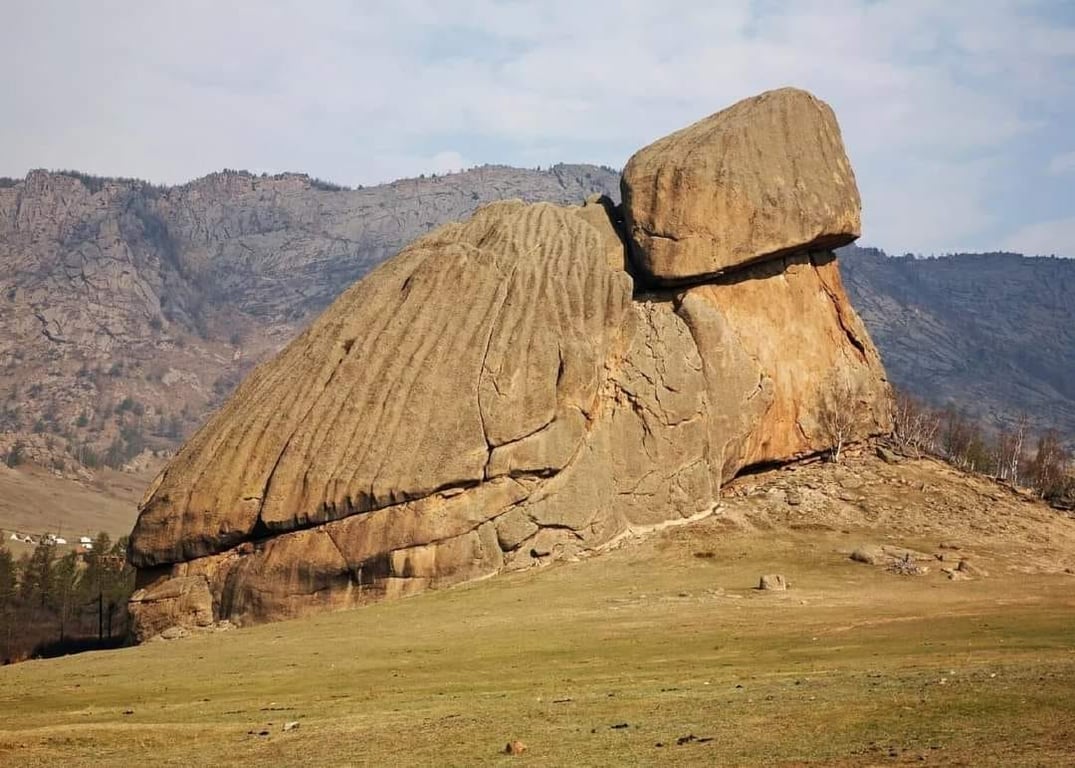
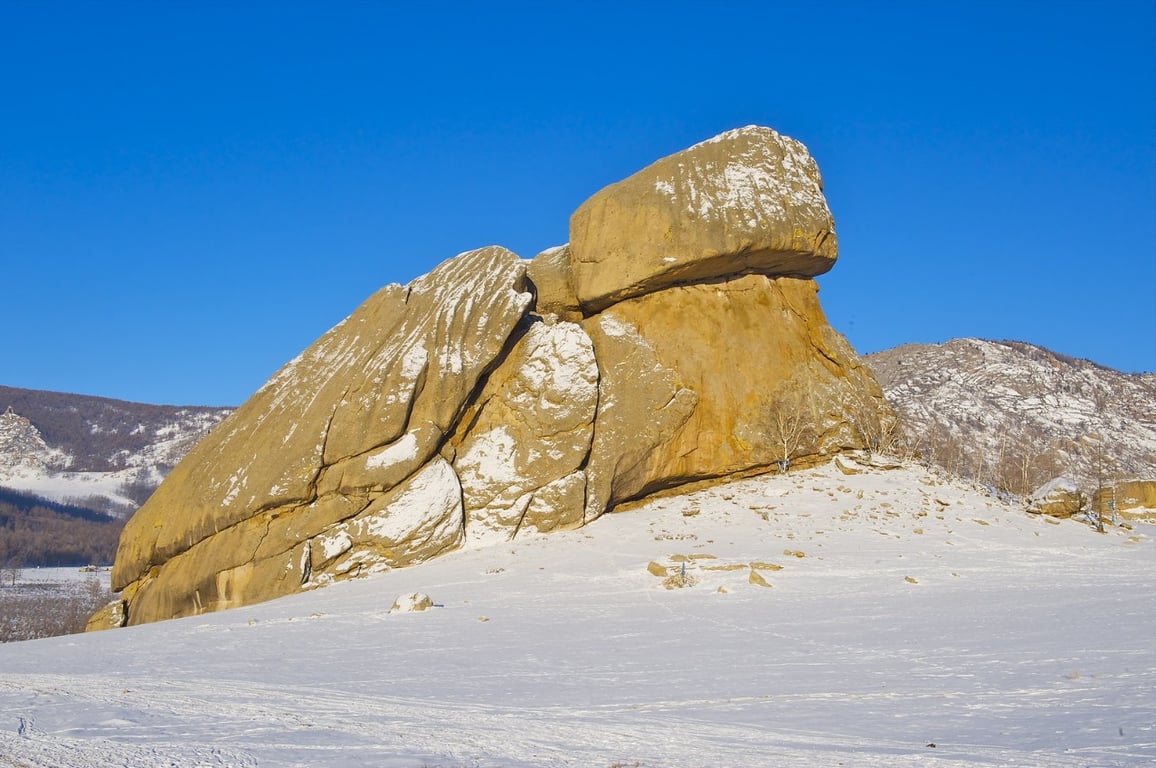
Situated in the dramatic landscapes of Gorkhi-Terelj National Park, just 58 kilometers northeast of Ulaanbaatar, Turtle Rock - known locally as Melkhii Khad - stands as one of Mongolia's most iconic geological wonders. This 24-meter-high granite formation, sculpted by millennia of wind, rain, and frost erosion, strikingly resembles a colossal turtle emerging from the earth. Its rugged, turtle-like silhouette, complete with a protruding "head" and textured "shell," has captivated travelers and locals alike, earning it a spot as a must-see landmark in the "Switzerland of Mongolia."
The park itself, established in 1993 and spanning over 572 square kilometers, offers a refreshing contrast to Mongolia's vast steppes. Towering pine-covered mountains, crystal-clear rivers like the Terelj Gol, and alpine meadows teeming with wildlife—deer, bears, and birds—frame the rock. Paleozoic and Mesozoic sedimentary layers, interspersed with granite boulders, create bizarre shapes across the terrain, but Turtle Rock's whimsical form sets it apart.
Geologists attribute its creation to differential erosion, where softer rock wears away faster, leaving the resilient granite to mimic ancient fauna. Beyond its natural allure, Turtle Rock is steeped in folklore. Once called Mungut Khad (Silver Rock), it ties to the 17th-century legend of Oirat leader Galdan Boshigt Khan. Fleeing Manchu forces after a devastating battle, Galdan allegedly hid gold and silver treasures in the rock's natural cavity before escaping westward. His consort, left to guard the hoard, is said to have transformed into the nearby Khuukhen Mountain - a graceful, reclining female figure—to eternally watch over the riches.
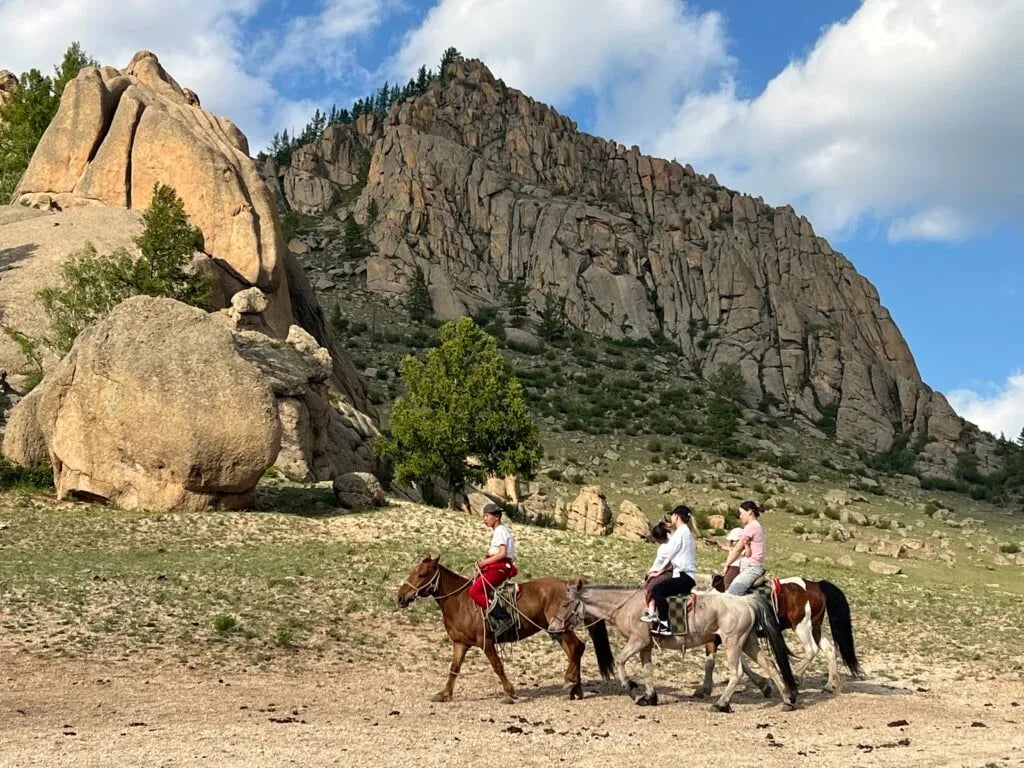
Locals revere it as a symbol of prosperity, offering prayers at its base for wealth and fortune, blending shamanistic roots with Buddhist influences. For visitors, Turtle Rock is a gateway to adventure. Easily accessible via a paved road from Ulaanbaatar (about 1.5 hours' drive), it's perfect for day trips. Hike its slopes for panoramic views, or opt for a 15-minute horseback or camel ride (around 35,000 MNT) through pine-scented valleys.
Nearby, the Aryabal Meditation Temple perches on cliffs, inviting serene reflection amid the park's biodiversity. Summer brings ger camps and festivals; winter transforms it into a snowy wonderland for cross-country skiing.Turtle Rock embodies Mongolia's raw beauty and enduring myths, reminding us of nature's artistry and human imagination. Whether you're a geology enthusiast or folklore seeker, this timeless sentinel promises unforgettable encounters. Unlike typical rock formations, Turtle Rock’s surface is a canvas of micro-ecosystems. Tiny lichens and mosses cling to its crevices, creating a patchwork of vibrant greens and yellows that shift with the seasons. These miniature habitats support insects rarely seen elsewhere, drawing entomologists to study this living rock. The granite’s weathered texture, pockmarked by eons of erosion, feels almost alien up close, inviting climbers to test their skills on its uneven slopes—though locals warn of slippery patches after rain.
What sets Turtle Rock apart is its acoustic quirk. The rock’s natural cavity, hidden beneath its “shell,” amplifies sounds in an eerie echo, making whispers sound like chants. Visitors often experiment with this, shouting or singing to hear their voices bounce back, distorted by the stone’s contours. Some claim it’s a spot for spiritual sound rituals, with shamans occasionally visiting to harness its resonance for ceremonies.
The rock’s surroundings add to its eccentricity. Nearby, a cluster of smaller, oddly shaped boulders—dubbed “the turtle’s cousins” by locals—creates a surreal rock garden. These formations, less famous but equally bizarre, mimic abstract shapes like twisted faces or crouching animals, sparking endless photo ops and imaginative storytelling. The area also hosts a quirky annual event where locals dress as turtles for a playful race, blending humor with reverence for the rock’s spirit.
Turtle Rock’s magnetic pull extends to the night sky. Its isolated location, far from city lights, makes it a stargazing hotspot. Amateur astronomers flock here, claiming the rock’s silhouette against the Milky Way feels like a cosmic alignment. Pair this with the occasional sighting of bioluminescent insects in summer, and the site becomes a glowing, otherworldly spectacle.
The park itself, established in 1993 and spanning over 572 square kilometers, offers a refreshing contrast to Mongolia's vast steppes. Towering pine-covered mountains, crystal-clear rivers like the Terelj Gol, and alpine meadows teeming with wildlife—deer, bears, and birds—frame the rock. Paleozoic and Mesozoic sedimentary layers, interspersed with granite boulders, create bizarre shapes across the terrain, but Turtle Rock's whimsical form sets it apart.
Geologists attribute its creation to differential erosion, where softer rock wears away faster, leaving the resilient granite to mimic ancient fauna. Beyond its natural allure, Turtle Rock is steeped in folklore. Once called Mungut Khad (Silver Rock), it ties to the 17th-century legend of Oirat leader Galdan Boshigt Khan. Fleeing Manchu forces after a devastating battle, Galdan allegedly hid gold and silver treasures in the rock's natural cavity before escaping westward. His consort, left to guard the hoard, is said to have transformed into the nearby Khuukhen Mountain - a graceful, reclining female figure—to eternally watch over the riches.
Locals revere it as a symbol of prosperity, offering prayers at its base for wealth and fortune, blending shamanistic roots with Buddhist influences. For visitors, Turtle Rock is a gateway to adventure. Easily accessible via a paved road from Ulaanbaatar (about 1.5 hours' drive), it's perfect for day trips. Hike its slopes for panoramic views, or opt for a 15-minute horseback or camel ride (around 35,000 MNT) through pine-scented valleys.
Nearby, the Aryabal Meditation Temple perches on cliffs, inviting serene reflection amid the park's biodiversity. Summer brings ger camps and festivals; winter transforms it into a snowy wonderland for cross-country skiing.Turtle Rock embodies Mongolia's raw beauty and enduring myths, reminding us of nature's artistry and human imagination. Whether you're a geology enthusiast or folklore seeker, this timeless sentinel promises unforgettable encounters. Unlike typical rock formations, Turtle Rock’s surface is a canvas of micro-ecosystems. Tiny lichens and mosses cling to its crevices, creating a patchwork of vibrant greens and yellows that shift with the seasons. These miniature habitats support insects rarely seen elsewhere, drawing entomologists to study this living rock. The granite’s weathered texture, pockmarked by eons of erosion, feels almost alien up close, inviting climbers to test their skills on its uneven slopes—though locals warn of slippery patches after rain.
What sets Turtle Rock apart is its acoustic quirk. The rock’s natural cavity, hidden beneath its “shell,” amplifies sounds in an eerie echo, making whispers sound like chants. Visitors often experiment with this, shouting or singing to hear their voices bounce back, distorted by the stone’s contours. Some claim it’s a spot for spiritual sound rituals, with shamans occasionally visiting to harness its resonance for ceremonies.
The rock’s surroundings add to its eccentricity. Nearby, a cluster of smaller, oddly shaped boulders—dubbed “the turtle’s cousins” by locals—creates a surreal rock garden. These formations, less famous but equally bizarre, mimic abstract shapes like twisted faces or crouching animals, sparking endless photo ops and imaginative storytelling. The area also hosts a quirky annual event where locals dress as turtles for a playful race, blending humor with reverence for the rock’s spirit.
Turtle Rock’s magnetic pull extends to the night sky. Its isolated location, far from city lights, makes it a stargazing hotspot. Amateur astronomers flock here, claiming the rock’s silhouette against the Milky Way feels like a cosmic alignment. Pair this with the occasional sighting of bioluminescent insects in summer, and the site becomes a glowing, otherworldly spectacle.
Turtle Rock — photo gallery
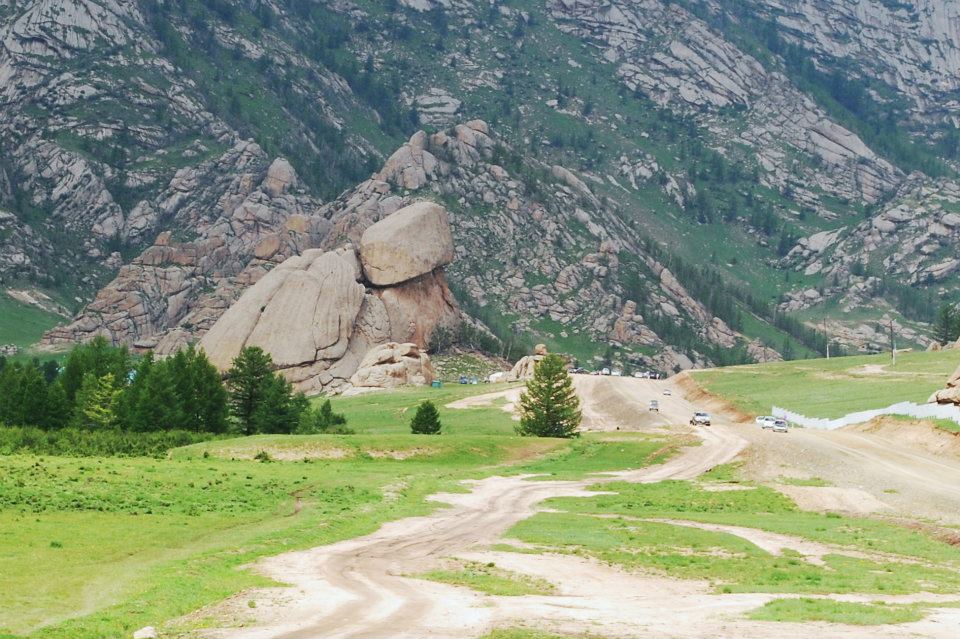
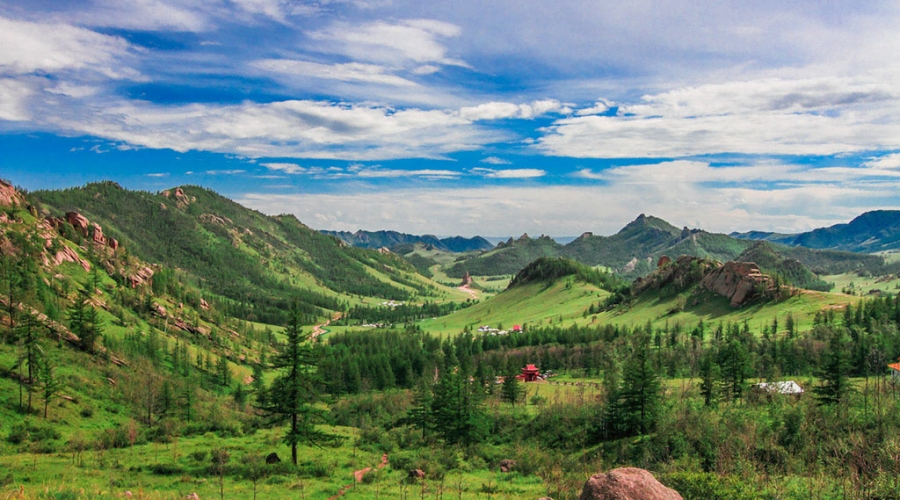
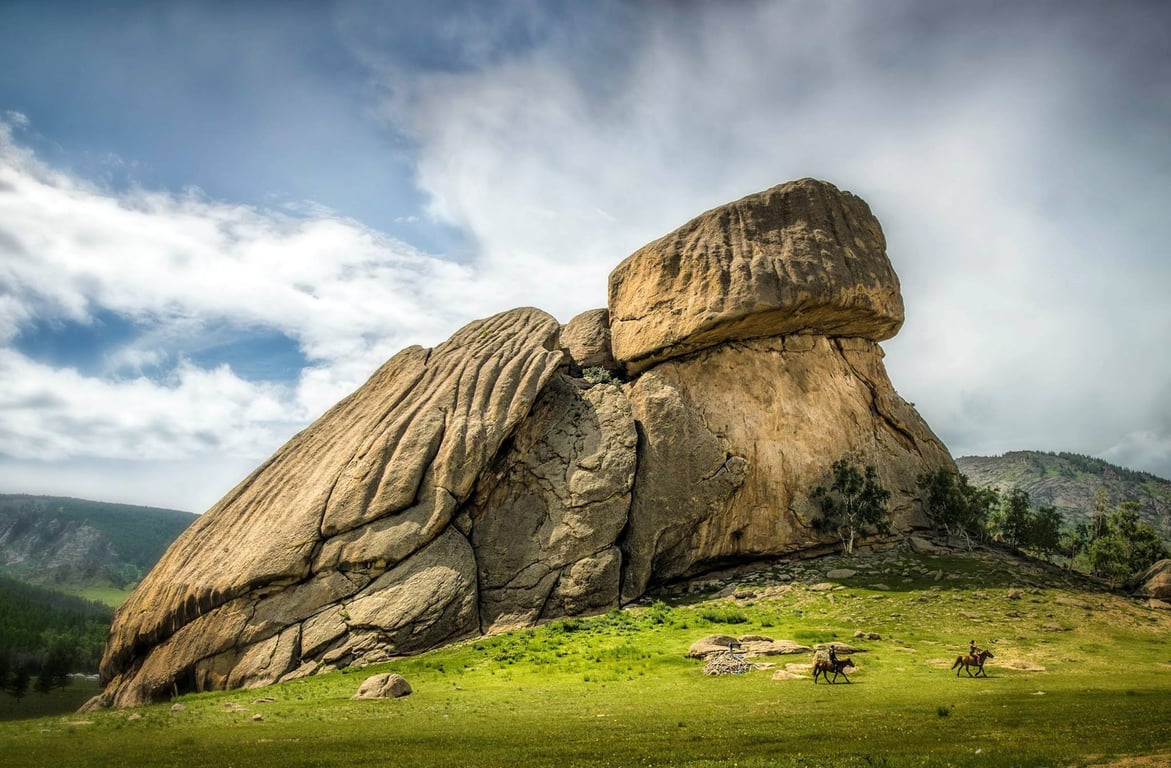
Turtle Rock — collectible cards
Collectible cards for this site — AI-generated illustrations from our memory game, not photographs of the site.