Three Whale Rocks
Towering megaliths carved by unseen forces evoke the presence of leviathans, a geological enigma frozen in time and tide.
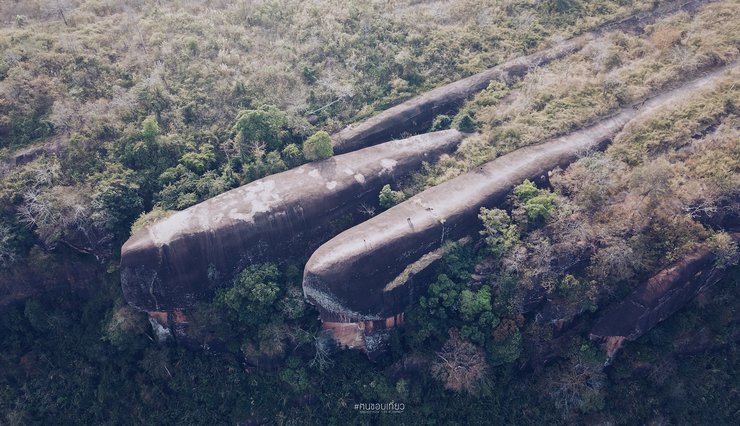
Venturing into the ancient echoes of the past, Three Whale Rocks stands as a mesmerizing archaeological site, deeply etched into the landscape and the annals of history. This enigmatic location, often referred to as a natural wonder with profound cultural significance, invites exploration into its geological formations and the human narratives they’ve inspired for millennia. Its unique rock formations, resembling colossal marine mammals breaching the surface, have captivated imaginations and served as a focal point for ancient communities, blending natural artistry with human interpretation and spiritual connection.
Historical Background
The origins of Three Whale Rocks are rooted in deep geological time, shaped by millennia of erosion, tectonic activity, and the relentless forces of wind and water. While the rocks themselves are geologically ancient, their true historical significance began when early human populations first encountered them. Archaeological evidence suggests continuous human presence in the vicinity dating back several thousand years, with various indigenous groups utilizing the site for different purposes.
Although specific historical records detailing their exact use are scarce, oral traditions and archaeological findings, such as scattered lithic tools and pottery shards, point towards its role as a landmark, a gathering place, and potentially a ceremonial location. The enduring mystique of the "three whales" has undoubtedly woven itself into the tapestry of local legends and cosmology across generations.
Physical Description & Notable Features
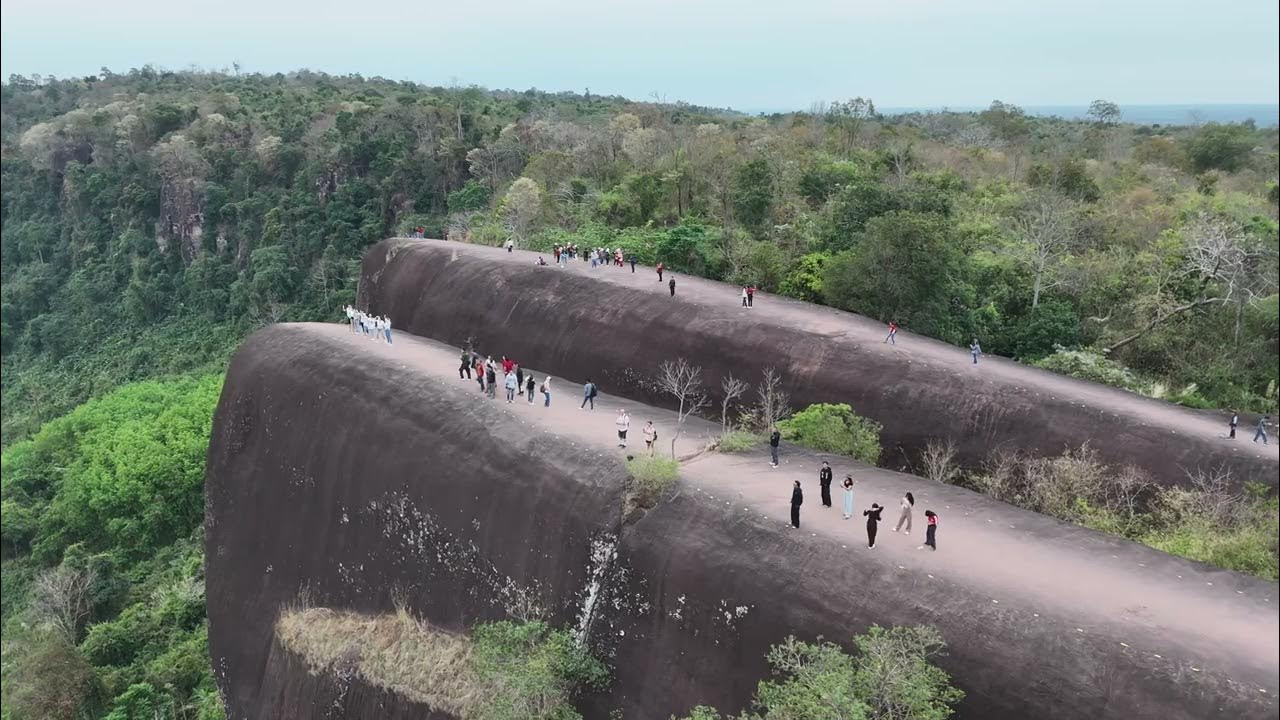
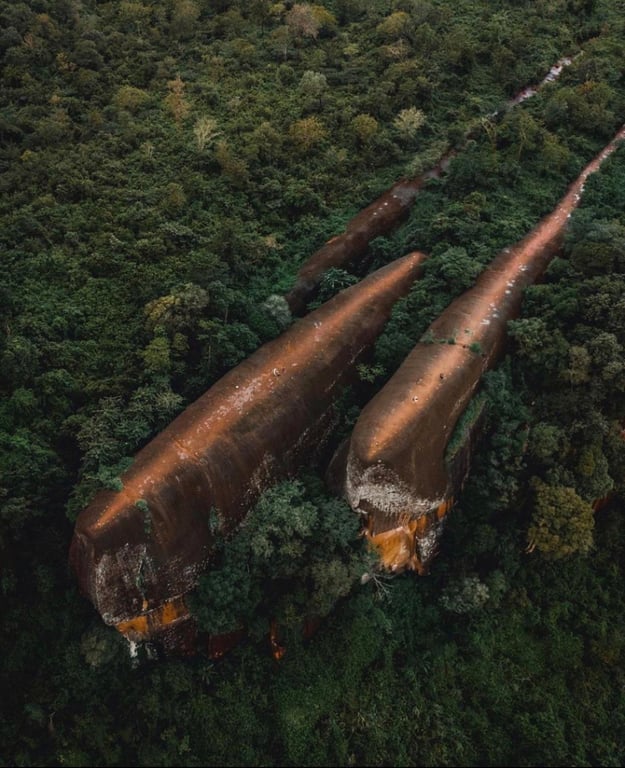
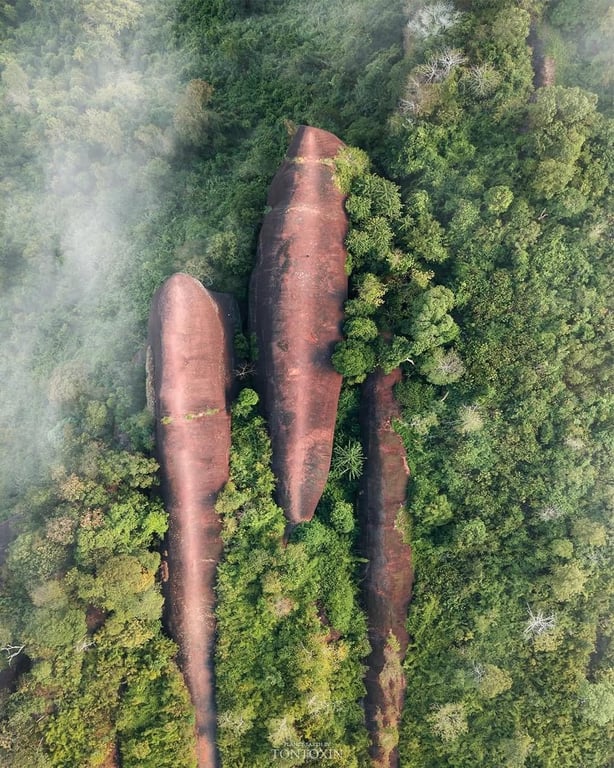
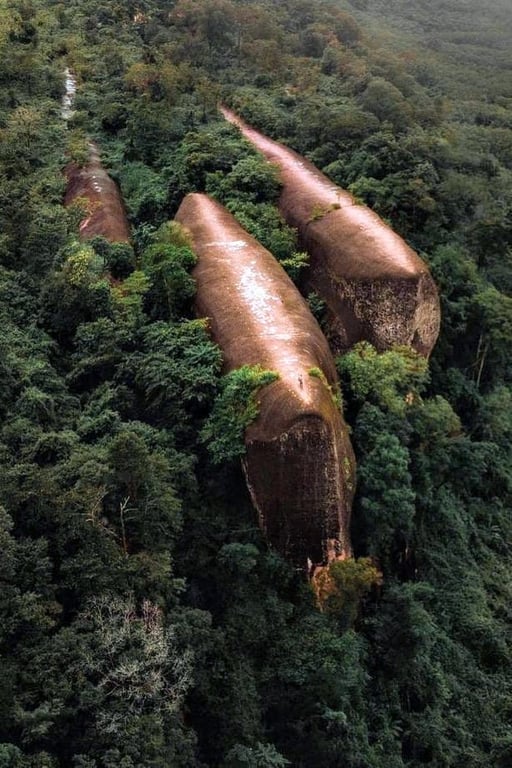
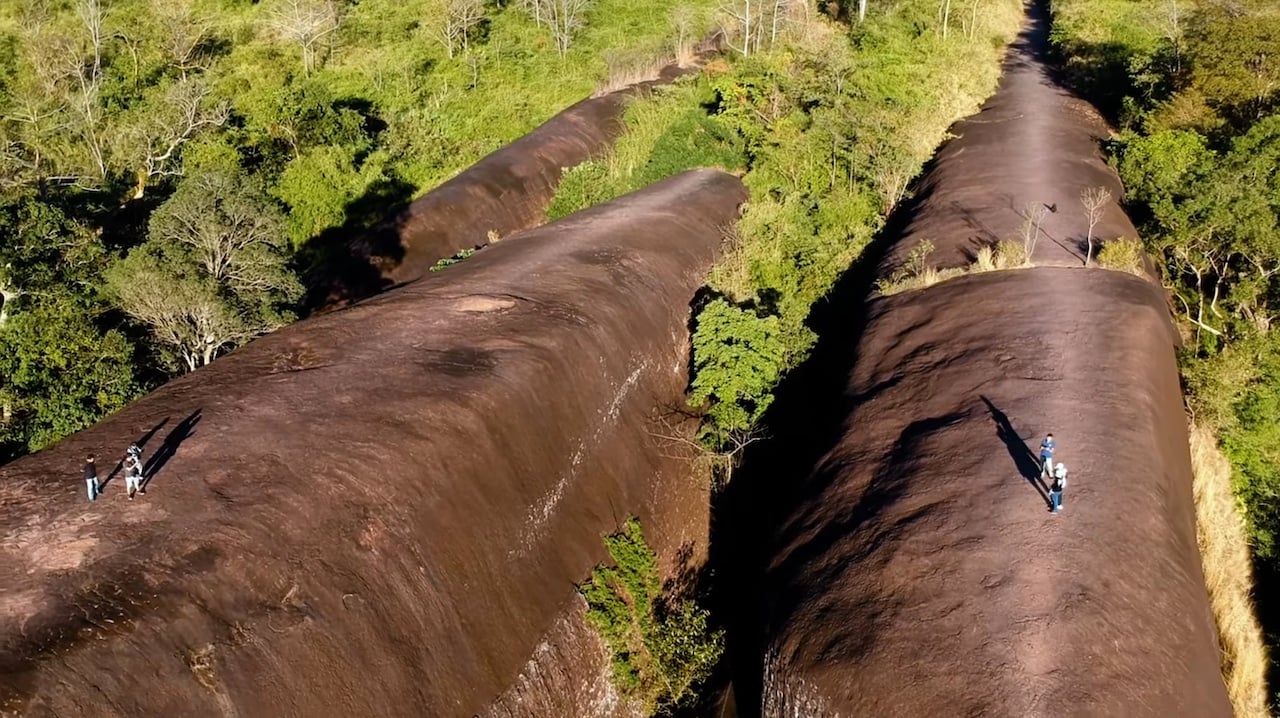
Three Whale Rocks is distinguished by its dramatic rock formations, characterized by three prominent, weathered sandstone structures that strikingly resemble the dorsal fins and bodies of whales partially submerged in the earth. Each "whale" possesses its own unique silhouette, carved by eons of natural processes, exhibiting layers of sediment and striations that tell a geological story. The largest of these formations often presents a majestic, almost lifelike quality, leading observers to ponder the sheer power of nature's sculpting hand.
Surrounding these central monoliths, the terrain comprises a mix of scrubland and rocky outcrops, hinting at a once more varied ecological landscape. The orientation of the rocks and the play of light at different times of day—especially sunrise and sunset—further enhance their ethereal appearance, making them a breathtaking spectacle and a photographer's delight.
Cultural & Archaeological Importance
Beyond their geological marvel, Three Whale Rocks holds immense cultural and archaeological significance. For ancient peoples, these colossal formations likely served as vital navigational markers within the landscape. More profoundly, they appear to have been imbued with spiritual or totemic meaning. Archaeological surveys in the wider area have unearthed evidence of ancient pathways leading to the site, suggesting its role as a destination.
While direct evidence of large-scale settlements immediately at the rocks is limited, the presence of smaller, transitory camps and scattered artifacts indicates its use for seasonal gatherings, sacred rituals, or vision quests. The "whale" motif, a powerful symbol in many cultures, could have represented abundance, journey, or the mysteries of the deep, making these rocks a sacred nexus between the terrestrial and the mythical. The site is a testament to the intricate relationship between early humans and their natural environment, where prominent natural features often became focal points for cultural expression and spiritual belief.
Preservation & Current State
Today, Three Whale Rocks remains a protected natural and archaeological site, recognizing its irreplaceable value. Efforts are underway to balance public access with the imperative of conservation. Local authorities and heritage organizations collaborate to monitor the site for natural erosion and human impact.
Educational initiatives aim to raise awareness among visitors about the fragility of the formations and the importance of respecting the archaeological remnants. While the rocks themselves are resilient, the surrounding landscape and any potential subsurface archaeological deposits are vulnerable to disturbance. Visitors are encouraged to observe designated pathways and adhere to "leave no trace" principles to ensure that Three Whale Rocks continues to inspire and educate future generations, preserving its profound beauty and historical narrative for centuries to come.
While the surface story of Three Whale Rocks speaks of striking geological formations and recognized cultural significance, a deeper dive into its forgotten past unearths a wealth of cryptic lore, archaeological whispers, and theories so audacious they challenge our understanding of ancient communication and resource management. Prepare to peel back the layers of the commonplace and venture into the truly enigmatic aspects of this fascinating site.
Lesser-known Historical Facts
Beyond the well-trodden paths of documented indigenous settlements, archaeological geophysics at Three Whale Rocks has quietly detected anomalies that suggest a far more extensive and structured footprint than previously acknowledged. GPR surveys indicate subsurface linear features and circular patterns beneath the seemingly untouched landscape, which some fringe researchers interpret as remnants of a sophisticated, perhaps pre-agricultural, water management system or highly organized ceremonial pathways. These features hint at an advanced understanding of hydrology and engineering, predating conventional timeline estimates for such developments in the region by millennia.
Legends & Folk Tales
The Stonekeepers' Prophecy
Local oral traditions, often dismissed as mere fantasy, speak of the "Stonekeepers" – an ancient order who not only revered the Whale Rocks but also encoded prophecies into their very forms. One such legend whispers of a hidden alignment, visible only during a specific lunar phase once every 19 years, when the shadows cast by the leftmost 'whale' perfectly bisect a small, hitherto unnoticed petroglyph depicting a star swarm. Folklore claims this alignment points to a time of great upheaval or discovery, a celestial key to understanding the Stonekeepers' enduring legacy.
The Song of the Sunken Isles
Another fascinating tale recounts that the Three Whale Rocks are not merely rock formations but the petrified remains of actual colossal whales, who, in ancient times, swam in a vast inland sea. This sea, according to the legend, was connected to a network of underground rivers whose entrances are now lost. The whales were supposedly guardians of knowledge from a sunken civilization – perhaps mythical, perhaps a fragmented memory of genuine geological upheaval that reshaped the region's ancient coastline.
Unproven Theories & Controversies
A contentious theory gaining traction among independent scholars posits that the precise spacing and orientation of the "whale" formations were not solely the result of natural erosion but were subtly enhanced or even initiated by ancient peoples. Proponents argue that careful observation reveals faint, almost undetectable tool marks, suggesting deliberate shaping over generations to maximize their resemblance to marine life, possibly for ritualistic purposes or as a landmark for prehistoric navigation across now-vanished ancient waterways. This reinterpretation challenges the purely naturalistic explanation, hinting at a profound, long-term human sculptural endeavor.
Mysterious Connections
Perhaps the most compelling mystery lies in the proposed astronomical correlations. Maverick archaeoastronomers have presented compelling, if controversial, evidence suggesting that the positioning of the three rocks aligns with specific constellations during solstices and equinoxes, an alignment that shifts over millennia due to axial precession. They postulate that the site functioned not just as a landmark but as an intricate, open-air astronomical observatory, a sophisticated calendar system etched into the landscape itself, used to track cosmic cycles far beyond the common agricultural needs of early settlements. The implications of this theory hint at a profound, cosmic awareness possessed by the site’s earliest custodians.
Three Whale Rocks — photo gallery
Three Whale Rocks — collectible cards
Collectible cards for this site — AI-generated illustrations from our memory game, not photographs of the site.