The Sea of Stones
Where the mountains hide secrets in stone: The Sea of Stones, Austria – timeless, haunting, and full of questions.
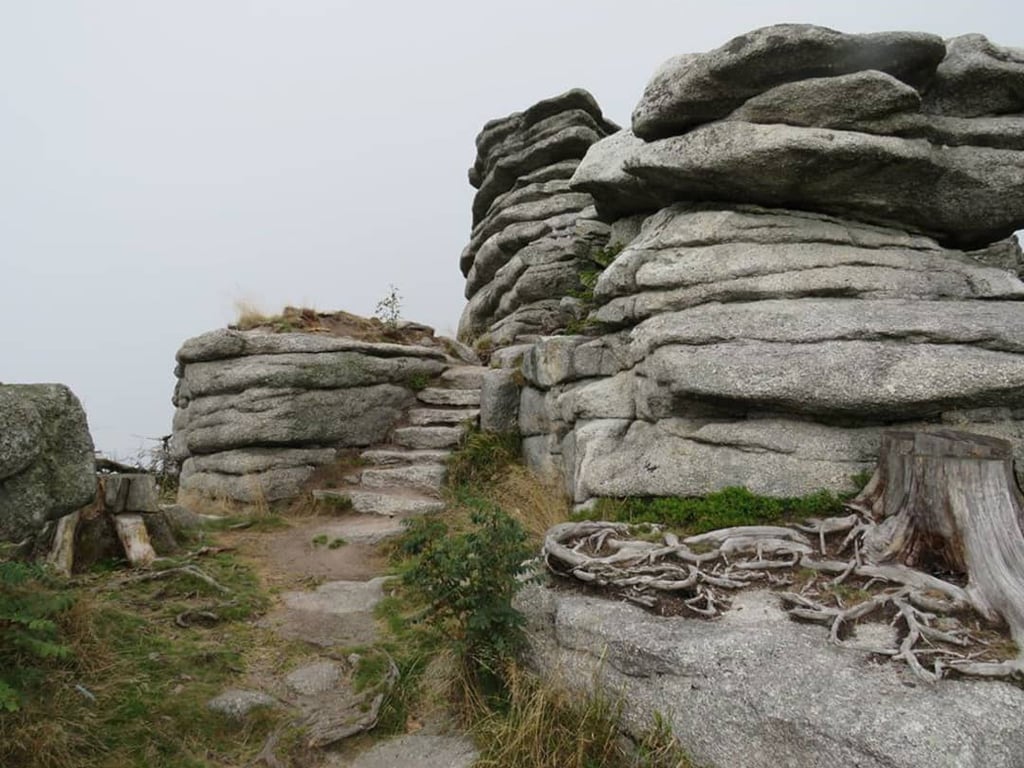
Tucked away in a remote, forested region along the Austria-Germany border lies a sprawling, enigmatic landscape known as the "Sea of Stones" (or Steinernes Meer in German).
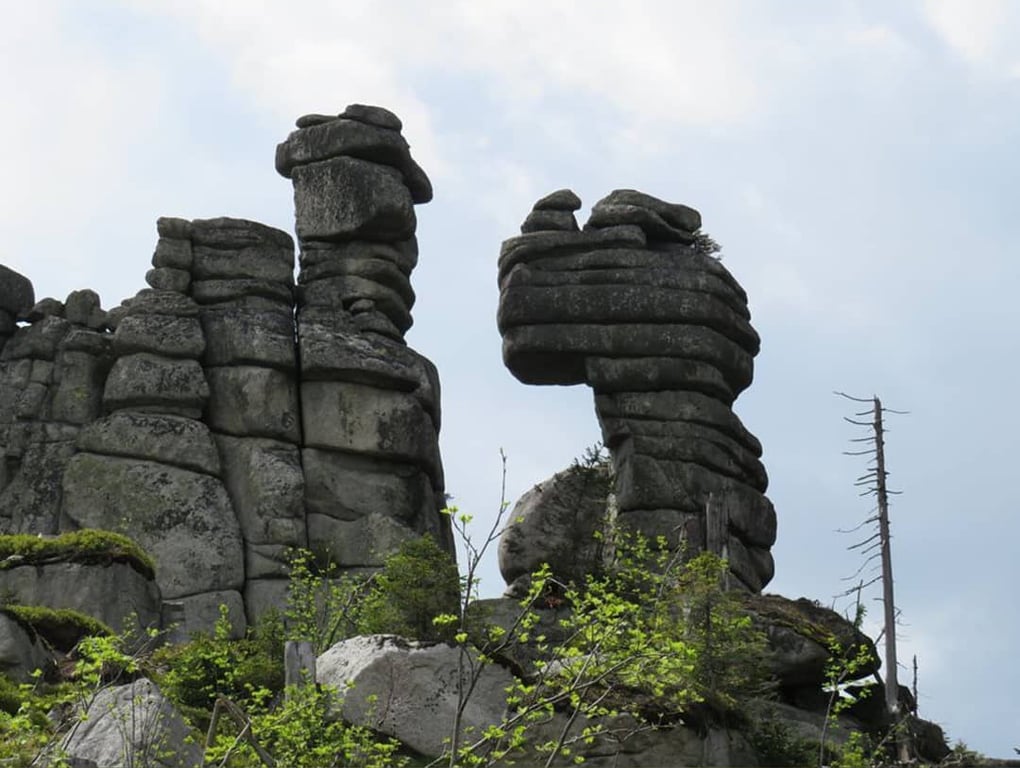
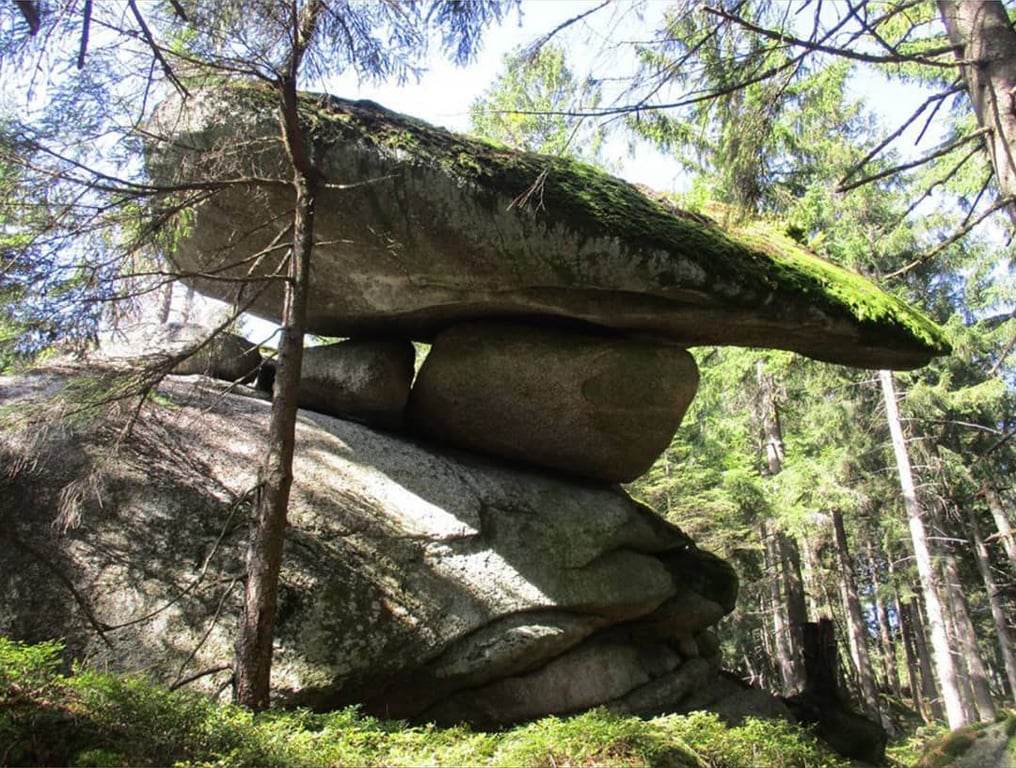
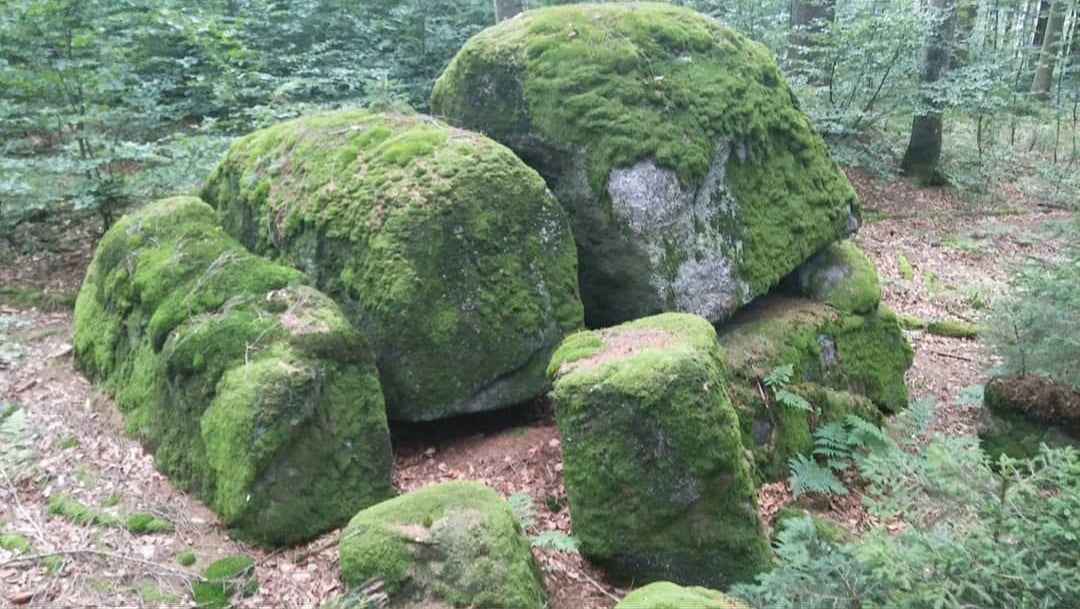
This lesser-known site, distinct from the famous alpine karst plateau of the same name in the Berchtesgaden Alps, consists of a vast accumulation of massive boulders scattered across hilly terrain in the Bohemian Forest / Bavarian Forest / Mühlviertel area. Spanning potentially several square kilometers amid dense woodland, the field features hundreds - if not thousands - of large granite and gneiss blocks, many unusually positioned, balanced, or shaped in ways that have captured the imagination of independent researchers and explorers.
Geological Background and Unusual Features
Geologically, this region belongs to the ancient Bohemian Massif, a stable crystalline basement formed over 300 million years ago during the Variscan orogeny. The boulders are primarily glacial erratics - rocks transported and deposited by Ice Age glaciers - or the result of periglacial frost shattering and block fields that developed during colder periods. The underlying bedrock, often granitic or metamorphic, weathers into rounded or angular blocks that accumulate in depressions or on slopes, creating a chaotic "sea" of stone partially hidden by forest cover.
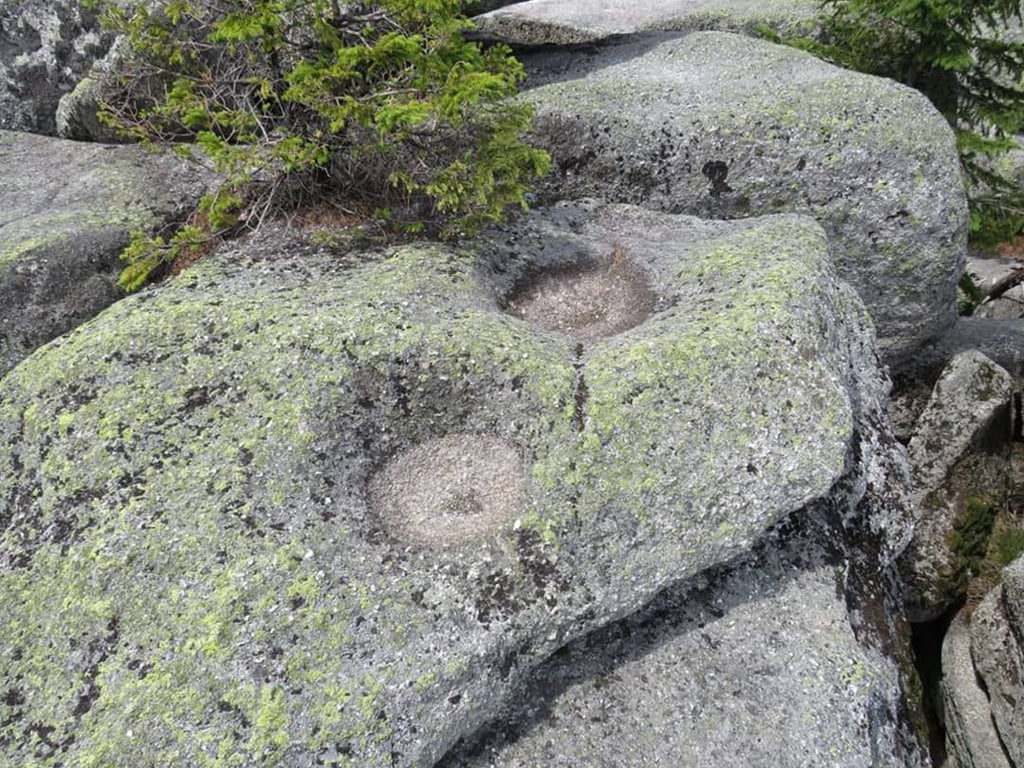
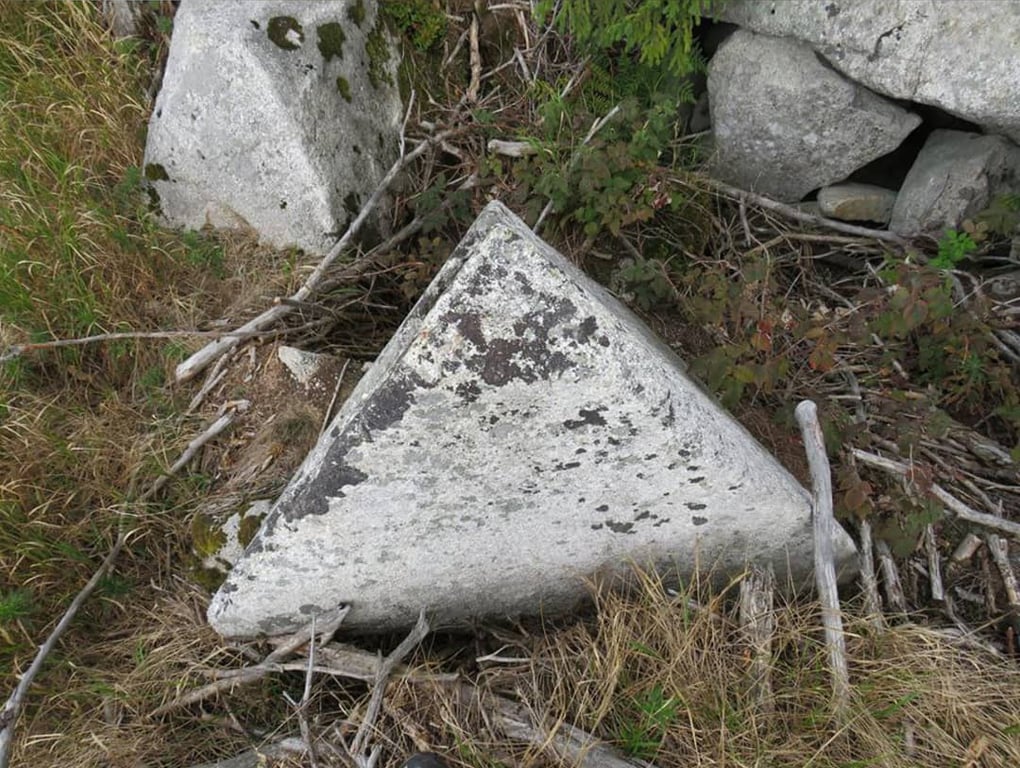
What sets this particular site apart are its denser concentrations and some strikingly anomalous arrangements: stones that appear stacked, aligned in rows or circles, balanced precariously, or featuring flat surfaces and right angles that seem too deliberate for pure chance. Sinkhole-like depressions, possible natural cavities, and areas of unusual acoustic properties add to the intrigue.
The site's elevation (roughly 800–1,200 meters) and thick vegetation make it far less accessible and visible than open alpine equivalents, contributing to its hidden, almost secretive character. Visitors often describe an intense, melancholic atmosphere - quiet, shadowed, and heavy with an indefinable "energy" that feels sorrowful or ancient.
Prehistoric Connections and Alternative Theories
Mainstream archaeology records no major prehistoric monuments or settlements directly at this exact location. The broader Bohemian/Bavarian border region has evidence of Neolithic activity (from around 5500 BCE), including stone tools, burial sites, and early farming communities, as well as later Bronze and Iron Age traces. Megalithic structures like menhirs and dolmens exist elsewhere in Central Europe (e.g., in the nearby Czech Republic or southern Germany), but nothing officially cataloged here rises to the level of a recognized complex.
Independent researchers, notably Austrian explorer Gunnar Hiptmair and like-minded enthusiasts, argue otherwise. Through extensive fieldwork, photography, and documentation shared in alternative history communities, they propose that many of the stone features show signs of human modification - possible megalithic alignments, dolmen-like structures, menhir candidates, or remnants of ceremonial sites.
Weathering patterns on some blocks suggest extreme age, potentially tens of thousands of years, pushing back into the Upper Paleolithic or earlier. Parallels are drawn to paradigm-shifting discoveries like Göbekli Tepe in Turkey (circa 9600 BCE), which revealed sophisticated stonework far older than conventional timelines allow. Proponents speculate about underground chambers or resonance features, hinting at a lost prehistoric culture capable of advanced stone manipulation in this part of Europe.
These interpretations remain outside mainstream consensus. Geologists and archaeologists typically attribute the arrangements to natural processes—glacial deposition, solifluction, or frost heave - combined with pareidolia (the tendency to see intentional patterns in random forms). No peer-reviewed studies or excavations have confirmed artificial origins here, and the site's inaccessibility has limited formal investigation.
Exploring the Site Today
Reaching the Sea of Stones requires off-trail hiking in a border zone, with no marked paths leading directly to the most intriguing clusters. The area is part of protected natural landscapes on both sides of the frontier, so visitors should respect regulations, carry proper gear, and be mindful of wildlife and weather. The dense forest and uneven terrain make navigation challenging - GPS coordinates serve as a starting point, but local knowledge or guided exploration (as practiced by researchers like Hiptmair) is advisable.
In an era when new archaeological finds continue to reshape our view of human prehistory, places like this borderland Sea of Stones serve as quiet reminders of how much remains unexplored. Whether a product of nature's random artistry or echoes of forgotten hands shaping stone, its silent boulders invite wonder, reflection, and the ongoing quest to understand our deep past.
The Sea of Stones — photo gallery
The Sea of Stones — collectible cards
Collectible cards for this site — AI-generated illustrations from our memory game, not photographs of the site.