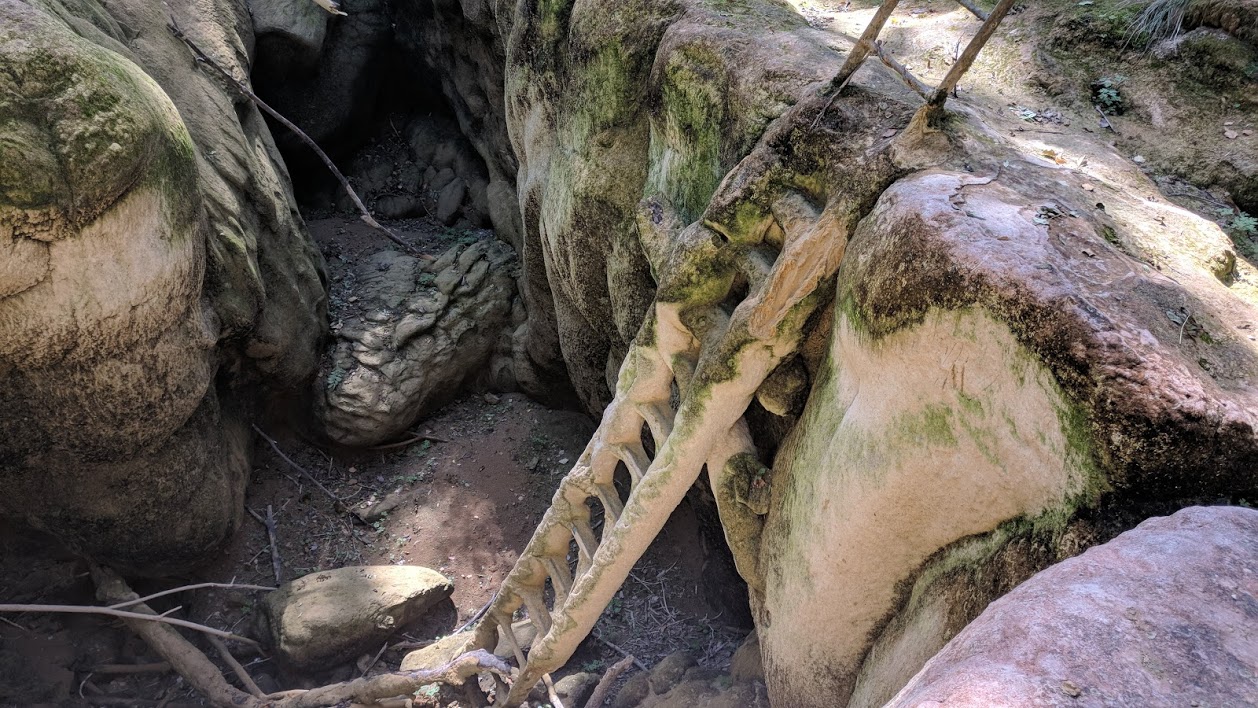
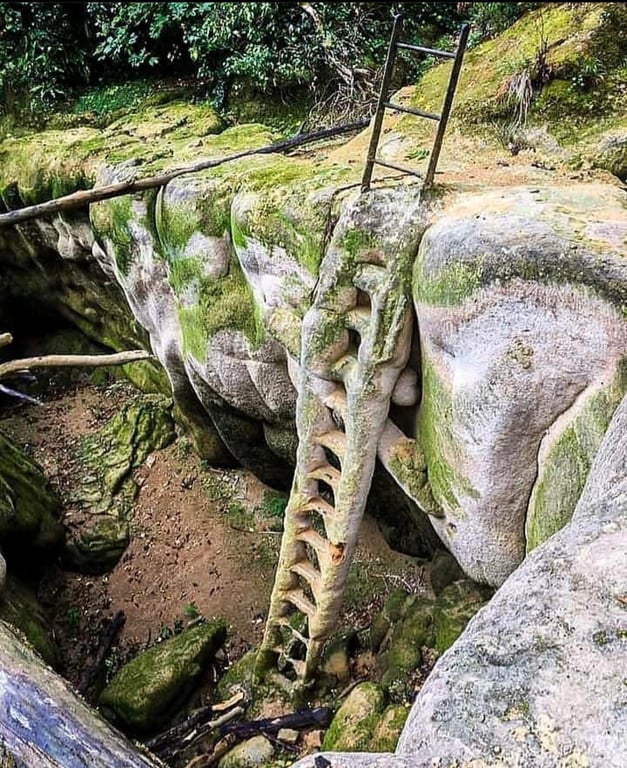
Imagine stumbling upon a rusty iron ladder that looks like it stepped straight out of a fantasy novel - encased in a thick, stone-like shell, as if Mother Nature decided to fossilize it in place. This is no myth; it's the famous **petrified iron ladder**, a captivating example of geological wizardry tucked away in the scenic Jura region of France.
Often shared in viral posts, like the
2021 Reddit sensation in r/interestingasfuck that racked up over 75,000 upvotes, this hidden gem has sparked endless fascination. But what's the real story behind this **calcified ladder**? Let's dive into its history, science, and why it's a must-see for nature lovers.
Location and Discovery: Hidden in the Heart of Jura's Karst Wonderland
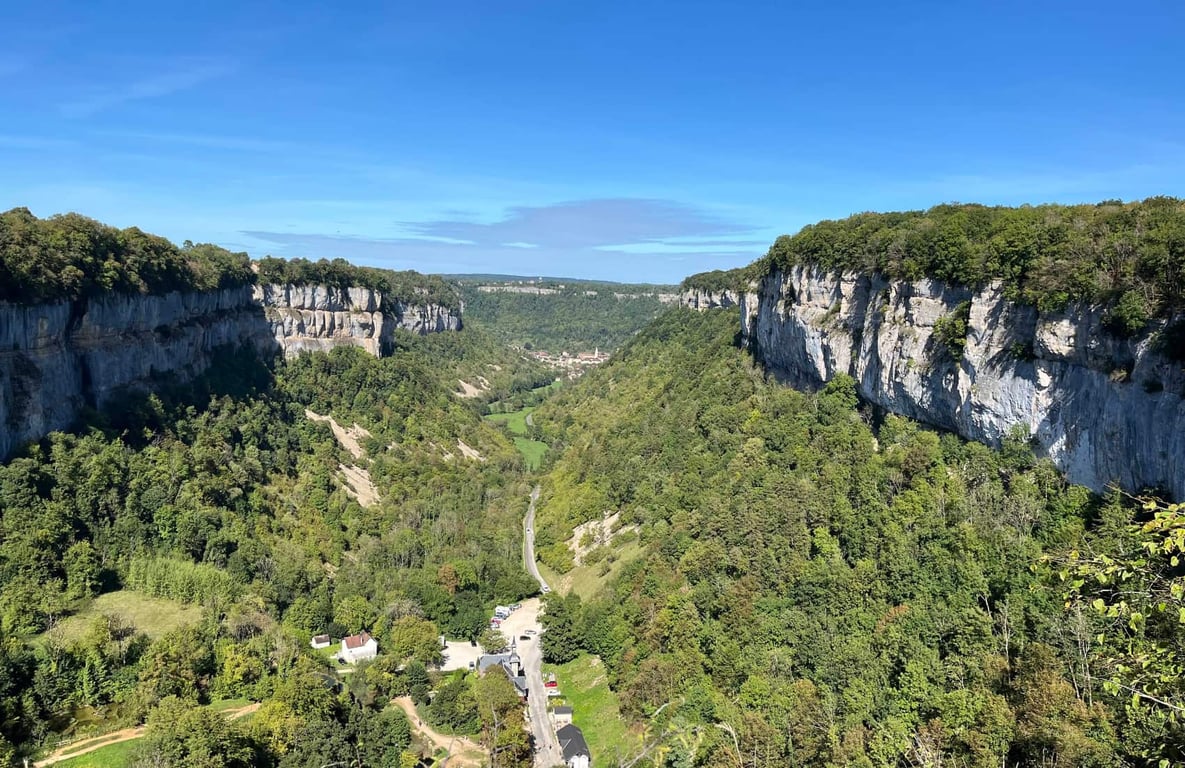
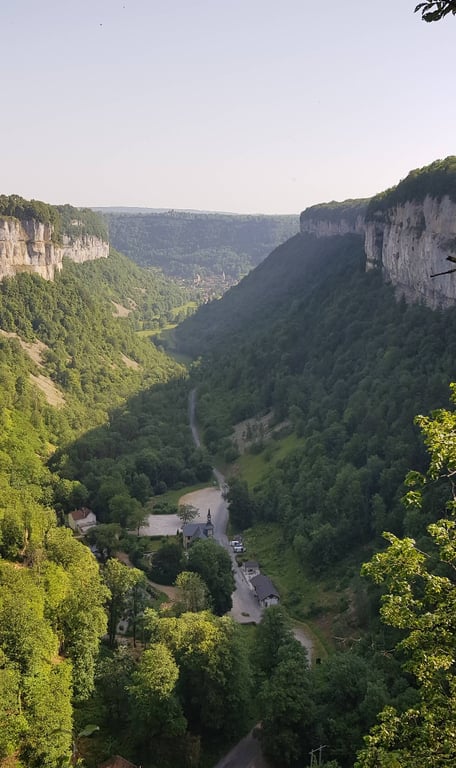
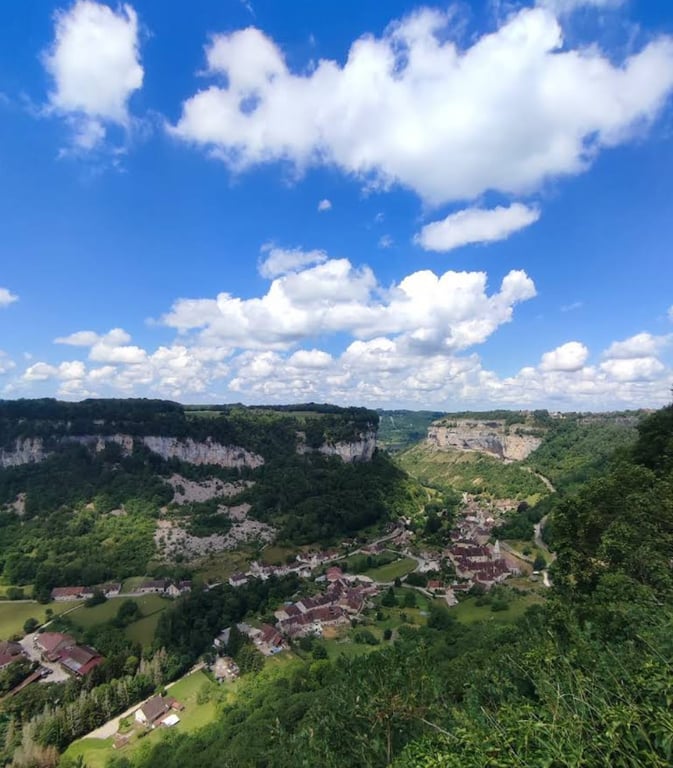
Nestled south of Baume-les-Messieurs, near the stunning Grottes de Baume caves, the **petrified iron ladder** resides in a remote dry streambed. This limestone-rich karst landscape, carved by eons of water erosion, is a hiker's paradise in eastern France. The ladder emerged into view during an unusually dry summer, exposed like a buried treasure in the forested terrain.
Coordinates point to a secluded spot (search "Grottes de Baume streambed" for maps), accessible only by foot along the rocky bed. Installed likely in the 19th century - perhaps for maintenance access to nearby caverns or paths—this humble iron structure has stood the test of time, now partially buried and transformed by its surroundings.
What makes this site special? The Jura's geology, with its abundant calcium carbonate from dissolving limestone, creates perfect conditions for rapid mineral buildup. Travellers to France seeking **unique natural formations** or **off-the-beaten-path adventures** should add this to their itinerary—it's a short detour from the village's famous cheese trails and cliffs.
The Science: Calcification, Not Petrification - Unraveling the Misnomer
At first glance, the ladder's rungs and sides appear turned to stone, coated in a rugged, stalagmite-like layer up to several inches thick. But here's the key distinction: this isn't true **petrification**. Petrification replaces organic material (like wood) with minerals, a slow process over millennia. For inorganic iron, it's **calcification**—a surface deposition of calcium carbonate, similar to limescale in your kettle but on a grand scale.
How does it happen? Rainwater, slightly acidic, seeps through limestone, dissolving calcium and magnesium ions. As it evaporates or flows over the iron, these minerals precipitate out, layer by layer, forming a hard travertine shell. Experts in Reddit discussions, including geologists and technicians, note this can occur surprisingly fast. In mineral-rich karst environments, buildup of a quarter-inch per month isn't unheard of - think cooling towers or even teddy bears "fossilized" in waterfalls, as highlighted in Tom Scott's viral video. Over 150 years, the ladder's exposure in the intermittent streambed allowed this natural encasement, preserving the iron core beneath.
This phenomenon, sometimes called permineralization, showcases nature's efficiency. It's a reminder of how **karst landscapes** accelerate geological processes, turning everyday objects into art. Fun fact: Similar "calthemites" form on modern structures worldwide, proving this isn't a one-off miracle.
Today, in 2025, it inspires eco-tourism, drawing adventurers to witness climate-exposed wonders amid France's changing seasons.
The **petrified iron ladder** isn't just a quirky relic; it's a testament to geological artistry, blending human history with nature's alchemy. Whether you're into **French natural wonders**, **calcification science**, or Instagram-worthy hikes, this 150-year-old icon beckons.
Plan your Jura escape - who knows what other secrets the streambed holds?
Stand in that Jura ravine at dawn and the iron ladder feels wrong - like someone pasted a piece of the 19th century into a world that ended long ago.
No plaques, no gift shop, no warning signs. Just a silent metal skeleton wearing several kilograms of freshly grown limestone like battle armor. Here are the angles nobody talks about.
The Speed Run That Humiliates Paleontology Textbooks
Dinosaurs needed 66 million years and perfect burial conditions to leave us decent bones. This ladder, forged sometime around the Crimean War, has already beaten them. In under two human lifetimes it has grown a travertine exoskeleton thick enough to stop a .45-caliber bullet. The mechanism is almost violent: flash floods saturated with dissolved limestone slam against the rungs, then vanish for months, forcing instant precipitation.
A Working Replica of the Younger Dryas Chaos Engine
12,800 years ago, Earth suffered the Younger Dryas: a century-long return to ice-age cold triggered by megafloods of biblical scale. Those floods didn’t just move sediment; they weaponized it. Limestone dissolved in continental quantities was dumped into river systems, creating travertine barrages that swallowed entire bison herds in weeks (see the famous “Cody-age” deposits in Wyoming).
The Jura ladder is running the same software, just on a garden-scale map. Same chemistry, same temperature swings, same apocalyptic water chemistry. It’s a living diorama of the conditions that ended the Clovis culture and probably inspired every flood myth humans ever told.
The Iron That Outlived Its Civilization - On Purpose
Wrought iron from the 1860s should be lacework rust by now. Oxygen, water, and time are supposed to win. Yet the travertine shell acts as a perfect anaerobic vault. Chip a corner and the metal underneath still rings like a bell. This isn’t preservation by accident; it’s preservation by hostile takeover.
The stone is literally eating the ladder to save it - an act of parasitic immortality. In a few centuries the iron will be a fossilized core inside a natural obelisk, the geological version of a ship in a bottle.
Echoes of Lost Technologies Nobody Admits Existed
Long before the internet discovered the ladder, 17th-century Jesuit explorers in China reported “stone bridges” that rang hollow when struck - ancient iron frameworks later proven to be Song-dynasty reinforcements encased by dripstone in exactly the same way.
Roman aqueducts in Turkey and Portugal show the same syndrome: iron cramps and clamps now floating inside massive calcite bricks. The Jura ladder is simply the youngest member of a very old, very quiet club - objects that slipped through time by letting the planet grow armor around them.
The Anthropocene’s First Deliberate Fake Fossil
Here’s the darkest twist: in 500 or 5,000 years, nothing about this formation will scream “19th-century artifact.” The shape will read as a natural cave column with weirdly regular voids. Only a diamond saw and a metallurgist will prove otherwise.
We have accidentally created the perfect deception for future civilizations - or for whatever comes after us. The ladder is patient zero for a new category of pseudo-fossil: human relics deliberately disguised as natural geology by the planet itself.
Look at it long enough and you start hearing the faint laughter of deep time. It isn’t preserving our history. It’s erasing the evidence while keeping the punchline.