Talampaya National Park
Towering ochre canyons reveal fossil secrets and petroglyph narratives etched by ancient peoples.
Talampaya National Park, a UNESCO World Heritage Site located in the province of La Rioja, Argentina, is a geological marvel and a treasure trove of paleontological and archaeological discoveries. This stunning natural sanctuary, encompassing vast red sandstone formations, tells a story spanning millions of years, from the age of dinosaurs to early human settlement. Visitors to Talampaya are transported to a primordial landscape where ancient riverbeds carve through towering cliffs, revealing secrets of Earth’s distant past.
Historical Background
The geological history of Talampaya National Park primarily revolves around the Triassic Period, approximately 250 to 200 million years ago. During this epoch, the region was characterized by humid conditions and extensive floodplains fed by ancient rivers. Sediments deposited over vast periods eventually solidified into the magnificent sandstone layers we see today.
Subsequent tectonic activity and intense erosion by wind and water sculpted these formations into the dramatic canyons, pillars, and natural sculptures that define the park's iconic landscape. This unique geological process makes Talampaya a world-renowned site for understanding Triassic environments and the evolution of vertebrates.
Notable Features
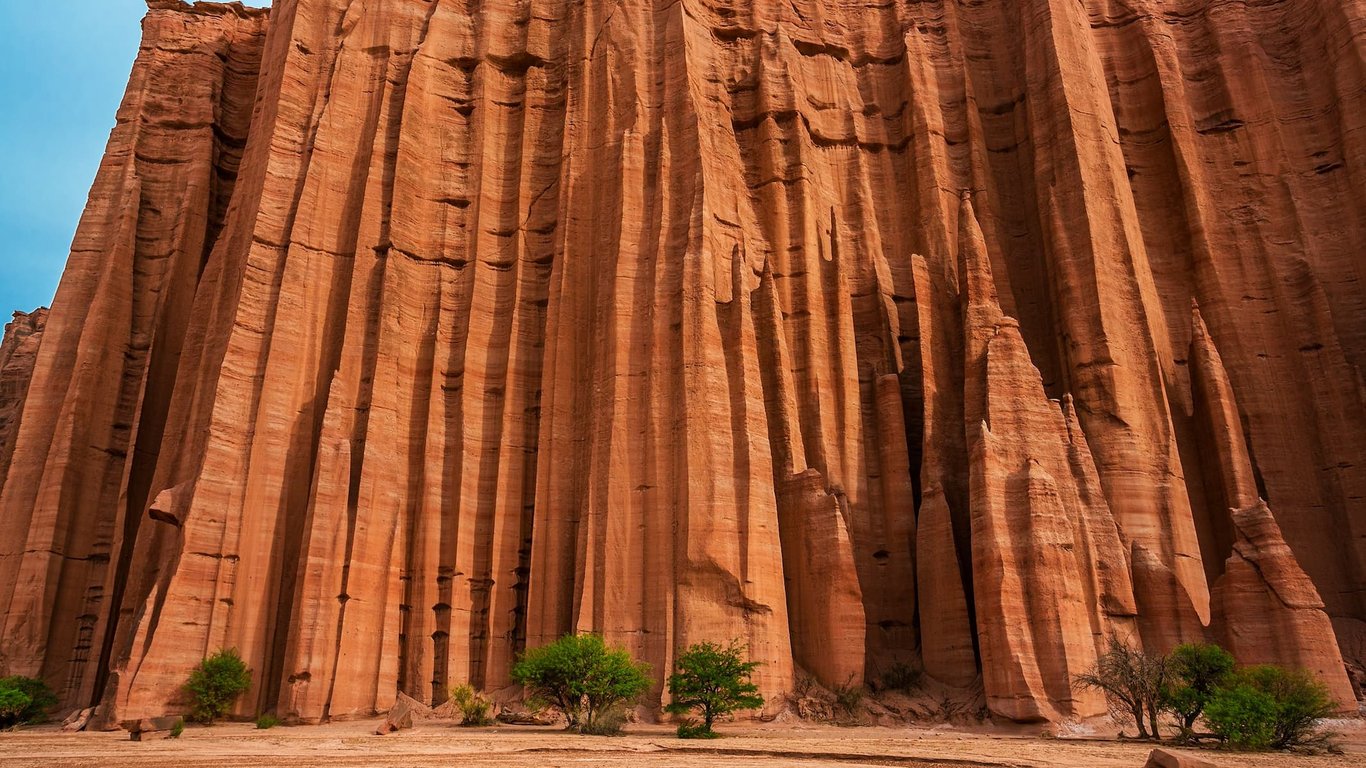
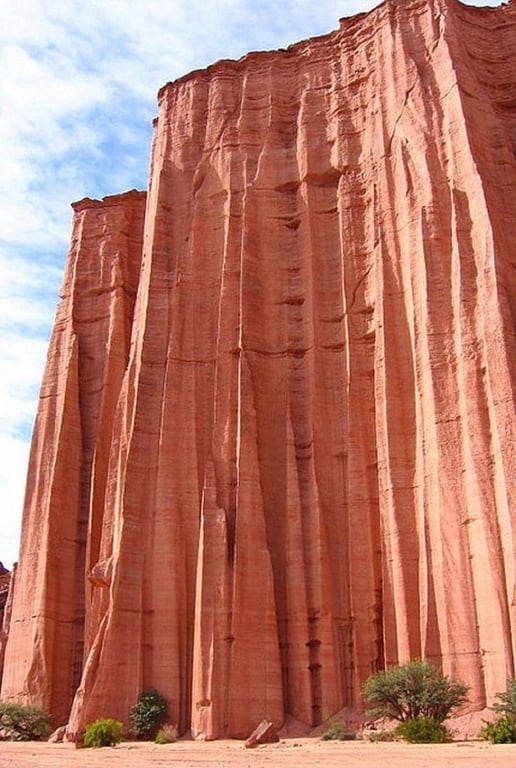
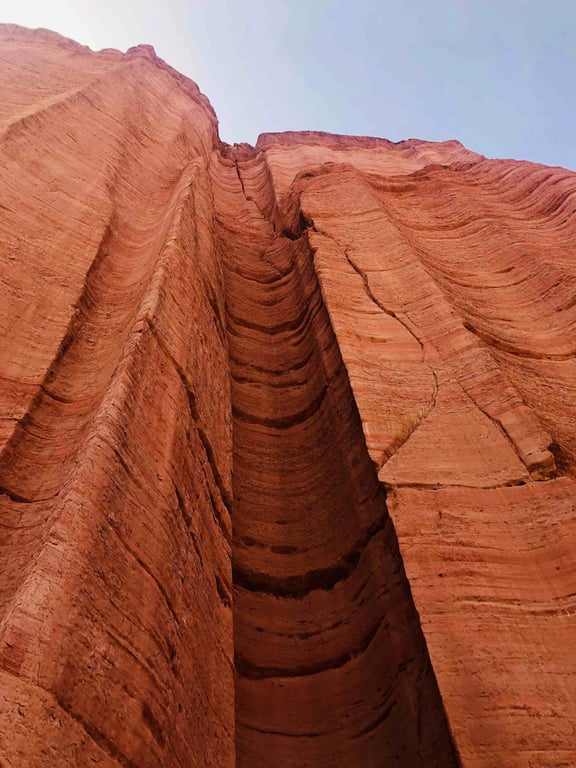
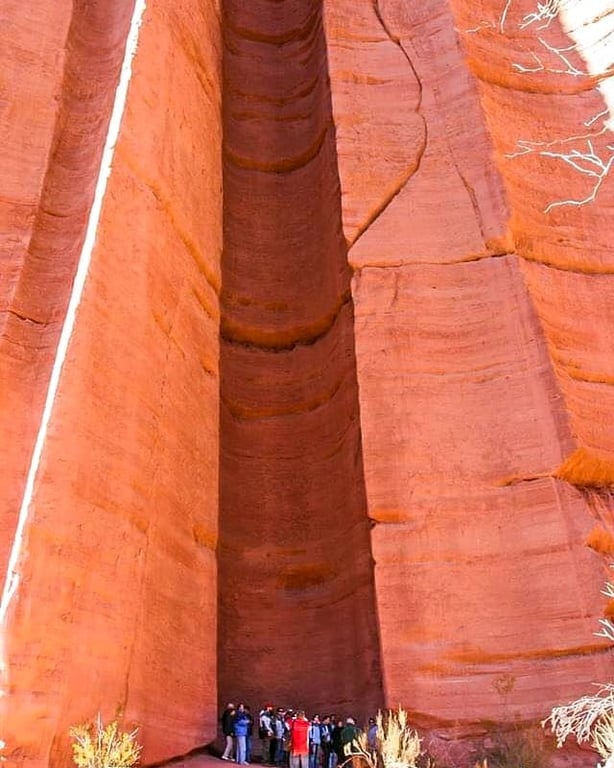
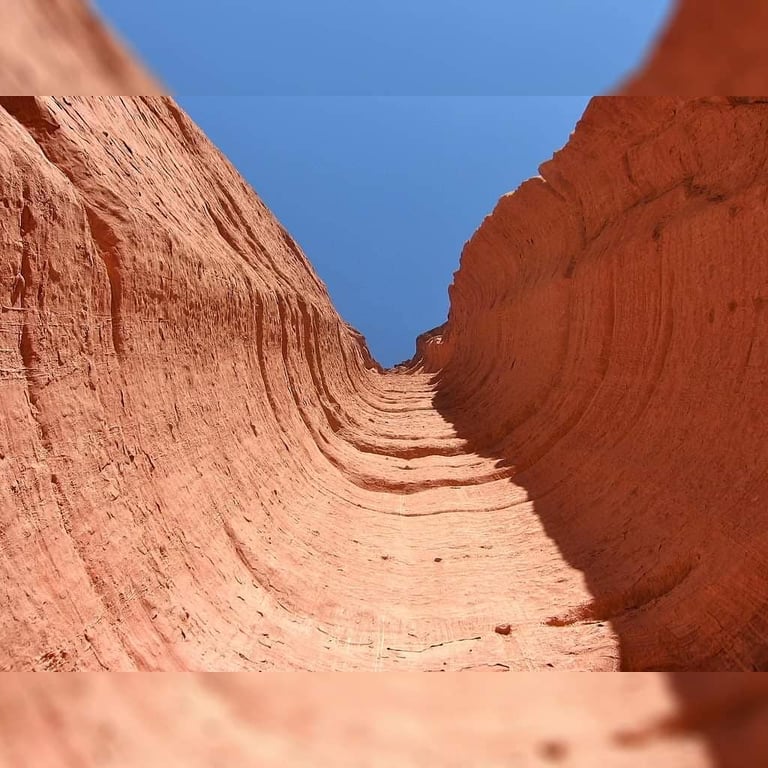
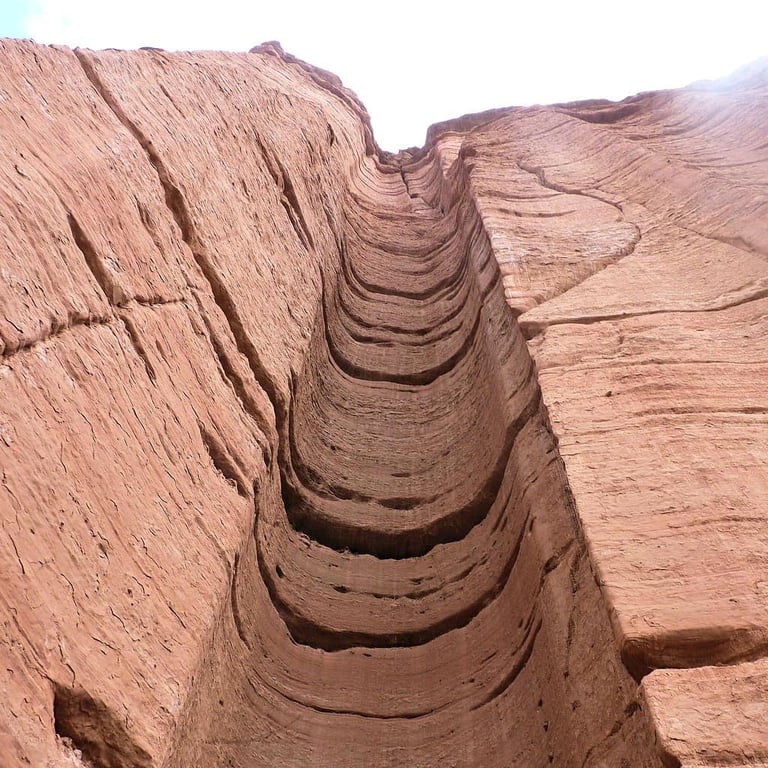
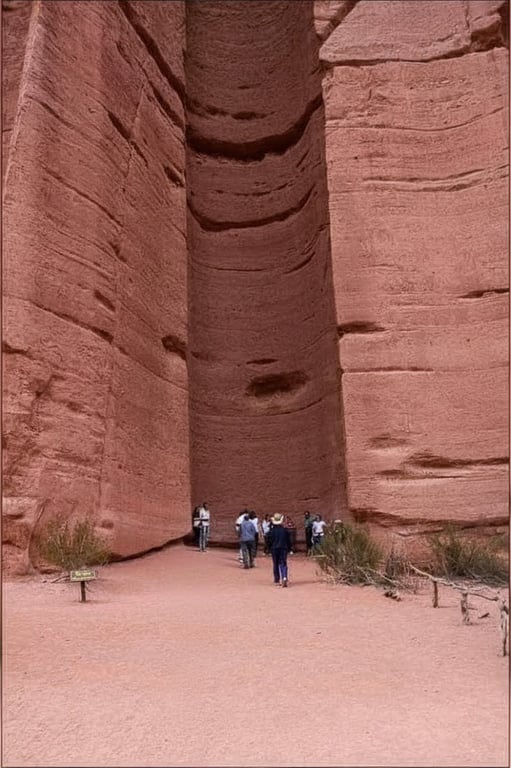
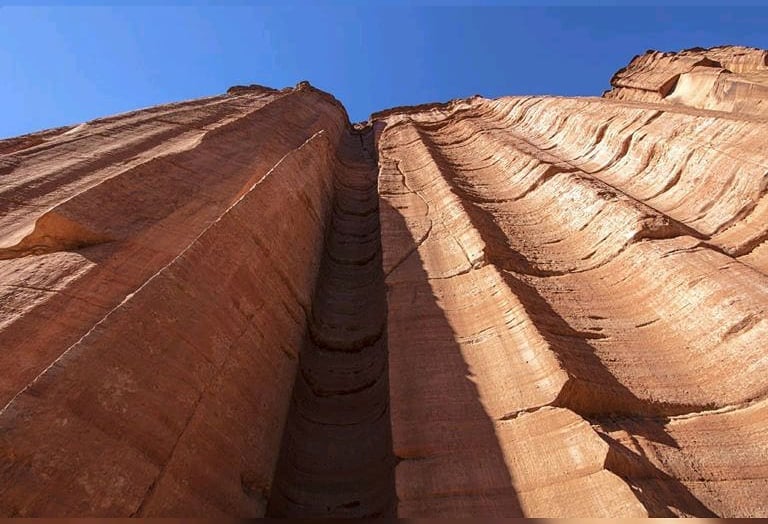
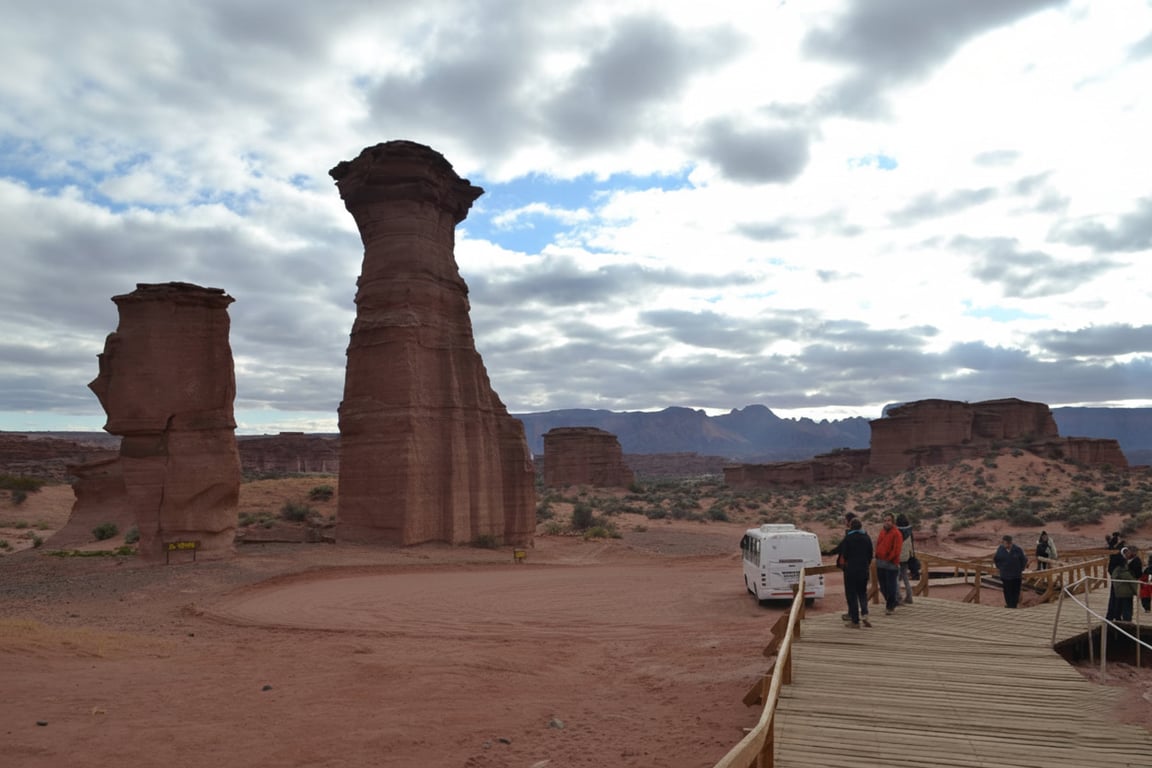
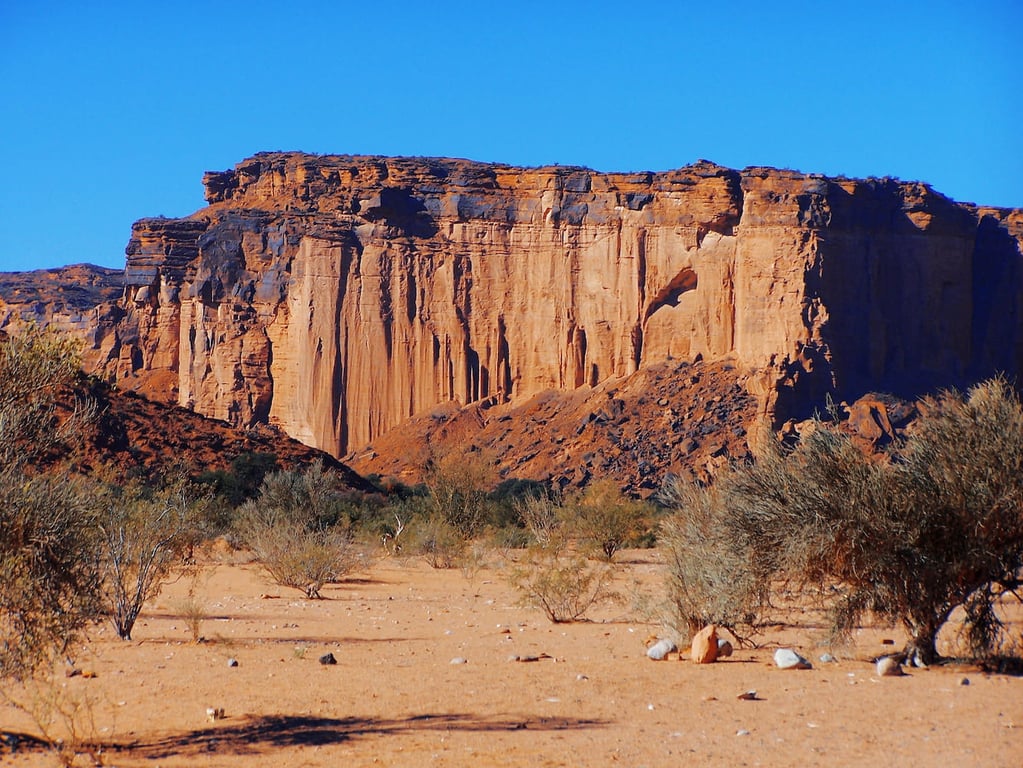
Talampaya National Park is celebrated for its breathtaking red rock scenery. The park's most prominent features are its massive, vertical canyon walls, often reaching hundreds of feet in height, carved by the Talampaya River. These walls display a striking array of colors, from deep reds and ochres to more subtle yellows and browns, reflecting varying mineral compositions. Iconic formations include the "Monk" (El Monje), a pillar resembling a cloaked figure, and the "Cathedral" (La Catedral), a series of sheer cliffs that evoke a grand architectural structure.
Dinosaur fossils, including those of early dinosaurs and their contemporaries, have been extensively discovered within the park's formations, offering invaluable insights into Triassic ecosystems. The arid climate and unique geology also support a specialized ecosystem of desert flora and fauna, including guanacos, maras, and condors.
Cultural & Archaeological Importance
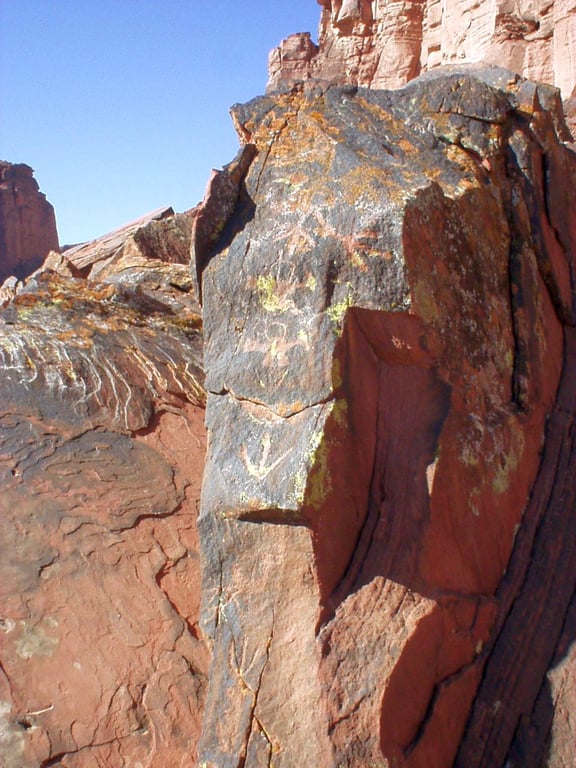
Beyond its geological and paleontological significance, Talampaya National Park holds profound cultural and archaeological importance. Evidence of ancient human habitation dating back thousands of years has been found within its canyons and rock shelters. The most compelling archaeological features are the numerous petroglyphs (rock carvings) and pictographs (rock paintings) left by indigenous peoples, likely ancestors of the Diaguita.
These artworks depict human figures, animals, geometric patterns, and ritualistic symbols, offering glimpses into their spiritual beliefs, daily lives, and understanding of their environment. Sites like the Puerta de Talampaya and the Los Cajones area exhibit well-preserved examples of this ancient rock art, providing a vital connection to the region's pre-Columbian history and the cultural heritage of its earliest inhabitants.
Preservation
Recognized for its outstanding universal value, Talampaya National Park was designated a UNESCO World Heritage Site in 2000, jointly with the nearby Ischigualasto Provincial Park (Valley of the Moon). This status underscores the park's importance for scientific research, conservation, and public enjoyment. Argentine authorities actively manage the park to protect its delicate geological formations, fossil sites, archaeological treasures, and unique biodiversity.
Strict regulations are in place to ensure minimal human impact, with controlled access and guided tours being the primary means for visitors to experience its wonders responsibly. Ongoing research and monitoring contribute to its preservation, ensuring that Talampaya National Park continues to be a vital natural and cultural asset for future generations.
While Talampaya National Park is celebrated for its dramatic red rock canyons and dinosaur fossils, a deeper gaze reveals layers of intriguing narratives often overlooked by mainstream archaeology. Beyond the geological grandeur and impressive paleontological finds lies a less-trodden path, filled with whispers of ancient ceremonies, enigmatic glyphs, and unproven theories that challenge our understanding of its past inhabitants and their cosmic connections.
Lesser-known Historical Facts
Few realize that long before the Inca Empire stretched its formidable reach, the region around Talampaya was a crossroads for a diverse tapestry of pre-Hispanic cultures. While the Diaguita and Capallán peoples are acknowledged, less attention is given to the subtle distinctions in their petroglyphs, suggesting distinct spiritual beliefs and artistic conventions within the same geographical sphere.
Some researchers posit that certain clusters of rock art, particularly those depicting anthropomorphic figures with elaborate headgear or geometric patterns, might represent early stages of shamanic initiation rites, rather than mere communal records.
Furthermore, archaeological excavations have unearthed an unusual proliferation of ceramic shards with distinct design motifs that do not easily fit into recognized cultural classifications. Could these represent transient groups, trading cultures, or even uncatalogued indigenous populations whose presence in Talampaya remains largely a mystery, leaving behind only tantalizing fragments of their existence?
Legends & Folk Tales
The Cueva del Chaman and the Spirit World
Local folklore speaks of the "Cueva del Chaman" (Shaman's Cave), a specific, though often undisclosed, cavern within the vast park that is believed to be a powerful portal to the spirit world. Indigenous elders tell tales of shamans entering deep trances within its confines, emerging with visions and messages from ancestors and nature spirits.
The cave is said to possess peculiar acoustic properties, amplifying certain sounds and creating an almost hypnotic resonance that aids in altered states of consciousness. While modern archaeology focuses on the material remains, the spiritual significance of such sites to ancient peoples undoubtedly shaped their interaction with the landscape.
Controversies
One captivating, albeit controversial, theory proposes that Talampaya's unique geological formations, particularly the colossal sandstone walls and monumental rock pillars, were not merely a backdrop but an active component in the spiritual and astronomical practices of its ancient inhabitants.
Some researchers have noted a striking alignment of certain rock shelters and petroglyph sites with solstices and equinoxes, suggesting a sophisticated understanding of celestial cycles. Could certain rock formations have acted as natural observatories or even giant sundials, their shadows cast on specific dates marking important agricultural or ceremonial timings?
Another debate centers on the interpretation of certain zoomorphic petroglyphs. While conventionally identified as pumas, guanacos, or condors, a minority of scholars suggest some abstract or stylized animal figures might represent creatures from the underworld or mythical beings described in ancient Andean cosmology, reflecting a deeper, symbolic narrative rather than a literal depiction of fauna.
Mysterious Connections
Could there be a deeper, albeit unproven, connection between Talampaya’s distinctive rock art and parallel motifs found in other ancient South American sites? Some researchers point to stylistic similarities in certain geometric patterns and abstract human-like figures between Talampaya and sites hundreds of kilometers away, sparking fascinating discussions about ancient trade routes, shared cosmologies, or perhaps even a common, influential cultural ancestor whose reach was far greater than currently understood. These subtle echoes across vast distances tantalize us with the possibility of a network of ancient knowledge and exchange that linked disparate communities, their stories etched into the very stones of Talampaya.
Talampaya National Park — photo gallery