Petrogriphia Bridge
Petrogriphia Bridge reveals millennia of human narrative etched directly onto a natural stone span. A compelling fusion of geology and artistry.
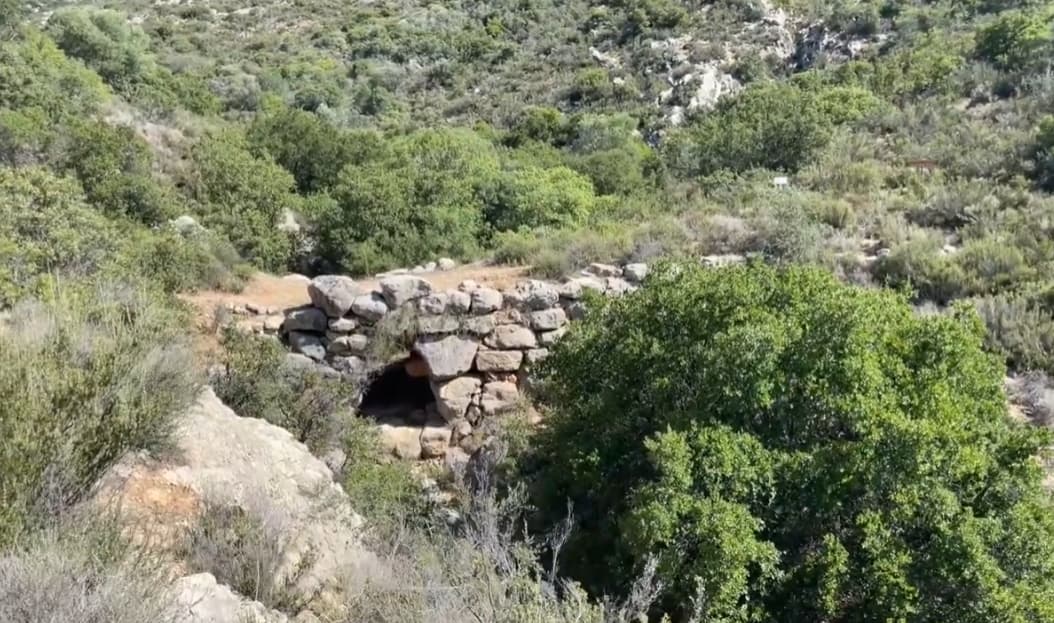
The story of Petrogriphia Bridge begins not with human hands, but with the patient chisel of geological forces. Formed over millions of years by wind and water erosion carving through vast sandstone cliffs, the bridge emerged as a breathtaking natural arch spanning a deep canyon.
Long before recorded history, early hominids likely recognized its unique strategic advantage, using it as a dependable crossing point. Archaeological evidence suggests rudimentary trails and temporary shelters dating back to the late Paleolithic era, marking Petrogriphia as one of the earliest continuously utilized passages in the region.
As Bronze Age cultures flourished, they began to subtly enhance the bridge, stabilizing natural pathways and perhaps adding early defensive features, cementing its role as a critical link in the nascent **ancient trade routes** that crisscrossed the early world.
The Dawn of Human Imprint
While nature laid the foundation, it was the ingenuity of ancient peoples that truly transformed Petrogriphia into the monumental structure we see today. Evidence points to successive civilizations, from early pastoralists to powerful empires, each leaving their indelible mark. Detailed carvings, some depicting mythical creatures and astronomical symbols, adorn the bridge's undersides and approaches, suggesting its growing spiritual and cultural significance. These additions were not merely decorative; they reinforced the bridge's structure and facilitated safer passage, making the Petrogriphia Bridge a true marvel of ancient engineering harmonizing with its natural origins.
Spanning an impressive width and soaring to a majestic height above the canyon floor, the **Petrogriphia Bridge** is a visual spectacle. Its massive sandstone arch, naturally sculpted, has been further refined by human hands over millennia. The main span exhibits a remarkable blend of natural erosion patterns with subtle, yet distinct, ancient masonry and reinforcement work.
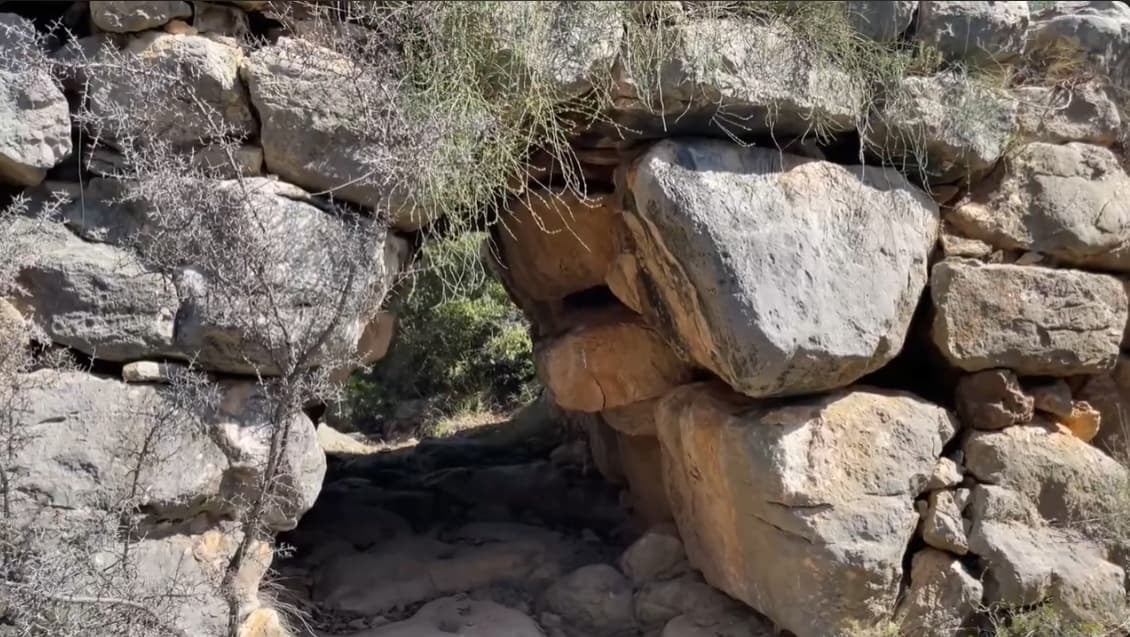
Closer inspection reveals intricate friezes and pictographs etched into the rock face, depicting scenes of ancient life, ceremonial processions, and the diverse flora and fauna of the region. These carvings are not uniform; they represent layers of artistic styles from different epochs, making the bridge a living gallery of ancient art and architectural evolution. The robust construction, a testament to its builders' understanding of geology and load-bearing principles, has allowed it to withstand countless centuries of natural wear and human activity, preserving its unique **physical features** for modern eyes.
Preservation in the Modern Era
Today, the Petrogriphia Bridge continues to captivate visitors and scholars alike. Recognized globally for its unique blend of natural beauty and human history, efforts are underway to ensure its long-term survival. Designated as a protected historical landmark, it faces challenges from natural erosion, seismic activity, and the increasing impact of tourism. Modern preservation techniques, combined with traditional knowledge, are being employed to monitor its structural integrity and conserve its delicate carvings.
Visitors to this extraordinary natural wonder can embark on guided tours, traverse ancient pathways, and immerse themselves in the rich tapestry of its past, experiencing firsthand the power and majesty of a bridge that has truly spanned the ages. The site offers breathtaking panoramic views, making it an unforgettable destination for those seeking to connect with the deep roots of cultural heritage and witness a monumental piece of global history.
```Petrogriphia Bridge, a marvel of natural erosion, captivates with its sheer geological grandeur. Yet, beneath the well-documented history of wind and water, and beyond the early human trails, lies a substratum of enigma – a realm where the stone itself seems to hold secrets far older and stranger than any textbook dares to admit.
For the discerning eye and the open mind, Petrogriphia offers not just a view, but a profound mystery, hinting at purposes and presences that defy conventional understanding.
The Chanting Stones of Petrogriphia
While guidebooks celebrate Petrogriphia's natural formation, they rarely delve into its peculiar acoustic properties. Scholars often overlook the subtle, non-representational etchings found in secluded alcoves beneath the arch, dismissing them as weathering or random marks. However, research suggests these aren't mere doodles, but deliberate sonic maps.
Certain spots within the canyon, when struck or chanted into, produce unusual harmonic overtones and reverberations that seem to defy typical sound physics, creating an almost hypnotic effect. Could an ancient, forgotten cult have understood and harnessed these "singing stones" for rituals far more complex than simple communication, perhaps for altered states of consciousness or even as a form of sacred energy manipulation?
Local lore, often dismissed as superstition, speaks of the bridge as a place where the veil between worlds thins, especially when certain sounds echo through its span. Elders whisper of specific chants, now lost, that could open pathways or summon unseen forces from the canyon's depths. These tales suggest Petrogriphia was not merely a crossing, but a finely tuned instrument, its natural architecture serving a sacred, sonic purpose that remains a haunting mystery to this day.
Many Indigenous traditions speak of the arch as a living entity, or at least a favored abode for powerful, ancient spirits. These "Watchers of the Stone" are said to protect the bridge, not from human trespass, but from those who would seek to exploit its deeper, hidden energies. Tales abound of strange, unexplained mists that materialize even on clear days, or fleeting, phosphorescent lights dancing under the arch after dusk, often attributed to these unseen guardians.
The Shifting Gateway and the Lost Souls
One particularly chilling legend warns against lingering too long under the arch at twilight. It speaks of the bridge becoming a "shifting gateway," momentarily disorienting travelers, leading them astray into hidden grottoes or causing them to experience uncanny temporal distortions.
There are fragmented accounts of individuals who, after spending a night near the bridge, returned with fragmented memories, or with an inexplicable sense of having aged years in a single evening, their eyes holding a distant, haunted look. Was this merely the terror of the wilderness, or something more profound and supernatural at play?
Echoes from the Global Grid
Another theory links Petrogriphia Bridge to a hypothetical global network of sacred sites. Researchers exploring "earth energies" and ley lines postulate that certain natural formations, like Petrogriphia, act as powerful energetic nodes. They point to similarities between the acoustic phenomena of Petrogriphia and those reported at other ancient, revered sites worldwide, both natural and man-made. This suggests a shared, forgotten knowledge among ancient cultures about harnessing telluric currents and geomantic energies.
Could the non-representational etchings at Petrogriphia, often dismissed as random, be symbolic representations of these energy flows, a kind of ancient geomantic map? This theory proposes that Petrogriphia was not an isolated marvel, but an integral component of a vast, interconnected system, designed to tap into, amplify, or even transmit Earth's subtle energies across continents.
While evidence remains circumstantial, the idea that Petrogriphia holds a key to understanding a lost global science of sacred geography is a truly captivating thought, inviting us to look beyond the visible stone and into the unseen forces that may have shaped its ancient significance.
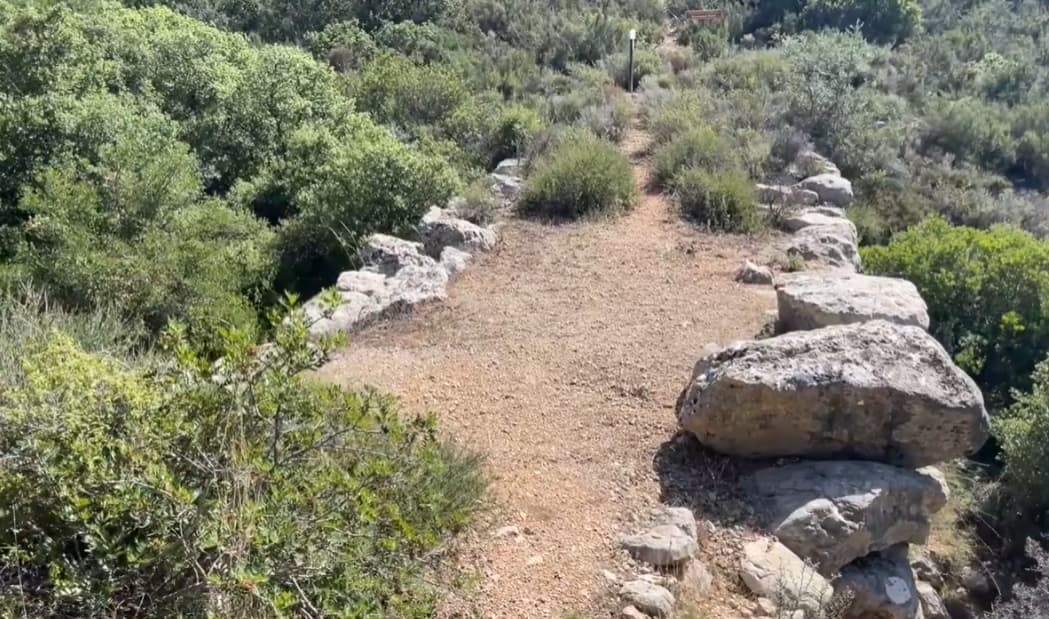
Petrogriphia Bridge — photo gallery
Petrogriphia Bridge — collectible cards
Collectible cards for this site — AI-generated illustrations from our memory game, not photographs of the site.