Palpa Lines Peru
Witness monumental geoglyphs etched into the desert, revealing impressive ancient art from above.
Nestled in the arid desert landscape of the Palpa Province in Peru, the Palpa Lines are a collection of ancient geoglyphs that often stand in the shadow of their more famous neighbors, the Nazca Lines.
However, these intriguing earth drawings hold immense archaeological and historical significance, offering a unique window into the creative and spiritual lives of pre-Incan cultures.
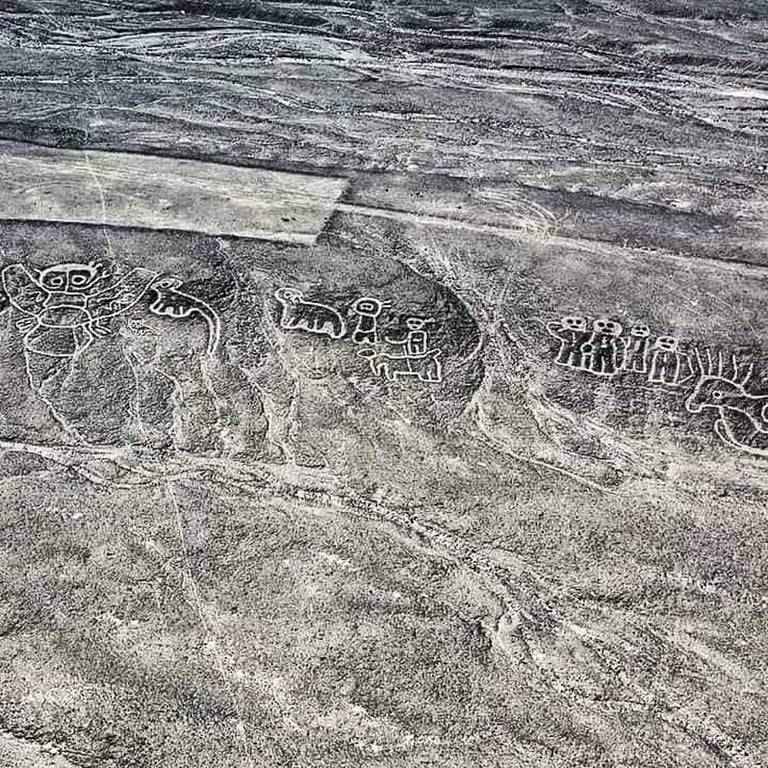
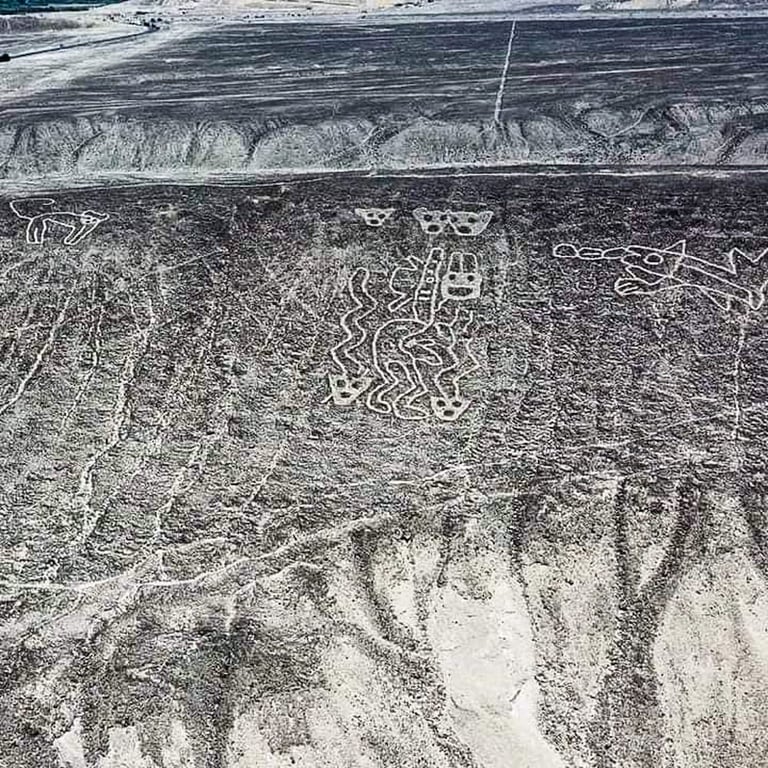
Spanning vast stretches of the desert plateaus, the Palpa Lines depict a diverse array of figures, from stylized humans and animals to intricate geometric designs, captivating researchers and visitors alike with their enduring mystery.
Historical Background
The Palpa Lines are attributed primarily to the Paracas culture, an advanced pre-Inca civilization that flourished in the region between approximately 800 BC and 200 AD. This predates the Nazca culture, suggesting that the tradition of creating large-scale geoglyphs in the Peruvian desert originated with the Paracas. Their society was known for its sophisticated textiles, cranial deformation practices, and agricultural prowess in a challenging environment.
The creation of these monumental ground drawings represents a significant undertaking, requiring extensive planning, communal effort, and a deep understanding of perspective and scale to be appreciated from a distance or above.
While the exact purpose of the Palpa Lines remains a debated topic, prevailing theories suggest they served various functions. These include astronomical calendars, markers for water sources, ritual pathways, or even symbols related to deities and agricultural fertility.
The Paracas people were deeply connected to their environment, and it is plausible that these geoglyphs played a vital role in their spiritual beliefs and practical survival strategies. The meticulous execution of these lines, some running for kilometers across rugged terrain, speaks to the advanced organizational capabilities of the Paracas culture.
Notable Features
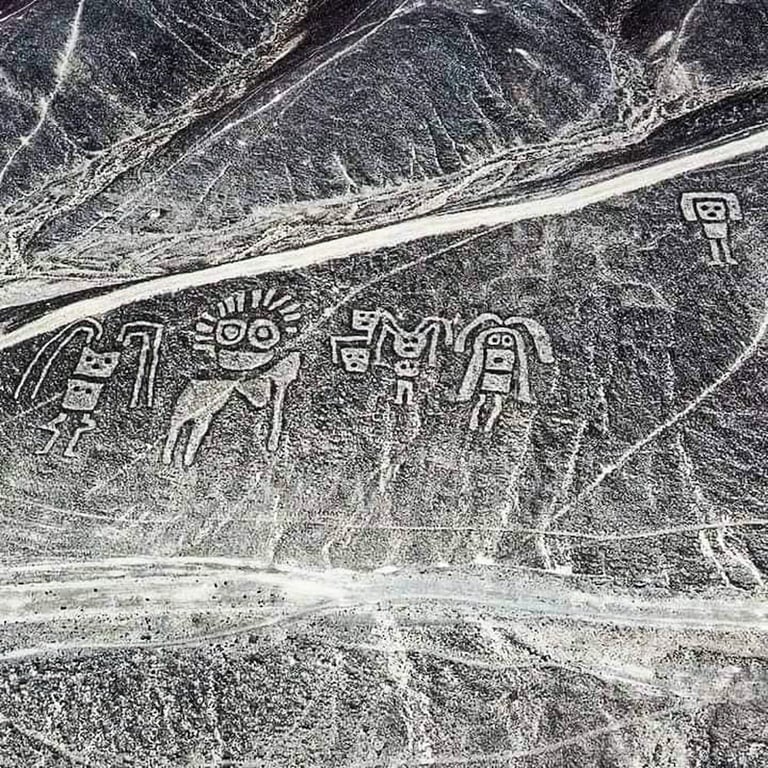
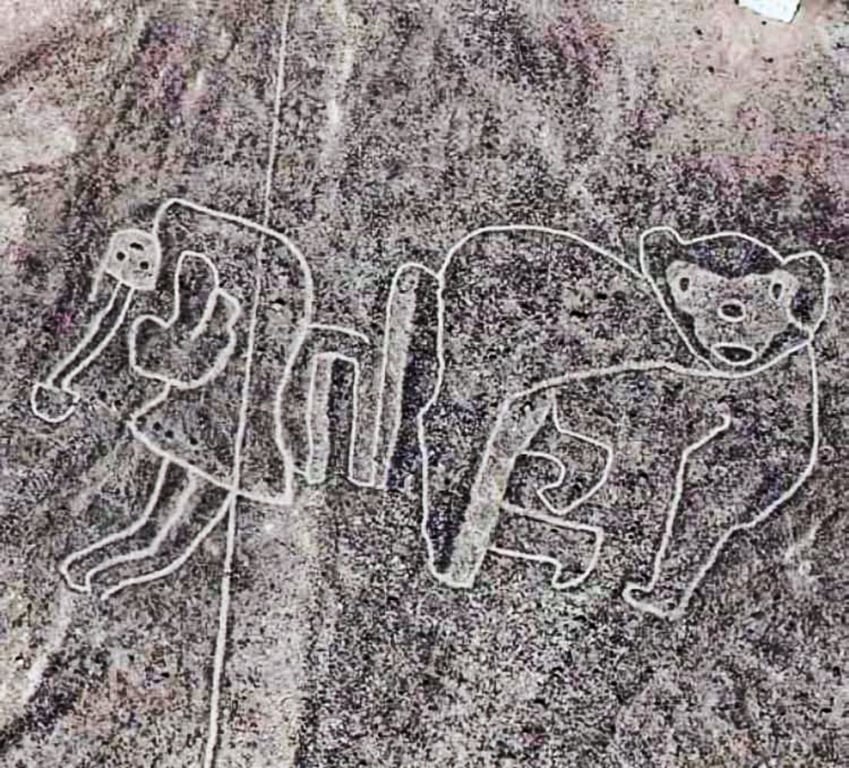
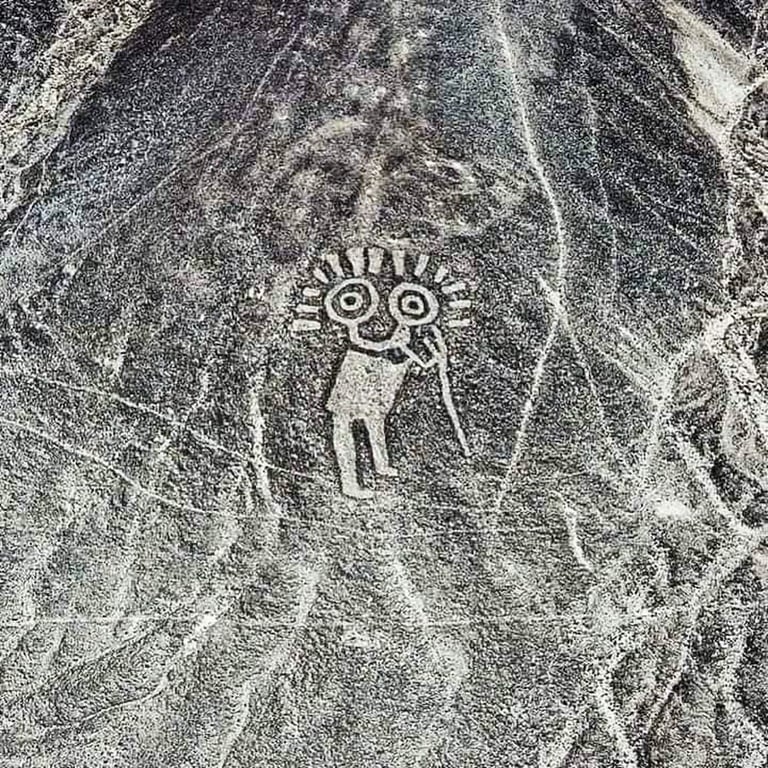
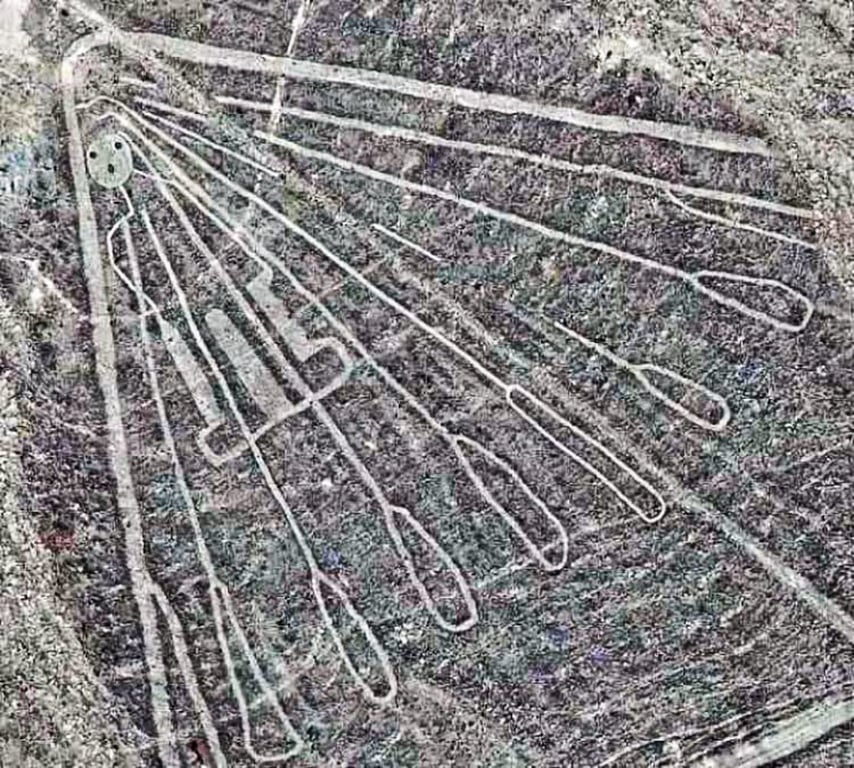
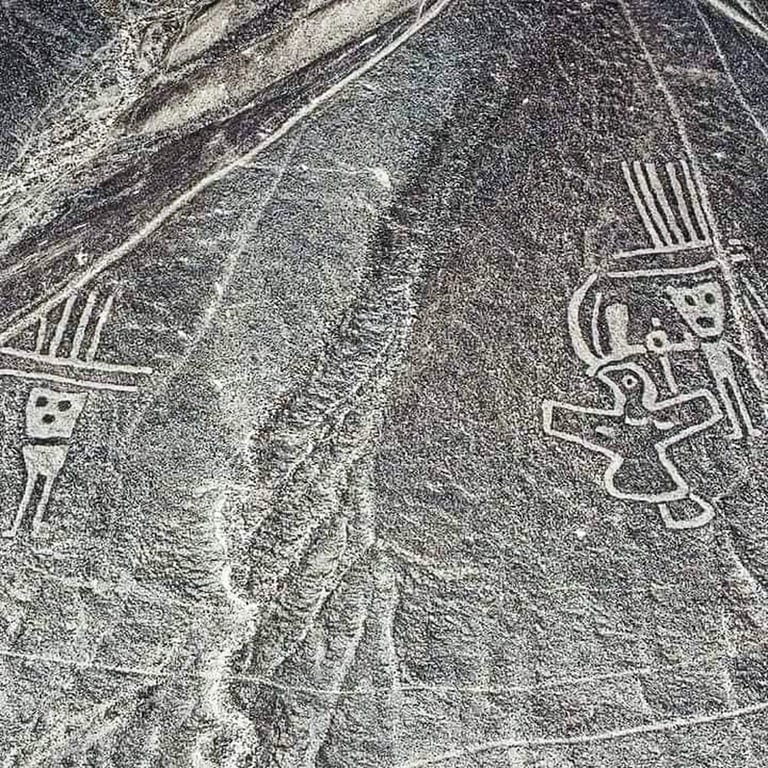
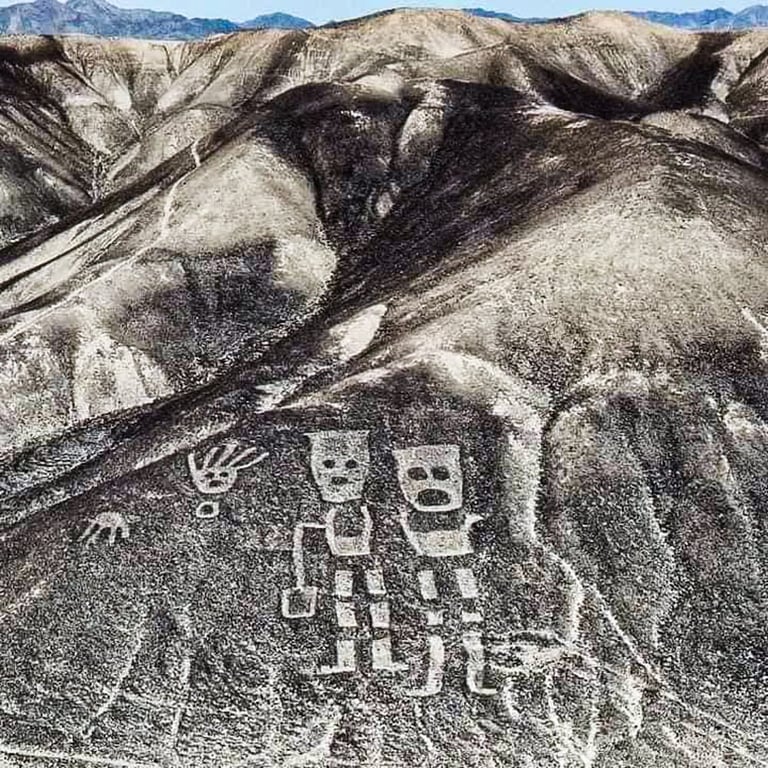
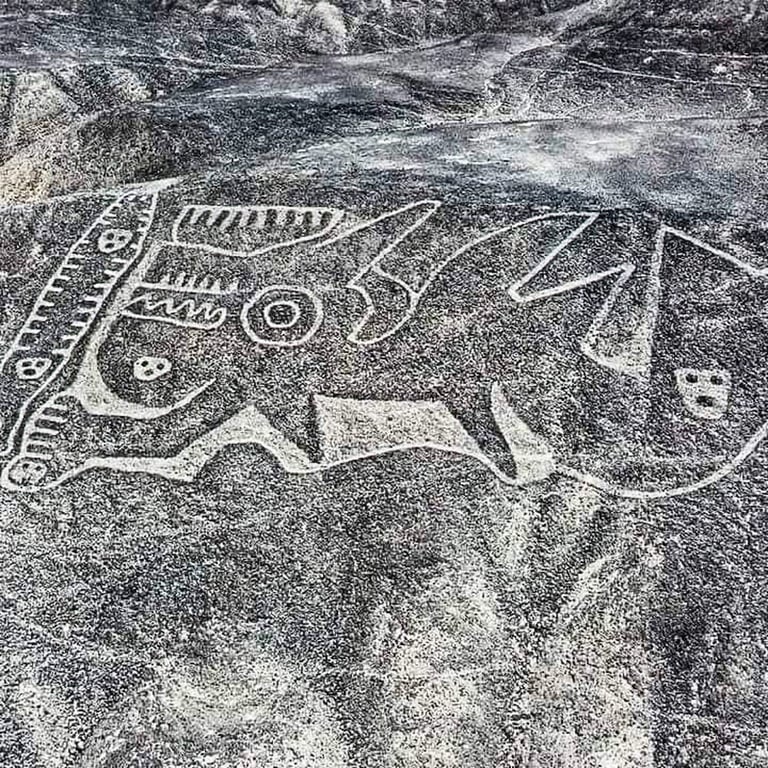
The Palpa Lines encompass a remarkable variety of designs, making them distinct from the Nazca Lines. While both feature geometric shapes, the Palpa geoglyphs are particularly noted for their anthropomorphic figures and abstract representations. Often etched into the sides of hills rather than flat plains, these figures offer a dramatic visual impact when viewed from the air or from opposing hilltops. Some of the most compelling Palpa Lines include depictions of a "Star Man" or "Astronaut," various birds, monkeys, and enigmatic humanoids with large eyes or outstretched arms.
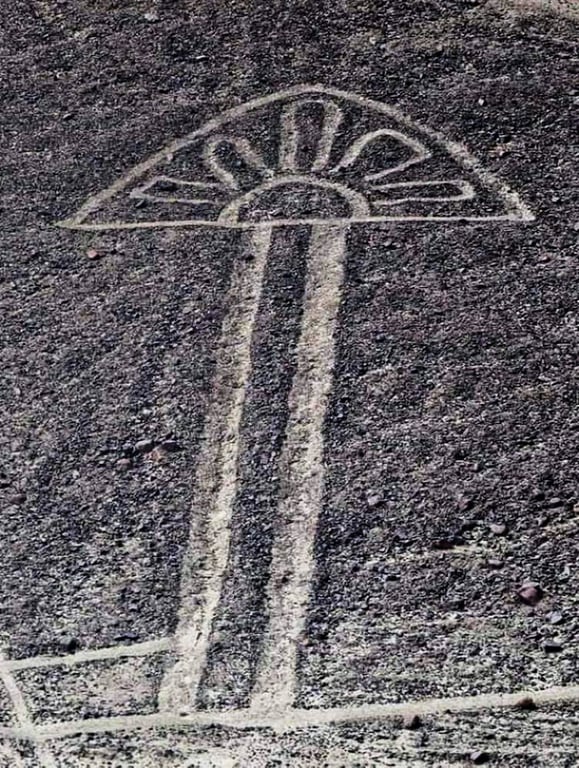
Unlike the single-line drawings characteristic of many Nazca figures, some Palpa geoglyphs are created by clearing broader areas, forming 'paved' figures. The artistic style is often bolder and more curvilinear than the Nazca tradition. The varying techniques and locations - some on slopes, others on flat pampas - highlight the diverse approaches and potentially different meanings associated with these ancient artworks. Their creation involved removing the darker, oxidized stones from the desert surface to expose the lighter soil beneath, a technique that has allowed them to endure for millennia in the hyper-arid climate.
Cultural & Archaeological Importance
The Palpa Lines are invaluable for archaeologists and historians seeking to understand the Paracas culture. They provide tangible evidence of their artistic expression, technological capabilities, and potentially their cosmological worldview. Studying the figures and their placement can offer insights into ancient agricultural practices, water management, and the spiritual landscape of the region. The sheer scale of these creations underlines the cultural significance attributed to communication with the heavens or the earth, whether for appeals for rain, guidance for harvests, or veneration of deities.
Furthermore, the Palpa Lines contribute significantly to the broader understanding of geoglyph traditions in ancient Peru. Their existence demonstrates a long-standing practice of modifying the landscape for symbolic purposes, predating and influencing subsequent cultures like the Nazca. They serve as a crucial piece of the puzzle in reconstructing the complex tapestry of pre-Columbian South American civilization, highlighting the ingenuity and spiritual depth of peoples who left their indelible mark on the desert floor.
Preservation
Due to their remote location and the arid climate, many of the Palpa Lines have been remarkably well-preserved over thousands of years. However, like all ancient sites, they face threats from natural erosion, climate change, and increasingly, human activity. Modern development, uncontrolled tourism, and illegal mining operations pose significant risks to the integrity of these delicate historical records. Efforts by Peruvian authorities and international organizations are underway to protect these irreplaceable cultural heritage sites.
Conservation strategies include strict regulations on access, aerial monitoring, and public awareness campaigns. Scientific study also plays a critical role, helping to map, document, and analyze the geoglyphs to better understand their construction and purpose. The Palpa Lines are a powerful reminder of humanity's ancient past and continue to inspire awe and curiosity among all who encounter their enduring presence etched into the Peruvian desert.
While the Nazca Lines often steal the spotlight, the Palpa Lines whisper a different story, one of older, perhaps even more enigmatic origins.
Beyond the widely acknowledged figures of humans and animals, these lesser-explored geoglyphs harbor secrets that challenge conventional archaeological narratives and invite us into the speculative realm of forgotten cultures and extraordinary possibilities.
Lesser-known Historical Facts
Dating considerably older than many Nazca geoglyphs, some Palpa Lines are attributed to the Paracas culture, flourishing centuries before the Nazca.
What's often overlooked is the sheer diversity of creation methods. While many Nazca lines are shallow scrapes, some Palpa figures involve the careful removal of dark stones to expose lighter soil beneath, creating raised designs. This nuanced technique suggests a dedicated, perhaps ritualistic, approach distinct from simply clearing pathways. Furthermore, the sheer density of Palpa figures, often overlapping and sometimes partially obliterated by later creations, hints at a prolonged period of sacred landscape modification by successive cultures, each leaving their enigmatic mark.
Local legends surrounding the Palpa Lines are far scarcer and less sensationalized than those associated with Nazca, making them all the more intriguing.
One whispered tale speaks of "mountain spirits" or "apus" who taught the ancient peoples how to etch these designs. These aren't benevolent deities, but rather powerful, often capricious entities who demanded reverence through artistic expression on the landscape.
Another folk story, rarely shared with outsiders, suggests that certain specific Palpa figures align with subterranean water sources, acting as sacred "maps" to life-giving veins beneath the arid surface – a desperate plea to the land for sustenance, etched into eternity.
Controversies
One of the most compelling controversies surrounding the Palpa Lines involves the 'Palpa Alien'. While dismissed by mainstream archaeology as a natural formation or a simple, poorly preserved human figure, theories persist that this particular geoglyph, with its enlarged head and prominent eyes, is an undeniable depiction of an extraterrestrial being.
Adherents to this theory point to its unique morphology, distinct from other anthropomorphic figures, as evidence of a non-human inspiration. Another intriguing, albeit unsubstantiated, theory proposes that some Palpa figures may have served as astronomical calendars even more precise than their Nazca counterparts, tracking distant stellar alignments crucial for agricultural cycles or ceremonial dates that have since been lost to time.
The Paracas Parallels
The strong stylistic similarities between certain Palpa figures and the textile art of the Paracas culture are well-documented but often under-emphasized.
This connection goes beyond mere coincidence, suggesting a shared cosmology and symbolic language that translated from intricate cloth designs onto the grand canvas of the desert floor. Could the Palpa Lines be monumental versions of Paracas spiritual narratives, designed to be seen by beings beyond our terrestrial understanding, or perhaps by the spirits themselves?
Palpa's Water Worship
Unlike the Nazca, whose lines often point to water sources or ceremonies, some scholars theorize that the Palpa Lines, particularly the older abstract patterns, were specifically focused on water divination and veneration.
The arid environment would have made water an absolute priority, and these lines, aligned with ancient riverbeds or ephemeral springs, might have been grand appeals for rain or markers for ancestral water rites, etched into the landscape itself as prayers made visible from the heavens.
Palpa Lines Peru — photo gallery