Ometepe Ancient Petroglyphs
Ometepe's volcanic stone speaks: decipher island dwellers' narratives carved millennia ago.
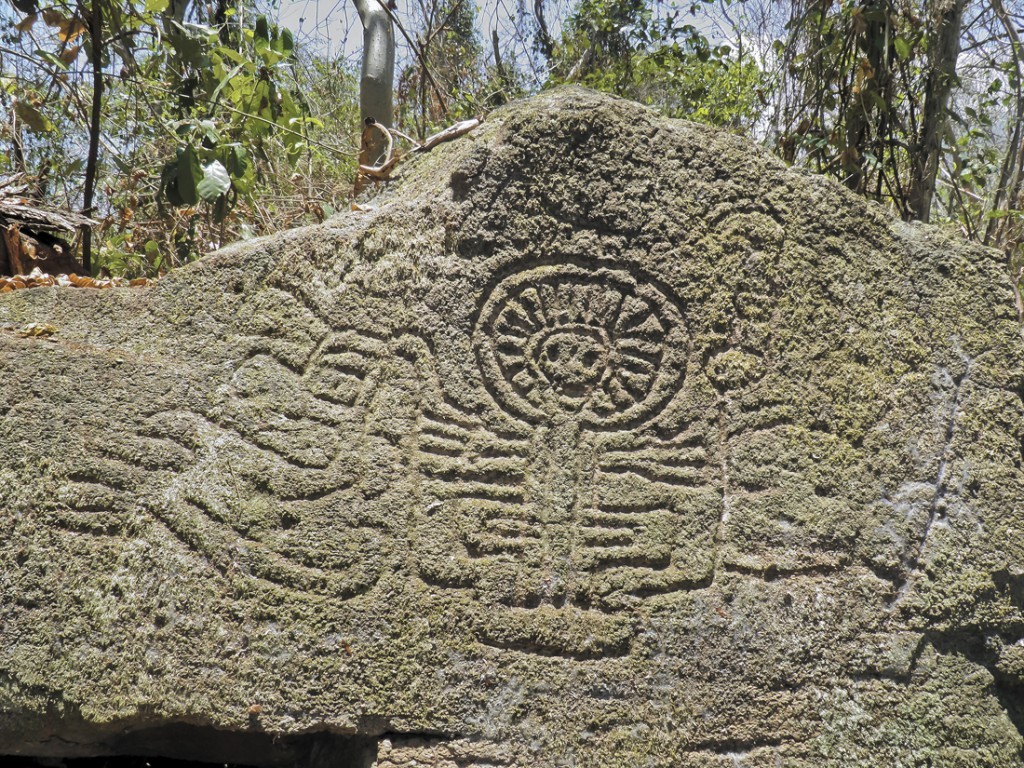
Nestled in the heart of Lake Nicaragua, the twin volcanoes of Ometepe Island harbor a profound archaeological treasure: thousands of ancient petroglyphs.
These intricate rock carvings, etched into volcanic boulders, offer a silent but powerful narrative of the indigenous cultures that thrived on this unique island for millennia.
Far more than mere doodles, these petroglyphs represent sophisticated artistic expression, spiritual beliefs, and records of daily life, making Ometepe one of Central America's most significant sites for pre-Columbian rock art.
Historical Background
The vast majority of Ometepe's petroglyphs date back to various pre-Columbian periods, spanning from approximately 300 BCE to the arrival of the Spanish conquistadors in the 16th century CE. While definitive attribution to a single culture is challenging, archaeological evidence suggests creation by several groups, including the Chorotega and Nicarao peoples, who inhabited the island in successive waves.
These groups, known for their advanced agricultural practices and complex social structures, left an indelible mark on the volcanic landscape. The strategic location of Ometepe, lying on ancient trade routes, further enriched its cultural tapestry, contributing to the diverse iconography seen in the carvings.
Notable Features
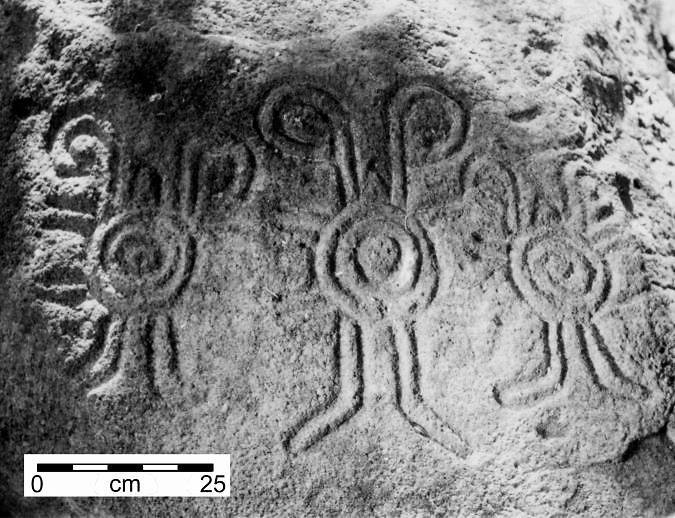
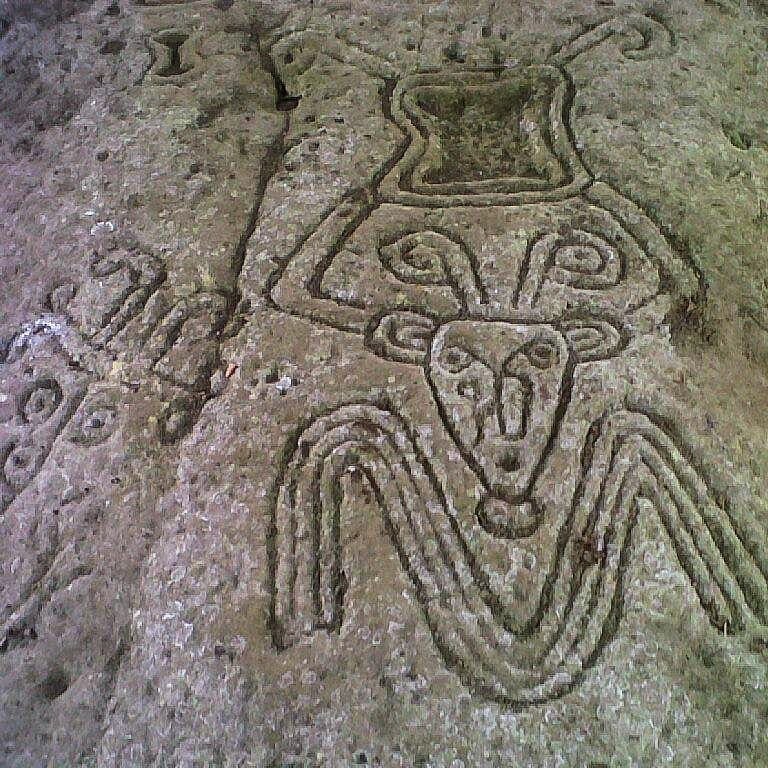
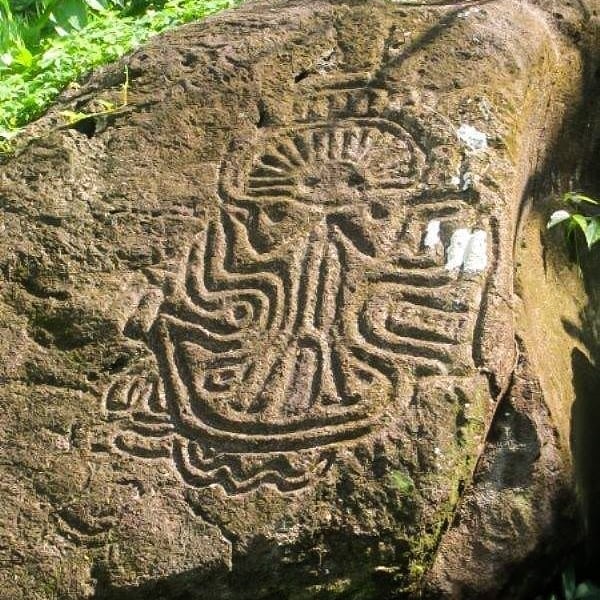
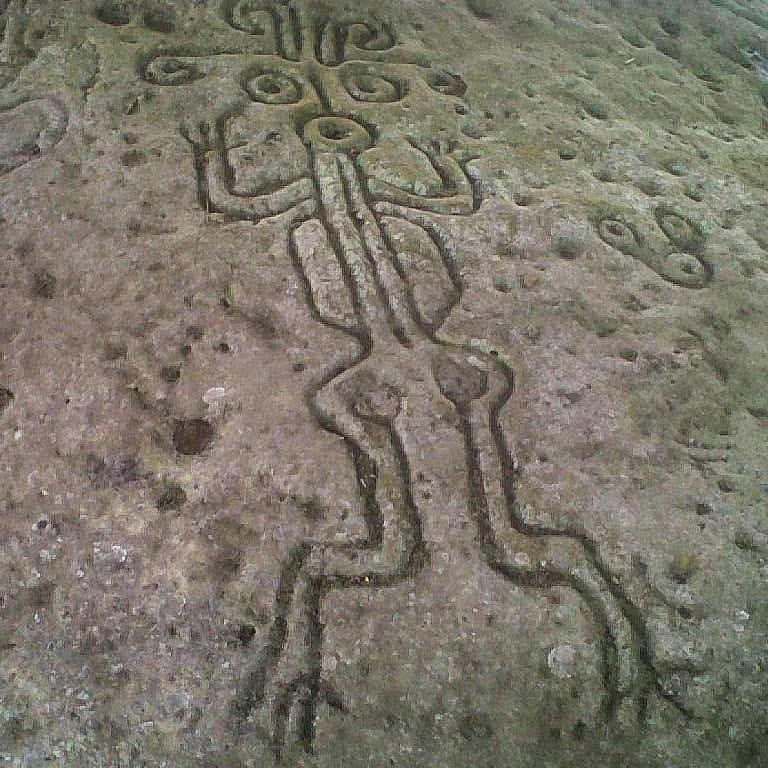
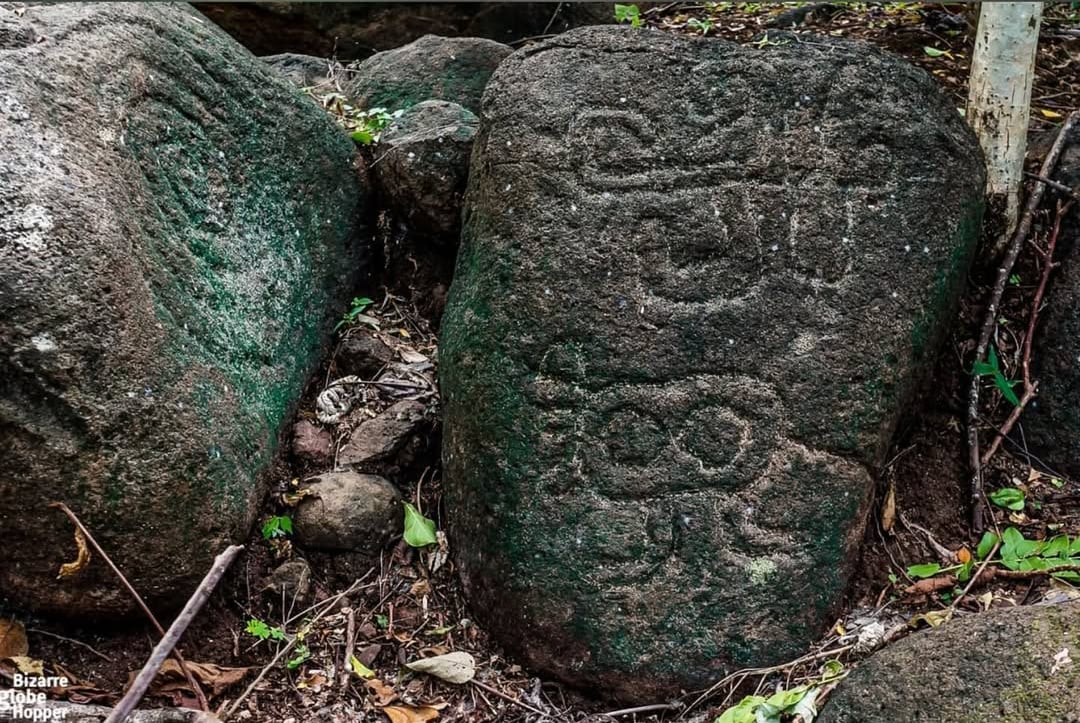
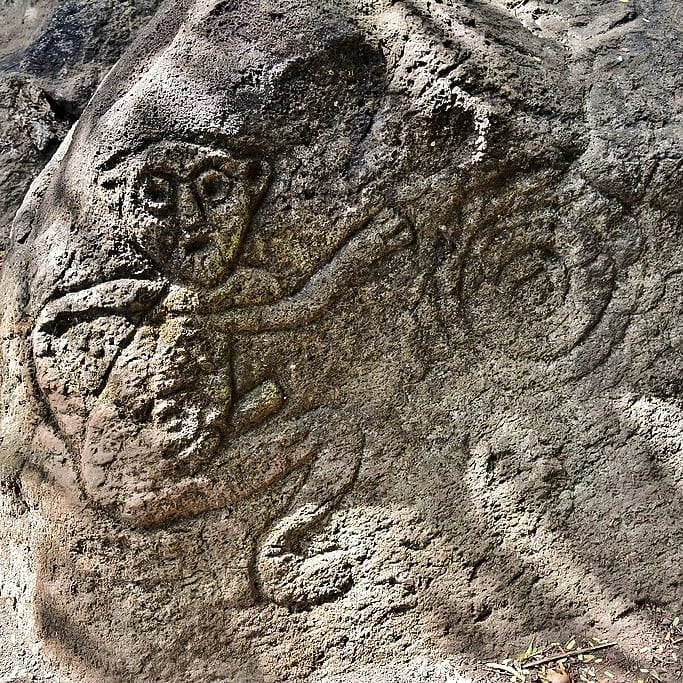
The petroglyphs of Ometepe are found across the island, with significant concentrations on the slopes of both Concepción and Maderas volcanoes, as well as in the areas around towns like Moyogalpa and Altagracia. Carved into the dark, porous basalt and granite rocks, they showcase an astonishing variety of motifs. Common depictions include anthropomorphic figures, often with elaborate headdresses and expressive faces, believed to represent deities, shamans, or ancestors.
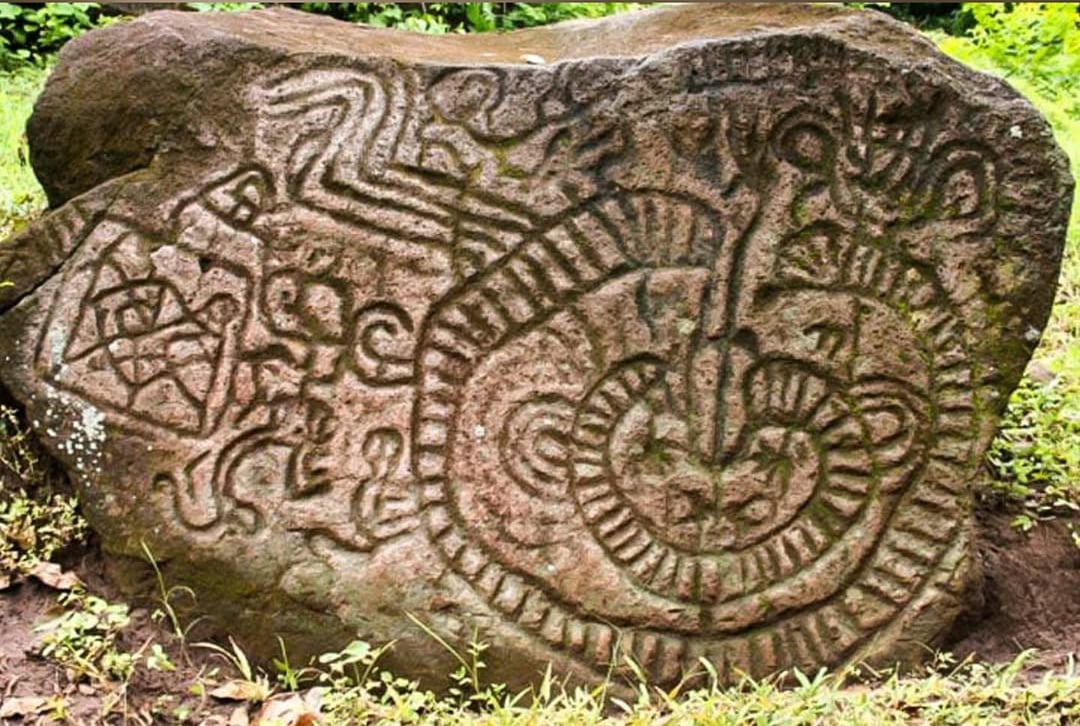
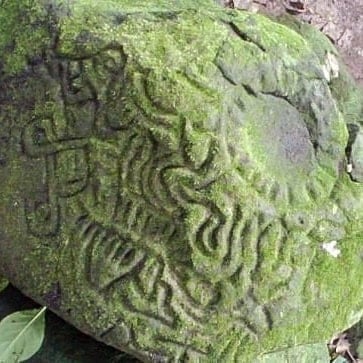
Zoomorphic designs frequently feature monkeys, birds, snakes, and jaguars, animals that held spiritual significance and were integral to daily life. Abstract geometric patterns, spirals, concentric circles, and intricate mazes also abound, their meanings still debated but likely connected to cosmological beliefs or calendrical systems. The sizes of the carvings vary dramatically, from small, intricate designs to large, imposing panels.
Cultural & Archaeological Importance
The **Ometepe petroglyphs** are invaluable for understanding the cultural and spiritual landscape of pre-Columbian Mesoamerica. They serve as primary sources for deciphering ancient belief systems, social hierarchies, and artistic traditions. Archaeologists and historians study these carvings to reconstruct narratives of migration, ceremonial practices, and even astronomical observations.
The repetitive nature of certain symbols across different sites suggests shared cultural understandings and interconnectedness among ancient communities. Furthermore, their sheer number – estimated in the thousands – underscores the deep spiritual and artistic impulses of the inhabitants of Ometepe, cementing the island's reputation as an open-air museum of ancient art.
Despite their cultural significance, the **Ometepe rock carvings** face ongoing threats from natural erosion, agricultural expansion, vandalism, and improper tourism practices. Efforts to preserve these fragile historical records are ongoing, involving local communities, international organizations, and the Nicaraguan Institute of Culture (INC).
Protected areas have been established, and some sites are now part of managed archaeological parks, allowing visitors to experience them responsibly. Educational initiatives aim to raise awareness among residents and tourists about the importance of protecting these irreplaceable remnants of Nicaragua's ancient past, ensuring future generations can continue to marvel at their beauty and ponder their mysteries.
While the thousands of petroglyphs adorning Ometepe Island are widely acknowledged as a significant archaeological marvel, conventional narratives often skim over the truly enigmatic aspects of these volcanic etchings.
Beyond their aesthetic appeal and general cultural significance lie whispers of forgotten cosmologies, unproven astronomical alignments, and even legends of interdimensional travel—mysteries that beckon the intrepid explorer beyond the well-trodden paths of academic consensus.
Lesser-known Historical Facts
Many petroglyphs on Ometepe date back as far as 2,000 BCE, placing them within the elusive Pre-Ceramic period, an era about which remarkably little is known regarding societal complexity or artistic expression in this region. While later carvings often depict anthropomorphic figures, animals, and geometric patterns associated with Chorotega and Nicarao cultures, the earliest examples frequently showcase highly abstract designs.
Could these archaic glyphs represent a visual language from a civilization predating known indigenous groups, a precursor to formalized systems of belief, or even a record of natural phenomena interpreted through an entirely alien lens?
The "Water Marks" Theory
One lesser-known theory posits that some of the highly stylized, undulating patterns found on boulders, particularly those near ancient shorelines, aren't abstract art at all, but rather deliberate markings indicating ancient lake levels or recurring flood events.
Given Ometepe's volcanic geology and its position within a massive freshwater lake, tracking water cycles would have been paramount for survival. If true, these petroglyphs could represent a sophisticated, millennia-old hydrological record etched into stone.
Local Lore
Local Miskito and Rama indigenous oral traditions, though not directly descended from the original Ometepe carvers, hold echoes of ancient rock lore.
One legend speaks of "piedras que cantan" – singing stones – believed to resonate with the spirits of ancestors or cosmic energies during specific celestial events. While no scientific evidence supports audible sounds, some believe certain dense volcanic rocks on the island do possess unusual acoustic properties, perhaps unintentionally discovered and revered by the ancient inhabitants.
The 'Star Map' Hypothesis
Fringe theories persist that an unknown percentage of Ometepe's petroglyphs are not terrestrial at all, but rather elaborate star maps or celestial calendars. Proponents point to recurring constellations of dots, circles, and lines that, when overlaid with ancient astronomical models, seem to mirror star formations visible from the island millennia ago.
Could these carvings have served as navigational aids, ritualistic instruments for aligning with cosmic forces, or even records of extraordinary celestial events?
The sheer density and repetitiveness of certain motifs - spirals, concentric circles, and humanoids with exaggerated features - have fueled speculation about their purpose. Some archaeologists debate whether these are simply artistic expressions, territorial markers, or perhaps didactic tools for passing down ancient knowledge.
The "shamanic trance theory" suggests many carvings were made by shamans under altered states of consciousness, depicting their visions or journeys into other spiritual realms, explaining their often surreal and abstract nature.
Mysterious Connections
Perhaps the most intriguing riddle is the striking similarity between some Ometepe petroglyphs and rock art found in vastly distant regions, particularly the Amazon basin and even parts of Oceania.
While diffusionist theories are largely dismissed in mainstream archaeology, the recurrence of highly specific, non-representational symbols, such as certain geometric labyrinths or composite animal-human figures, beg the question: a shared ancestral memory, an independent universal human impulse, or an entirely unknown ancient migratory network?
Ometepe Ancient Petroglyphs — photo gallery