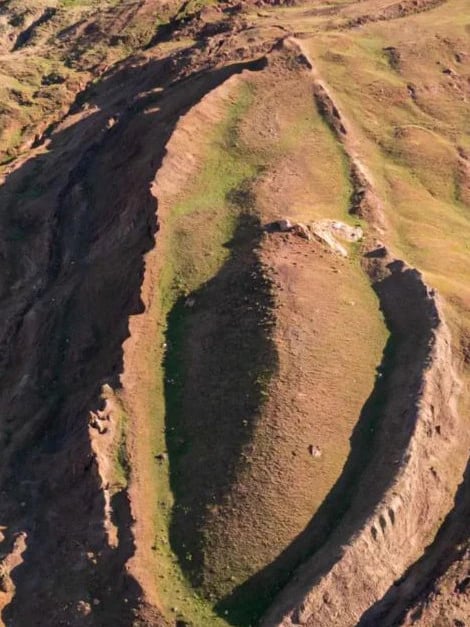
Noah's Ark Remains
Explore the rugged slopes of Mount Ararat, a legendary peak where geophysical anomalies fuel the enduring quest for Noah's Ark's remains.
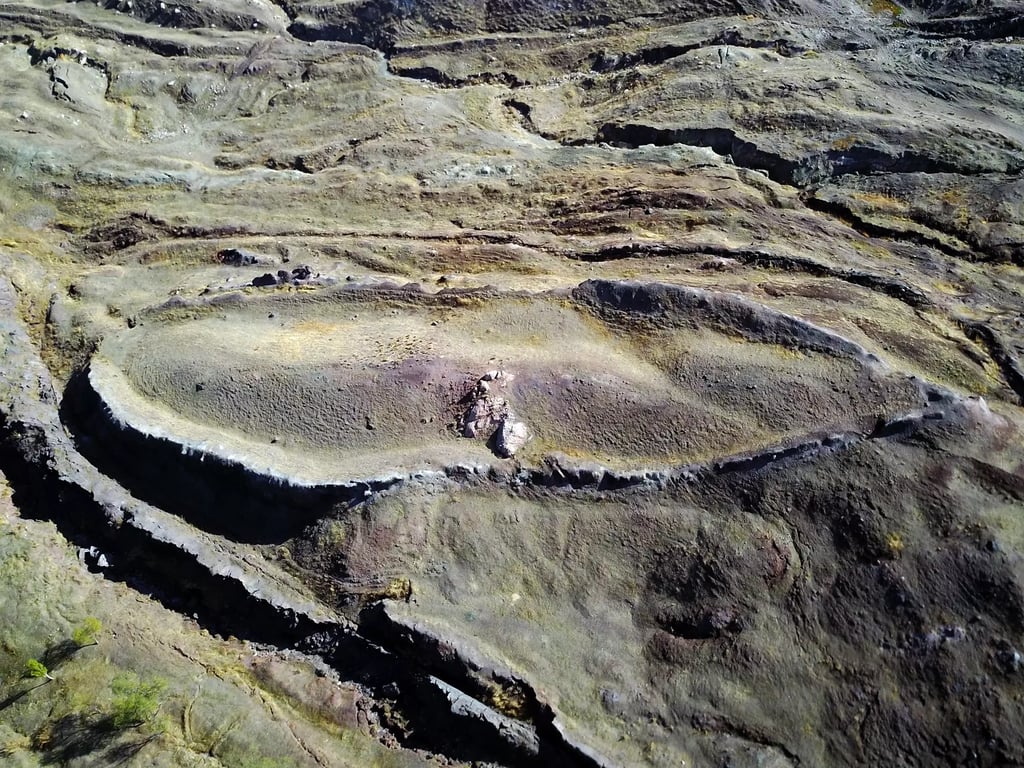
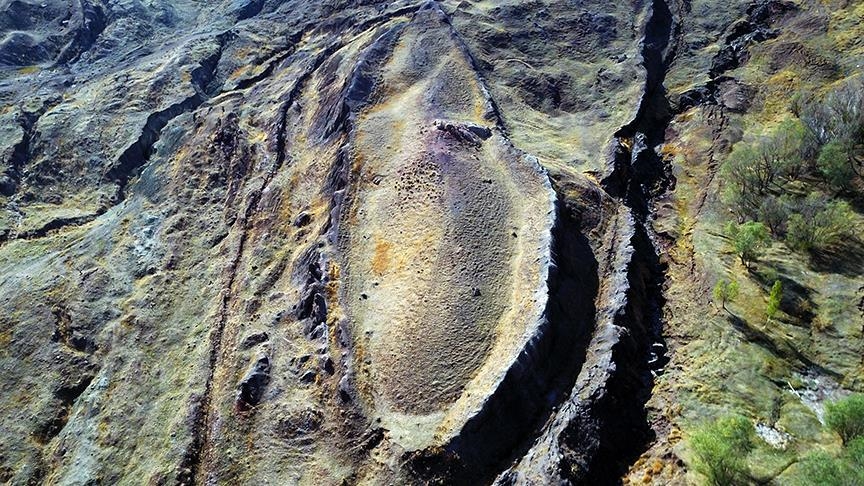
Nestled in the remote mountains of eastern Turkey, near the Iranian border, lies the intriguing Durupinar Formation.
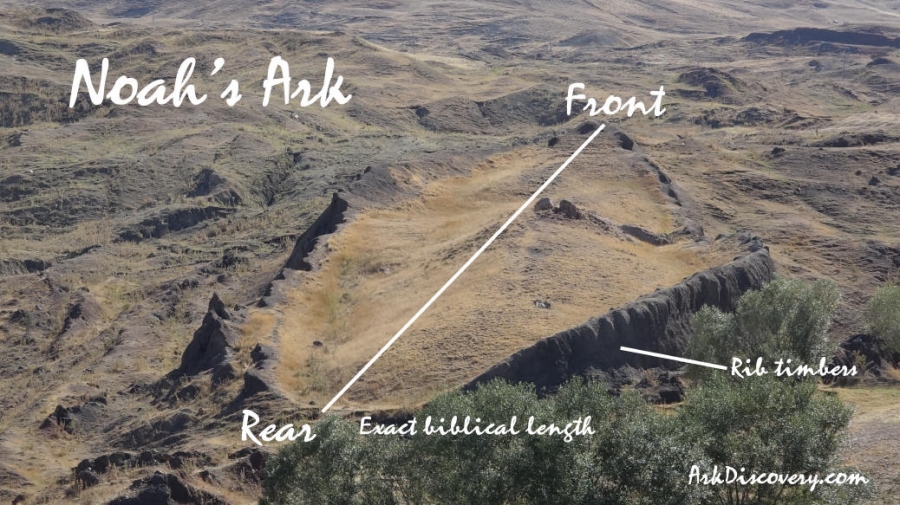
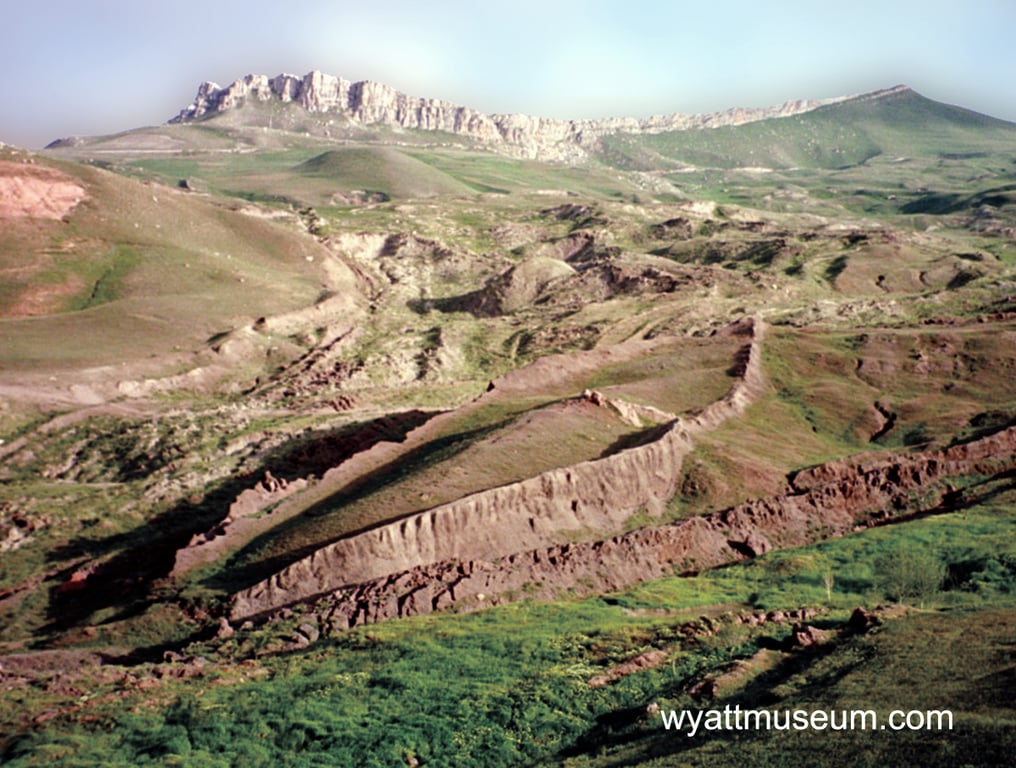
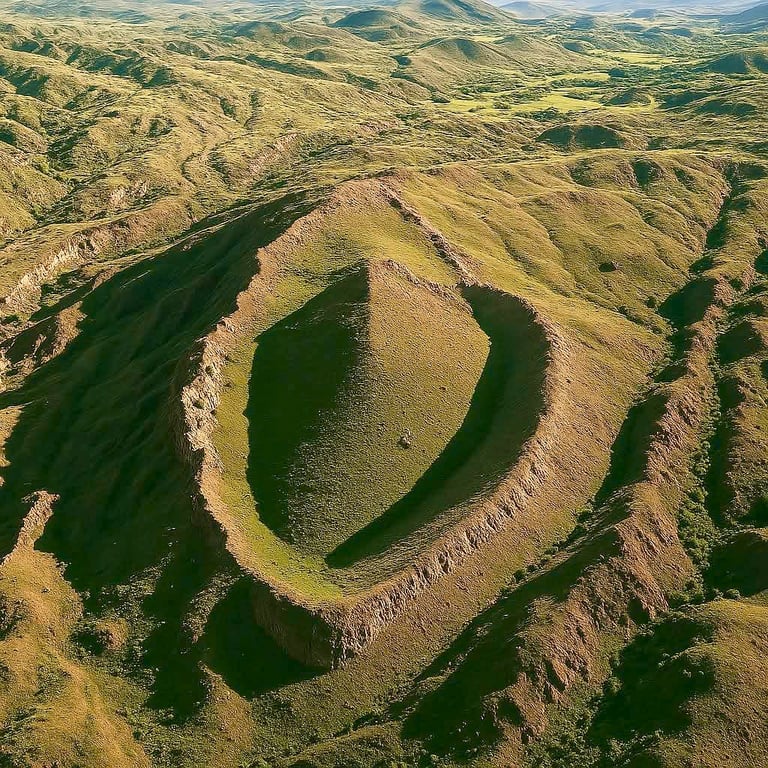
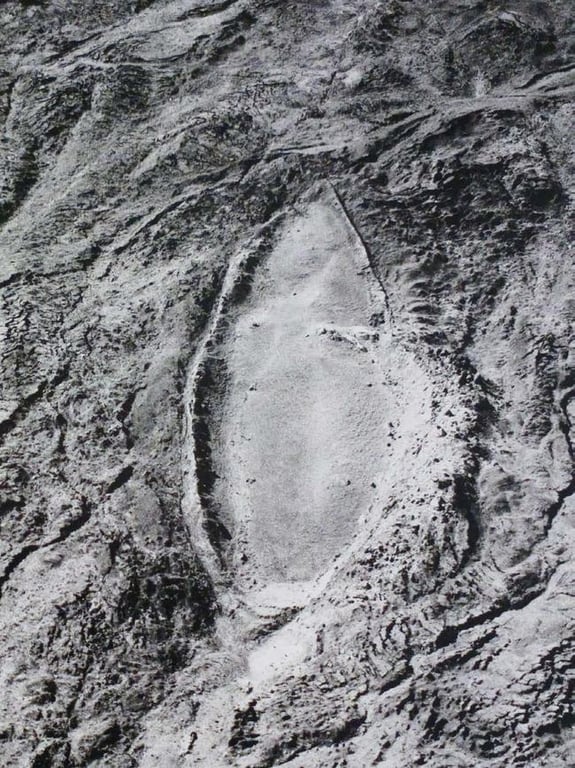
This distinctive geological anomaly, shaped like a colossal boat, has long captured the imagination of researchers, theologians, and explorers alike.
While its origins remain a subject of fervent debate and scientific inquiry, the site’s unique morphology and surrounding landscape offer a fascinating glimpse into both natural processes and the enduring human quest for ancient narratives.
The Echoes of Ararat's Footsteps
The Durupinar Formation derives its name from Captain Ilhan Durupınar, a Turkish cartographer who first identified its striking boat-like shape from aerial photographs in 1959.
Located about 29 kilometers (18 miles) south of Mount Ararat, a peak long associated with the biblical account of Noah's Ark, the formation quickly became a focal point for those seeking physical evidence of the deluge. Its proximity to Ararat, coupled with its unusual, symmetrical contours, fueled speculation that this could be the fossilized remains of the ancient vessel, sparking decades of exploration and extensive geological and archaeological investigation.
Unveiling the Ark's Alleged Shadow
Initial investigations in the 1960s, led by figures like Ron Wyatt, focused on the dimensions of the formation, which remarkably align with the biblical description of Noah's Ark: approximately 508 feet (155 meters) long. Subsequent analyses have included ground-penetrating radar (GPR), electrical resistivity scanning, and metal detection. These studies have revealed subsurface anomalies, including rectilinear patterns and high-density materials, interpreted by some proponents as evidence of an underlying man-made structure.
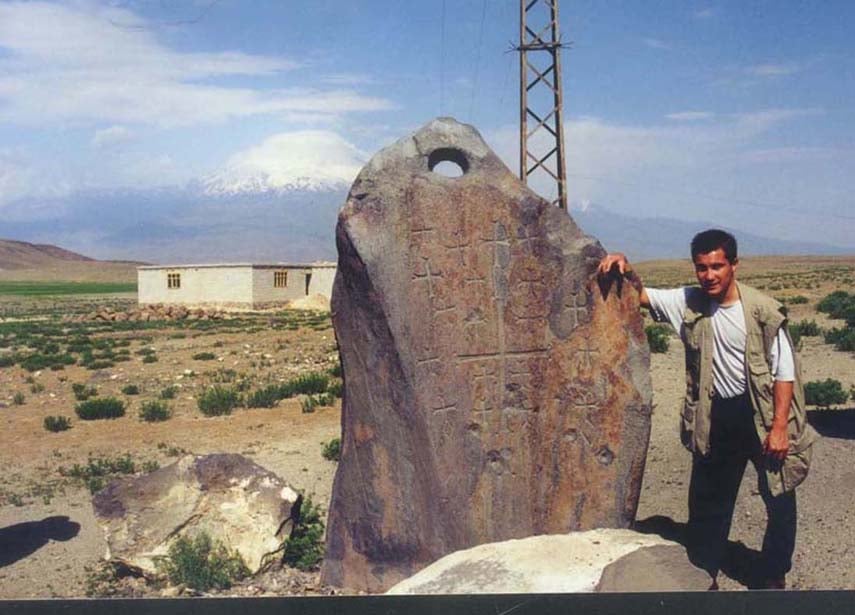
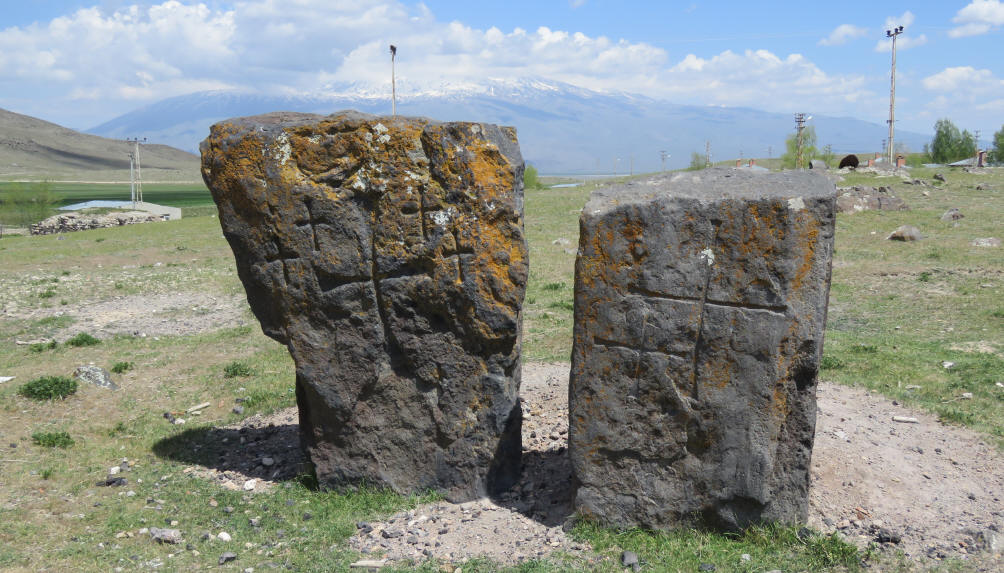
Further findings, such as large anchor stones found nearby with drilled holes, add another layer to the archaeological intrigue surrounding the site.
Geological Enigma: A Symphony of Mud and Rock
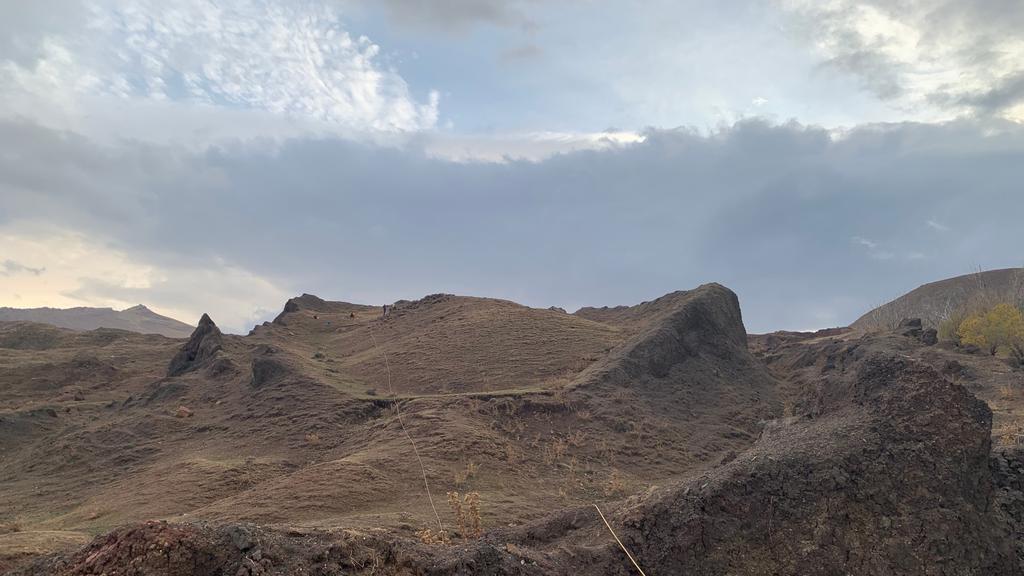
Beyond the biblical narratives, the Durupinar Formation presents a compelling geological mystery. Composed primarily of basaltic andesite rock, mud, and limestone, its unique shape is explained by conventional geologists as a well-preserved syncline or an anticline structure, modified by erosion and geological movements.
The "boat" shape is thought to be an illusion created by the surrounding terrain and differential erosion, where softer materials have been washed away, leaving the more resistant core. The area is known for its volatile geological history, including earthquakes and volcanic activity, which could certainly contribute to such dramatic formations.
The Swirl of Sedimentary Stories
The layers of sediment and rock within the formation tell a complex geological story. While some researchers have identified what they believe to be petrified timber and iron rivets within the structure, mainstream geology predominantly attributes these findings to natural iron-rich concretions and geological features inherent to the volcanic and sedimentary processes in the region. The debate highlights the intricate balance between geological interpretation and the human desire to find concrete evidence for ancient texts.
Pilgrimage and Skepticism: A Dual Narrative
The Durupinar Formation embodies a fascinating intersection of faith, science, and exploration. For evangelical Christians and religious scholars, it represents a potential tangible link to one of humanity's oldest and most profound stories, drawing pilgrims and researchers from around the globe. The site has been featured in numerous documentaries and publications, cementing its place in popular culture as a potential archaeological wonder.
Where Faith Meets the Field
Conversely, the majority of the scientific and archaeological communities remain unconvinced. While acknowledging the formation's unique appearance, they largely categorize it as a natural geological formation. The lack of definitive, independently verified archaeological artifacts that unequivocally point to a man-made vessel and the predominant geological explanations for its features lead them to caution against definitive conclusions. Nevertheless, the site continues to be a subject of ongoing interest and attracts visitors keen to explore this unusual landscape for themselves.
Today, the Durupinar Formation remains accessible to visitors, albeit in a somewhat remote and undeveloped setting. Efforts are made to manage visitor access, and information boards, though sometimes presenting a biased perspective, offer insights into the various theories surrounding the site. Its status as both a natural wonder and a site of intense speculative archaeology ensures that its story continues to evolve, inviting each new observer to ponder its true nature.
Beyond the surface geological curiosities, the Durupinar Formation whispers of deeper, more enigmatic narratives.
While popular imagination fixates on a singular biblical vessel, the site's true intrigue lies in a tapestry woven from forgotten observations, persistent local lore, and a scientific steadfastness that often clashes with fervent belief.
This unique landform, carved into the Anatolian landscape, beckons a closer look at the shadows it casts - shadows that hint at a past far more complex and perhaps, more profound than any simple explanation.
The Stone Sentinel's Shifting Sands of History
While modern attention on Durupinar largely solidified in the latter half of the 20th century, whispers of the site's peculiar shape may stretch back much further.
Obscure records and travelers' accounts from the Byzantine era, particularly those detailing routes through Armenia and eastern Asia Minor, occasionally allude to "stone ships" or "petrified vessels" in the mountainous regions. These fleeting references, often dismissed as fanciful imagination or mistaken natural formations, take on new weight when juxtaposed with the distinct outline of Durupinar.
Could this formation have been an ancient waypoint, a landmark recognized by cultures long vanished, its true nature debated even then?
Furthermore, early cartographic efforts, though rudimentary, sometimes depict unusual symbols or anomalies in this rugged terrain, prompting speculation that cartographers might have been marking a known, significant, yet unexplained feature of the landscape.
The Dragon's Petrified Feast
Local Kurdish and Armenian folklore around the Agri Province is rich with tales of catastrophic floods and colossal beasts, often predating modern interpretations of the Durupinar Formation.
One lesser-known legend speaks of a vengeful dragon, turned to stone by a celestial deity for its insatiable appetite, its immense fossilized body now forming the landscape's strange contours. This narrative, while seemingly fantastical, ties geological marvels directly to divine wrath and ancient cataclysms, a theme echoing through many cultures that have witnessed monumental natural events. The "dragon's feast" subtly intertwines itself with the idea of a massive, anomalous structure, offering a non-biblical, yet equally potent, origin story rooted deeply in the land's spiritual topography.
The Obsidian's Promise: Or the Iron's Illusion?
Beyond the "boat" shape, the Durupinar Formation exhibits peculiar geological anomalies that puzzle experts. The presence of high iron oxide concentrations, often cited as evidence of ancient metal components, also points to intense hydrothermal activity or ancient volcanic processes that might have reshaped rock in highly unusual ways. Some fringe theories suggest that specific mineral banding within the formation isn't purely natural but indicative of a colossal, perhaps intentional, solidification process.
Could intense pressure and heat have altered the very fabric of the earth, creating an illusion of structure that confounds conventional geological reasoning? This geological "trickery" challenges the very definition of a natural formation versus an artificial, or at least supernaturally influenced, one.
The debate frequently extends to the origin of purported "anchor stones" found nearby, etched with ancient crosses, raising questions about whether they are genuine artifacts or natural rocks repurposed by later religious communities, drawn to the site's inherent mystery.
Noah's Ark Remains — photo gallery