Megalithic Seawall
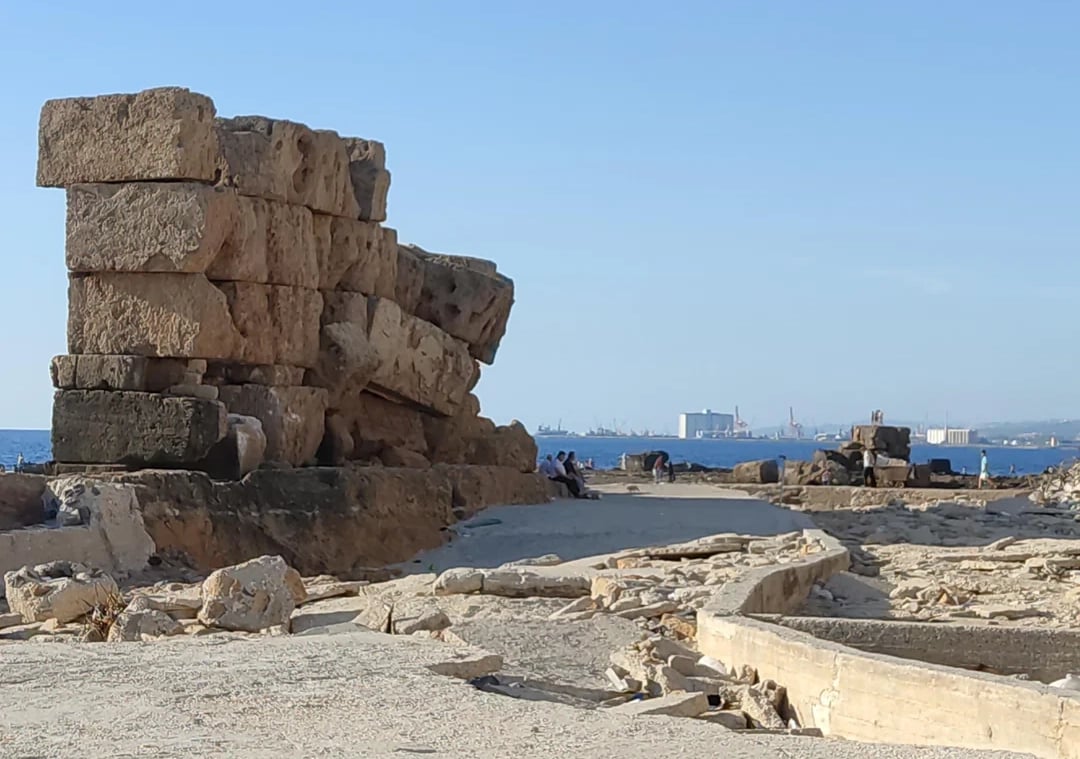
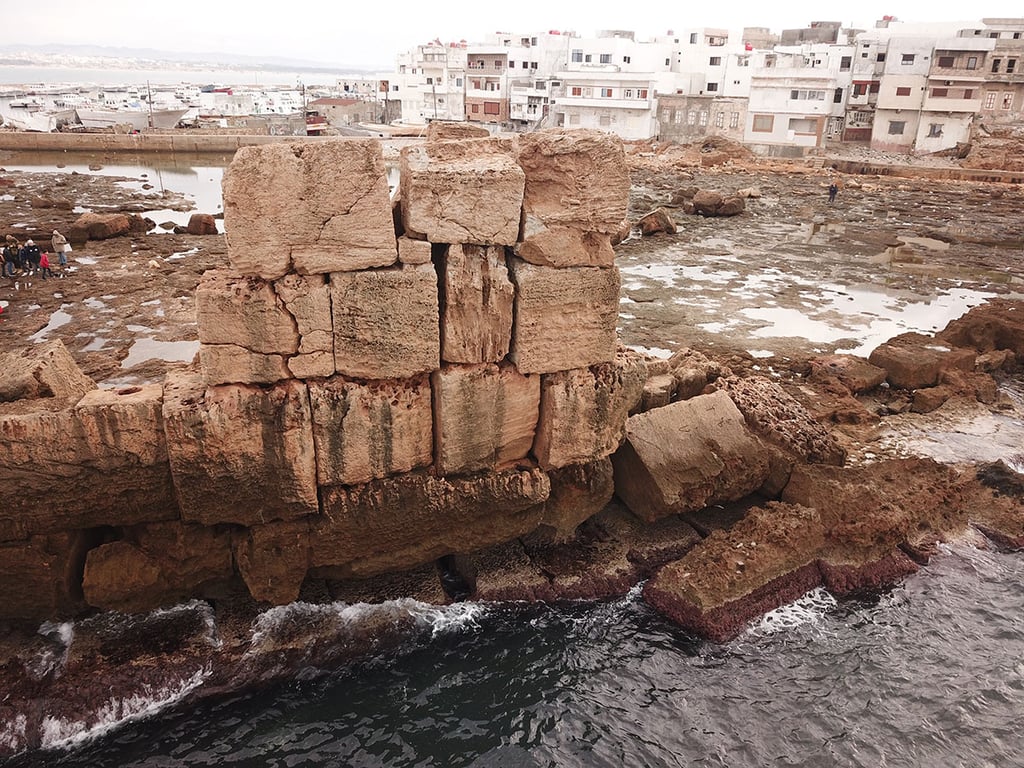
Arwad's seawall: colossal stones whisper tales of Phoenician maritime might, a monumental coastal defense defying millennia.
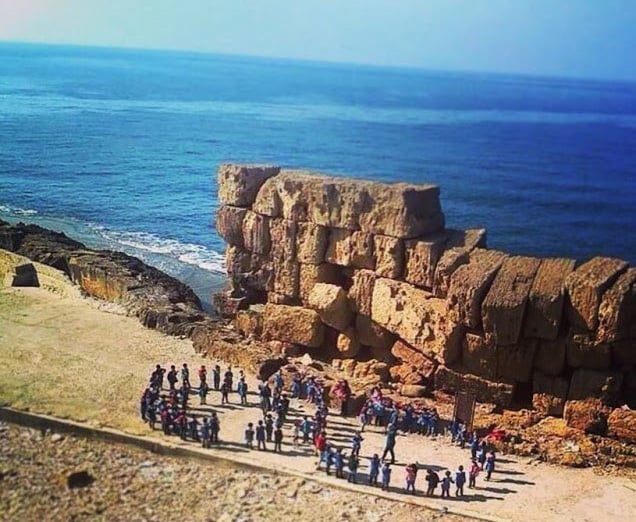
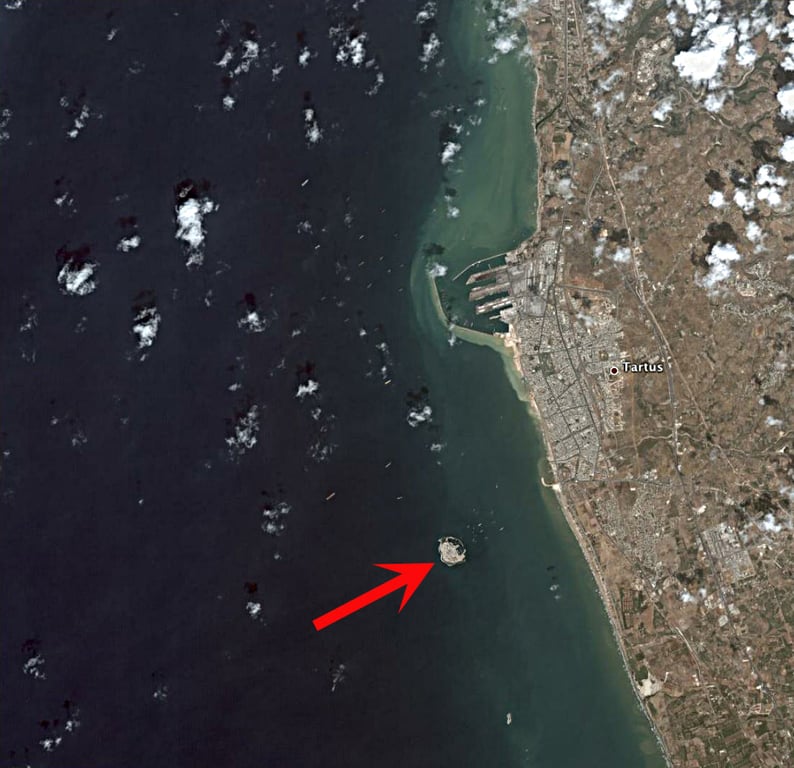
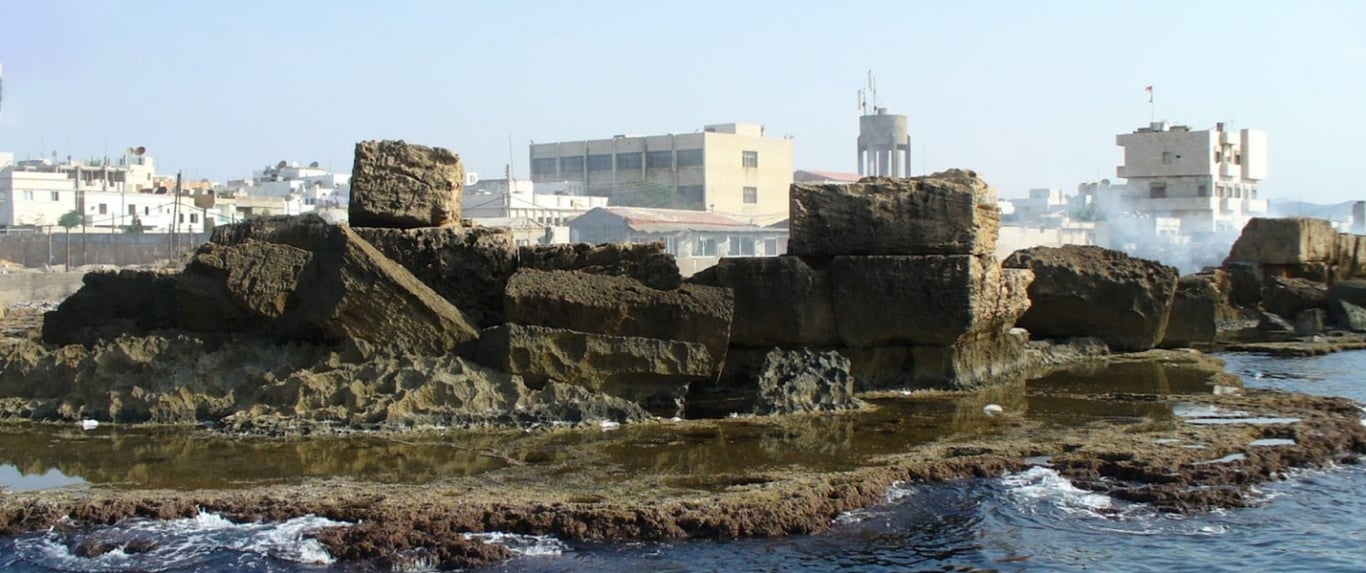
The ancient island city of Arwad, situated just off the Syrian coast, boasts one of the most remarkable feats of engineering from the Phoenician world: its colossal megalithic seawall.
This monumental structure, a testament to the advanced maritime and construction capabilities of the Phoenicians, once protected the thriving port city from the relentless forces of the Mediterranean Sea.
The Arwad seawall offers a tangible link to a sophisticated civilization that dominated ancient trade routes and left an indelible mark on history.
Historical Background
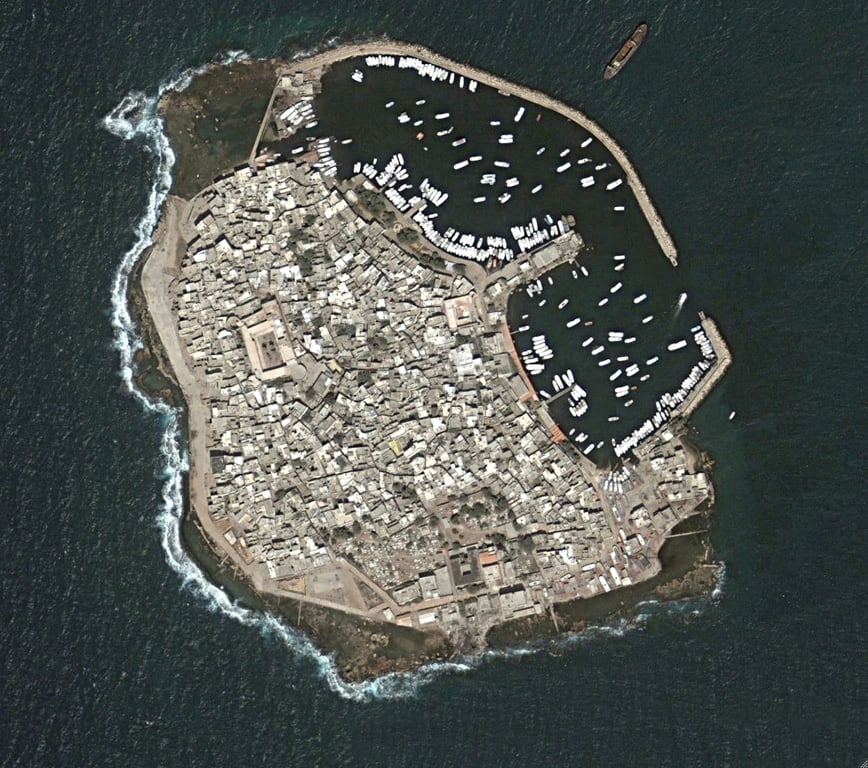
Arwad, known in antiquity as Arados, was a prominent Phoenician city-state, flourishing from the early second millennium BCE. Unlike other major Phoenician centers like Tyre and Sidon, Arwad was built entirely on a small, rocky island, making its strategic location both an advantage and a challenge. Its insular position provided natural defense, but also necessitated extensive harbor infrastructure to support its maritime economy.
The Phoenicians, renowned seafarers and traders, established Arwad as a vital hub in their vast trading network, dealing in precious metals, timber, purple dye, and other goods across the Mediterranean. The construction of the megalithic seawall likely began during Arwad's peak period of prosperity, reflecting both the city’s wealth and the critical need to secure its harbors and urban areas from erosion and hostile forces.
Notable Features
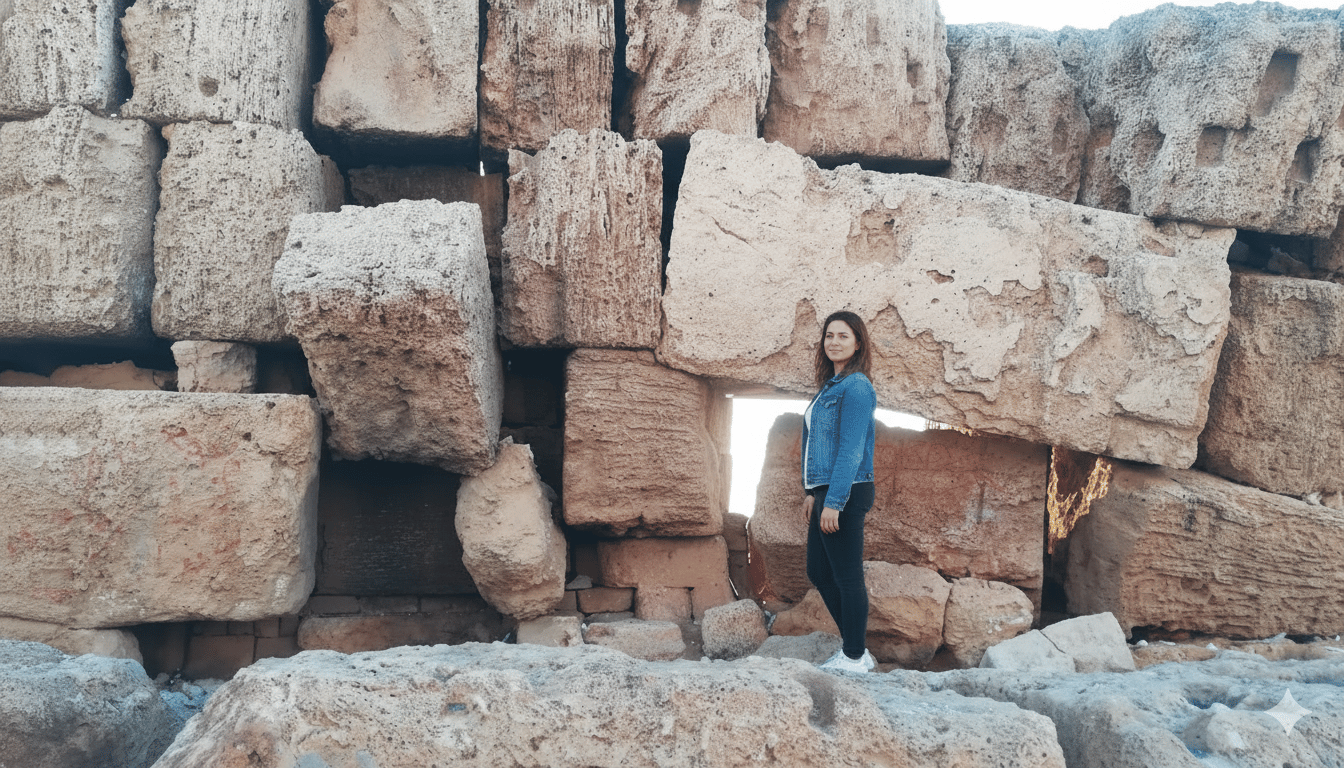
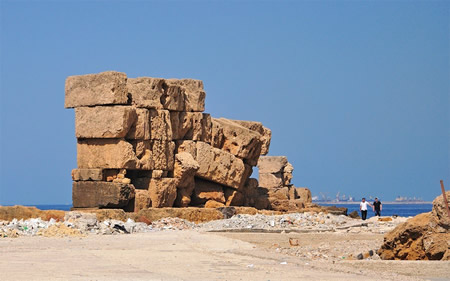
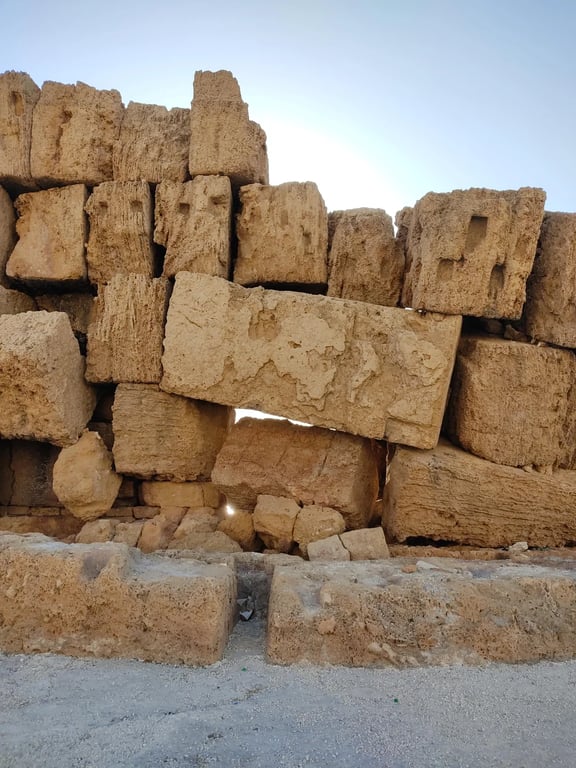
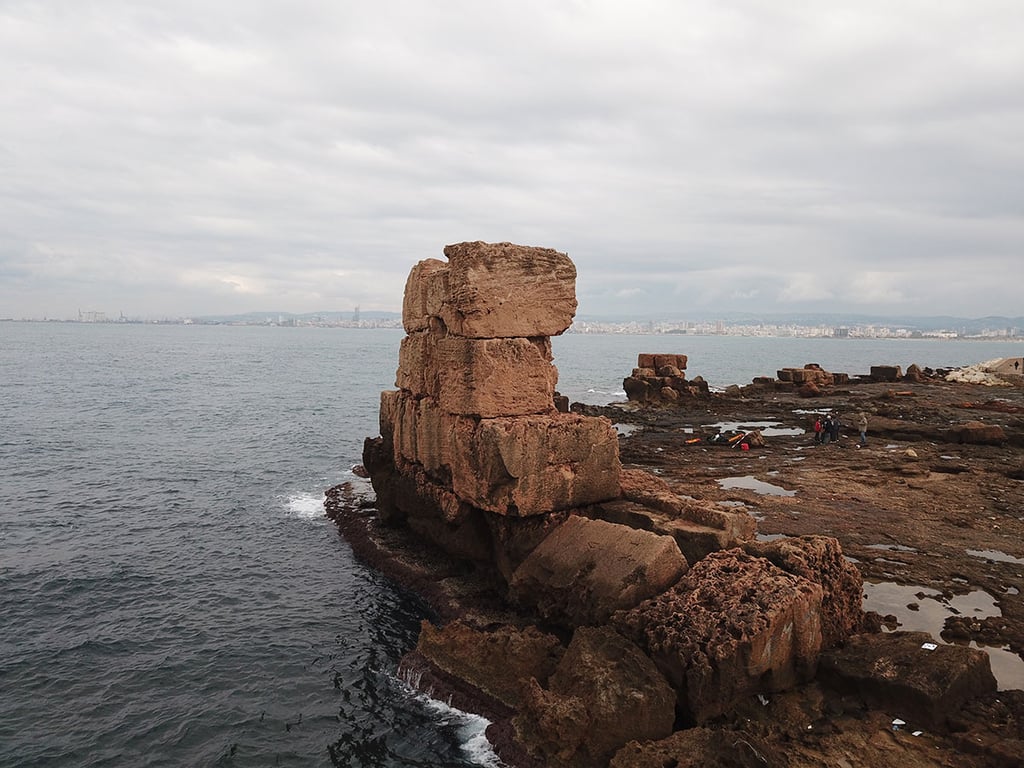
The remains of the Phoenician megalithic seawall at Arwad are truly awe-inspiring. These massive fortifications are characterized by their colossal size, with individual limestone blocks often measuring several meters in length and weighing many tons. The engineering precision required to quarry, transport, and perfectly place these immense stones speaks volumes about the Phoenicians' advanced techniques.
The seawall's construction involved a technique known as cyclopean masonry, where large, unhewn or roughly dressed stones are fitted together with minimal or no mortar. This interlocking method provided exceptional stability against powerful waves and seismic activity. Sections of the seawall can still be observed forming the foundations of later structures, or in places, emerging directly from the sea, a silent sentinel against the passage of millennia.
Cultural & Archaeological Importance
The Phoenician megalithic seawall of Arwad is more than just a protective barrier; it's a profound archaeological artifact that illuminates the ingenuity of an ancient civilization. It serves as a prime example of Phoenician maritime engineering, showcasing their understanding of coastal dynamics, construction materials, and labor organization. The sheer scale of the project suggests a highly organized society with significant resources and skilled craftsmanship.
Furthermore, the seawall underscores Arwad's strategic importance as a naval power and commercial entrepôt. Its existence allowed the city to thrive for centuries, facilitating trade and cultural exchange that shaped the ancient world. Studying this structure helps archaeologists better understand the layout of the ancient city, its harbor systems, and the daily lives of its inhabitants.
Preservation & Current State
Despite centuries of exposure to the elements and subsequent human activity, significant portions of Arwad's Phoenician megalithic seawall endure. Time, erosion, and the reuse of stones by later civilizations for new constructions have taken their toll, yet the impressive foundations remain.
The seawall faces ongoing threats from natural weathering, rising sea levels, and urban development on the island. Efforts to document and preserve these ancient ruins are crucial for safeguarding this remarkable testament to Phoenician engineering.
As an important cultural heritage site, understanding and protecting the Arwad seawall ensures that future generations can marvel at the architectural prowess of one of history's most fascinating maritime cultures.
While the monumental scale of Arwad's seawall is widely acknowledged, truly understanding its enigmatic nature requires delving past the obvious engineering marvel.
This ancient bulwark whispers tales not just of strategic defense and maritime prowess, but of forgotten purposes, whispered myths, and astonishing capabilities that modern science still struggles to fully comprehend.
The raw magnitude of these ancient stones hints at a profound connection between the architects and forces far beyond mere earthly concerns.
Arwad is steeped in seafaring lore, and its seawall is no exception. Local fishermen for centuries passed down a chilling legend: the largest, most perfectly cut stones of the seawall were not hewn from the local quarries at all, but were "gifts from the deep." This suggests a possible pre-Phoenician, even Atlantean, origin for some core elements of the structure.
The tale recounts these colossal blocks being raised from the seabed by "sea-priests" through means unknown, imbued with protective magic that deterred not only invaders but also particularly violent storms, which reportedly veered away from Arwad's harbor. Skeptics point to the remarkable Phoenician lifting techniques, but the precision and sheer weight of some blocks remain perplexing.
One of the most enduring and controversial theories surrounding the Arwad seawall concerns the "acoustic properties" of its construction. Dr. Eleonora Petrova, a rogue acoustician in the late 20th century, posited that the unique interlocking, unmortared megalithic construction, combined with the resonant properties of the local stone, could have created a low-frequency sonic barrier.
While dismissed by mainstream archaeology, Petrova’s experiments with scaled models suggested that specific tidal movements or even large waves could have generated localized seismic-like vibrations along the wall, potentially disrupting enemy vessels' navigation or even disorienting human intruders below the waterline. This theory, though unproven, offers a radical reinterpretation of ancient defensive technologies.
The Arwad seawall shares startling, if superficial, similarities with other monumental, precisely-cut megalithic structures found across the Mediterranean, particularly those attributed to pre-Mycenaean or even earlier pre-diluvian cultures.
Some enthusiasts point to the undeniable aesthetic and engineering parallels with specific sections of the Baalbek temple complex or even the submerged structures off Sicily.
Could these seemingly disparate sites be remnants of a wider, more advanced, and perhaps now forgotten, megalithic building tradition? The uniformity in certain cutting marks, despite vastly different geological sources, fuels speculation about advanced, shared technologies or even a pre-Phoenician influence that shaped these profound ancient wonders.
Megalithic Seawall — photo gallery
Megalithic Seawall — collectible cards
Collectible cards for this site — AI-generated illustrations from our memory game, not photographs of the site.