Egil Rock-Cut Castle
Perched above the Tigris, Egil Stone Castle’s rock-carved defenses reveal millennia of Anatolian power. Explore its monumental scale and strategic dominion.
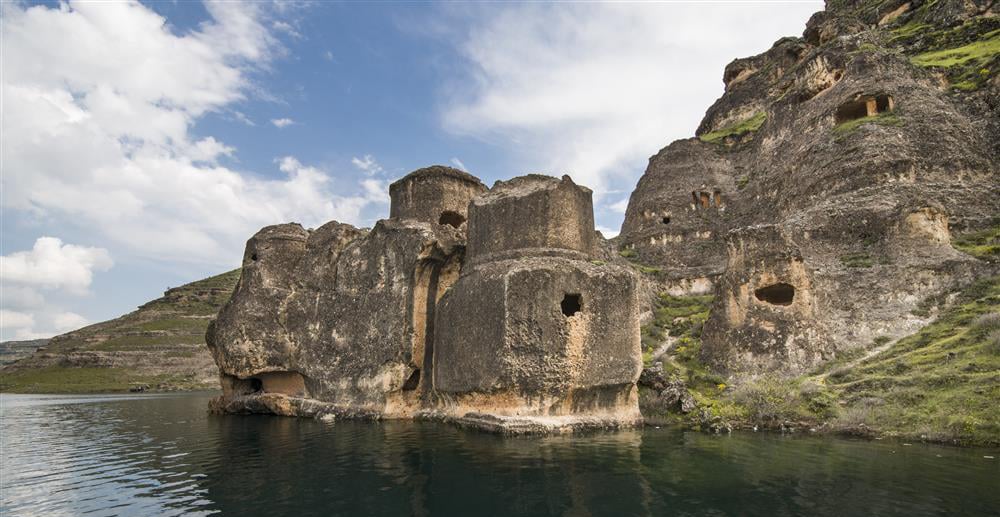
Perched dramatically amidst the rugged landscapes of Turkey, Egil Stone Castle stands as a silent sentinel, its ancient stones whispering tales of empires, conflicts, and enduring human ingenuity.
This remarkable fortress, carved directly from natural rock formations, offers a captivating glimpse into millennia of Anatolian history.
From its strategic vantage point, Egil has witnessed the march of countless civilizations, leaving an indelible mark on its formidable walls and intricate interiors. It’s a must-visit for history enthusiasts and adventurers alike, showcasing unparalleled architectural adaptation and historical depth.
Anatolia's Rock-Hewn Bastion: Tracing Egil's Deep Roots
The story of Egil Stone Castle is interwoven with the very fabric of Anatolian history, stretching back far beyond its most visible medieval fortifications. Archaeological evidence suggests the site's strategic importance was recognized much earlier, potentially by Hittite or even earlier Bronze Age communities.
Its commanding position overlooking the Tigris River Valley made it an invaluable asset for controlling trade routes and defending territories. While detailed early records are scarce, the sheer scale and longevity of human habitation here speak volumes about its enduring significance.
From Urartian Stronghold to Roman Garrison
Though often associated with later periods, the foundations of Egil's defensive might likely took shape much earlier. Fragments found in the vicinity hint at Urartian influence, a powerful Iron Age kingdom known for its sophisticated rock-cut architecture.
Later, as the Roman Empire expanded eastward, Egil would have served as a critical frontier outpost, vital for monitoring movements along its eastern borders. The Romans, masters of military engineering, would have undoubtedly utilized and enhanced the site's natural defenses, integrating it into their vast network of fortifications across Asia Minor.
Carved from the Living Earth: Egil's Architectural Marvels
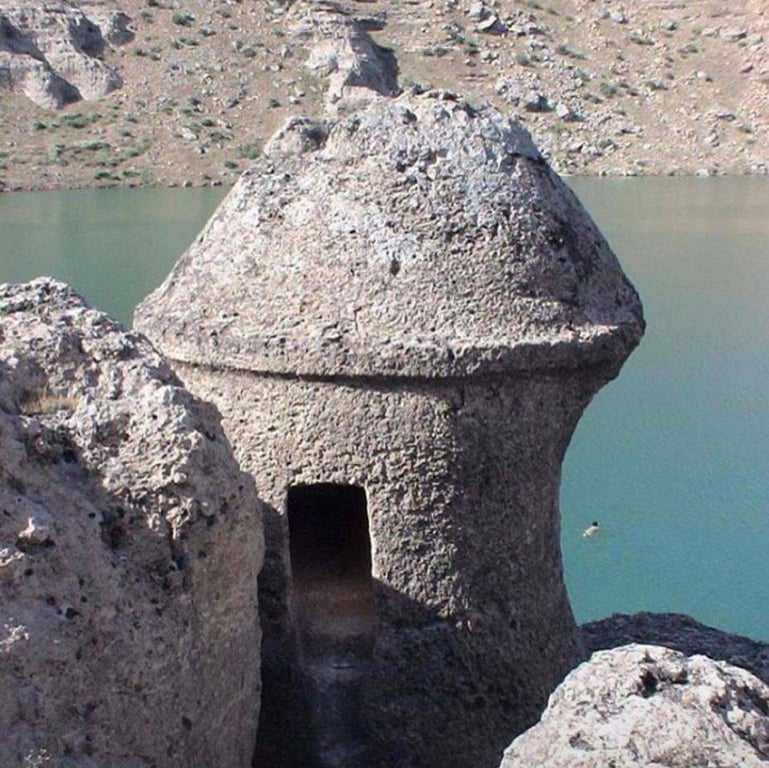
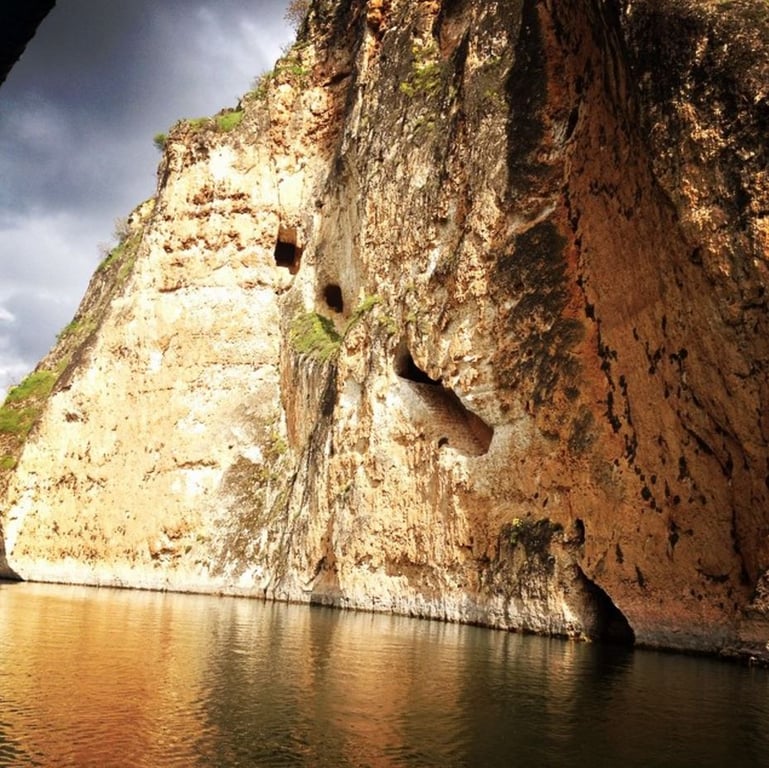
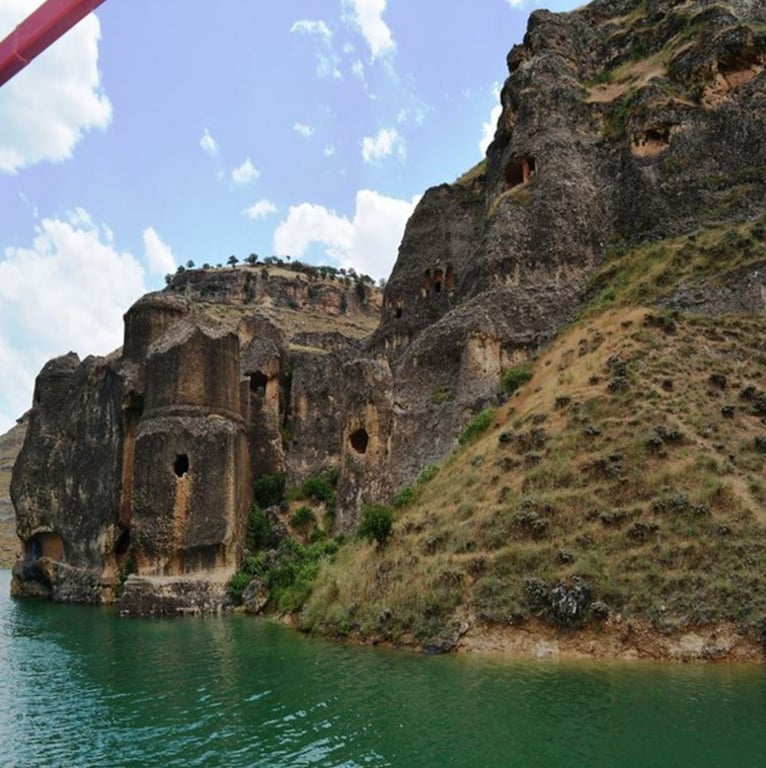
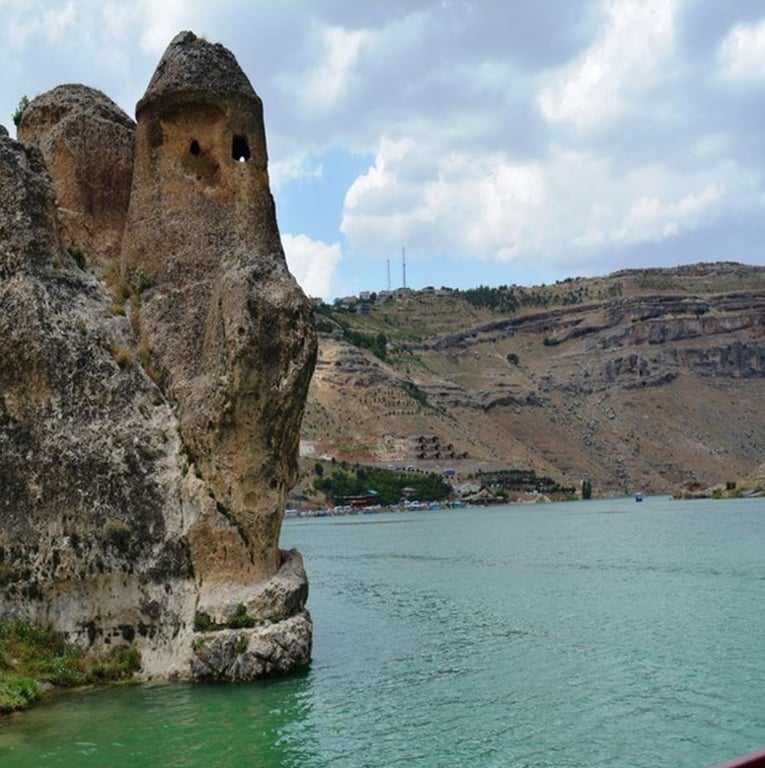
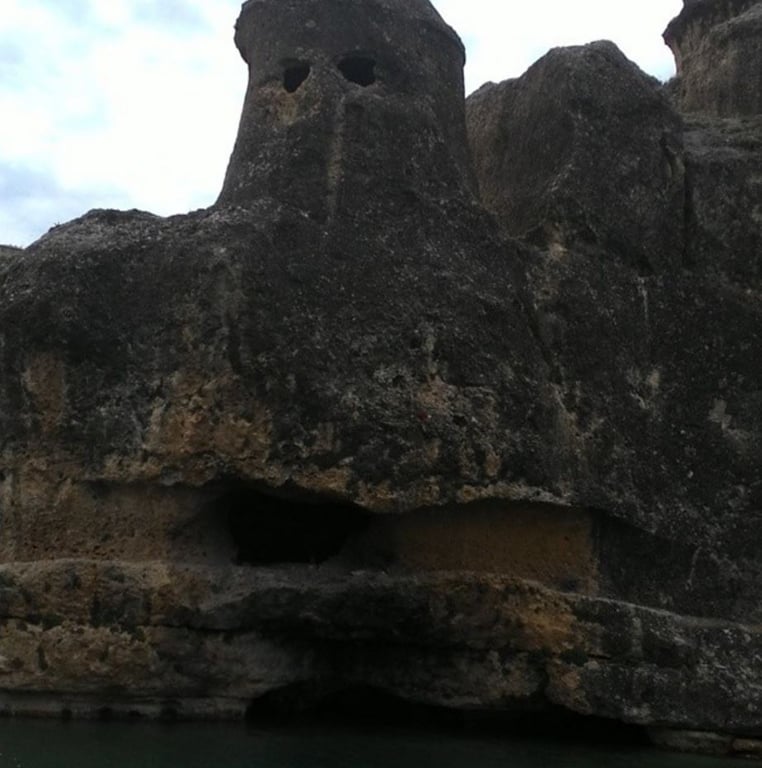
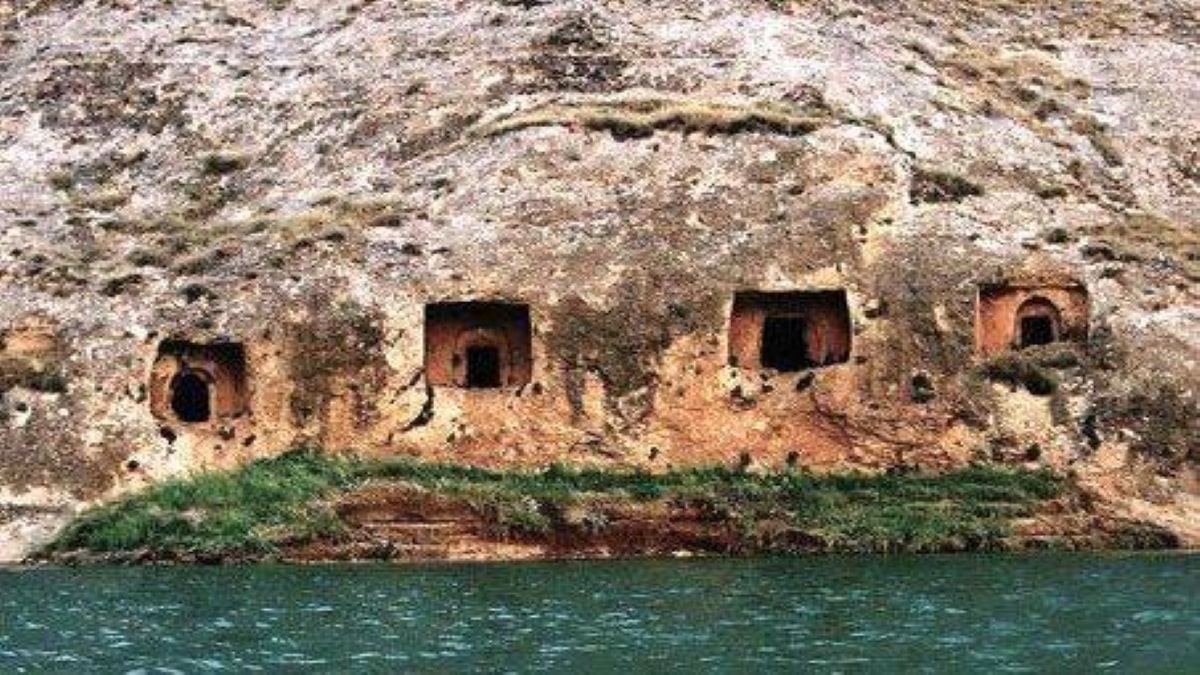
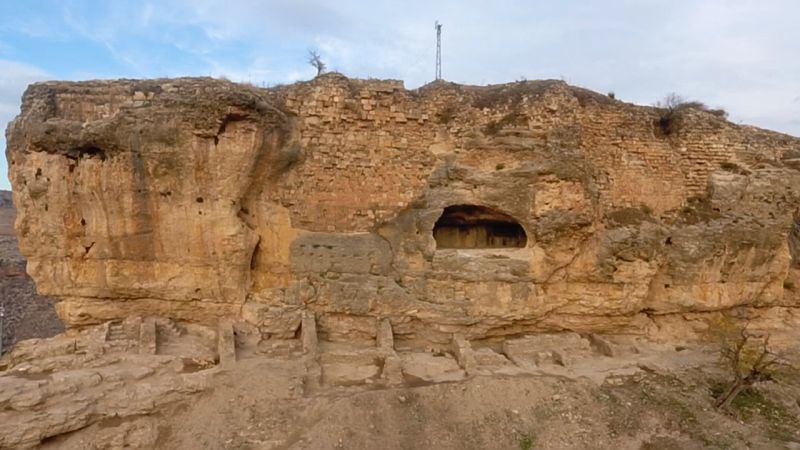
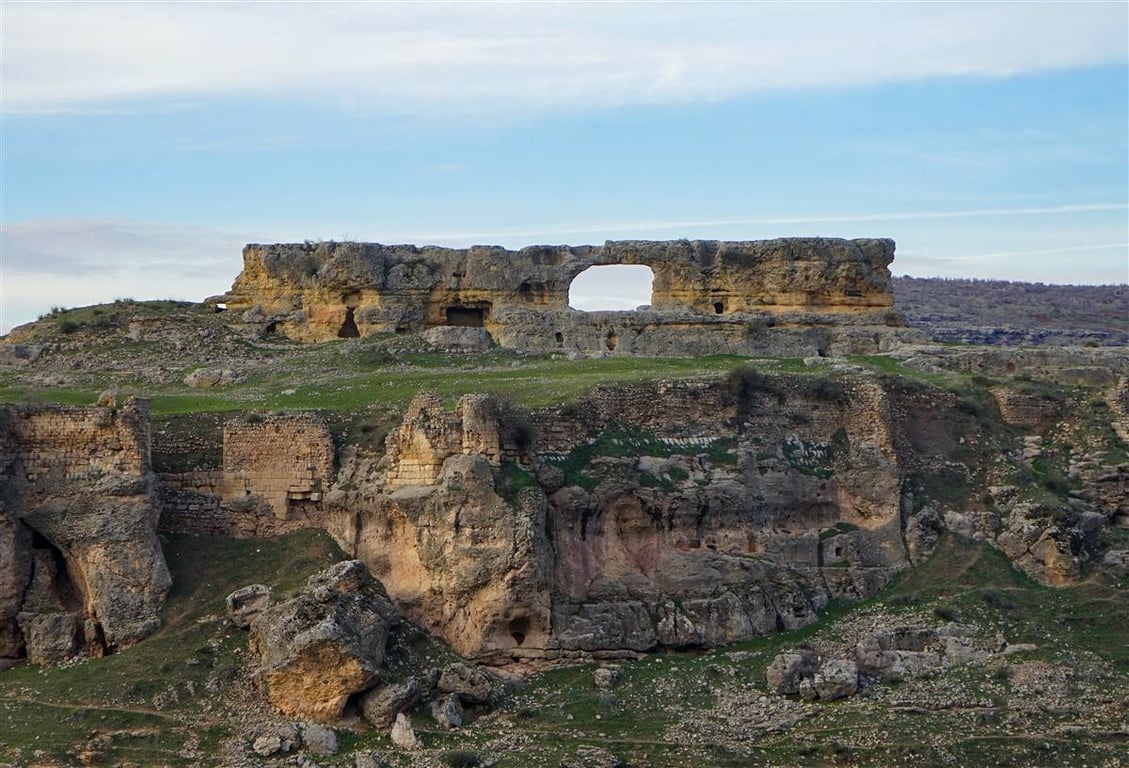
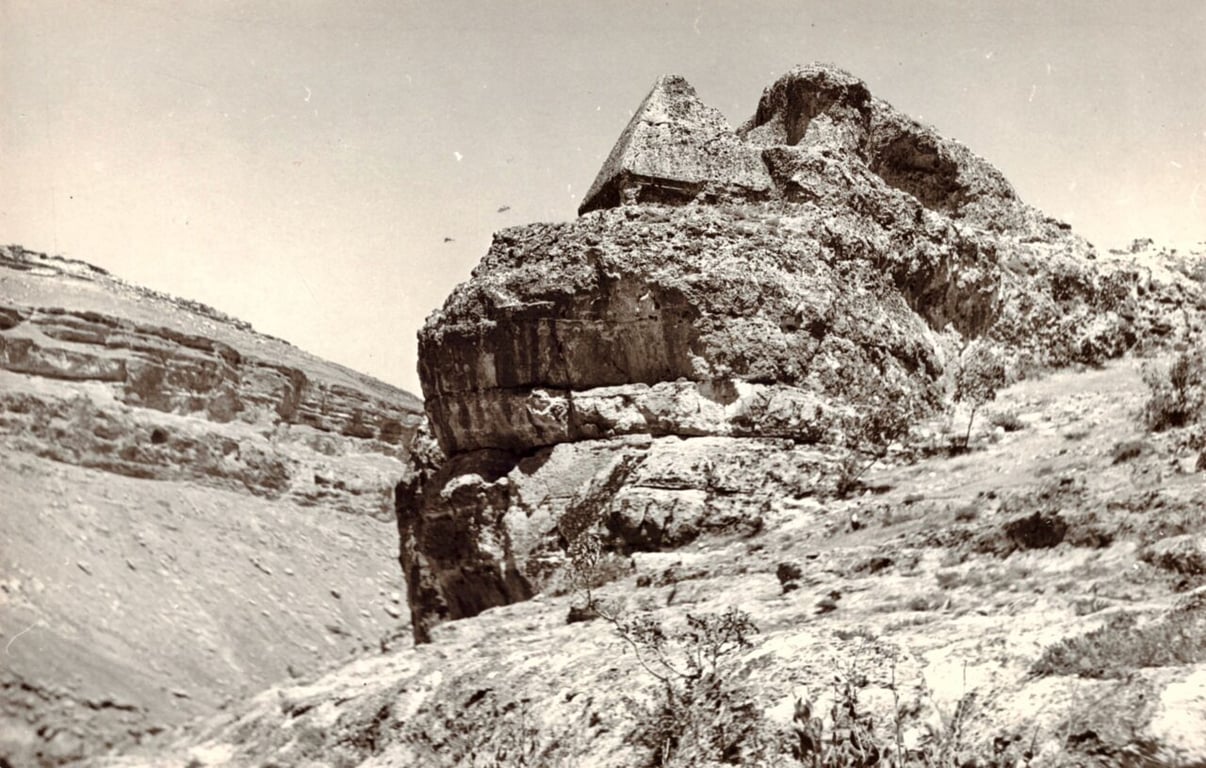
Egil Stone Castle is not merely built upon rock; in many places, it *is* the rock. Its most striking feature is the extensive use of natural cliffs and caves, meticulously carved and adapted to form defensive walls, living quarters, and intricate passageways.
This symbiotic relationship between human construction and natural geology creates a unique and unyielding fortress. The visual impact of these sheer rock faces, integrated seamlessly with hewn stone and mortar, is truly breathtaking.
The Citadel's Stony Embrace
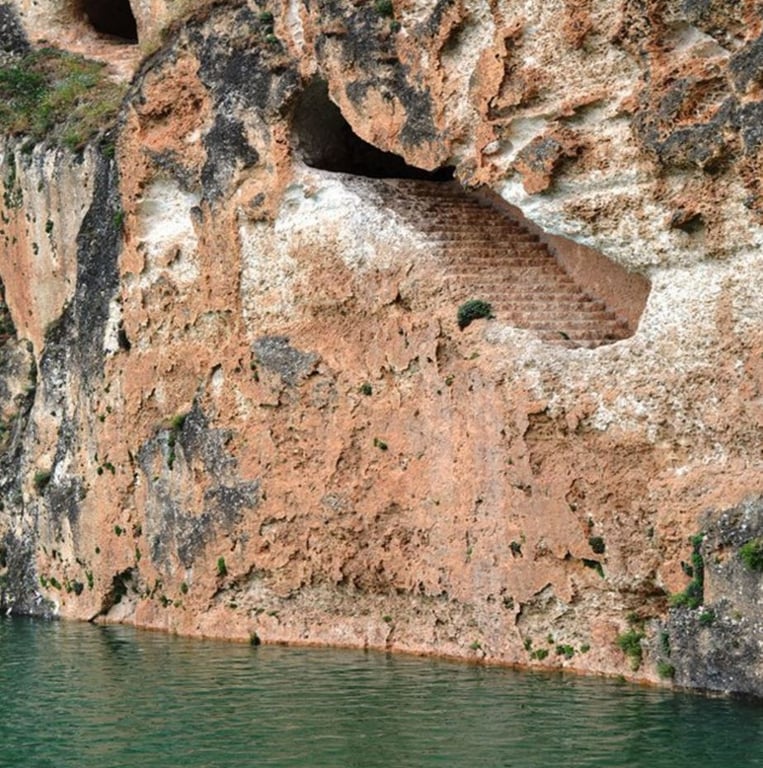
The core of Egil Stone Castle is its citadel, a testament to centuries of defensive evolution. Here, you’ll find a labyrinth of chambers, cisterns, and staircases, many carved directly into the rock. Exploring these dark, cool passages evokes a powerful sense of the past, imagining the lives of soldiers and royalty who once sought refuge within its formidable embrace.
The ingenuity required to transform such a challenging landscape into a secure and functional stronghold is astonishing, reflecting a deep understanding of both engineering and geology.
Whispers of Warriors and Faith: Egil's Enduring Legacy
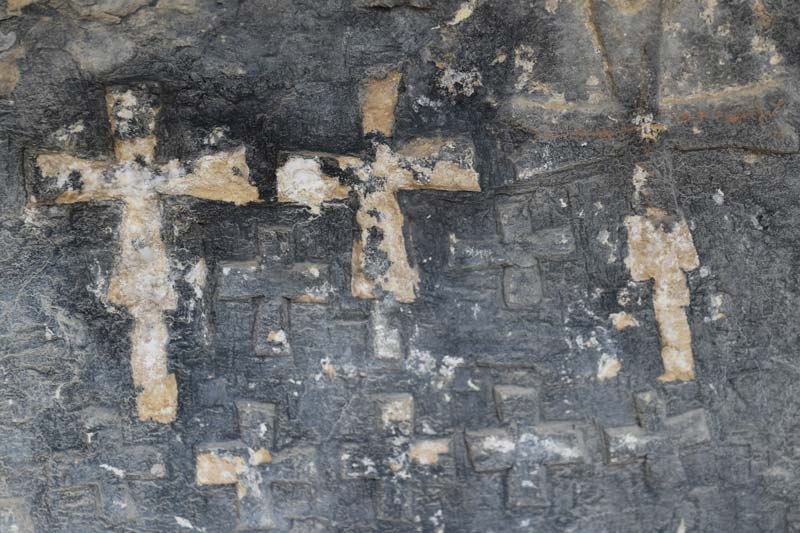
Beyond its military prowess, Egil Stone Castle carries a rich cultural and religious importance, serving as a crossroads of civilizations. Over the centuries, it has been influenced by a tapestry of cultures, including Armenian, Byzantine, Seljuk, and Ottoman, each leaving its own imprint on the site. Its strategic location also meant it played a role in the spread and defense of various faiths.
A Sentinel of Shifting Powers
Egil's history is punctuated by its role in numerous conflicts. From Arab invasions to Crusader skirmishes and Mongol incursions, the castle stood resilient, changing hands only to be rebuilt and reinforced. It served as a critical defensive point for various regional powers, including the Ayyubids and the Artuqids, who further enhanced its fortifications. Each successive power recognized its unparalleled strategic value, investing in its continued strength and longevity.
Time-Worn Watchtower: Preservation and Pilgrimage
Today, Egil Stone Castle stands as a magnificent archaeological site, offering a poignant connection to Turkey's layered past. While time and natural erosion have taken their toll, significant portions of the rock-cut architecture and stone fortifications remain, providing ample scope for exploration and historical reflection.
Journey to the Tigris Overlook
Visiting Egil Stone Castle involves an engaging journey, often requiring a bit of an uphill trek to fully appreciate its grandeur and panoramic views of the Tigris River.
The site is a fantastic destination for those interested in exploring less-trodden historical paths, offering a serene yet powerful experience away from more crowded tourist destinations.
Efforts are ongoing to preserve its unique structures, ensuring that future generations can marvel at this extraordinary example of rock-cut defensive architecture and understand its pivotal role in regional history.
Egil Stone Castle, while commanding respect for its sheer antiquity and strategic brilliance, holds far more than just chronicles of conquering empires.
Buried deep within its weathered rock faces and circulating among the local populace are narratives far stranger and more captivating than any conventional historical text.
These are the whispers of forgotten eras, the echoes of beliefs long since deemed superstition, and the tantalizing glimpses into a past that defies easy categorization.
The Echoes in the Rock: Beyond the Assyrian Chronicles
While often attributed to Assyrian ingenuity, whispers among regional historians suggest a far more ancient, pre-Sumerian lineage for certain basal elements of Egil. It's theorized that the most primitive rock-carved dwellings and cryptic symbols found deep within the castle's foundations may predate known regional settlements by millennia, suggesting a civilization whose existence is barely hinted at in mainstream archaeology.
Were these early inhabitants master stonemasons or merely adapting existing natural formations that served an unknown, ceremonial purpose long before any fortress stood?
The Silent Language of the Petroglyphs
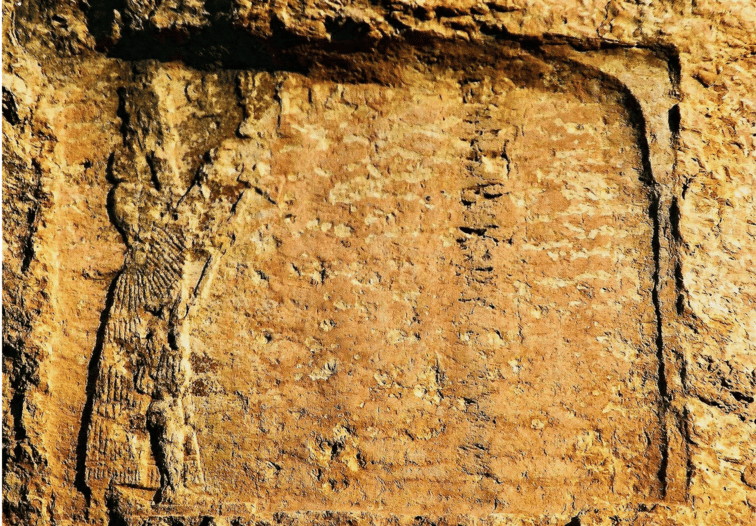
Scattered in seldom-visited nooks and crannies of Egil are enigmatic petroglyphs and faded carvings that bear little resemblance to known Assyrian or Urartian iconography. Some researchers posit these are remnants of a lost pictographic language, perhaps a spiritual language of a forgotten Iron Age people who viewed the monumental rock as sacred.
The symbols often depict celestial bodies and abstract geometric patterns, sparking debate about possible astronomical observatories or cultic practices unknown to conventional history.
Guardians of the Netherworld: Local Lore and Hidden Passages
The craggy peaks surrounding Egil are steeped in local folklore, painting the castle not just as a military stronghold but as a liminal space, a gateway between worlds. Tales persist of hidden, labyrinthine tunnels that extend far beyond the castle walls, linking to subterranean river systems and forgotten chambers said to house the spirits of ancient kings and even mythical creatures.
The Djinn's Treasury and the Cursed Ascent
One prevalent legend speaks of a "Djinn's Treasury" hidden deep within the most inaccessible reaches of the castle, guarded by unseen entities. It is said that only those with a pure heart, or perhaps those destined to rule, can navigate the cursed ascent to its entrance. Local villagers often warn against venturing into certain cave systems adjacent to the castle, claiming that malevolent djinn, disturbed by intruders, can lead travelers astray into eternal darkness or drive them to madness with their spectral whispers.
Impossible Geometry? Engineering and the Cosmic Blueprint
Beyond the known methods of ancient warfare and construction, certain architectural elements within Egil defy simple explanation. The sheer precision of some rock-hewn passages and chambers, especially those with perfectly smooth surfaces in solid rock, puzzles many engineers. How was such accuracy achieved without advanced tools, or was there an understanding of acoustics and vibrational frequencies that allowed for more "natural" rock shaping?
The Celestial Alignment Enigma
A recent, albeit controversial, theory proposes that key sightlines and shaft orientations within Egil align with specific astronomical events. It's suggested that these alignments might not be coincidental but rather a deliberate design by an unknown culture who incorporated a cosmic blueprint into the castle’s very structure.
Could parts of Egil have served a dual purpose – a fortress and a sophisticated celestial calendar or observatory, connecting the human realm with the movements of the heavens?
Egil Rock-Cut Castle — photo gallery
Egil Rock-Cut Castle — collectible cards
Collectible cards for this site — AI-generated illustrations from our memory game, not photographs of the site.