Cerveteri Necropolis
Explore Cerveteri, where Etruscan subterranean cities echo the lives of a sophisticated civilization. Discover monumental tombs mirroring ancient domestic architecture.
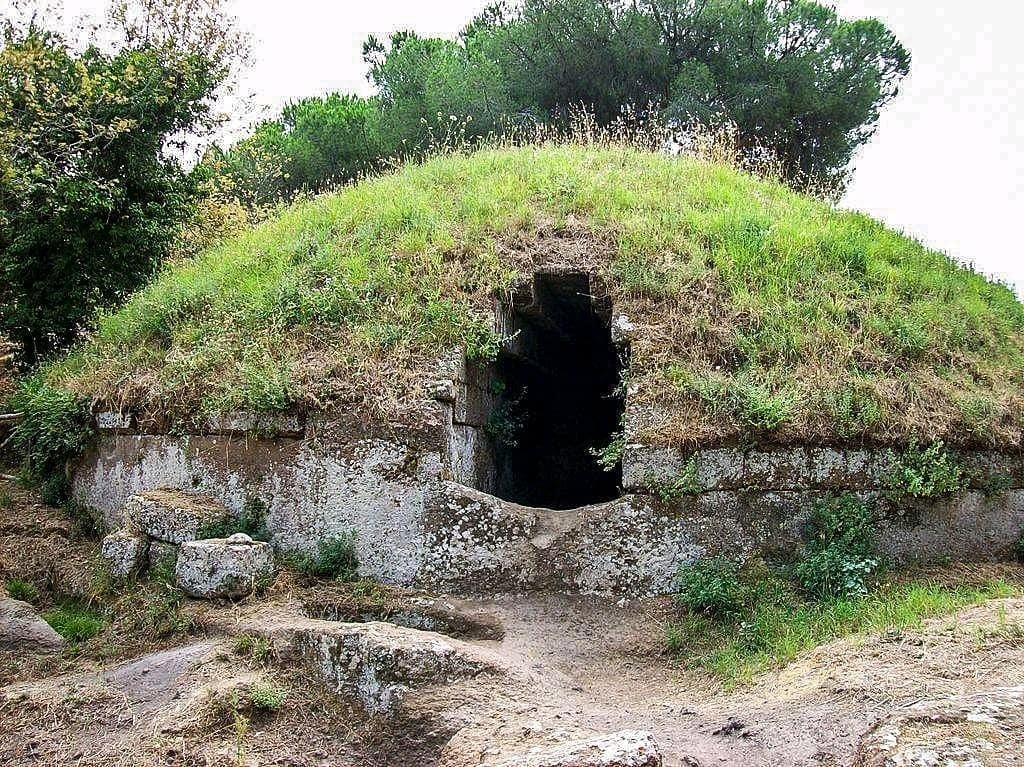
Journey back in time to the ancient and mysterious world of the Etruscans at the Cerveteri Necropolis, one of Italy's most significant archaeological sites.
Officially known as the Necropolis of Banditaccia, this vast "city of the dead" near present-day Cerveteri, Italy, offers an unparalleled glimpse into the sophisticated civilization that predated the Roman Empire.
Recognized as a UNESCO World Heritage Site, Cerveteri's necropolis is a monumental testament to Etruscan funerary practices, architectural ingenuity, and deeply held beliefs about the afterlife, drawing history enthusiasts and archaeologists alike to its ancient pathways.
Historical Background
The Etruscan city of Caere, the ancient name for Cerveteri, was one of the most powerful and prosperous Etruscan city-states, flourishing from the 9th to the 3rd century BCE. Its strategic location near the Tyrrhenian coast allowed it to become a major maritime and agricultural hub, engaging in extensive trade with Greece, Phoenicia, and other Mediterranean cultures.
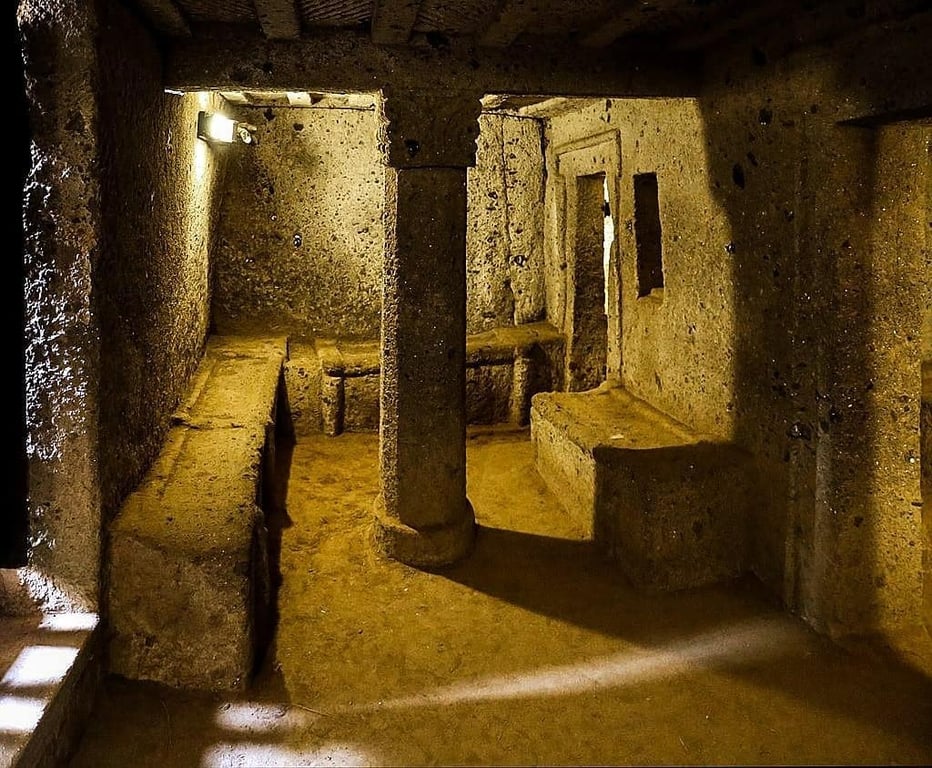
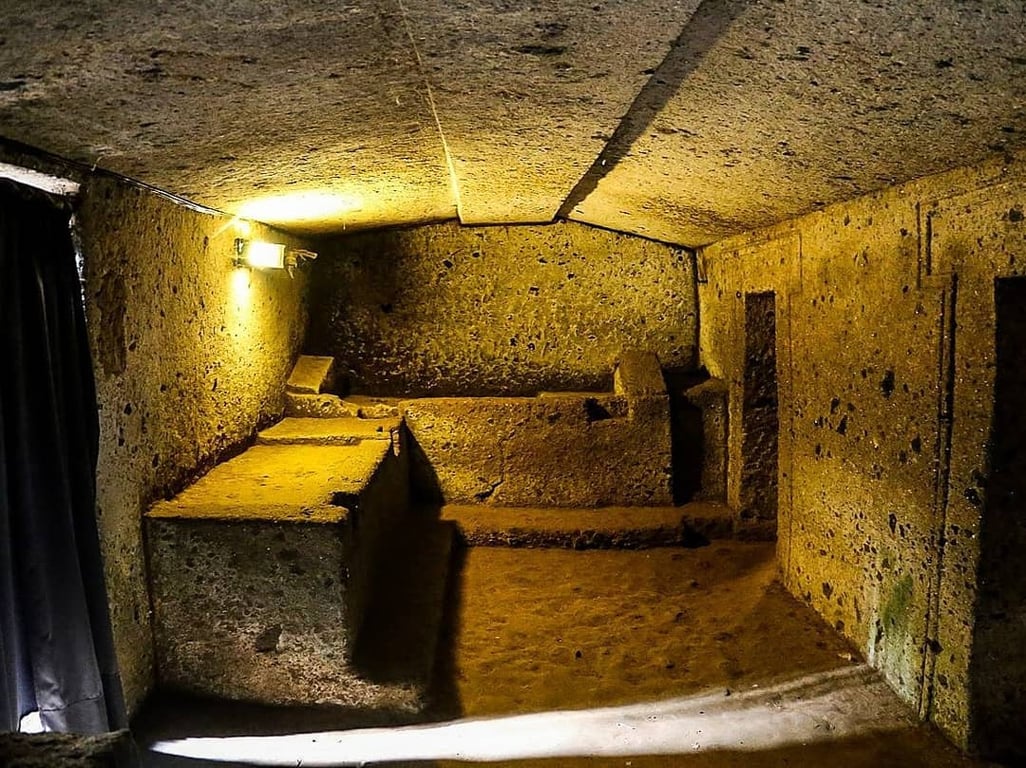
The Necropolis of Banditaccia served as the burial ground for many generations of Caeretan citizens, from its early Villanovan origins to its decline under Roman influence. The elaborate tombs reflect the societal structure and wealth of the Etruscans, evolving from simple pit graves to complex, multi-chambered subterranean dwellings designed to mimic the homes of the living.
Physical Description & Notable Features
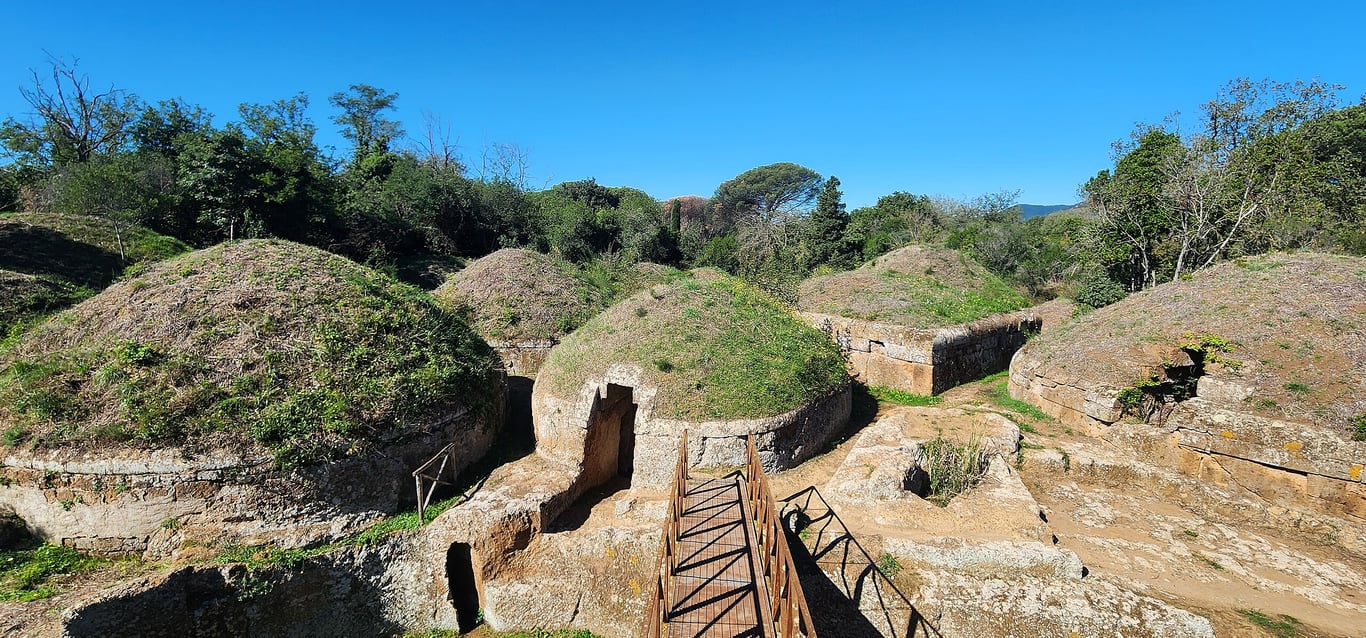
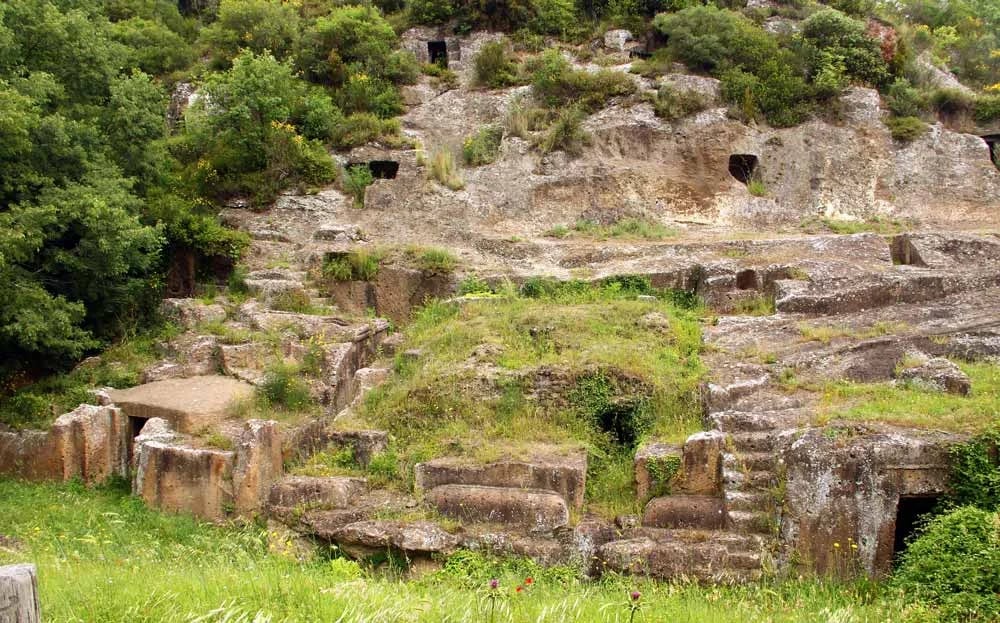
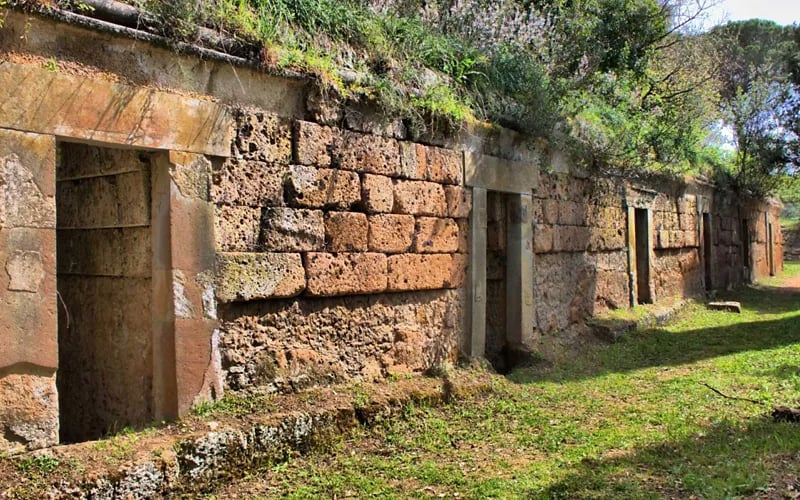
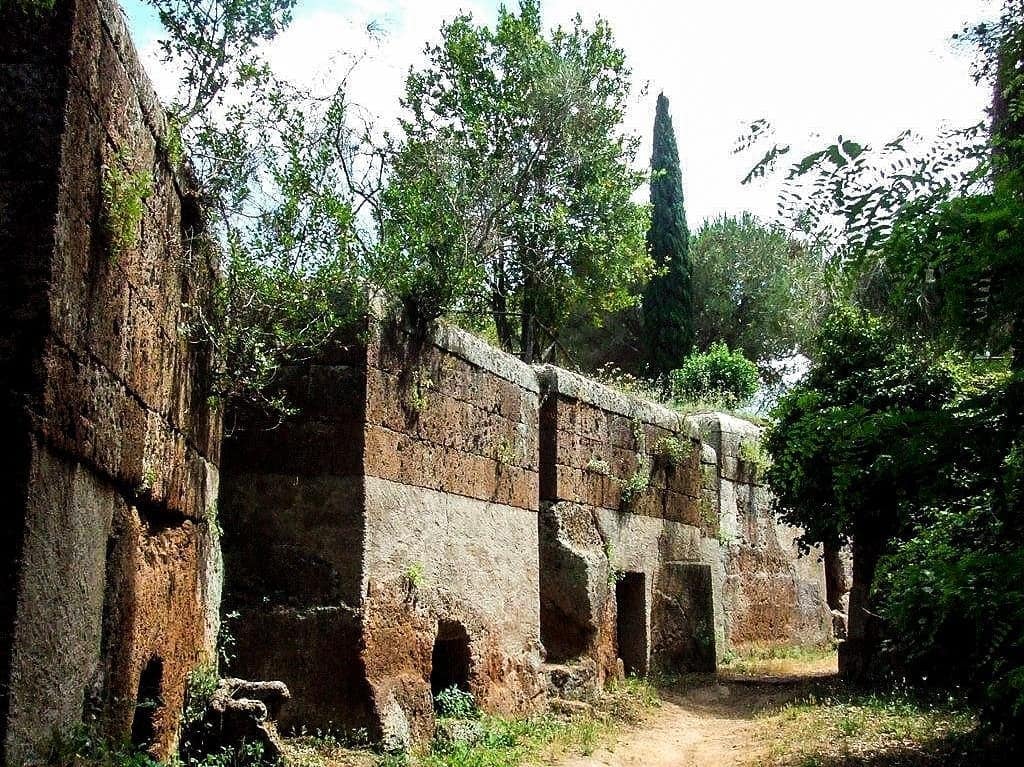
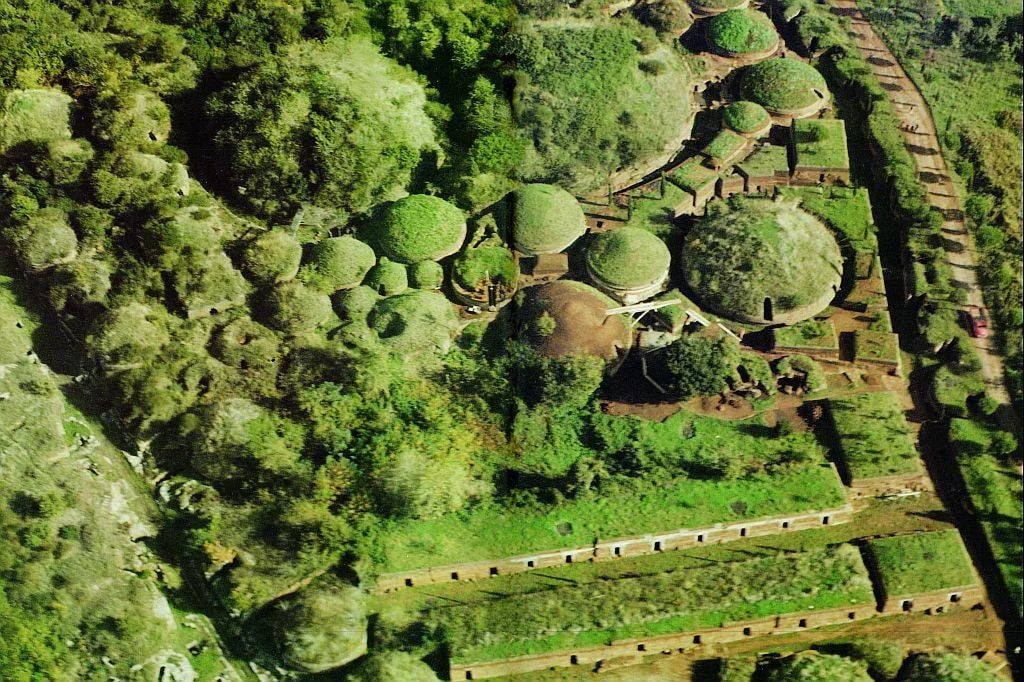
Spanning over 400 hectares, the Cerveteri Necropolis is a sprawling complex that truly resembles a city. Its streets, squares, and thousands of tombs, many carved directly into the soft tufa rock, present an extraordinary urban plan for the deceased.
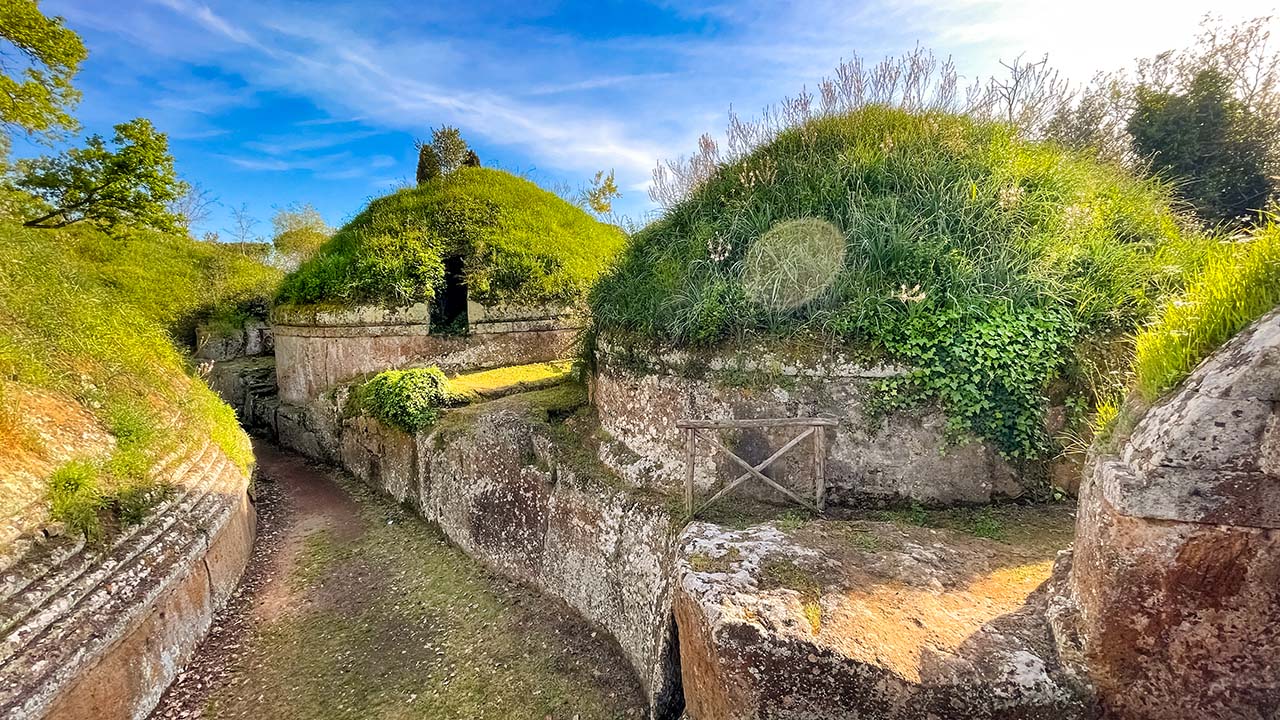
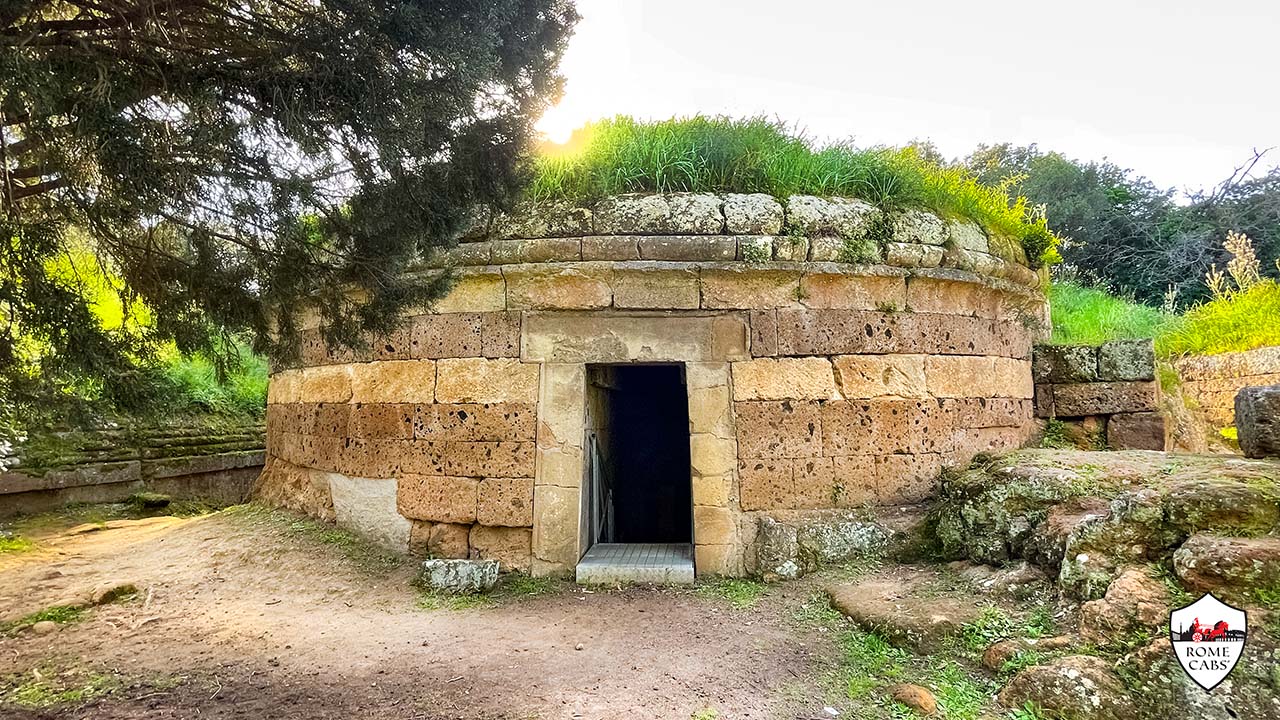
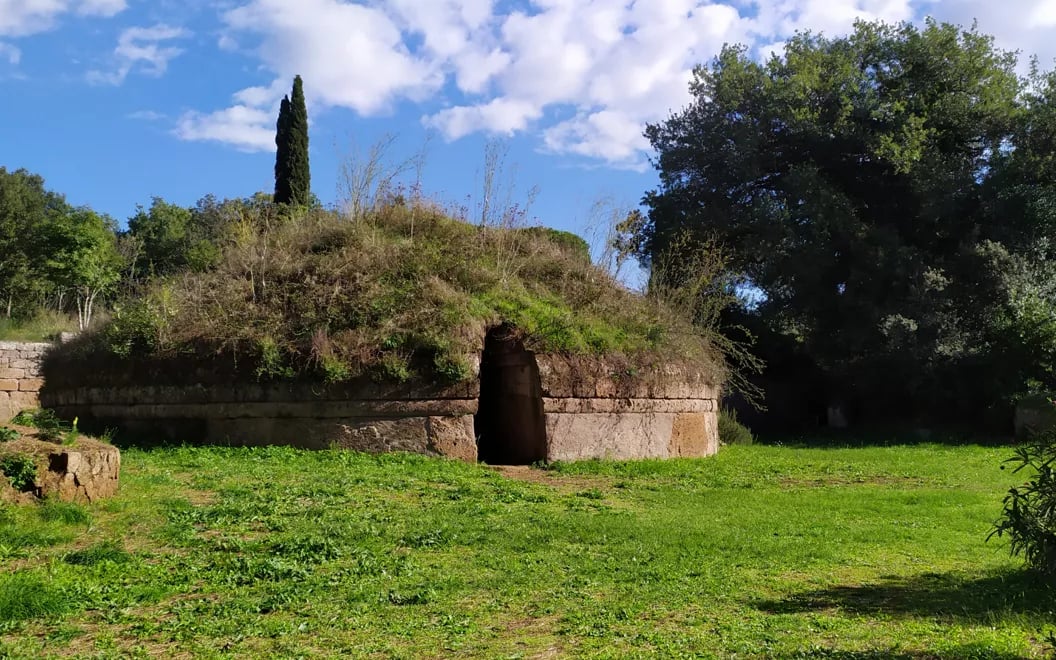
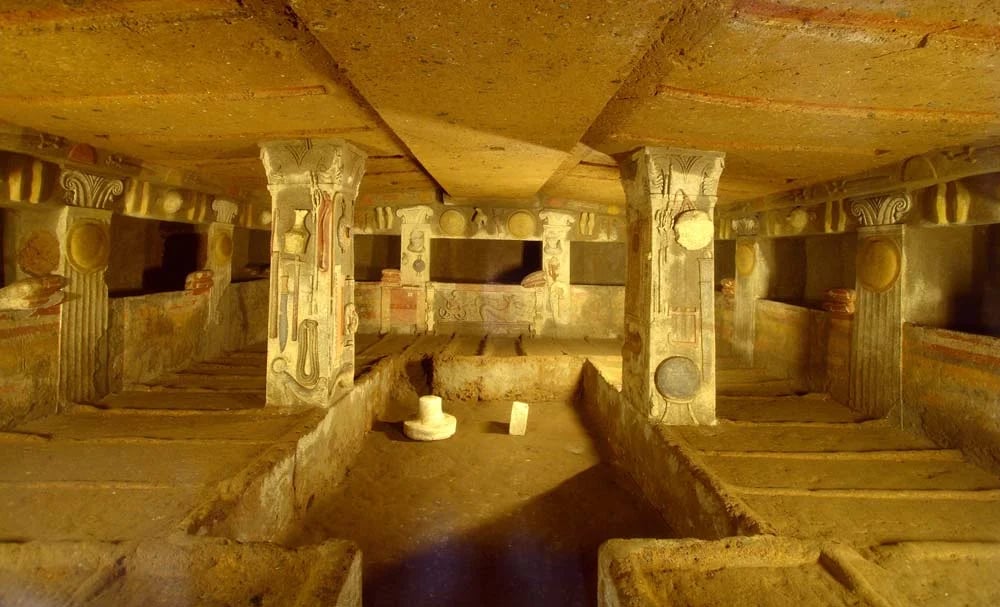
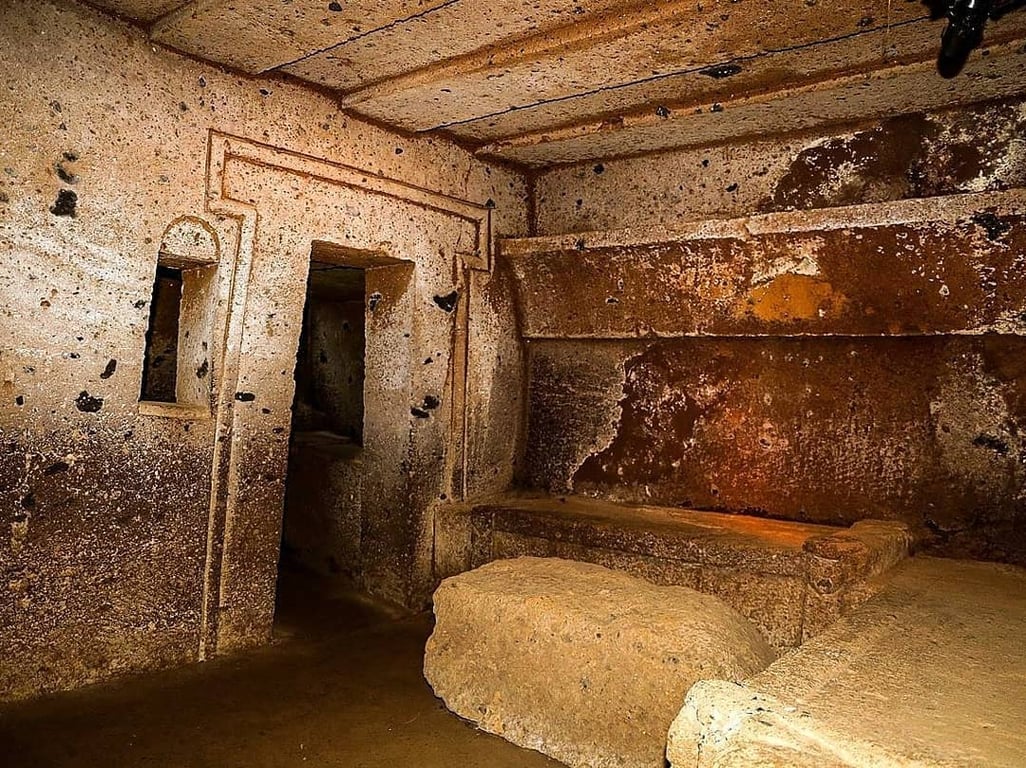
The most striking features are the tumuli, large circular mounds of earth covering one or more subterranean tombs. These tumuli, with their characteristic architectural façades, are often adorned with ornamental details. Inside, the "Tomb of the Capitals" and the "Tomb of the Shields and Chairs" are particularly famous, showcasing elaborately carved ceilings, beds, and decorative elements that depict Etruscan domestic life, weaponry, and furniture, providing invaluable insights into their daily existence and craftsmanship.
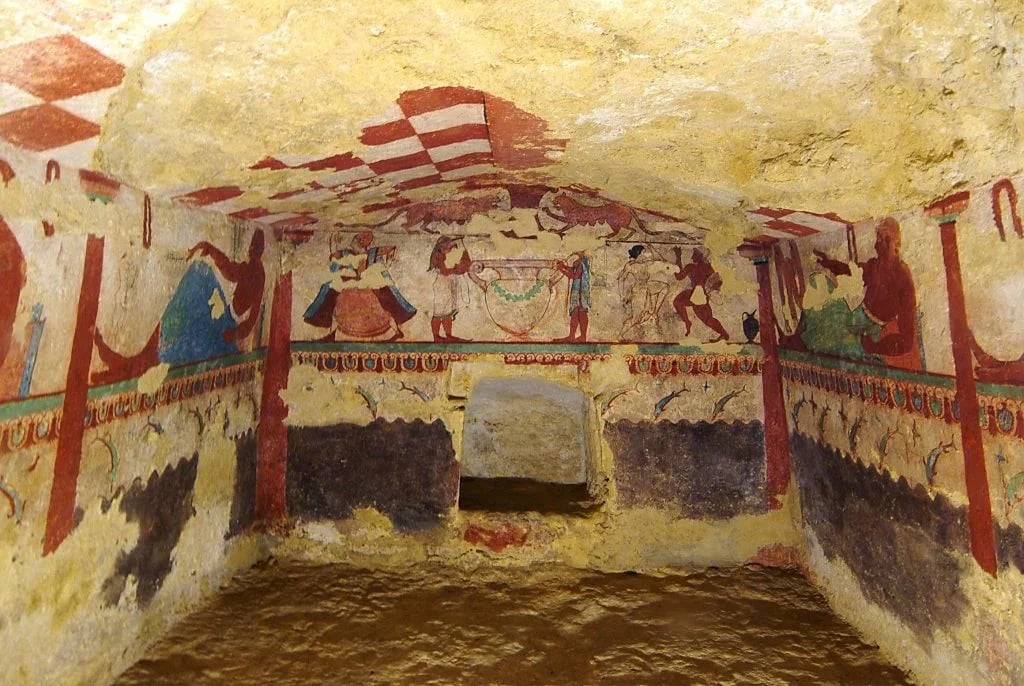
Another remarkable example is the "Tomb of the Reliefs," distinguished by its vibrant stucco reliefs depicting household objects, mythological creatures, and symbolic items, all painted in remarkably preserved colors.
Cultural & Archaeological Importance
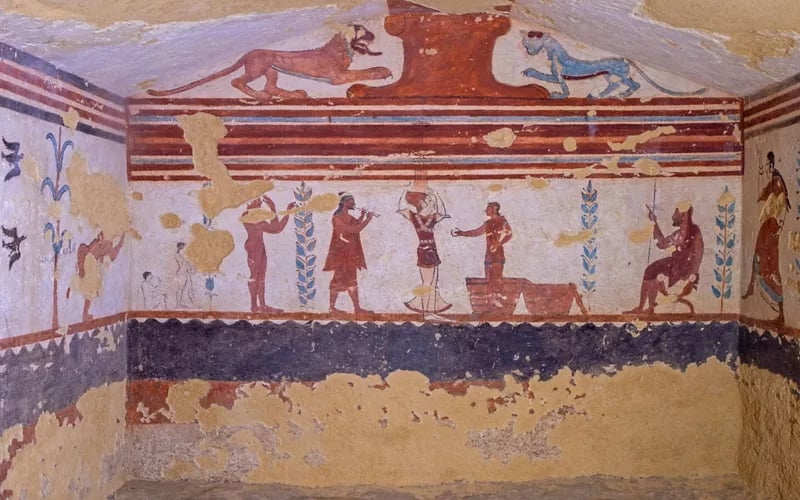
The Cerveteri Necropolis is invaluable for understanding Etruscan culture, religion, and art. The meticulously preserved tomb architecture and their contained artifacts - pottery, jewelry, bronzes, and wall paintings - have offered archaeologists crucial insights into Etruscan societal organization, technological capabilities, and their spiritual world.
The Etruscans believed in a vibrant afterlife, and their tombs were designed not merely as burial places, but as permanent residences for the deceased, equipped with all the comforts of home and treasures for the journey to the next world. This rich collection of evidence has been instrumental in piecing together the narrative of this influential civilization, which left a profound legacy on early Roman culture, from engineering techniques to religious rituals.
Preservation & Current State
As a UNESCO World Heritage Site since 2004 (along with the Tarquinia Necropolis), Cerveteri Necropolis receives significant attention for its preservation and conservation efforts. The site is open to the public, allowing visitors to explore many of its most impressive tombs.
Continuous archaeological investigations uncover new sections and artifacts, further enriching our comprehension of this ancient Etruscan necropolis. Modern conservation techniques are employed to protect the delicate rock carvings, frescoes, and structures from environmental decay.
Educational programs and guided tours enhance the visitor experience, making the Cerveteri Necropolis a vital destination for anyone seeking to connect with Italy's ancient past and the fascinating, enigmatic world of the Etruscans.
While the UNESCO-listed Necropolis of Banditaccia at Cerveteri is celebrated for its monumental tombs and meticulous urban planning for the deceased, a deeper dive into its shadowy corners reveals a tapestry woven with enigmatic practices, whispered legends, and archaeological debates that challenge our conventional understanding of the Etruscan world.
Far from being a mere collection of burial mounds, Cerveteri hints at a civilization deeply intertwined with the unseen, the symbolic, and perhaps, the supernatural.
Lesser-known Historical Facts
Beyond the well-documented tomb types, the strategic placement of certain burial chambers at Cerveteri raises intriguing questions. Some archaeologists posit that the orientation of specific *tumulus* tombs, particularly those aligned with solar or stellar events, suggests an advanced understanding of archaeoastronomy, perhaps even a calendrical system for guiding rituals related to the afterlife.
Unlike the more haphazard layouts seen in some other ancient cemeteries, the deliberate "urban planning" of Banditaccia may have extended to cosmic alignments, linking the journey of the deceased to celestial paths. This isn't just about burial; it's about connecting the earthly departure with a perceived heavenly destination.
The "Tomb of the Capitals" and its Architectural Anomalies
Often overlooked in favor of more famous examples, the so-called "Tomb of the Capitals" features architectural elements that seem out of place, even anachronistic, when compared to concurrent Etruscan styles. Its intricate carvings and unusual column designs have led some to propose an influence from an as-yet-undiscovered foreign culture, or perhaps the remnants of a much older, indigenous tradition that was later integrated and reinterpreted by the Etruscans themselves. Could it be a stylistic "fossil" from a forgotten precursor civilization?
Legends
Local folklore surrounding Cerveteri often speaks of "shadow figures" guarding the most ancient tombs, particularly during twilight hours. These aren't just modern ghost stories, but echoes of older Etruscan beliefs in powerful chthonic deities and ancestral spirits whose presence lingered within their elaborate subterranean dwellings.
Some legends suggest that certain tombs were not merely final resting places but served as portals or conduits, where priests (the *haruspices* and *augurs*) could commune with the underworld or glean portents from the deceased.
The Whisper of the "Forbidden Chamber"
While not a documented archaeological fact, local tales persist about a "forbidden chamber" beneath one of the larger *tumuli* that holds not human remains, but enigmatic artifacts or texts believed to possess immense spiritual power, protected by an ancient curse. This chamber is said to be inaccessible by conventional means, only revealing itself during specific astrological alignments or to individuals of pure intent – a classic folkloric motif that hints at a deeper, hidden spiritual dimension to the necropolis.
Controversies
The practice of cremation versus inhumation at Cerveteri, while well-documented, presents a subtle controversy. While the shift is often attributed to changing cultural preferences, some theories propose a deeper, even esoteric, reasoning.
Could the choice of burial rite have been influenced by a philosophical schism regarding the nature of the soul and its journey post-mortem? Perhaps cremation was reserved for those whose 'essence' was meant to ascend, while inhumation symbolized a return to the earth, awaiting a different form of rebirth or transformation.
Mysterious Connections
Intriguing parallels have been drawn between some Etruscan burial practices at Cerveteri and those found in much older Mediterranean cultures, leading to debates about cultural diffusion and shared ancient knowledge networks.
The circular layout of some *tumuli* and the symbolic objects found within them sometimes echo even megalithic traditions, suggesting a subconscious or direct cultural substratum far older than the Etruscan civilization itself.
Was there a forgotten 'mother culture' whose influence subtly seeped into the very architecture of Cerveteri's city of the dead?
Cerveteri Necropolis — photo gallery
Cerveteri Necropolis — collectible cards
Collectible cards for this site — AI-generated illustrations from our memory game, not photographs of the site.