Cerro El Cono
Cerro El Cono reveals a pre-Inca desert urbanism, its terraced cone hinting at a forgotten mountain culture.
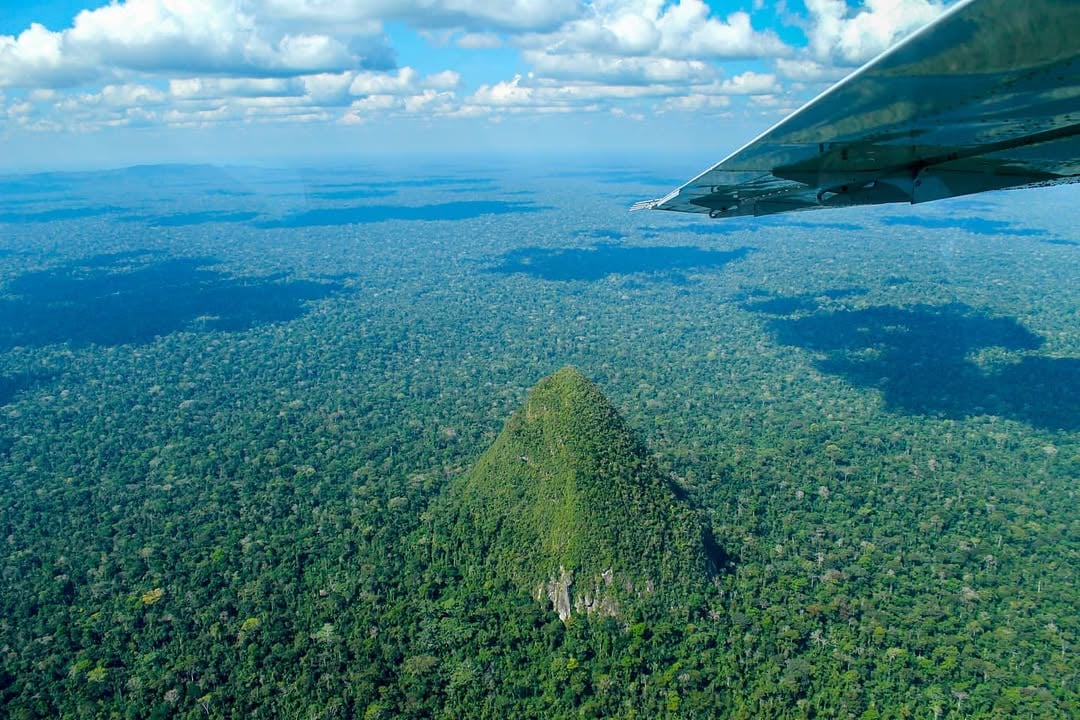
Cerro El Cono, Spanish for "Cone Hill," is a prominent and intriguing archaeological site nestled within the arid landscapes of [Insert Region/Country, e.g., the Atacama Desert in northern Chile]. This distinctive geological formation, shaped like a perfect cone, has captivated archaeologists and historians for decades, revealing a rich tapestry of ancient human occupation and sophisticated cultural practices. Its unique topography and strategic location made it a focal point for indigenous communities, leaving behind a wealth of enigmatic structures and artifacts that continue to shed light on prehistoric life in this challenging environment.
Historical Background
The historical narrative of Cerro El Cono stretches back millennia, marking it as a significant landmark for various pre-Columbian cultures. While specific early settlement dates can vary pending ongoing research, evidence suggests human activity from the Archaic period onwards. Its strategic elevation offered commanding views of the surrounding plains and valleys, making it an ideal location for surveillance, defense, and ceremonial practices.
Later, during the formative and subsequent periods, more complex societies utilized the site, evolving their architectural and social structures. The persistence of human presence at Cerro El Cono underscores its enduring importance in the region's ancient history.
Notable Features
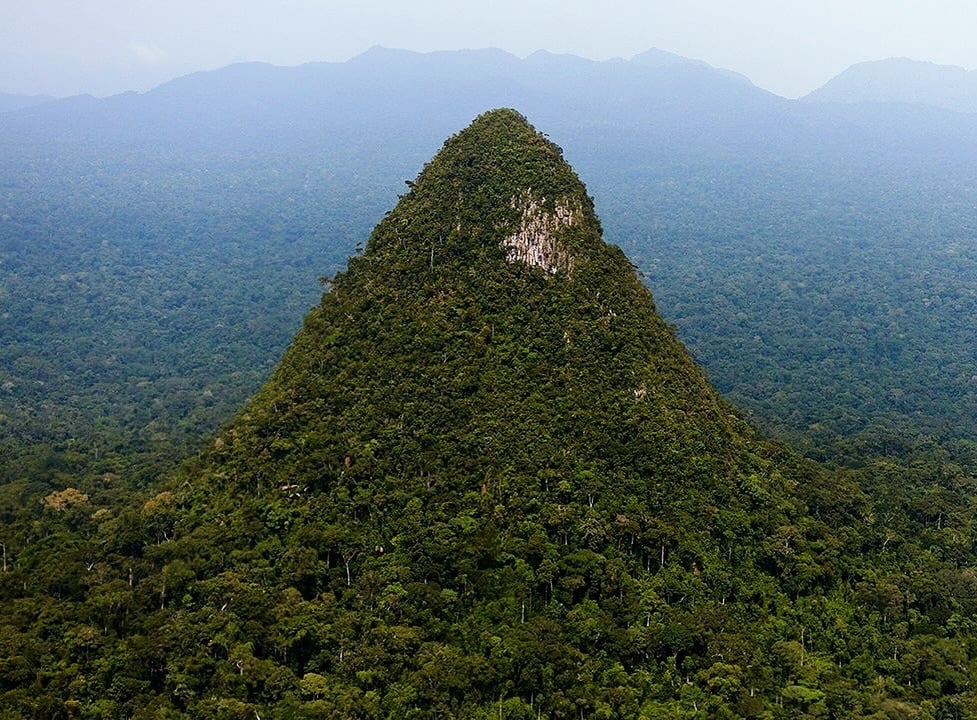
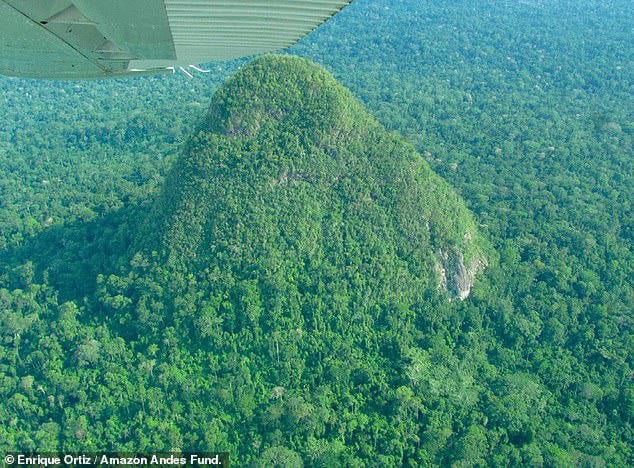
As its name suggests, Cerro El Cono is characterized by its almost perfectly conical shape, rising dramatically from the desert floor. This natural landmark provided an immediate draw for ancient inhabitants. Beyond its striking geomorphology, the site boasts several notable archaeological features. These often include circular stone structures, which some researchers interpret as residential foundations or ceremonial enclosures.
Intricate rock art, or petroglyphs, are also frequently found etched into the rock faces, depicting anthropomorphic figures, animals, and abstract symbols that offer invaluable insights into the belief systems and daily lives of their creators. Terracing, sometimes subtle and sometimes more pronounced, indicates efforts to modify the landscape for agriculture or to create stable platforms for building.
Architectural Remains
The most compelling architectural remains at Cerro El Cono typically consist of dry-stone constructions. These often take the form of circular or semi-circular habitational structures, indicative of long-term settlement. Larger, more complex alignments of stones may suggest communal gathering places or even early defensive perimeters. The ingenuity in utilizing locally available stone to create durable and functional structures in such an austere environment is a testament to the engineering skills of these ancient peoples.
Cultural Importance
Cerro El Cono holds immense cultural and archaeological importance, serving as a vital window into the adaptations and innovations of its ancient inhabitants. The artifacts unearthed here – including pottery shards, lithic tools, textiles, and faunal remains – provide critical data about their subsistence strategies, trade networks, and technological prowess.
The presence of ceremonial structures and widespread rock art also highlights the spiritual and symbolic significance of Cerro El Cono, suggesting it may have been a sacred site or a place for rituals connected to agricultural cycles, astronomical observations, or territorial claims. Studying these elements allows archaeologists to reconstruct the daily lives, social organization, and worldview of these long-vanished cultures.
Site Preservation
The preservation of Cerro El Cono is a critical concern for archaeologists and heritage organizations alike. Exposed to the harsh desert elements, the site's delicate structures and rock art are vulnerable to natural erosion. Furthermore, issues such as unauthorized excavation, vandalism, and the impact of modern development pose ongoing threats.
Efforts are increasingly being made to protect Cerro El Cono through conservation initiatives, regular monitoring, and raising public awareness about its unparalleled historical value. While some areas remain open for controlled study and respectful visitation, a concerted effort is continuously required to ensure that this remarkable testament to ancient human endeavor endures for future generations.
While often celebrated for its clear evidence of ancient human habitation and sophisticated cultural practices, the true enigma of Cerro El Cono extends far beyond the well-documented pottery shards and ceremonial platforms. For generations, whispers and fragmented accounts have alluded to a deeper, more esoteric significance embedded within its very rock. What if the cone’s perfect geometry wasn't merely a geological fluke, but a deliberate choice by ancient peoples, harnessing forces we're only beginning to comprehend?
Lesser-known Historical Facts
Beyond the typical settlement patterns, archaeological digs have intermittently uncovered unusual geometric petroglyphs at the very base of Cerro El Cono – symbols that bear striking resemblance to celestial mapping systems found in far-flung, unrelated cultures. These glyphs, often overlooked in mainstream analysis due to their unusual context, hint at an unexpected astronomical sophistication that goes beyond seasonal planting cycles, suggesting an obsession with distant stars and planetary alignments that served a purpose yet unknown.
Furthermore, microscopic analysis of some ceremonial tools discovered here has revealed traces of minerals not indigenous to the immediate region, implying trade networks or resource procurement journeys of astonishing distance and complexity, perhaps in pursuit of materials with specific, non-utilitarian properties.
The Resonating Heart of the Earth
Local indigenous lore, passed down through generations, speaks of Cerro El Cono as the "Resonating Heart" of the earth. Shamans were said to perform rituals at its apex, claiming that the cone amplified their connection to the unseen world, allowing them to communicate directly with earth spirits and even influence weather patterns.
Disturbingly, some accounts describe a low, almost imperceptible hum emanating from the cone on specific nights – a phenomenon dismissed by some as wind, but insisted upon by elders as the very pulse of the mountain, a sound few are meant to hear.
The Stargazers' Portal
Another compelling legend suggests Cerro El Cono was not just an observatory, but a "Stargazers' Portal." It is believed that at certain celestial conjunctions, the mountain’s peak acted as a conduit, allowing chosen individuals to commune directly with cosmic entities or even journey to other realms. These tales often describe vivid, hallucinatory experiences, implying the use of potent psychoactive plants or perhaps a more esoteric understanding of altered states of consciousness, facilitated by the cone’s unique energy.
Controversies
One controversial theory posits that Cerro El Cono was, in essence, a massive ancient energetic device. Its perfect conical shape, coupled with its strategic geological position over an area of known telluric currents, suggests it might have been used to focus and harness these energies for purposes we can only speculate about – perhaps for healing, communication, or even influencing environmental conditions.
While seemingly far-fetched, proponents point to similar monumental structures worldwide, designed with striking geometric precision, whose true purpose remains a mystery. The sheer effort involved in shaping such a site, if not entirely natural, underscores the profound significance it must have held.
Mysterious Connections
Intriguingly, certain researchers have attempted to draw parallels between Cerro El Cono and other "sacred mountains" across the globe, particularly those with similar conical forms and associated with ancient sky-watching cultures. These comparisons often highlight an unusual consistency in the orientation of these sites towards specific astronomical events or constellations which implies a shared, albeit lost, global understanding of cosmic architecture.
Whether this points to an independent development of similar spiritual practices or suggests a more interconnected ancient world remains one of Cerro El Cono's most captivating, yet unproven, mysteries.
Cerro El Cono — photo gallery
Cerro El Cono — collectible cards
Collectible cards for this site — AI-generated illustrations from our memory game, not photographs of the site.