Camel Carvings Site
Discover monumental camel reliefs etched into Saudi Arabian rock, a rare Neolithic glimpse into ancient pastoral life.
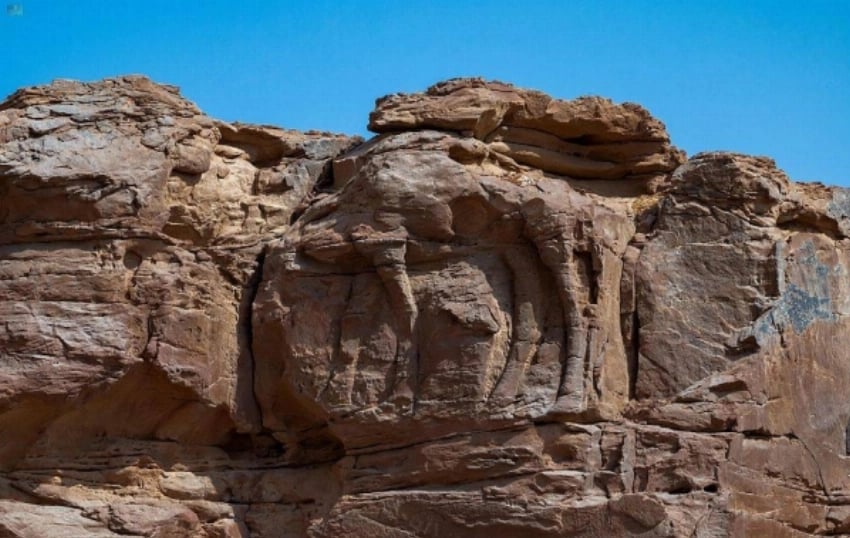
Nestled within the vast desert landscapes of northern Saudi Arabia lies an extraordinary archaeological marvel: the Camel Site.
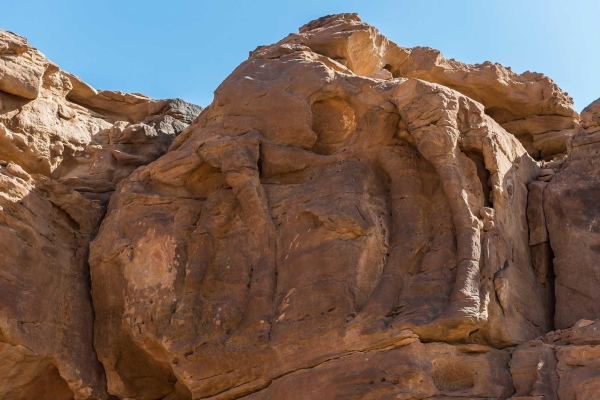
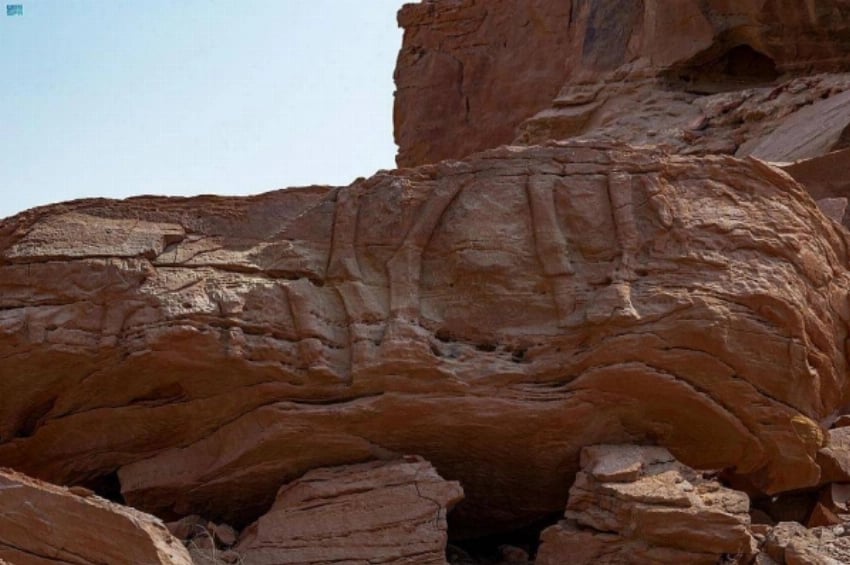
This ancient open-air sanctuary, also known as the "Camel Carvings Site," captivates with its monumental rock reliefs depicting majestic camels, equids, and bovids.
Discovered relatively recently, this site offers an unparalleled window into the artistic traditions, cultural practices, and ancient environment of early inhabitants of the Arabian Peninsula, solidifying its place as a crucial heritage destination in Saudi Arabia.
Historical Background
The Camel Site's history is deeply etched into its stone canvases. While initially thought to be much older, recent advanced dating techniques, including optically stimulated luminescence (OSL), have placed the creation of these remarkable reliefs somewhere between 5200 and 5600 BCE. This timeline positions the art within the Neolithic period, a time of significant cultural and societal transformation in the region. The artists responsible for these works belonged to pastoralist communities who roamed these very landscapes, subtly influencing the way we understand prehistoric life and early artistic expression in Arabia.
Discovery and Initial Interpretations
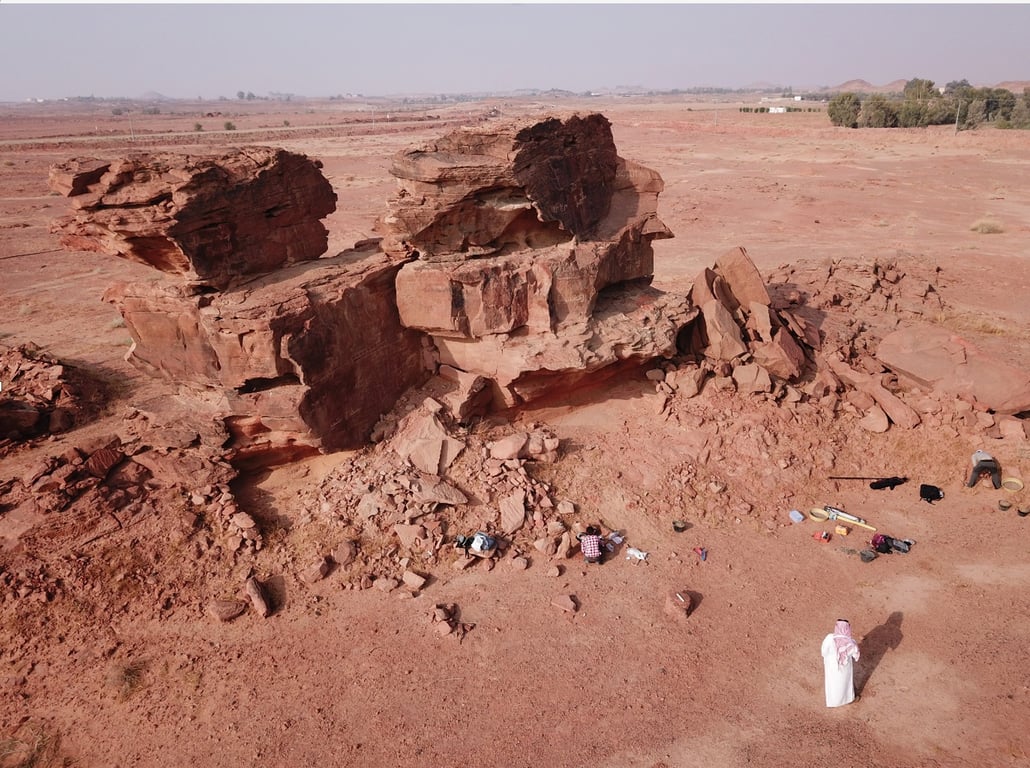
The site first came to significant international attention in the early 21st century, prompting extensive archaeological investigation. Its remote location in the Al-Jawf region meant it remained a hidden gem for millennia, largely untouched by time and human activity. Early interpretations debated the precise age and purpose of the carvings, but meticulous scholarly work has since illuminated its true antiquity and profound cultural significance.
Notable Features
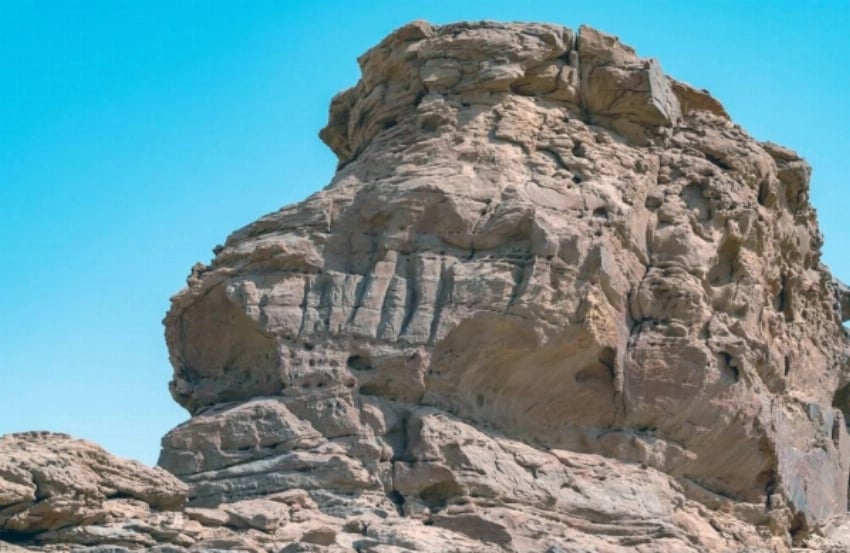
The Camel Site is distinguished by its stunning, life-sized carvings meticulously hewn into natural rock outcrops. The central focus is undoubtedly the depiction of incredibly detailed camels, some of which appear almost three-dimensional. These aren't merely crude etchings but sophisticated low-relief sculptures that showcase remarkable artistic skill and an intimate knowledge of animal anatomy.
Iconic Camel Carvings
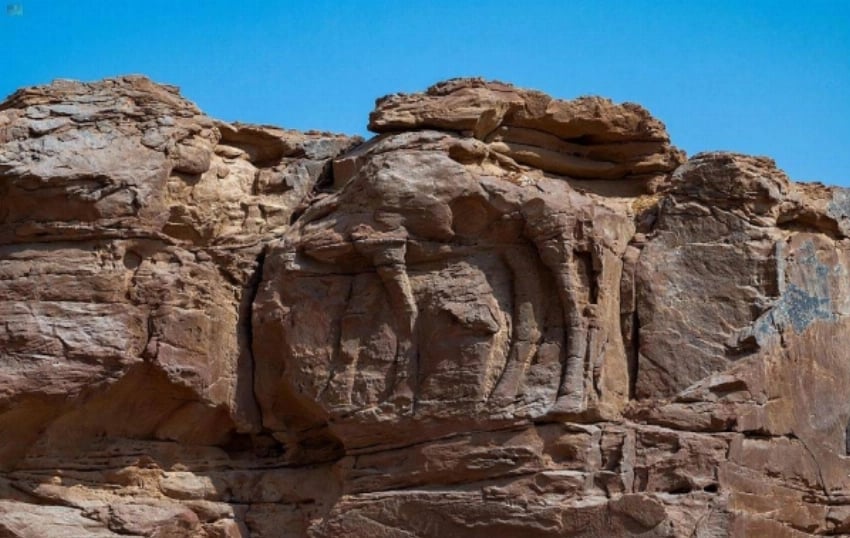
The most prominent features are the camel reliefs, typically rendered life-size or larger. The camels are depicted in varying postures, some standing proudly, others perhaps in procession. The level of detail, from their muscular bodies to their expressive features, is breathtaking. Accompanying these magnificent dromedaries are carvings of equids (horses or donkeys) and bovids (wild cattle), suggesting a rich faunal environment and the diverse animals that were important to these ancient communities.
Engraving Techniques
The artists employed a unique technique, meticulously pecking and abrading the rock surface to create these raised reliefs. The weathering patterns on the carvings are a testament to their great age, yet their forms remain remarkably clear, allowing us to appreciate the ancient artisans' mastery of their craft and their profound connection to the animal kingdom.
Cultural & Archaeological Importance
The Camel Site is far more than just a collection of old rocks; it's a profound cultural statement. Its intricate carvings provide invaluable insights into the symbolic world, animal domestication practices, and environmental conditions of Neolithic Arabia. The sheer scale and artistic ambition suggest a communal effort and a deeply spiritual or social purpose.
Window into Neolithic Life
The presence of wild cattle and equids alongside domesticable camels offers clues about the evolving relationship between humans and animals during this pivotal period. While camels were likely not fully domesticated at the site's creation, their prominent depiction suggests their burgeoning importance to human survival and culture. These reliefs serve as an archaeological archive, documenting the diverse fauna that once thrived in a greener, more fertile Arabian landscape.
Artistic Expression and Symbolism
The precision and artistry displayed at the Camel Site challenge previous notions about Neolithic art in the region. It hints at a sophisticated artistic tradition and possibly a ceremonial or territorial function for the site itself. The animals might have held symbolic meaning, representing power, sustenance, or even spiritual entities to the ancient inhabitants.
Preservation & Current State
Recognizing its immense historical and cultural value, the Saudi Arabian authorities are actively involved in the preservation and study of the Camel Site. It is a protected archaeological zone, with efforts focused on mitigating natural erosion and preventing human damage.
Conservation Efforts
Ongoing archaeological research and conservation initiatives aim to stabilize the fragile rock surfaces and protect the carvings from further degradation by wind, sand, and fluctuating temperatures.
Understanding the environmental history and the specific techniques used by the ancient artists is crucial for ensuring the long-term survival of this irreplaceable heritage site. The Camel Site continues to yield new discoveries, underscoring its role as a living testament to Saudi Arabia's deep and rich past.
While the monumental camel carvings of the Camel Site in Saudi Arabia are now recognized as a prime example of ancient Arabian rock art, much of its true purpose and the profound beliefs of its creators remain shrouded in the sands of time.
Beyond the sheer artistry and archaeological significance, whispers of celestial alignments, forgotten rituals, and cultural connections spanning continents hint at a history far richer and more enigmatic than initially meets the eye.
Lesser-known Historical Facts
Perhaps one of the most perplexing aspects of the Camel Site is its recent dating. Initially, scholars estimated the carvings to be around 2,000 years old, placing them within a relatively well-understood historical period. However, advanced luminescence dating techniques have pushed their creation back significantly, suggesting an age of 7,000 to 8,000 years.
This astonishing discovery places the site firmly within the Neolithic period, transforming our understanding of pre-Islamic Arabian societies and their artistic capabilities. This earlier date also raises questions about climate, as the region would have been considerably wetter, supporting the very bovids depicted alongside the camels.
Legends
The Desert's Breath and the Moving Stone
Local Bedouin oral traditions contain fragmented tales that might indirectly allude to sites like the Camel Carvings. One such legend speaks of "stones that breathe with the spirit of animals" – not in a literal sense, but suggesting a sacred connection between the living desert creatures and the static rock. Another lesser-known tale mentions specific outcroppings where "the ancients spoke to the sky through images etched into the earth."
While not directly naming the Camel Site, these narratives reflect a deep-seated respect for rock art and a belief in its powerful, possibly communicative, properties to unseen forces or past generations.
Unproven Theories & Controversies
Celestial Navigation and Seasonal Markers
One intriguing, yet unproven, theory posits that the orientation and placement of certain carvings at the Camel Site might have served a calendrical or astronomical purpose. Researchers have begun exploring whether the specific groupings or individual reliefs align with solstices, equinoxes, or the heliacal rising of significant stars. If substantiated, this would suggest a sophisticated understanding of celestial mechanics by Neolithic communities, transforming the site from mere art to a complex astronomical observatory or a ritualistic calendar marking crucial seasonal shifts for nomadic livelihoods.
Symbolic Power and Ritual Hunting
The abundance of large, powerful animals like camels and bovids at the site, juxtaposed with the apparent lack of narrative scenes depicting specific hunts, leads to another fascinating theory. It's argued that the carvings weren't just decorative or illustrative, but acted as "sympathetic magic" or a form of ritualistic power appropriation. By depicting these animals, the creators might have believed they were ensuring successful hunts, fertility of their herds, or even communicating with animal spirits for guidance and protection in a harsh environment. The act of carving itself could have been a potent ritual.
Mysterious Connections
The artistic style and thematic elements at the Camel Site have sparked debates about potential cultural diffusion or convergent artistic evolution across vast ancient landscapes. Some scholars draw stylistic parallels to rock art found in the Sahara region, particularly around areas that were once green and teeming with life. Is it possible that shared cultural templates or migratory patterns led to similar artistic expressions over millennia and across thousands of kilometers?
The Camel Site, with its recent dramatic re-dating, challenges us to reconsider how interconnected ancient societies in the Afro-Arabian land bridge truly were, hinting at unseen threads of cultural exchange stretching back into profound antiquity.
Camel Carvings Site — photo gallery
Camel Carvings Site — collectible cards
Collectible cards for this site — AI-generated illustrations from our memory game, not photographs of the site.